What Are the Different Ways to Insulate a Garage Ceiling?
By Editorial Team
Updated on November 8, 2023
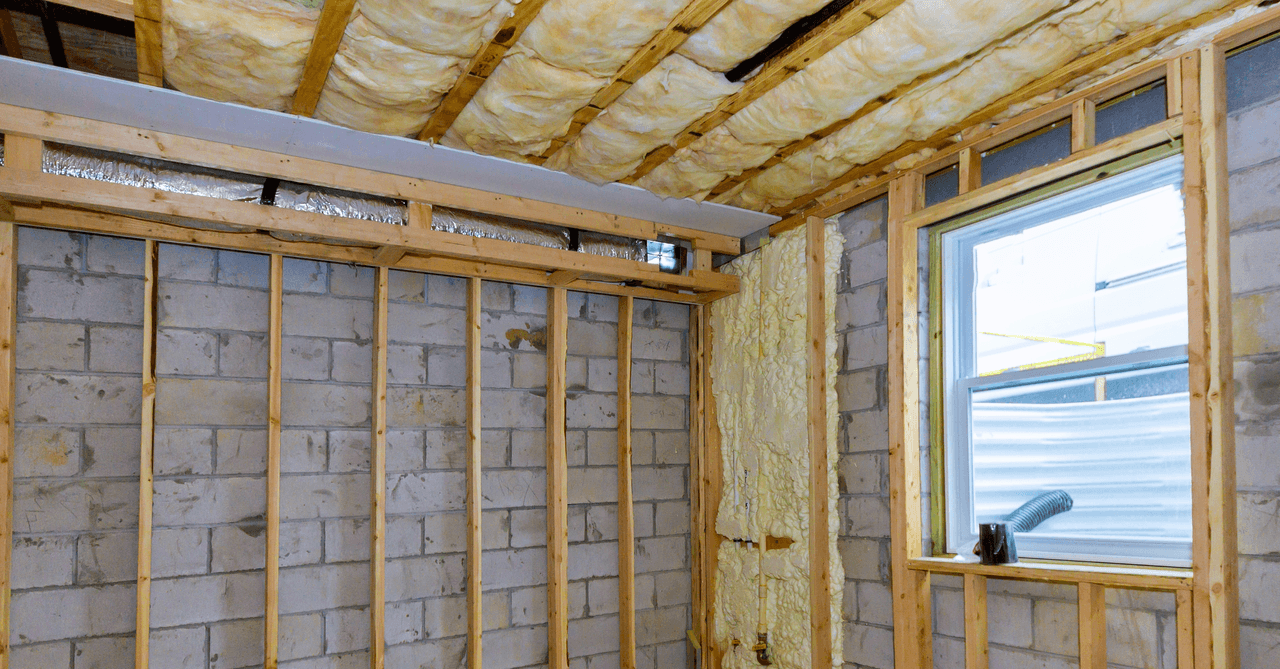
A garage ceiling can be insulated using several types of insulation materials. If you’re having a hard time wrapping your head around which ones, rest assured, you’ve come to the right place. In this article, we compared 14 different materials based on their thermal characteristics.
So not only will you find the most insulating materials, but you’ll also find those that are most compatible with the insulation method that you may want to carry out at home.
How to Choose the Best Insulation Material for a Garage Ceiling
Source: Canva
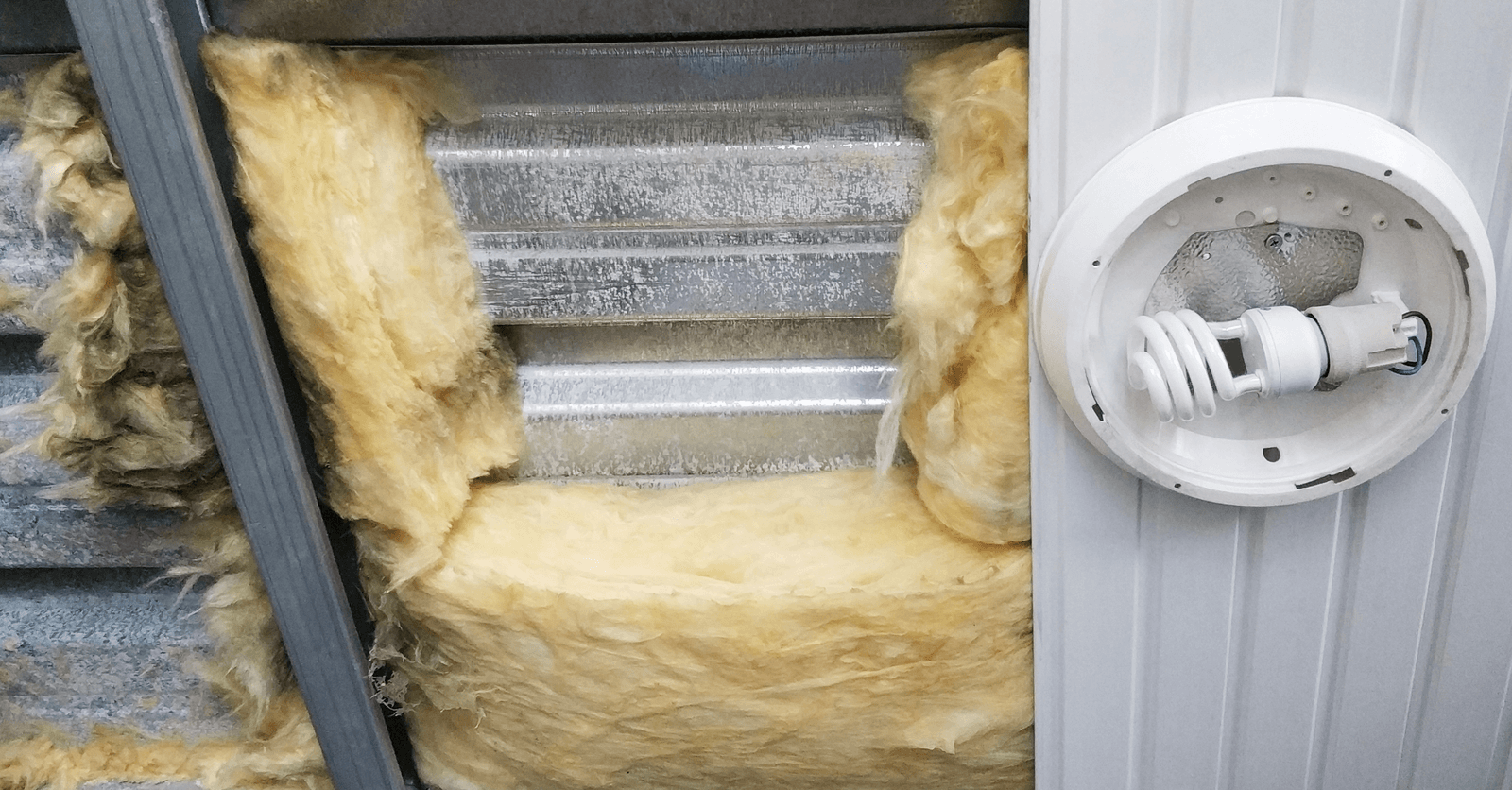
To figure out which insulation materials are best for a garage ceiling, we looked at 14 different materials based on the following 5 thermal characteristics:
Thermal conductivity (K-value)
Thermal resistance (R-value)
Diffusivity
Effusivity
Thermal lag (in hours)
Before we get ahead of ourselves, here’s a list of the best garage insulation materials:
Rank | Material |
1 | Polyurethane (latest technology) |
2 | Extruded polystyrene (common) |
3 | Expanded polystyrene (common) |
4 | Cork (natural) |
5 | Rockwool (loose-fill) |
6 | Polyurethane (common) |
7 | Expanded polystyrene (high-density) |
8 | Expanded cork |
9 | Rockwool (medium-density) |
10 | Expanded cork (loose-fill) |
11 | Extruded polystyrene (XPS HFC) |
12 | Extruded polystyrene (XPS) |
13 | Expanded polystyrene (medium-density) |
14 | Rockwool (low-density) |
Now, let’s take a closer look at the different insulation material values:
R-Value (for an 8-inch thickness)
An R-value stands for a material’s thermal resistance coefficient and is based on two factors:
Thickness
Thermal conductivity
A material’s thermal conductivity is quantified by a numerical value, and the lower that value is, the better the material’s insulation properties are. However, thermal resistance, measured by the R-value is quite the opposite: the higher the R-value, the better the insulation performance.
Rank | Insulation material | Conductivity | R-value |
1 | Polyurethane (latest technology) | 0.025 | 8.05 |
2 | Extruded polystyrene (common) | 0.031 | 6.5 |
3 | Expanded polystyrene (common) | 0.035 | 5.7 |
4 | Polyurethane (common) | 0.035 | 5.7 |
5 | Expanded polystyrene (high-density) | 0.040 | 5 |
6 | Expanded cork (loose-fill) | 0.040 | 5 |
7 | Cork (natural) | 0.040 | 5 |
8 | Extruded polystyrene (XPS HFC) | 0.040 | 5 |
9 | Extruded polystyrene (XPS) | 0.042 | 4.8 |
10 | Rockwool (medium-density) | 0.044 | 4.55 |
11 | Rockwool (low-density) | 0.050 | 4 |
12 | Expanded polystyrene (medium-density) | 0.052 | 3.8 |
13 | Rockwool (loose-fill) | 0.060 | 3.3 |
14 | Expanded cork | 0.090 | 2.2 |
Thermal Diffusivity and Effusivity
Thermal diffusivity and effusivity are significant thermal properties to consider when choosing an insulation material meant for a garage ceiling. By selecting a material with decent thermal properties, you’re in turn ensuring that your garage is efficiently insulation and safeguarded.
Thermal diffusivity
Thermal diffusivity is a material’s capacity to transmit heat through conduction. An excellent thermal diffusivity is typically indicated by a value below 0.2, whereas a value exceeding 1 is considered exceptionally poor.
Rank | Insulation Material | Diffusivity |
1 | Expanded cork | 0.16 |
2 | Cork (natural) | 0.17 |
3 | Expanded cork (loose-fill) | 0.27 |
4 | Extruded polystyrene (common) | 0.63 |
5 | Polyurethane (latest technology) | 0.64 |
6 | Rockwool (medium-density) | 0.61 |
7 | Polyurethane (common) | 0.71 |
8 | Extruded polystyrene (XPS) | 0.83 |
9 | Extruded polystyrene (XPS HFC) | 0.86 |
10 | Expanded polystyrene (high-density) | 0.97 |
11 | Expanded polystyrene (common) | 1.20 |
12 | Rockwool (loose-fill) | 1.46 |
13 | Rockwool (low-density) | 2.20 |
14 | Expanded polystyrene (medium-density) | 2.99 |
Thermal effusivity
As for thermal effusivity, it indicates a material’s ability to transmit heat through radiation. The lower the effusivity coefficient, the better the insulation material is.
As such, a value above 1,000 suggests poor insulation capabilities in a material, while a value below 35 indicates excellent insulation properties.
Rank | Insulation material | Effusivity |
1 | Expanded polystyrene (medium-density) | 30.08 |
2 | Expanded polystyrene (high-density) | 30.60 |
3 | Expanded polystyrene (common) | 31.86 |
4 | Polyurethane (latest technology) | 32.49 |
5 | Rockwool (low-density) | 33.66 |
6 | Extruded polystyrene (common) | 38.97 |
7 | Polyurethane (common) | 41.41 |
8 | Extruded polystyrene (XPS HFC) | 43.08 |
9 | Extruded polystyrene (XPS) | 46.17 |
10 | Rockwool (loose-fill) | 49.72 |
11 | Rockwool (medium-density) | 56.32 |
12 | Expanded cork (loose-fill) | 76.94 |
13 | Cork (natural) | 96.18 |
14 | Expanded cork | 227.68 |
Thermal Lag
Thermal lag refers to the time period (delay) during which an insulation material can inhibit heat transfer.
Rank | Insulation material | Thermal lag (hr) |
1 | Expanded cork | 16 |
2 | Cork (natural) | 15 |
3 | Expanded cork (loose-fill) | 12 |
4 | Rockwool (medium-density) | 8 |
5 | Extruded polystyrene (common) | 8 |
6 | Polyurethane (latest technology) | 8 |
7 | Polyurethane (common) | 7 |
8 | Extruded polystyrene (XPS) | 7 |
9 | Extruded polystyrene (XPS HFC) | 7 |
10 | Expanded polystyrene (high-density) | 6 |
11 | Expanded polystyrene (common) | 6 |
12 | Rockwool (loose-fill) | 5 |
13 | Rockwool (low-density) | 4 |
14 | Expanded polystyrene (medium-density) | 3 |
What are the best materials to insulate a garage ceiling?
Source: Canva
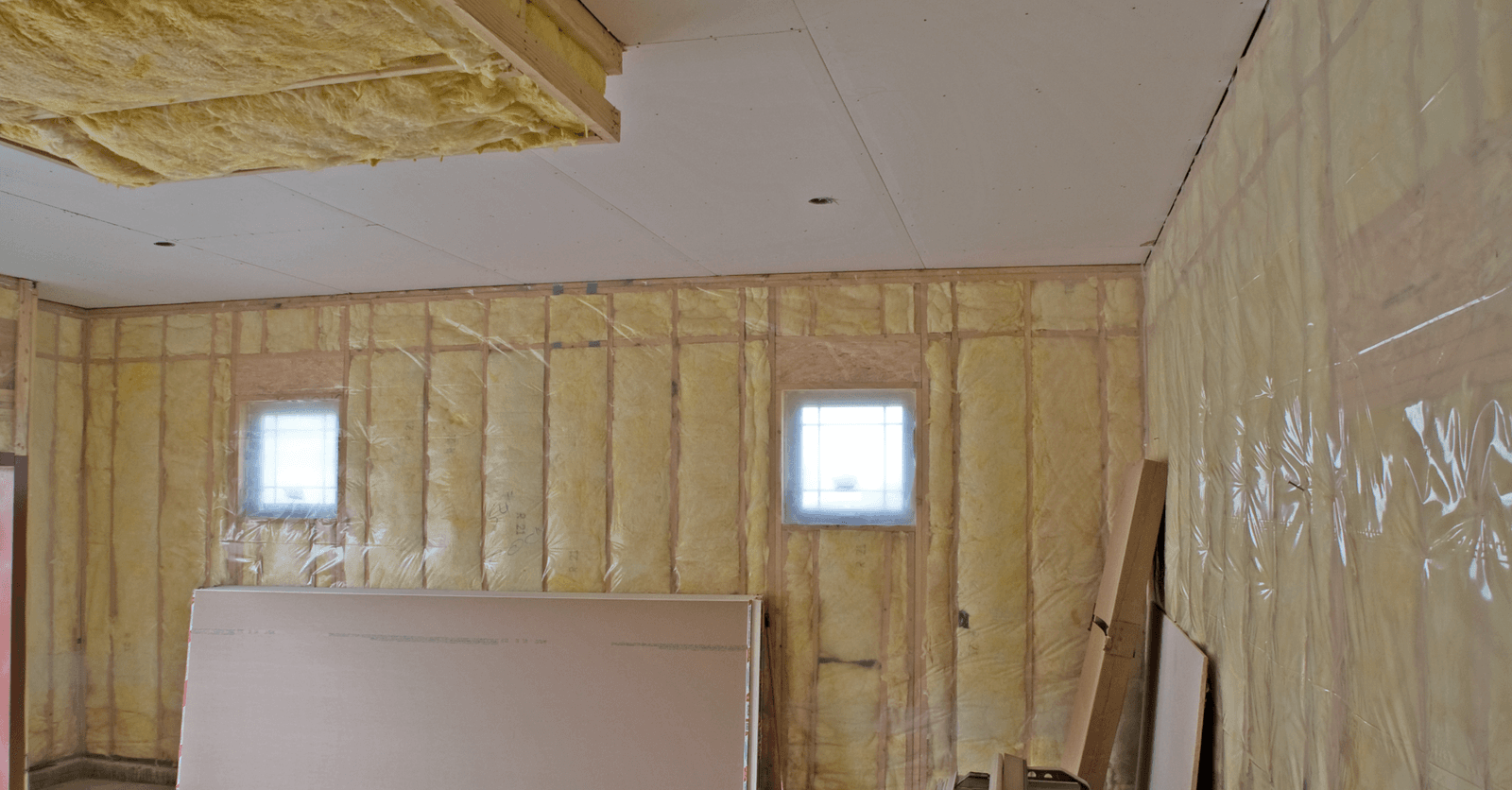
Polyurethane made from the latest technology and extruded polystyrene are, without a doubt, the best materials to insulate a garage ceiling. However, if you’re looking to solely use eco-friendly materials in your home, cork is your best bet.
Learn more about the best garage ceiling insulation materials down below.
Polyurethane panel or polystyrene panel?
It all depends on the quality of the polyurethane material. If you come across polyurethane with a thermal conductivity of 0.026 rather than 0.035, it indicates that it’s a cutting-edge polyurethane technology; it’s more efficient than a polystyrene panel.
Otherwise, polystyrene will be a way better insulation material. Moreso because you can choose extruded polystyrene, or even better yet, expanded polystyrene.
Polystyrene and polyurethane panels have the added bonus of being aesthetically pleasing, while also cutting back on drywall use.
Rockwool
Mineral wools are far from the most efficient insulation, but they do have one significant advantage: their flexibility.
It isn’t uncommon to see piping snaking through a garage ceiling. Therefore, rockwool is the perfect material. Since it’s very malleable, it can easily be slipped between pipes.
As a result, you won’t need to install drop ceiling tiles to properly insulate your garage, which turns into significant space gain.
Vapour barrier
A vapour barrier is a must if your garage happens to be below a living space. Typically, the vapour barrier will be a part of the living space's flooring insulation system.
Cork
As we’ve already mentioned in the first part of the article: cork is an excellent insulation material for green homes. It ranks just below polyurethane and polystyrene.
However, cork has two issues:
Requires installing drop ceiling tiles
Isn’t made for winter
Therefore, if your garage ceiling is rather low, cork may not be the best insulation material. Generally speaking, in Quebec, where winters are quite harsh, cork doesn’t typically hold its own.
As a matter of fact, while it does have an exceptional thermal lag in terms of heat, its thermal conductivity and resistance (R-value) are deemed average.
How to DIY a Garage Ceiling Insulation
Source: Canva
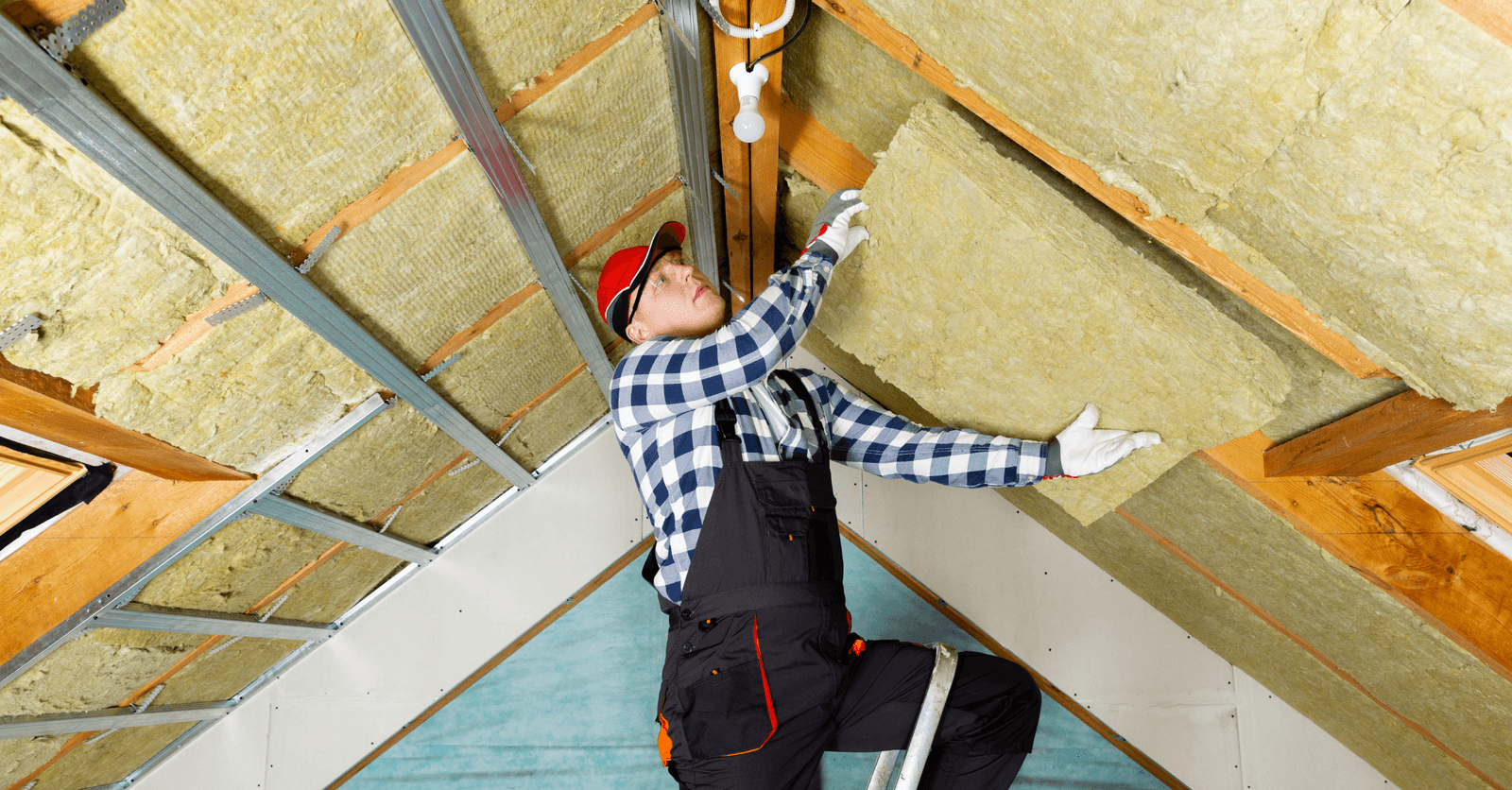
There are three methods used to install insulation material on a garage ceiling:
Glue/screws
Drop ceiling (drop tiles or self-supporting membrane)
Spray
You can base your decision on:
Your preferred method
The height of your garage
The insulation material you’ve selected
For example, should you decide to opt for a spray-in method, polyurethane is your only option. Whereas, with a drop ceiling, you can use mineral wools, polystyrene, or polyurethane.
However, using the glue/screw method, for which the polystyrene panels are typically preferred, you’ll lose a significant amount of height in your garage.
Concrete Garage Ceiling Insulation Tips
Source: Canva
Favour the following three insulation materials:
Polyurethane insulation panels
Extruded polystyrene insulation panels
Cork
If you’re not comfortable using the glue/screw installation method, note that a concrete garage ceiling can be insulated using spray polyurethane foam.
Get 3 quotes for your garage ceiling insulation project
RenoQuotes.com can help you get quotes for your insulation project. By submitting your project, we’ll put you in contact with top-rated contractors. Fill in the form on the homepage (it only takes a few minutes) and get estimates from trusted professionals.
Dial 1-844 828-1588 to speak with one of our customer service representatives.
Looking for something else?
Related articles
The latest industry news, interviews, technologies, and resources.
Editorial Team
•08 Nov 2023
Insulation is a key step during the building or renovation process of a house. Nowadays, environmentally-friendly insulation materials have become essential elements, working to ensure the thermal comfort of a building’s occupants whilst saving energy alongside the environment.

Cynthia Pigeon
•08 Nov 2023
The cathedral roof (or cathedral ceiling) was first introduced in the 1960s and 1970s. This type of roof is aesthetic and adds a unique flair to any home. The cathedral ceiling accentuates the interior appearance of a home by exposing the slope of the roof. Constantly modernized and revamped, the cathedral roof is most commonly a feature in chalets and country houses.

Editorial Team
•03 Jul 2024
As a construction contractor, you’re likely committed to growing your business over the years and increasing the size of your customer base.

Léa Plourde-Archer
•11 May 2026
The decor and layout of a bedroom are more important than one might think. Given the role of this room, which is to serve as a place dedicated to rest, it is important to feel comfortable and to make sure that the room fulfils our needs. If you have landed on this article, this probably means that you are looking for a change!
Cynthia Pigeon
•09 Oct 2024
If you live in a big city or keep yourself apprised of innovative methods of environmental conservation, you’ve probably already heard of green roofs. They’re created using a technique which involves covering a building’s rooftop with all kinds of vegetation: plants, flowers, and vegetables. It’s no secret: green structures provide better insulation and minimize carbon emissions. All in all, they improve air quality while increasing the building's overall energy efficiency.