3 Eco-friendly Insulation Materials | Renovation Quotes
By Editorial Team
Updated on November 8, 2023
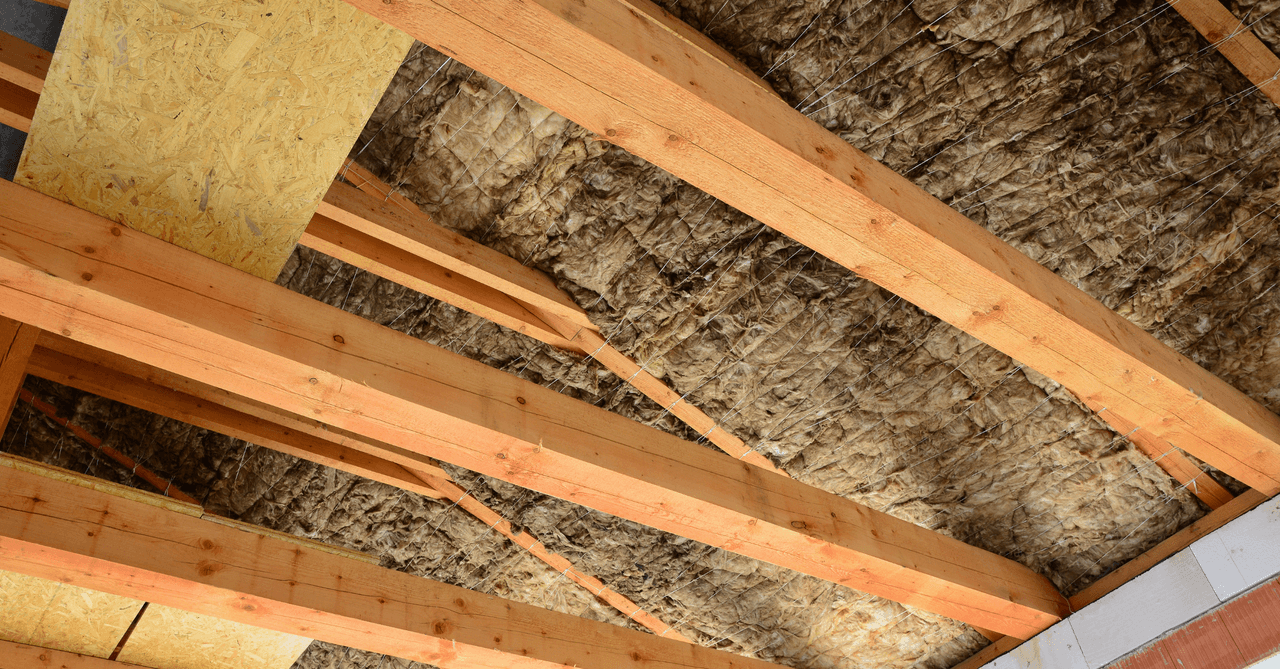
Insulation is a key step during the building or renovation process of a house. Nowadays, environmentally-friendly insulation materials have become essential elements, working to ensure the thermal comfort of a building’s occupants whilst saving energy alongside the environment.
Here are three tips to insulate your house in a way that is respectful of the world around you.
The best eco-friendly insulation materials
1) Plant-based green insulation
Source : Canva
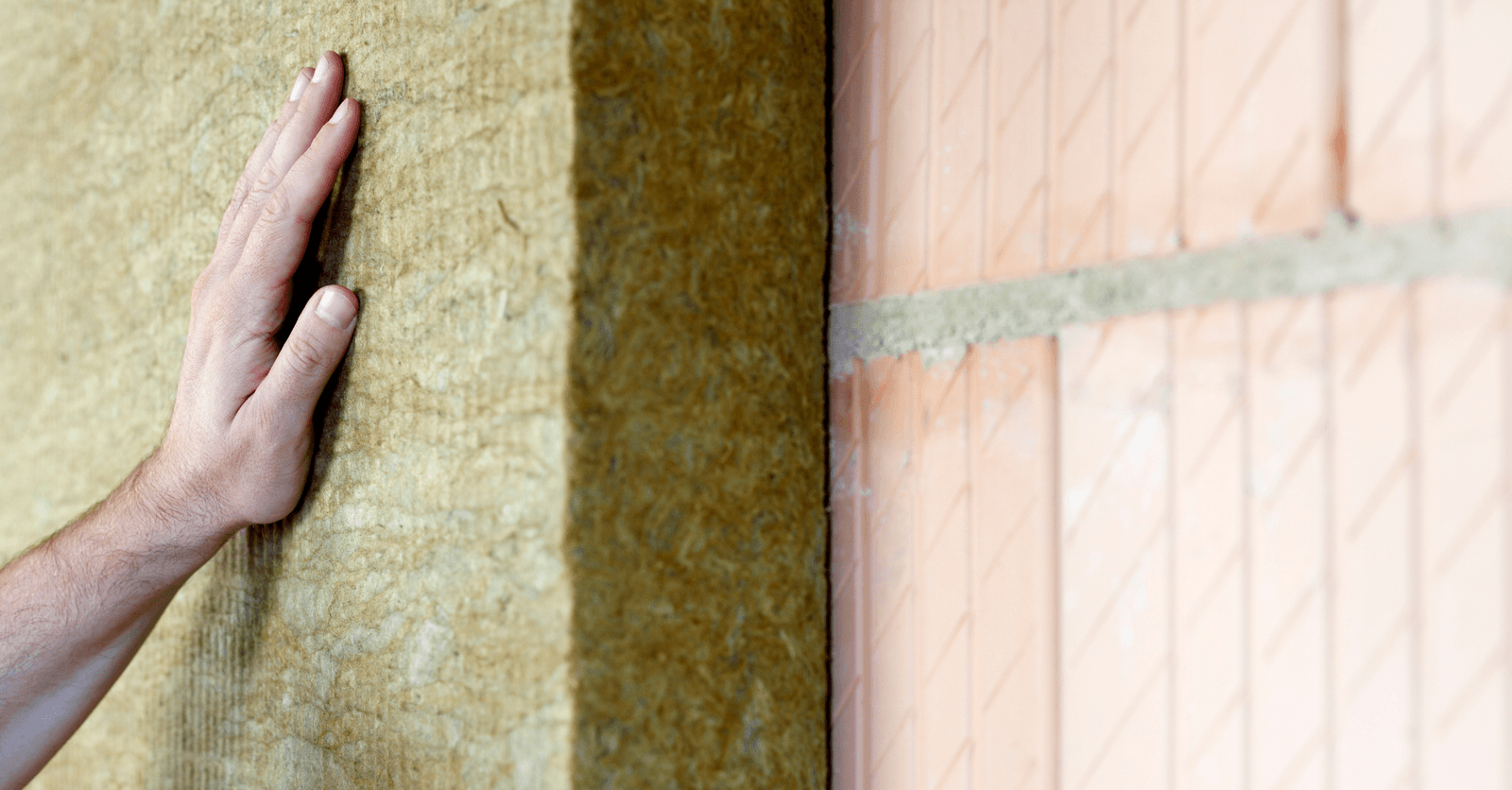
Insulation materials that are made from plants tend to be more eco-friendly, with cork and straw being two prime examples. These plant-based materials work very well for a building’s thermal insulation, used on the outer surface of the house.
They can also be used indoors. In general, their thermal conductivity level is 0,040 W/m.°K. This low value indicates that they retain a lot of heat.
Cork as an insulation material
Since this material works so well to conserve our favourite bottles of wine, why not use its strengths to insulate a home? Indeed, cork is a very interesting insulation material:
Coming from the cork oak, cork is sold under several forms, including sheets, loose material and granules ;
This material is easy to install and is relatively inexpensive ;
Cork has an insulating value (R) of 3.7, which makes it very efficient ;
This material is also good for soundproofing ;
It is renewable and recyclable, which is an eco-friendly option in the long run.
Hay insulation material
No, this is nothing like the home of one of the three little pigs in the famous children's story! Hay is actually an insulation material that can be very effective for homes. Here are a few important details to know about this subject:
As an insulation material, it is sold as bales or walls of hay ;
In general, hay is used to insulate outdoor walls ;
Available in Canada, hay is an economical insulation material ;
Its R-value is 2, which is quite efficient providing that the layer of insulation is thick enough ;
However, the insulation is relatively complicated and your house must be adapted accordingly.
To know more about natural insulation options, check out our article on the subject.
2) Recycled eco-friendly insulation materials
Source : Canva
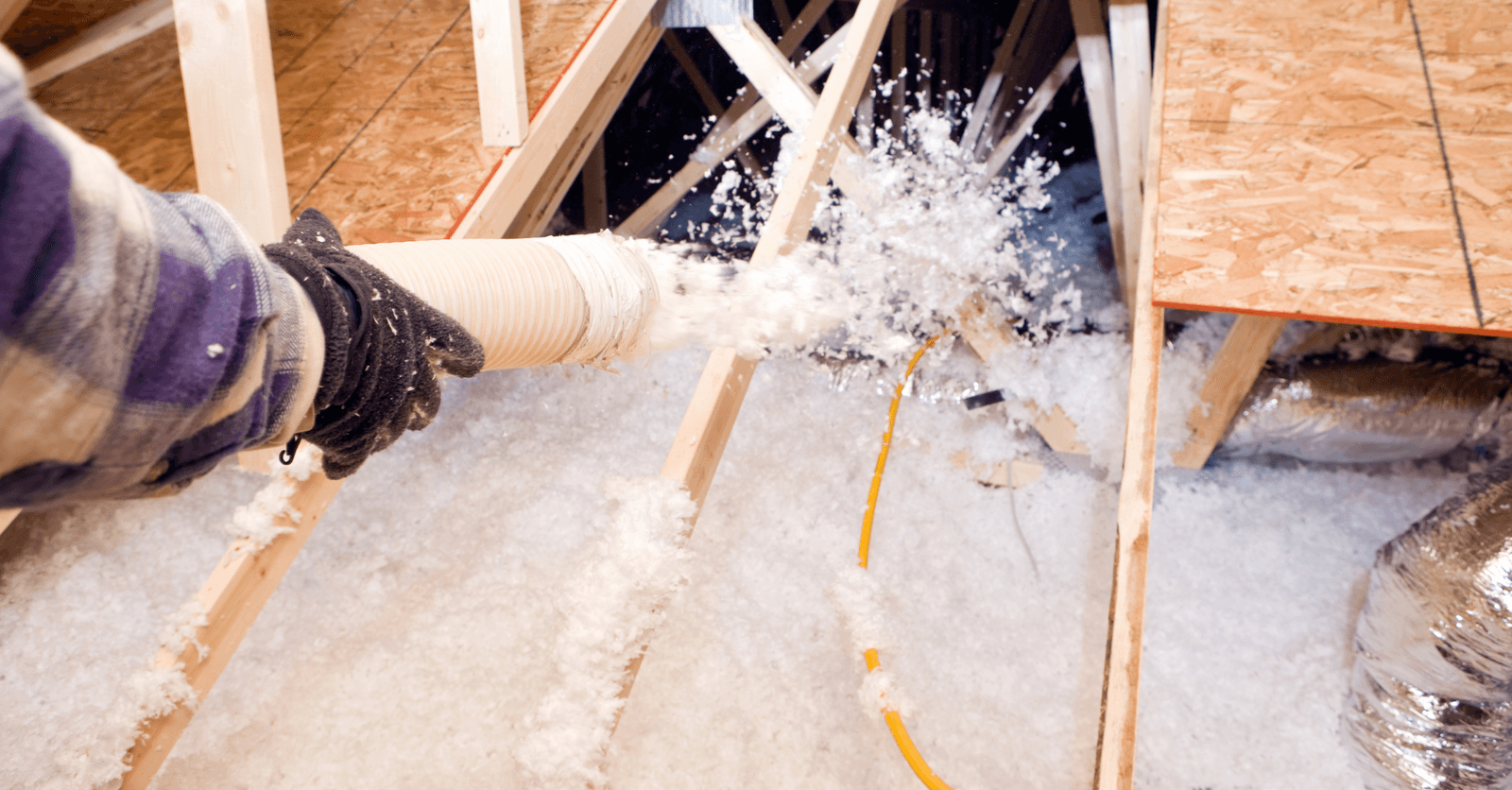
Recycled materials such as cellulose wadding are very successful. This particular product is made from recycled paper (old newspaper) and a mix of flame retardant additives and fungicides. Like with plant-based materials, the thermal conductivity level is low, 0,035 W/m.°K.
One of the best aspects of this product is the fact that it is self-extinguishing, meaning that it can burst into flames and quickly extinguish itself before the damage is too serious.
The characteristics of cellulose wadding
Cellulose comes from wood. Therefore, cellulose wadding is made out of wood fibre or recycled newspaper;
There are two installation techniques for cellulose wadding, which are by blowing or spurting out the material;
Cellulose is also sold in the form of panels;
This material fully covers the available space and does not require us to create sealed joints;
Cellulose has an R-value of 3.7, which makes it a good insulation material;
This material is very environmentally friendly as it is recyclable and biodegradable.
3) Renewable energy as insulation
Source : Canva
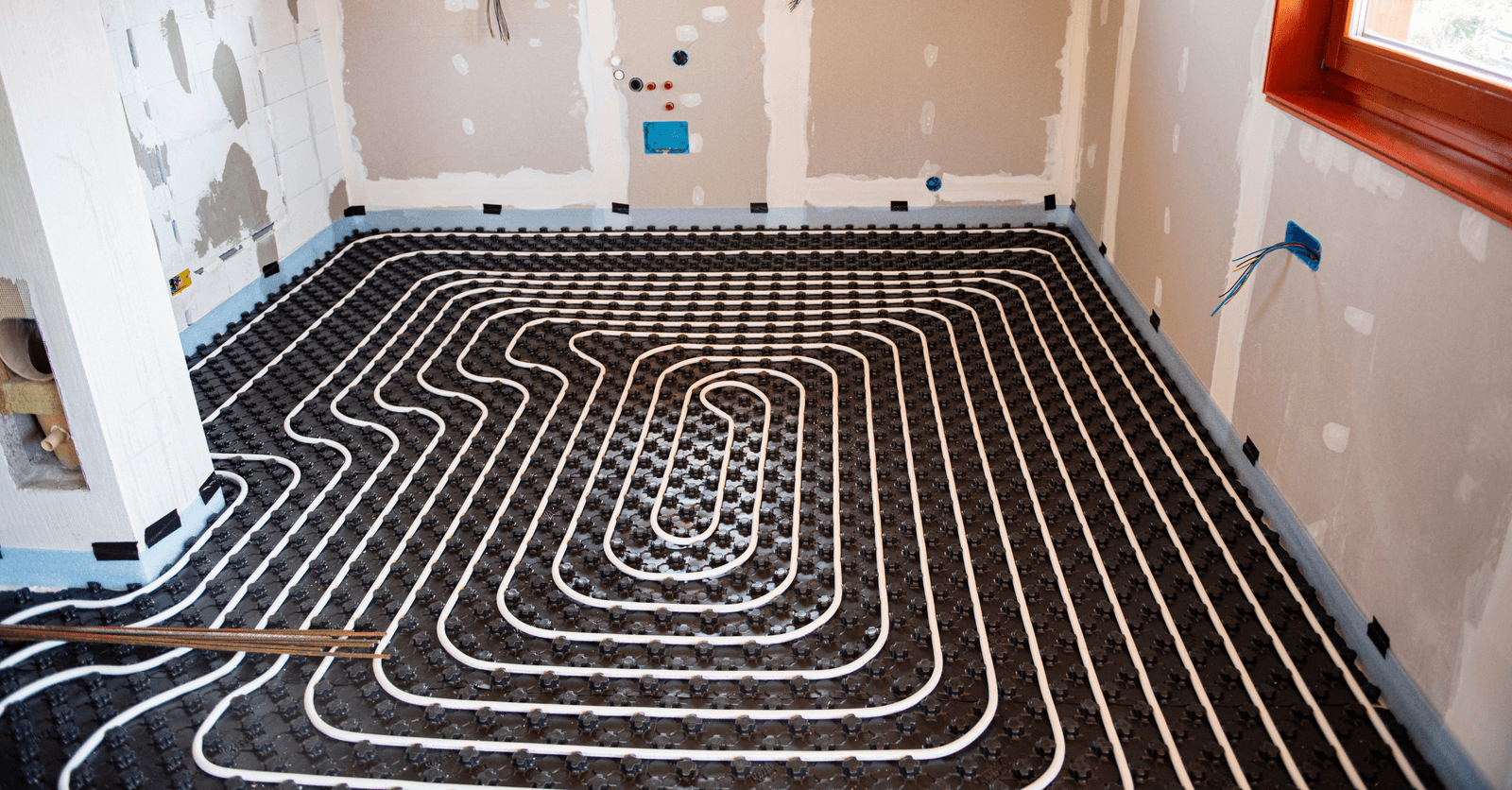
Renewable energy is one of the best ways to ensure that you are using an environmentally friendly insulation method. Geothermal energy is one of the best resources for this type of purpose. Among other things, it can be used for water-heated floors.
These types of floors, also known as heating floors, act as a heating system that is installed underneath the floor surface. They are made of tubes that contain warm water that circulates through the ground, coming from a heat pump. This system works very well to heat the house from the inside.
Curious to learn more about renovations that help maintain the environment? Check out our Eco-friendly and Green Renovation Guide.
Get 3 renovation quotes for eco-friendly insulation renovations
RenoQuotes.com can help you get 3 quotes for your eco-friendly insulation project. If you submit your project to us, we’ll put you in contact with the best-qualified contractors in our network. Fill in the form on the homepage (it only takes a few minutes), and you will receive quotes from home renovation and insulation specialists.
Dial 1-844 828-1588 to speak with one of our customer service representatives
Looking for something else?
Related articles
The latest industry news, interviews, technologies, and resources.

Editorial Team
•08 Nov 2023
Who wouldn't like to add a hint of wood to their decor or integrate it as part of a construction project? Wood suits almost every aesthetic, it's available in countless different finishes, can be used for just about anything, is derived from a renewable source, and is perfect to scaffold zero-carbon buildings.
Cynthia Pigeon
•03 Jul 2026
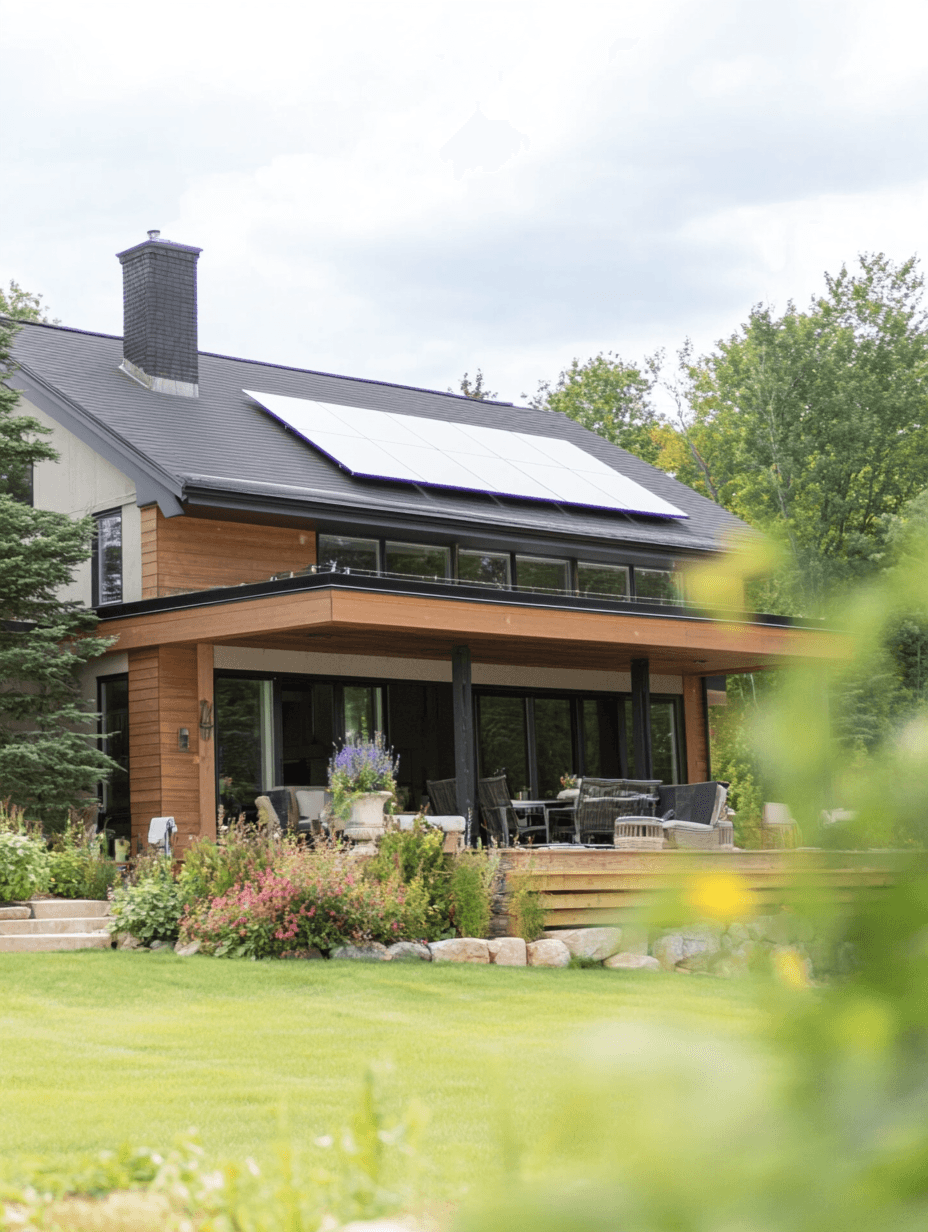
The concept of a net-zero home has become an important benchmark in energy-efficient housing. For owners of single-family homes in Quebec, undertaking a high-performance energy retrofit is no longer just a green ideal; it is a strategic decision for long-term property value. The goal is clear: to transform an energy-hungry house into a home with a zero or very low annual energy balance, often connected to the grid, capable of producing as much energy as it consumes over the course of a year.
Léa Plourde-Archer
•27 May 2025
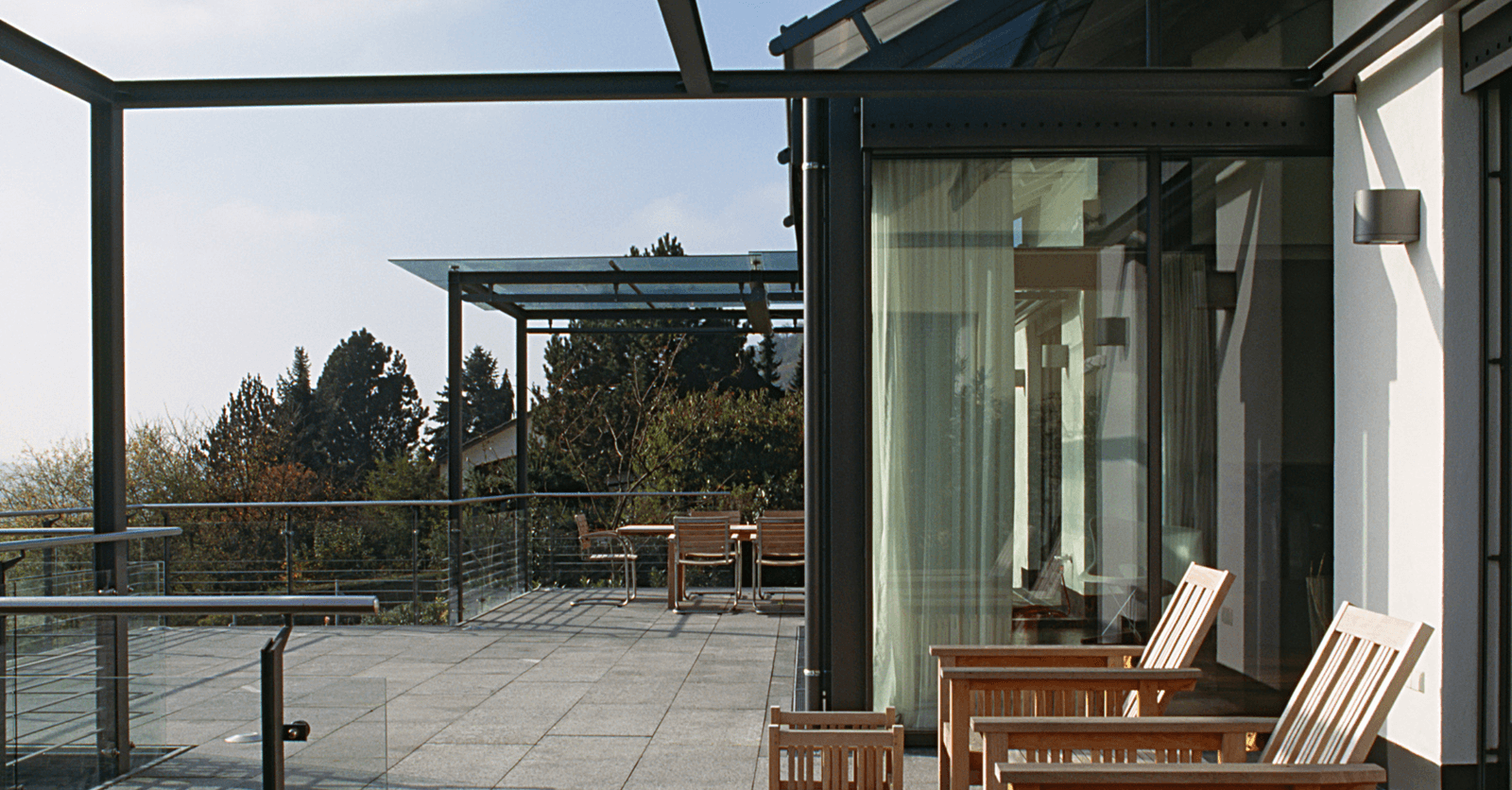
Building a porch on the façade of your home can offer a beautiful addition to the great outdoors. Whether entertaining or simply enjoying a summer evening breeze, homeowners like yourself often splurge to add this home accompaniment. But with any renovation project, there are always costs involved. So, exactly how much does it cost to build a brand new porch?
Amanda Harvey
•08 Nov 2023
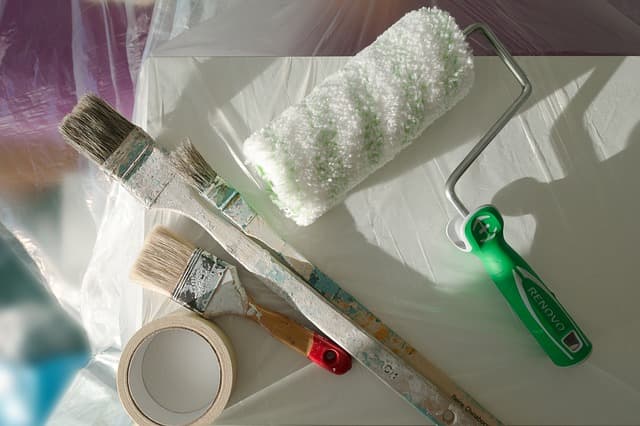
Renovation and remodelling projects aren’t the cheapest ventures. Not only do they take time and effort, but they can also leave your home in a state of unrest.
Editorial Team
•02 Apr 2026
A build-up of water around the perimeter of your foundation is never good news. It can actually have disastrous consequences: water leaks, foundation deterioration, increased humidity, and mould growth in the basement.