How to Fix Your Property’s Negative Grade
By Editorial Team
Updated on April 2, 2026
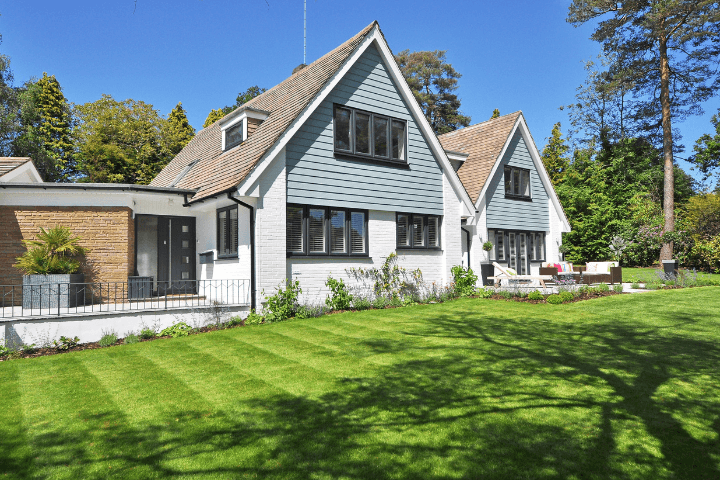
A build-up of water around the perimeter of your foundation is never good news. It can actually have disastrous consequences: water leaks, foundation deterioration, increased humidity, and mould growth in the basement.
Get Your Project Started Today
Submit your details and receive three free quotes from trusted contractors.
Should your property have a negative land grade, you’ll most likely experience the above-mentioned problems. To avoid such outcomes, there's really no way around it, but fixing your property’s poor grade. Here’s how to proceed!
Available Solutions to Fix a Home’s Negative Slope

Source: Canva
What’s a negative grade?
In construction, a negative grade or negative slope refers to a downward slope channelling water or other melting substances toward a structure instead of away from it. Either terms are often used regarding structural foundations, roofs, land, or paved surfaces
For example, if the land on which a house is built has negative grading, it means the ground is sloping toward the house. This can lead to excessive humidity, moisture on the foundation, or water problems, such as rainwater or melting snow being redirected toward the walls of the home instead of away from it.
What if it’s a slight slope?
Regrade Your Land
To ensure rainwater is draining as far away from your house as possible, you’ll need to grade the land adjacent to the structural foundation by creating a positive grade, starting with the first 5 feet, and adding a 2-inch slope per foot. To do so, stick with clay soils to maximize water drainage.
Also, the downspout (referring to the elbow-shaped end part of the gutter) must be kept in proper working order. Note that said part of the gutter must touch the ground and be extended with a pebble bed to facilitate water drainage as far away from the foundation walls as possible.
Install Drains or Retention Tanks
In some cases, land-specific details make it harder to regrade to allow water to drain away from the property. Should this be the case, there are always alternative solutions such as installing drains or rainwater retention tanks to store surface water and prevent potential damages to your property or neighbouring ones.
Install Window Wells
If your basement windows happen to be beneath ground level, you’ll need to install window wells around them. The latter must be 12 inches deep and have an 8-inch gap between the window sill and the well. As for the type of stone that should fill the bottom portion of the well, go for ¾-inch crushed stone.
Make sure you know exactly how much should stone you should need. It’s probably a good idea to use a stone calculator to get a solid estimate of the amount of stone you’ll need for the project.
Remember to regularly maintain the window wells by removing dead leaves or lawn clippings found inside. Otherwise, it might hinder the water-draining process.
Significant Negative Slope
If your property’s negative grade is rather significant, the only way to remedy the situation would be to build a retaining wall, a swale, or a drainage trench. Since proceeding with these requires the use of heavy machinery, you’ll need to delegate your project to hired professionals.
Why fix a negative grade?
Source: Canva
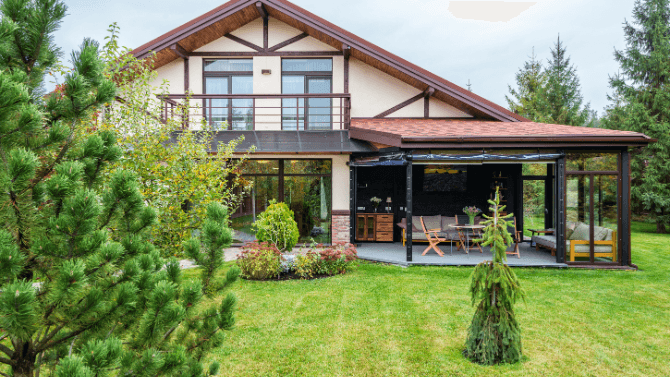
During a home building process, a bituminous coating is applied to the foundation to ensure it’s safeguarded against moisture. However, note that this type of protection isn’t a life-long solution. If your home is built on a negative slope and large amounts of water reach your foundation, the concrete will, without a doubt, absorb a part of it, unless your home’s foundation walls are fitted with drainage membranes.
The water absorbed by the concrete will end up cracking the material, and the fissures will grow over time, rendering the foundation vulnerable to water infiltration, which will result in just the damages you’re thinking about.
If your home was recently built, grading issues can stem from a mistake made during the construction process. However, if your house has a few years under its belt, it may be that the soil used to build the positive slope during the construction process compressed over time. Therefore, the slope faded and is now preventing proper rainwater redirection.
Factors to Consider When Correcting a Negative Land Grade

Source: Canva
Since you likely don’t want to experience another rainwater drainage issue, you’ll need to abide by certain guidelines. First, avoid having flowerbeds obstructing water drainage.
Second, if heavy machinery is needed to correct your land’s negative grading, make sure they’re used as far away from the foundation as possible. Otherwise, the pressure created on the ground increases the chances of foundation cracks, which may eventually aggravate the situation, resulting in water leaking into your basement.
Land Grading: Building Code Regulations
Also, should you decide to carry out a land grading project, keep in mind the regulations established by the Building Code. Here are a few to go by: There must be a 20 cm gap between the bottom section of the structure’s siding and the ground, and your foundation has to extend beyond ground level by 15 cm.
Poor Grading Can Be Costly
Before undertaking a land grading project, it’s highly recommended to seek out the expertise of a professional to benefit from their pinpointed advice tailored to your land. Furthermore, if you incorrectly grade your land and water is redirected towards a neighbouring property, you will be held liable for any resulting damages to their property.
Slope Type | How to Proceed |
1) Slight negative grade | Regrade the land by building a slope with a 2-inch per foot downward incline, over a 5-foot stretch of land. Install drains or water retention tanks. Install 12-inch deep window wells with an 8-inch gap between the well and the window sill. |
2) Significant negative grade | A few of the viable solutions: Build a retaining wall, a swale, or a drainage trench. |
Looking for something else?
Related articles
The latest industry news, interviews, technologies, and resources.
Editorial Team
•01 Aug 2024
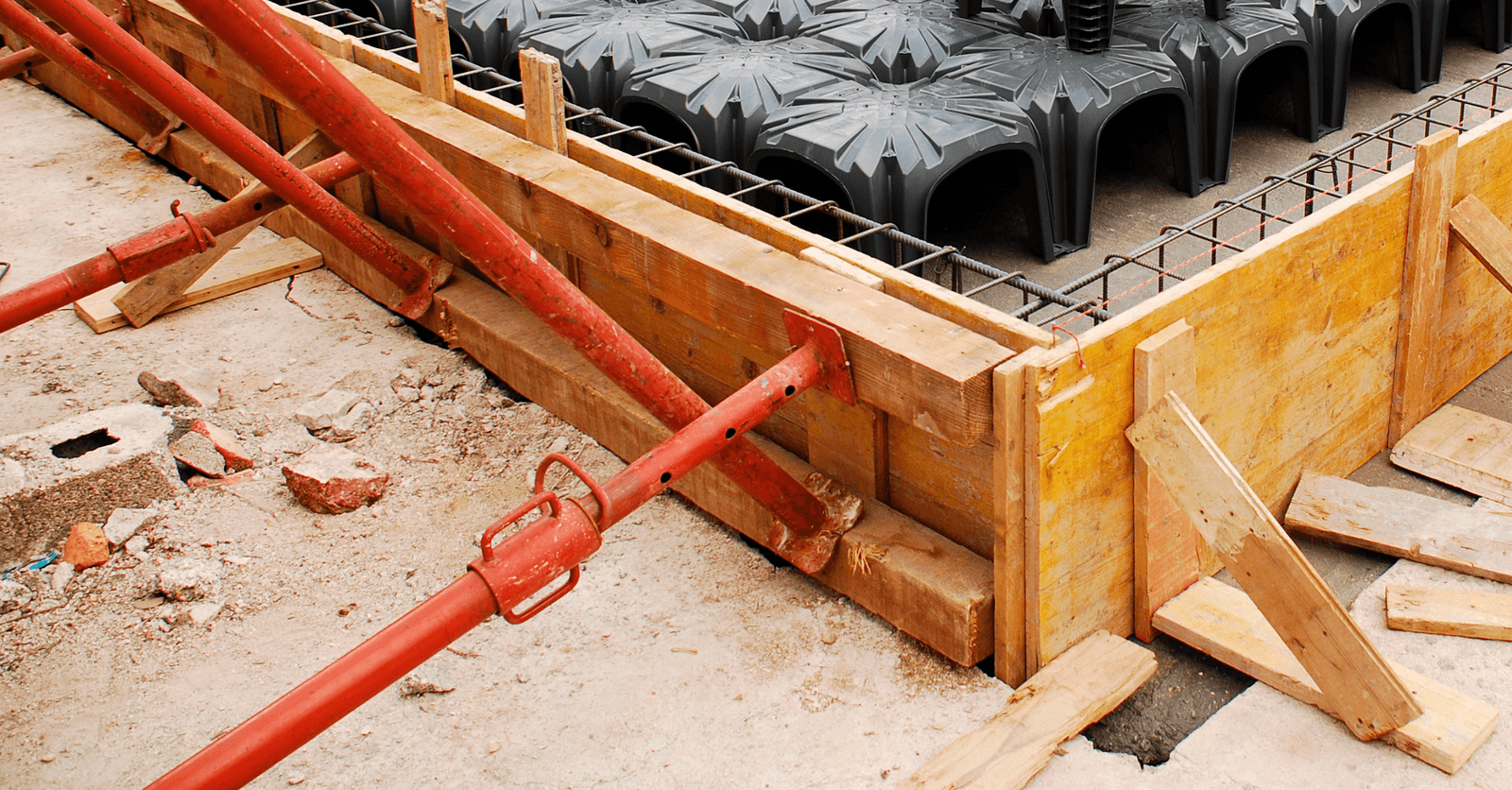
If you noticed significant changes in your house and detected a structural shift over time, the odds are that the stability of your foundation has been weakened. By that, we mean that the foundation may have collapsed. The latter may be the result of the soil, which can’t adequately bear the load of the structure, the presence of clay soil, a water table, or full-grown trees, whose roots have reached the outer walls of the foundation.

Editorial Team
•08 Nov 2023
Regardless of the season, the temperature outside is almost always going to have an impact on the temperature inside your home. During those warm summer months, we try our best to keep things cool, while in the winter we want our interiors to be a warm and cozy break from the frigid air.
Editorial Team
•27 Aug 2025
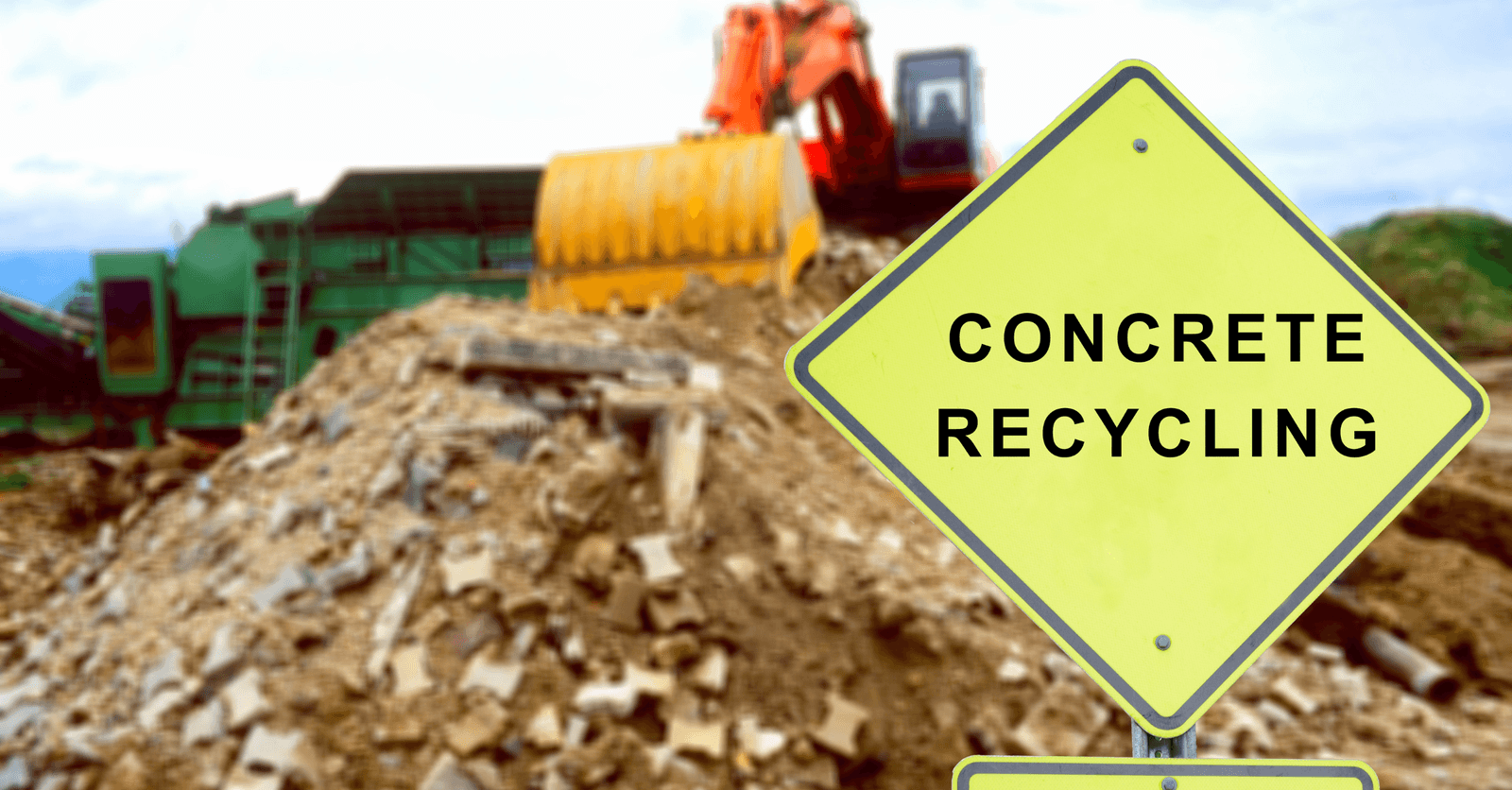
Did you know that concrete could be recycled? Well, yes siree Bob! Concrete recycling is a technique used to salvage concrete waste. It’s an alternative to disposing of it in landfills that happens to be both cost-effective and eco-friendly. So, let’s zero in on concrete recycling, a practice that’s still, to this day, little known in Canada.

Editorial Team
•07 Jul 2026
Made with plastic, vinyl first made its way onto the market in the shape of records (the infamous LP) or even as shiny items of clothing. During the 80s, this material became a popular, cushiony flooring option, vinyl sheets, or loose lay vinyl, which was also known as “cushion flooring.”
Christine Simard
•10 Jan 2025
There are endless options when choosing a kitchen countertop, but marble is a very sought-after material in the design industry. It’s ever-present on our minds when renovating a kitchen due to its chic, timeless, and versatile appeal. However, some might find its minimalistic look too common, overdone maybe, when designing a new kitchen.