The Benefits and Uses of Recycled Concrete
By Editorial Team
Updated on August 27, 2025
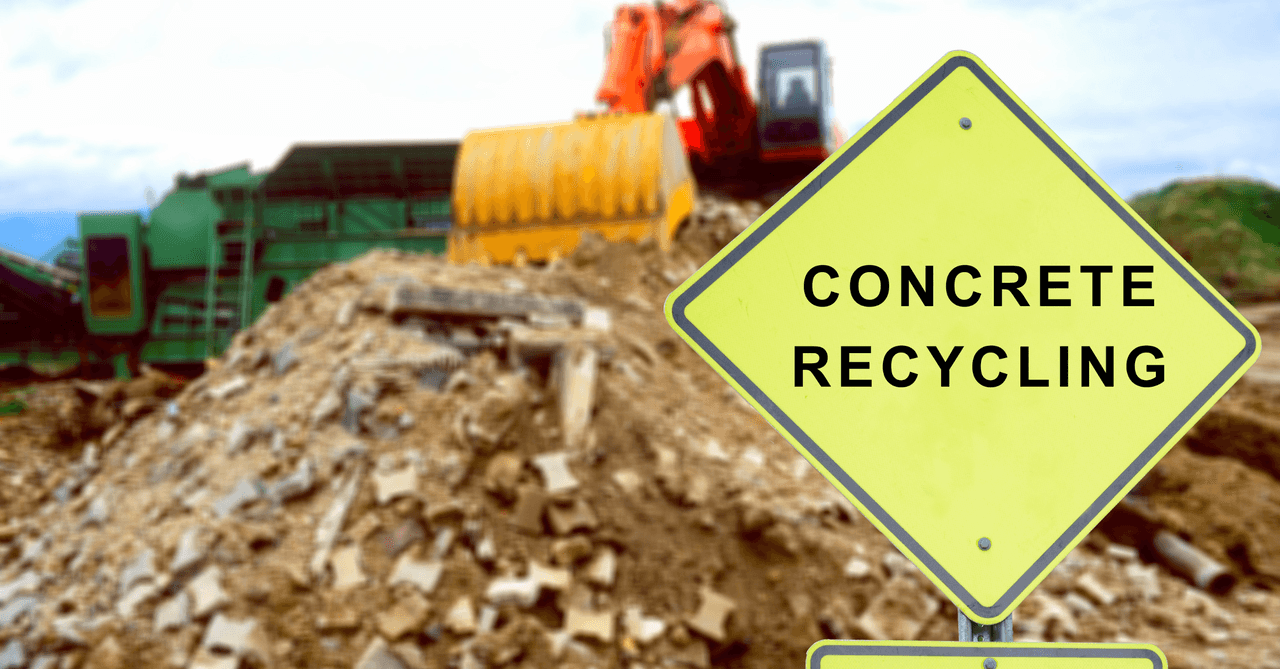
Did you know that concrete could be recycled? Well, yes siree Bob! Concrete recycling is a technique used to salvage concrete waste. It’s an alternative to disposing of it in landfills that happens to be both cost-effective and eco-friendly. So, let’s zero in on concrete recycling, a practice that’s still, to this day, little known in Canada.
Recycled Concrete: What Is it Exactly?
Source: Canva
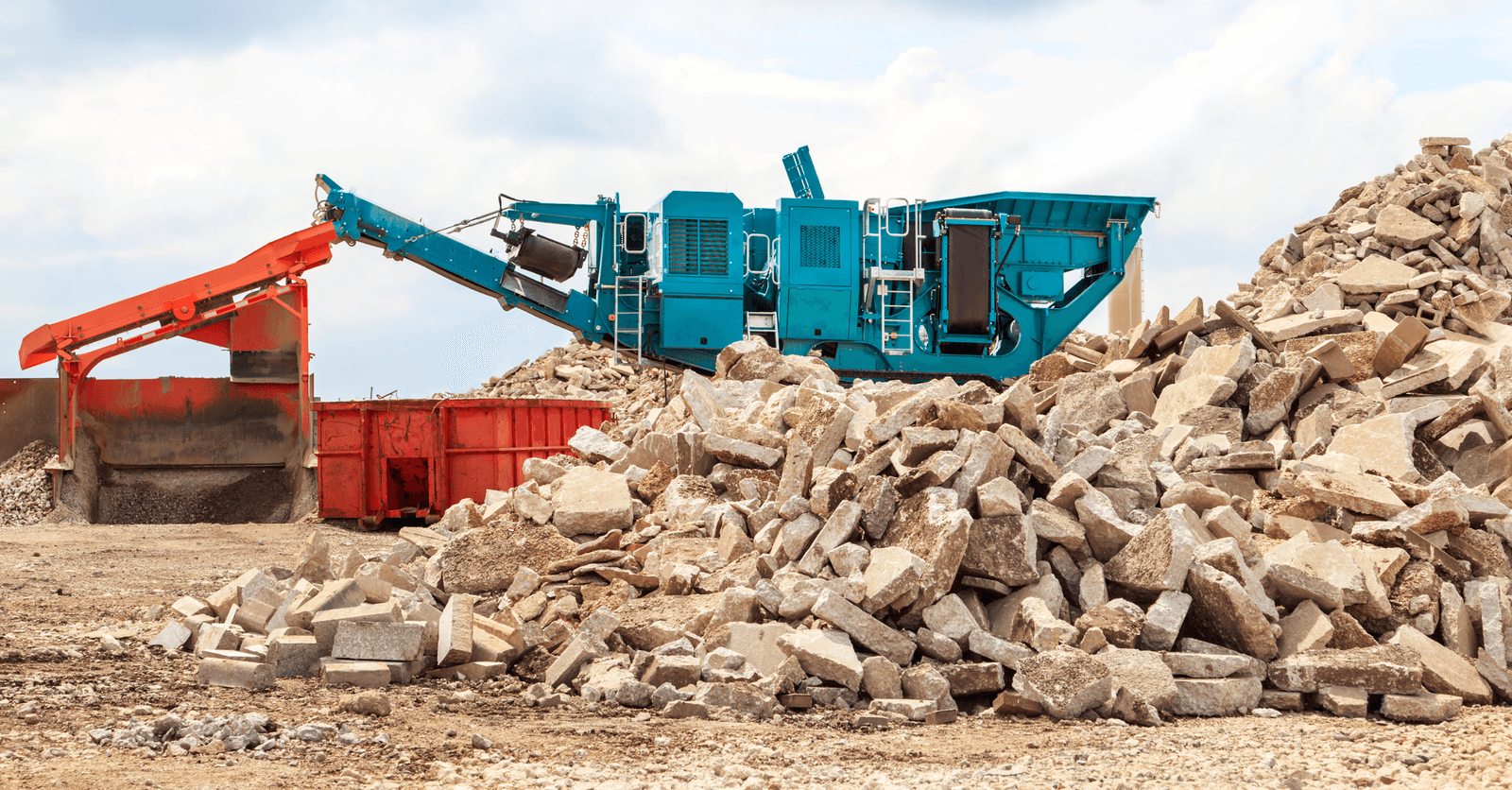
Globally speaking, concrete is one of the most exploited materials due to its notable strength and its use in almost all infrastructures. However, its environmental impact is highly criticized. The Global Concrete and Cement Association (GCCA) states that said material is responsible for 7% of the planet’s CO2 emissions. Luckily, concrete’s environmental impact can be reduced by recycling it instead of letting it go to waste. As such, a whole series of techniques are used, thereby salvaging inert materials produced by concrete. In other words, concrete is recycled and reused on new worksites.
Recycled concrete offers to same properties as traditional concrete. It’s just as resistant, easy to work, as well as viscous enough. In terms of quality, it doesn’t fall short of natural concrete aggregate. However, note that recycled concrete is limited to a few fields of use, and can’t be used on all worksites. It can be used on construction projects requiring a tensile strength of C30/37. Concrete grades with a lower tensile strength may be used during freeze cycles. However, it is very likely that the properties of recycled concrete may vary depending on its composition and how it is processed.
There are two types of recycled concrete:
Concrete issued from construction waste
This includes waste from precast plants or ready-to-use concrete. The waste in this category comes in a variety of configurations: fresh concrete waste, cured concrete waste, leftover manufacturing waste, or worksite scraps. It can either make its way back to precast plants (as it’s done with fresh concrete) or be salvaged in crushing screening plants.
Concrete issued from demolition waste
Here too, concrete residue is recycled in crushing screening plants. The thin part of concrete is typically used to manufacture binders. The recycling process can result in new aggregates that can be used to manufacture new concrete. And, as a matter of fact, said aggregates may be employed to replace naturally occurring gravel and sand.
Easily find clients starting today
Get started today and connect with the projects that suit you best!
How Is Recycled Concrete Made?
Source: Canva
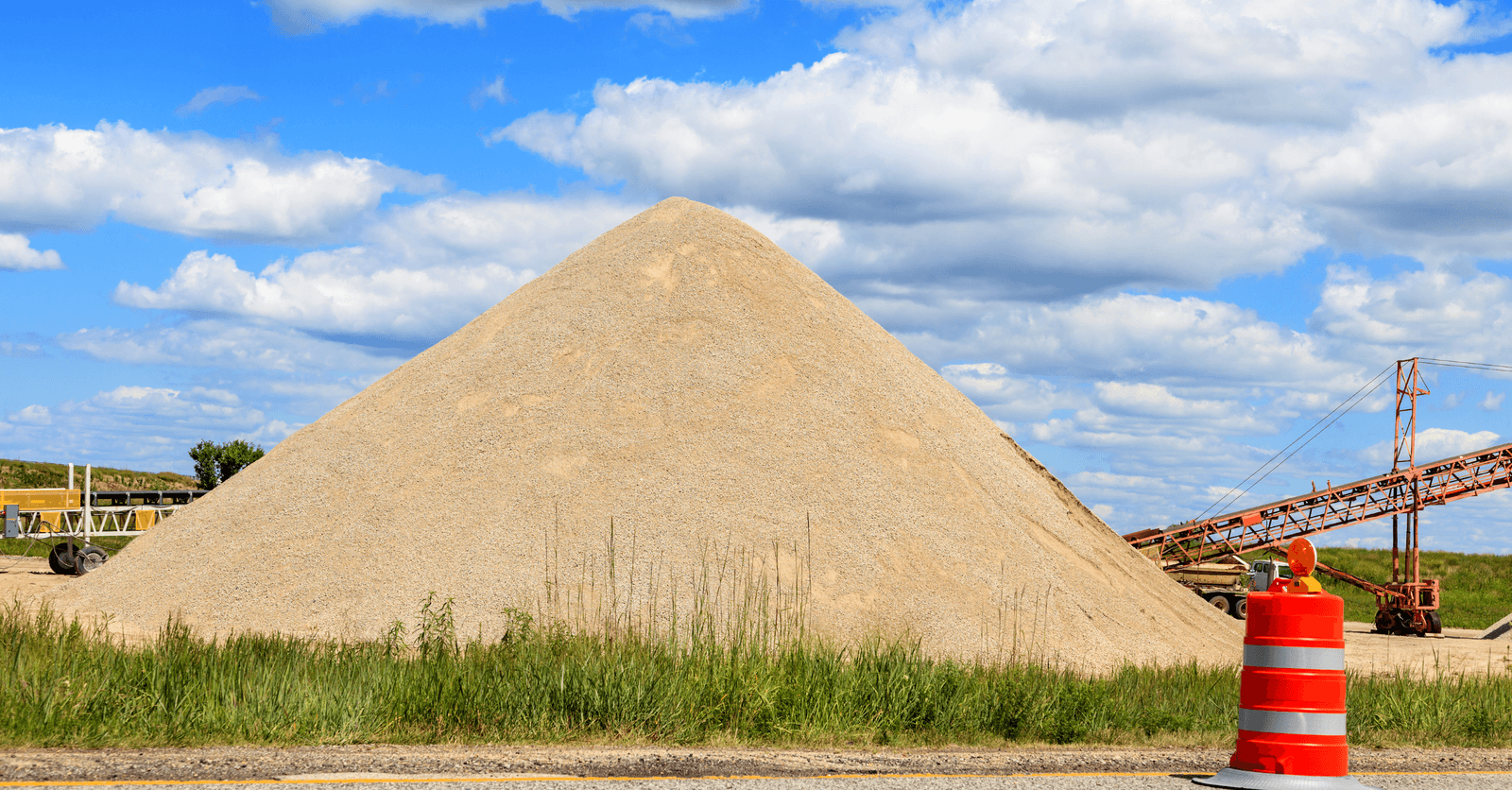
Salvaging concrete waste is a process that’s relatively simple and done in 3 basic steps:
1st step: Sorting
The first step, prior to recycling concrete, is to proceed by sorting the concrete waste to separate it from other materials. This is done with a special type of sifter found in a wheel loader’s bucket to sort concrete residue from other waste materials (pieces of wood, metal bars, or plastic films).
Note: Sorting materials is a crucial step in concrete recycling. It’s done on two levels: first during the deconstruction of infrastructures, then when the resulting residue is sorted in crushing plants.
2nd step: Crushing
After the residue is sorted, next comes the recycling stage, which is the crushing part of it. The materials are first lightly ground with a hydraulic chisel. Then, the pieces are reduced to smaller fragments in a crusher, to obtain a grain size of 60 millimetres. Next up is the screening step, which consists of sorting the ground materials based on their grain size.
3rd step: Dusting
Lastly, the dusting phase is typically done by wet processing. And there you have, ready-to-use recycled concrete.
Using Recycled Aggregates or Crushed Concrete
Source: Canva
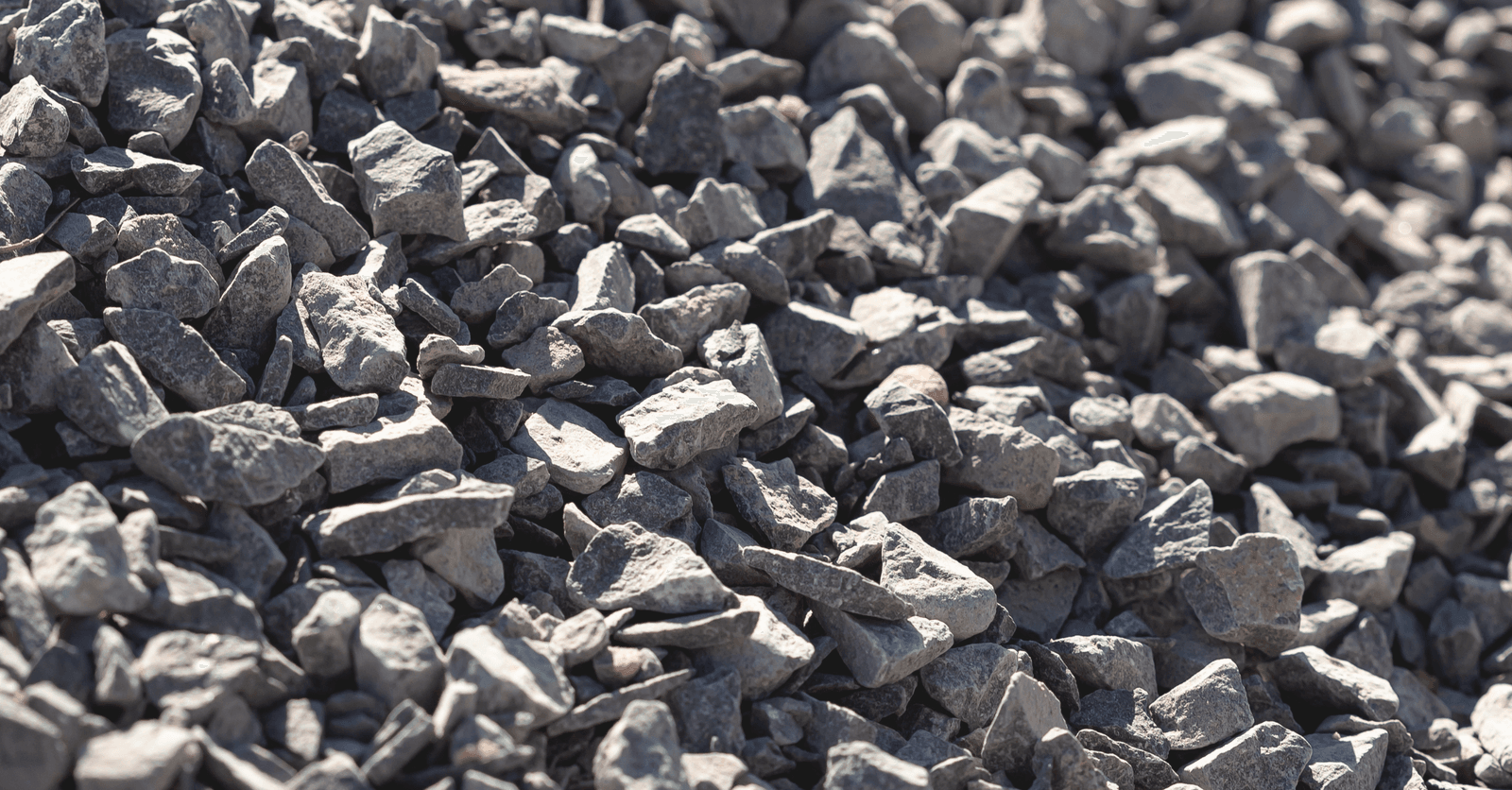
Recycled concrete can be used for many different purposes in the construction industry. In fact, it can be used to:
build roadway foundations;
build sidewalks;
backfill pipe trenches;
manufacture recycled concrete aggregates;
make landscaping construction materials;
rubblize concrete, which consists of converting old concrete to make a base course;
manufacture pavers, pots, benches, etc.
Recycled concrete can help minimize rainwater runoff.
What Are the Advantages of Recycled Concrete?
Even though recycled concrete is an uncommon practice in Canada, criticized by some, it’s still an alternative to disposing of it in landfills, and it has numerous benefits:
Reduces the use of natural resources (concrete) by close to 30%: This is a massive advantage when recognizing that enormous amounts of aggregates are used every year.
Preserve the environment: Reduces mineral waste, mining, and industrial activities linked to the manufacturing of traditional concrete.
Reduces transportation costs: Concrete recycling centres are usually located in urban areas near construction zones.
Significant time-saver: Recycled concrete can be made and used rather quickly, which significantly reduces construction timelines.
How to Standardize the Use of Recycled Concrete
Recycled concrete is a material with beneficial properties for the construction industry, but it remains relatively underutilized due to preconceptions. To standardize and further promote its use, the Province of Quebec could consider implementing regulations that mandate the use of concrete made from salvaged aggregates for constructing public buildings, similar to practices in other countries such as Switzerland.
Get new contracts for your construction or renovation company
RenoQuotes.com can help you get new contracts. We receive new project proposals from clients seeking top-rated and trustworthy renovation professionals like yourself. To get started, simply fill in the form on our homepage (it only takes a few minutes) and receive information regarding potential clients by way of our services.
Dial 1-844 828-1588 to speak with one of our customer service representatives.
Looking for something else?
Related articles
The latest industry news, interviews, technologies, and resources.

Cynthia Pigeon
•08 Jul 2026
As part of a high-end kitchen renovation, the choice of materials defines not only the architectural style of your space but also the long-term value of your property. While traditional surfaces such as laminate or ceramic are increasingly giving way to noble materials, poured concrete has become a preferred choice among designers and bold homeowners in Quebec. Valued for its mineral look, raw appearance, and sculptural malleability, it makes it possible to create unique pieces that cannot be replicated with natural quarry stone.
Cynthia Pigeon
•24 Sep 2026
Owning a duplex or triplex in Canada, whether in Toronto, Montréal, Vancouver, Calgary, or Halifax, can be a valuable real estate investment. Many of these residential rental properties were built decades ago. Over time, harsh Canadian winters, repeated freeze-thaw cycles, moisture exposure, and aging construction materials can create significant renovation needs, particularly when a building has not been properly maintained.
Cynthia Pigeon
•08 Nov 2023
Being able to enjoy a cozy basement free of cold floors is probably something you have been dreaming of. If not, should you happen to have an unfinished basement, the possibility of converting this area into a livable space is probably at the forefront of your mind.
Editorial Team
•20 May 2026
When you live in a region where the winters are long and harsh like they are in Quebec, it’s paramount to choose a heating system that’s not only reliable and efficient but also cost-effective.
Editorial Team
•11 May 2026
Are you dreaming of sun-filled summer days? What better than a jaw-dropping outdoor kitchen to make the most of it? But first, how does one go about getting such a large-scale project off the ground? Well, the answer couldn’t be simpler: by following a few paramount tips!