Net-Zero Home Renovation Cost in Canada (2026): Budget, Rebates and ROI
By Cynthia Pigeon
Updated on July 31, 2026
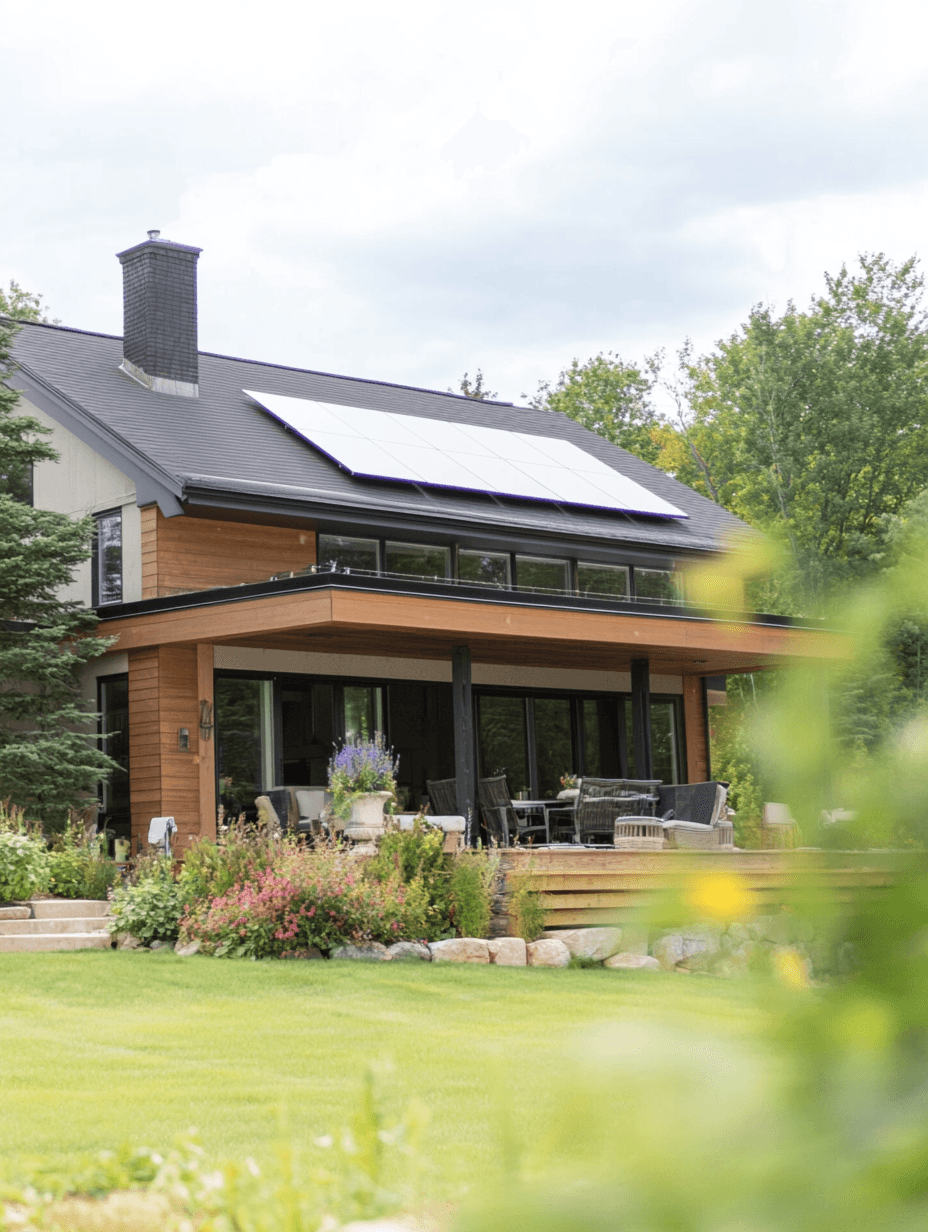
In 2026, the cost of a major energy-efficient renovation to reach a net-zero standard in Canada typically ranges from $100,000 to $200,000 for an existing single-family home. This large-scale project aims to reduce a home’s energy consumption to the point where it produces as much energy as it uses annually. The investment generally includes high-performance insulation, triple-pane windows, a high-efficiency heat pump, and solar panel installation, often supported by federal and provincial incentives.
How Much Does a Net-Zero Home Retrofit Cost in Canada in 2026?
Source: RenoQuotes
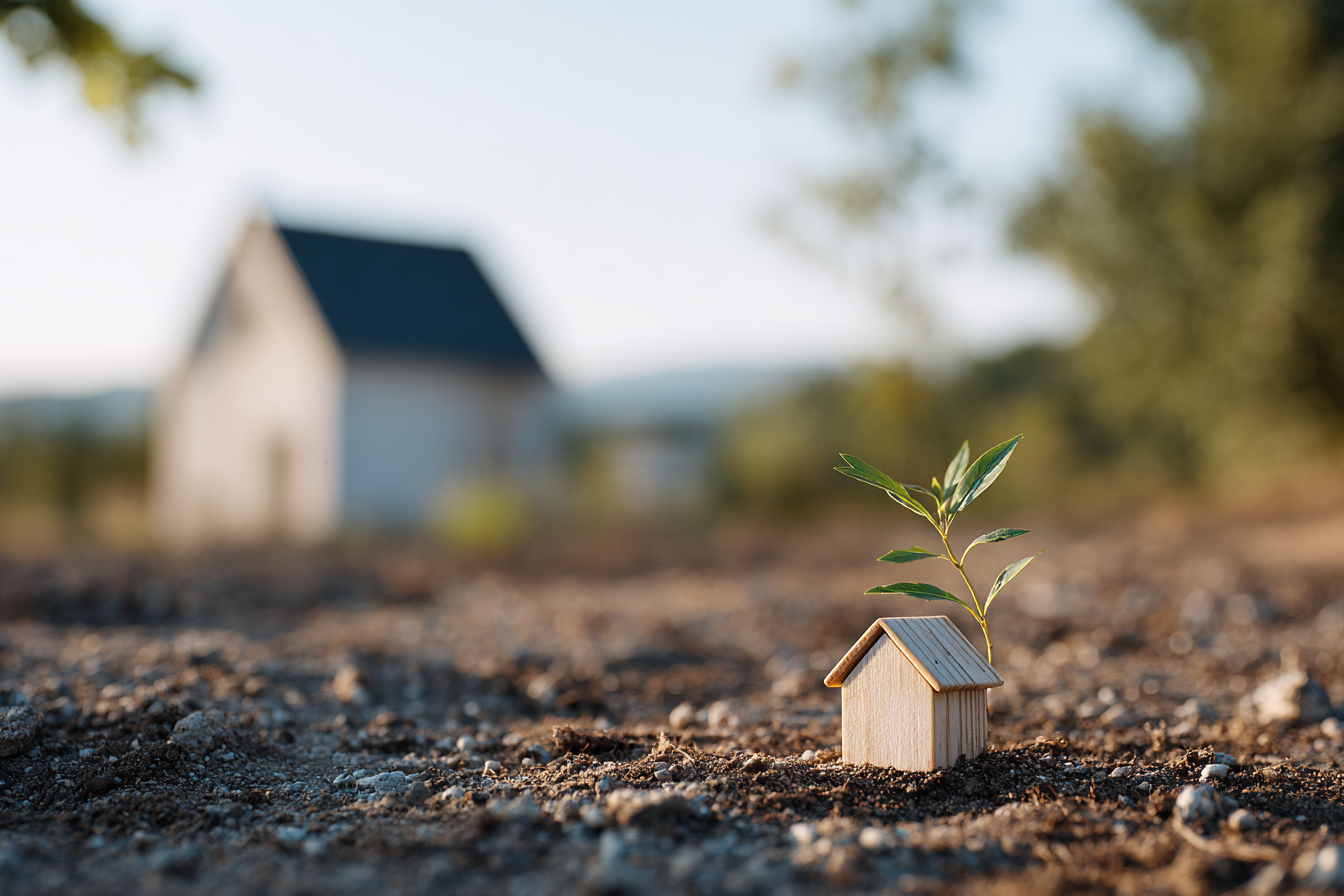
Achieving a net-zero home standard with an existing property is one of the most advanced forms of sustainable construction in Canada today. Beyond the obvious environmental benefits, it has evolved into a highly intelligent financial strategy as energy costs continue to climb across every province.
Transforming a drafty home built in the 1960s or 1980s into a carbon-neutral property can virtually eliminate your net energy consumption costs while drastically improving the building's structural durability against extreme weather. In 2026, a certified Net-Zero retrofit can drive your property's resale value up by 15% to 25% while delivering an unparalleled level of daily thermal comfort.
Understanding Deep Energy Retrofits
Unlike cosmetic renovations that only patch up appearances, a deep energy retrofit targets the root cause of energy loss: the building envelope. The ultimate goal is to wrap the home like a high-performance thermos, making it so airtight and well-insulated that its heating and cooling demands drop to a mere fraction of what they used to be.
Doing this successfully requires looking at the home as a single, unified system. A proper DER completely rethinks how air, moisture, and heat flow through the structure. By prioritizing the envelope first, contractors can systematically eliminate thermal bridges—those structural weak points (like wood studs, rim joists, and old window frames) where heat easily bypasses insulation and escapes into the Canadian winter.
Budget Breakdown: Why $100,000 to $200,000?

Source: RenoQuotes
Reaching net-zero is not a simple upgrade—it’s a system-wide transformation. Here is a typical 2026 budget distribution for a bungalow-style home in Canada:
Building envelope and air sealing: $45,000 – $75,000
Triple-pane windows: $20,000 – $35,000
HVAC systems (heat pump + HRV): $15,000 – $25,000
Solar energy system (photovoltaic): $20,000 – $40,000
Energy audits and project management: $5,000 – $10,000
Government incentives can reduce total costs by $25,000 to $40,000, depending on the province and program eligibility.
The Core Components of a Net-Zero Home: Insulation, Glazing, and HRV
Source: Lexicon Design Build Corporation
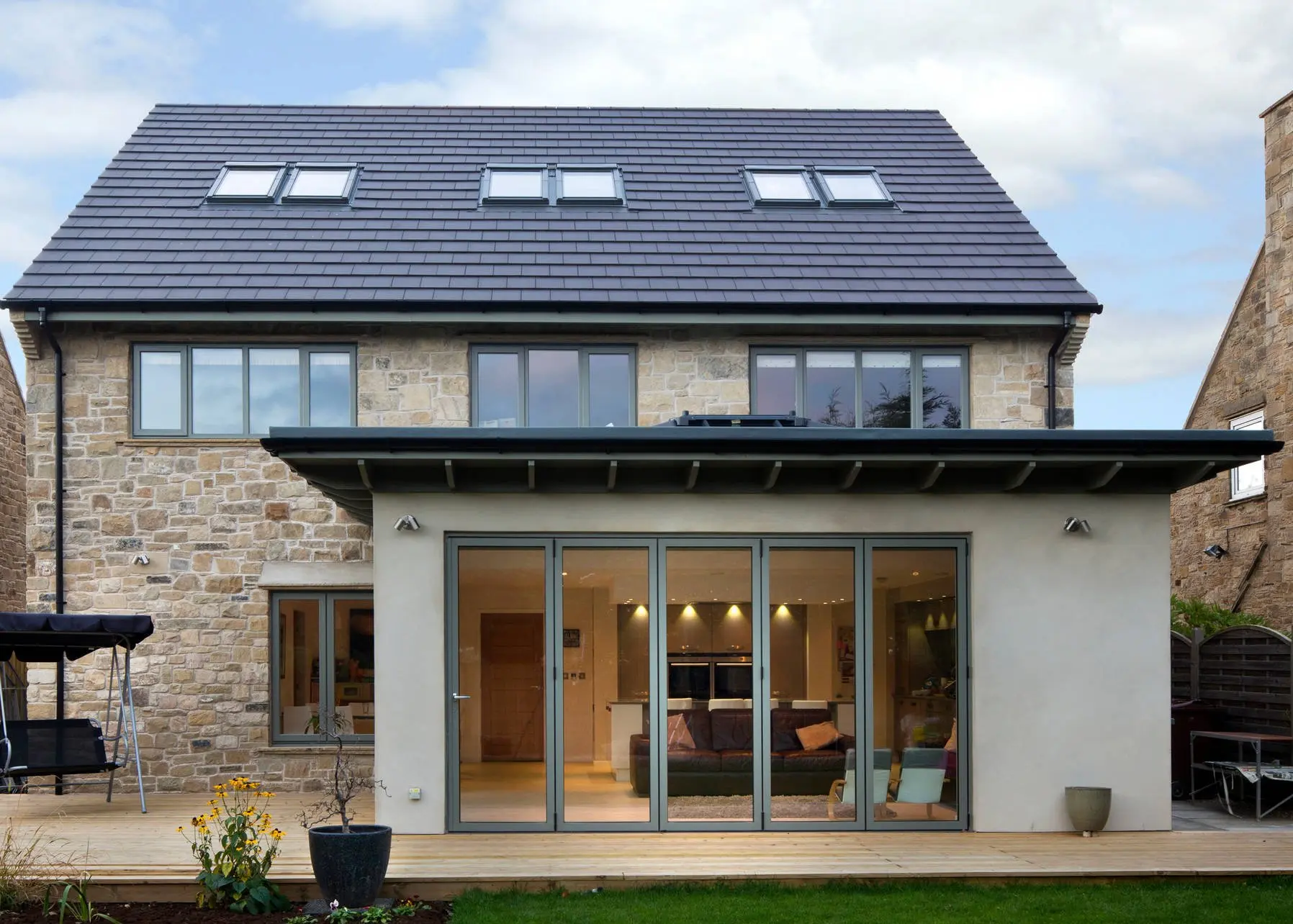
To meet net-zero standards in Canada, homes must achieve performance levels similar to Passive House (Passivhaus) benchmarks.
The Passive House (or passive home) is a high-performance building standard focused on achieving exceptional energy efficiency and superior indoor comfort. Through advanced insulation, airtight construction, and balanced mechanical ventilation, it significantly reduces the need for heating and cooling—even in Canada’s most demanding climates, from the cold winters of Quebec and Ontario to the temperature swings in Alberta and British Columbia.
High-Performance Insulation (R-60 and above)
Interior insulation upgrades are often insufficient. In many cases, exterior insulation systems are preferred, using materials like mineral wool or polyisocyanurate panels.
Target values: Bring wall insulation up to R-40 and the attic to R-60 for optimal efficiency.
Airtightness goal: Less than 1.5 air changes per hour (ACH) during blower door testing
ENERGY STAR Triple-Glazed Windows
Double glazing is no longer adequate for net-zero performance. Triple-pane windows with Low-E coatings and argon gas significantly reduce heat loss. Passive solar design is strategically optimized by maximizing south-facing windows to capture natural heat during winter, while integrating high-performance shading systems to reduce overheating and cooling costs in summer.
High-Efficiency Heat Pumps and HRVs
Source: Gestion GP Construction Inc
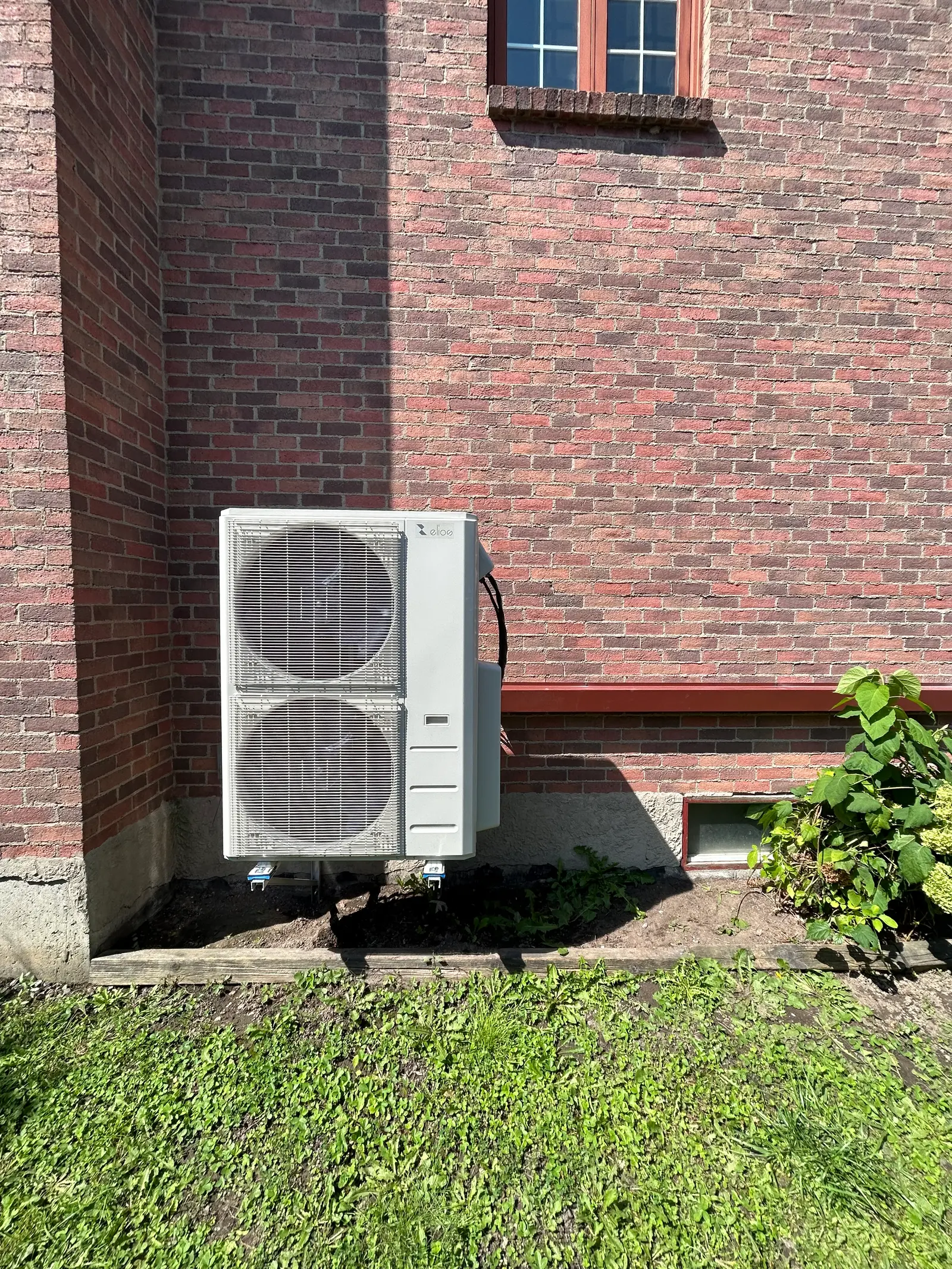
In most cases, heating systems are fully electric. Modern cold-climate heat pumps operate efficiently even at -30 °C, making them suitable across Canada. When paired with a high-efficiency heat recovery ventilator (HRV) (over 80% recovery efficiency), they maintain indoor air quality without energy waste.
Solar Panels: The Final Step Toward Net-Zero
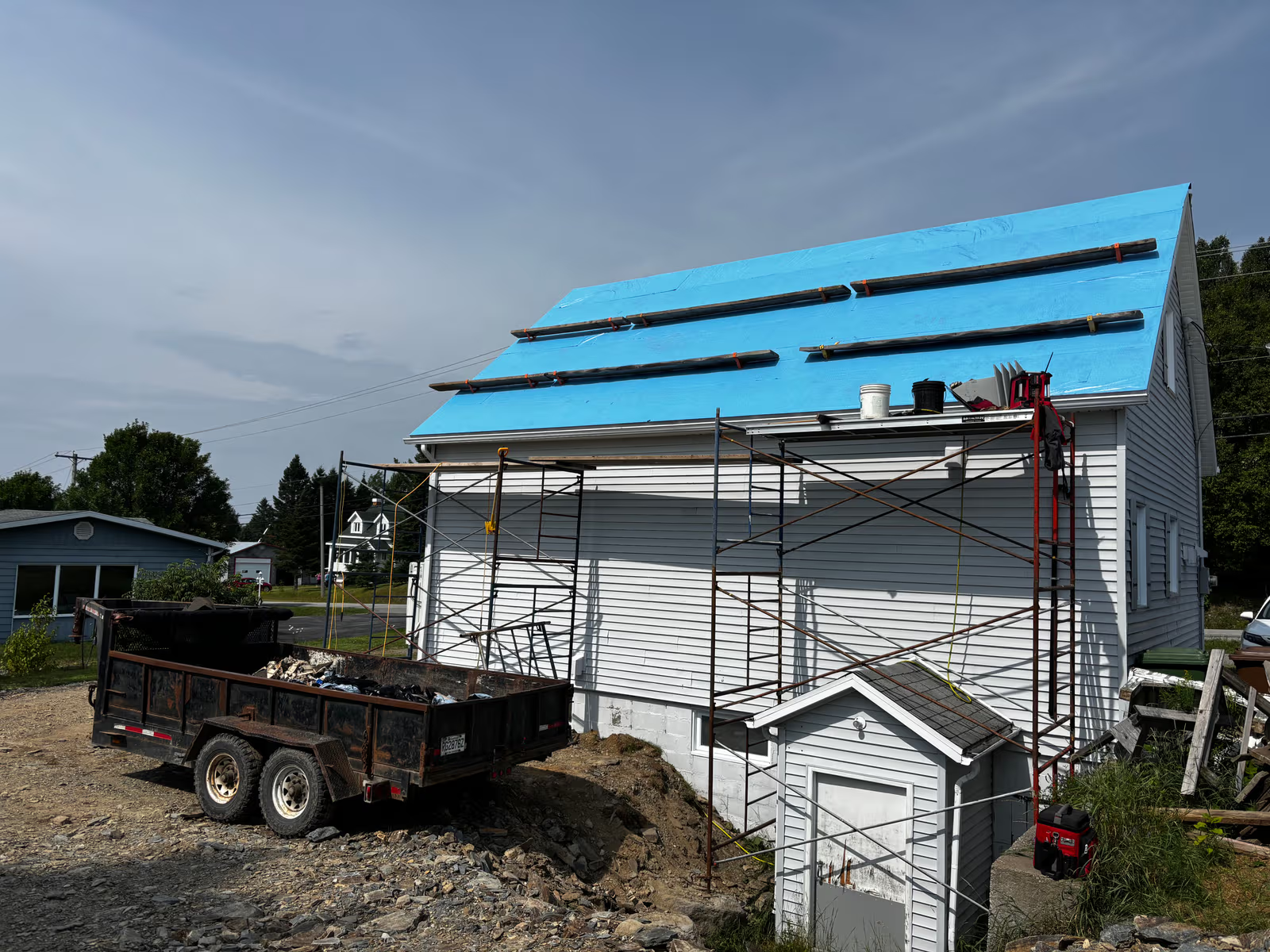
Source: Menuiserie Signature DM
Once energy consumption is minimized, solar panels generate the remaining required energy.
Typical cost (10 kW system): $25,000 – $35,000, installed.
Net metering programs: Available across most provinces, allow homeowners to send excess energy to the grid and receive credits.
Incentives and Rebates in Canada (2026)

Source: RenoQuotes
Across Canada, various programs support energy-efficient renovations:
Provincial programs (e.g., Efficiency Nova Scotia, Save on Energy Ontario, CleanBC, etc.)
Utility rebates for heat pumps, insulation, and energy audits
These programs aim to reduce energy demand and help homeowners transition toward more efficient homes.
ROI: Energy Savings and Property Value
The return on investment for a net-zero renovation should be evaluated over 15 to 20 years.
Direct savings: Elimination of energy bills (approx. $2,500–$4,000/year depending on region).
Property value: Net-zero or “net-zero ready” homes are increasingly desirable in Canada.
Resilience: Highly insulated homes retain heat for days during power outages.
To begin this transition, the first step is to have an energy assessment carried out by a certified advisor. You can then request quotes from contractors specializing in energy efficiency to obtain an accurate estimate tailored to your property.
Net-Zero Renovation: A Strategic Investment for the Future
A net-zero renovation requires a significant upfront investment, but it dramatically reduces energy costs while improving comfort and long-term property value. With rising energy prices and increasing climate pressures across Canada, this type of project is becoming a forward-thinking strategy rather than a niche upgrade. Success depends on careful planning, proper energy assessments, and working with experienced professionals. A structured approach ensures your investment delivers maximum performance, durability, and long-term value.
Looking for something else?
Related articles
The latest industry news, interviews, technologies, and resources.

Editorial Team
•08 Nov 2023
In Montréal alone, it’s estimated that approximately 300,000 residents are affected by a high level of lead in their water, in particular, due to the pipe connecting their home to the city’s water system. In 2007, the City of Montréal, therefore, committed to changing all of its lead water pipes in the public sector, totalling around 48,000 by 2030, recently investing about $557 million to accelerate the project.
Editorial Team
•10 Jan 2024
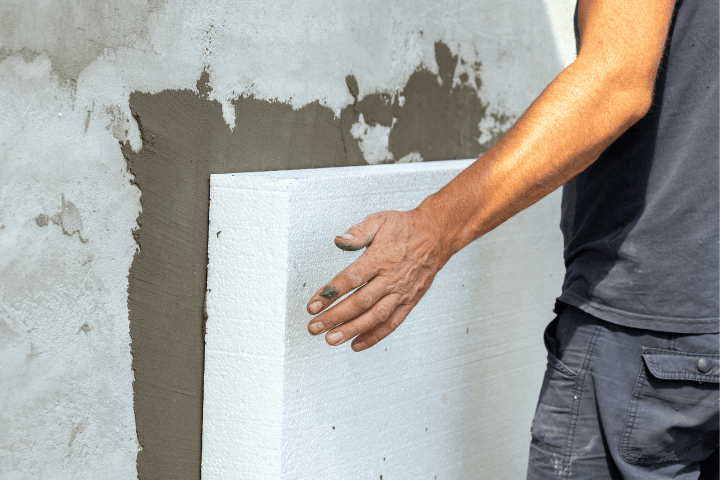
Extruded polystyrene boards are probably your best bet in terms of home insulation material. Such insulation boasts exceptional characteristics at an affordable price point.
Cynthia Pigeon
•29 Sep 2026
How much does a turnkey basement renovation cost in Montréal in 2026? Depending on the level of finishing, expect to pay $60 to $ 125+ per square foot. For a 1,000-square-foot basement, a complete renovation with standard finishes can cost between $65,000 and $95,000. Explore renovation costs based on square footage, the work involved, and the unique characteristics of Montreal homes and multiplexes.
Editorial Team
•08 Nov 2023
A condo renovation is a serious undertaking; it involves plenty of steps including careful preparation and planning. Since you’re dealing with a tight space, likely sandwiched in between neighbours, any renovation in your condo will need to take others into consideration.
Christine Simard
•08 Nov 2023
When we talk about retro, the subject can be vast. The term mainly represents modern trends influenced from past eras, whether it be in fashion, interior design, graphic design, etc.