Guide to Net-Zero Home Renovation in Quebec: Aiming for Absolute Performance
By Cynthia Pigeon
Updated on July 3, 2026
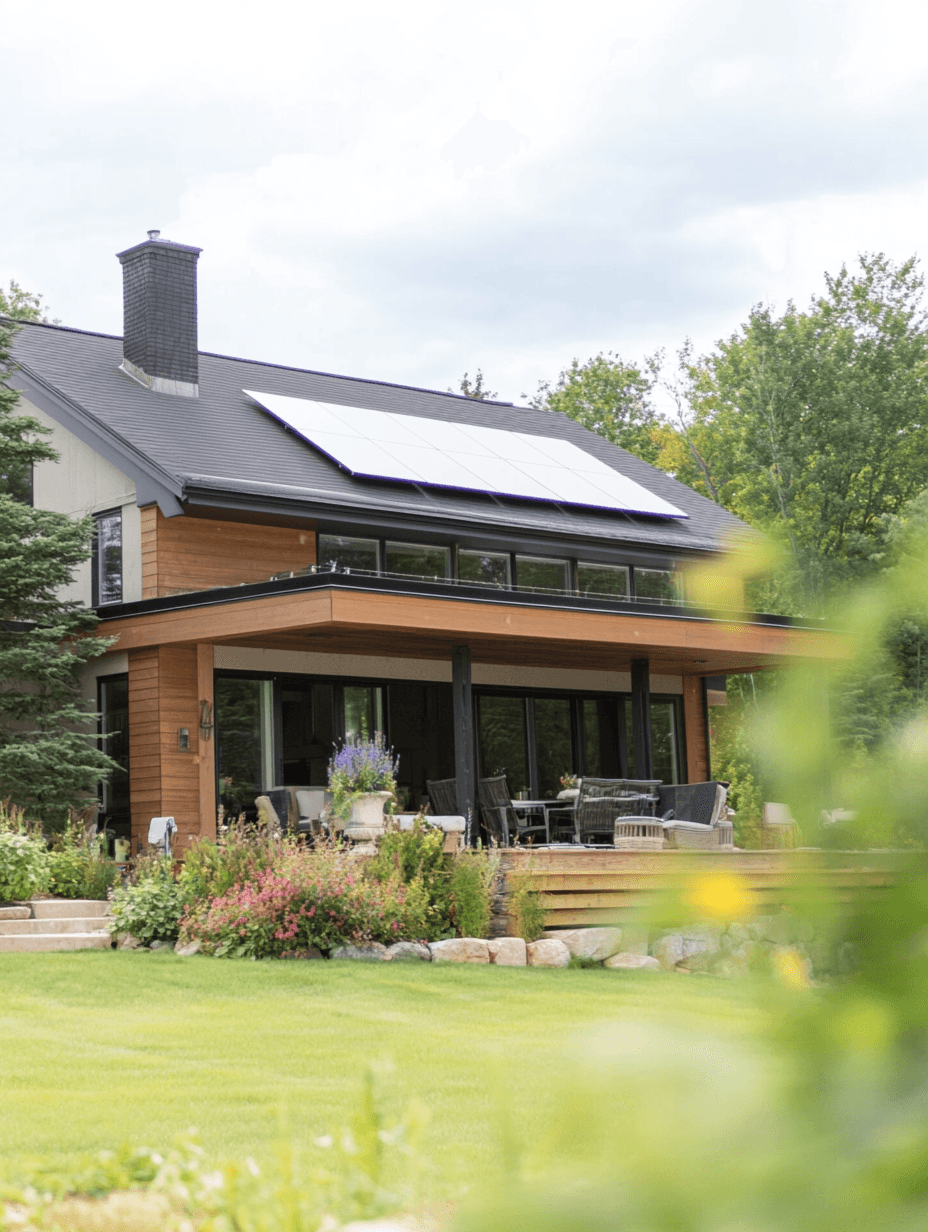
The concept of a net-zero home has become an important benchmark in energy-efficient housing. For owners of single-family homes in Quebec, undertaking a high-performance energy retrofit is no longer just a green ideal; it is a strategic decision for long-term property value. The goal is clear: to transform an energy-hungry house into a home with a zero or very low annual energy balance, often connected to the grid, capable of producing as much energy as it consumes over the course of a year.
Achieving this kind of transition in Quebec comes with unique technical challenges. Our climate is marked by sharp temperature swings, ranging from harsh -30 °C winters to hot, humid +30 °C summers. Generic renovation approaches designed for milder climates may be poorly suited to Quebec’s freeze-thaw cycles. This guide outlines the roadmap for planning a no-compromise net-zero renovation, drawing on advanced building systems and the major financial incentives available this year.
What Is a Net-Zero Renovation in Quebec’s Climate?
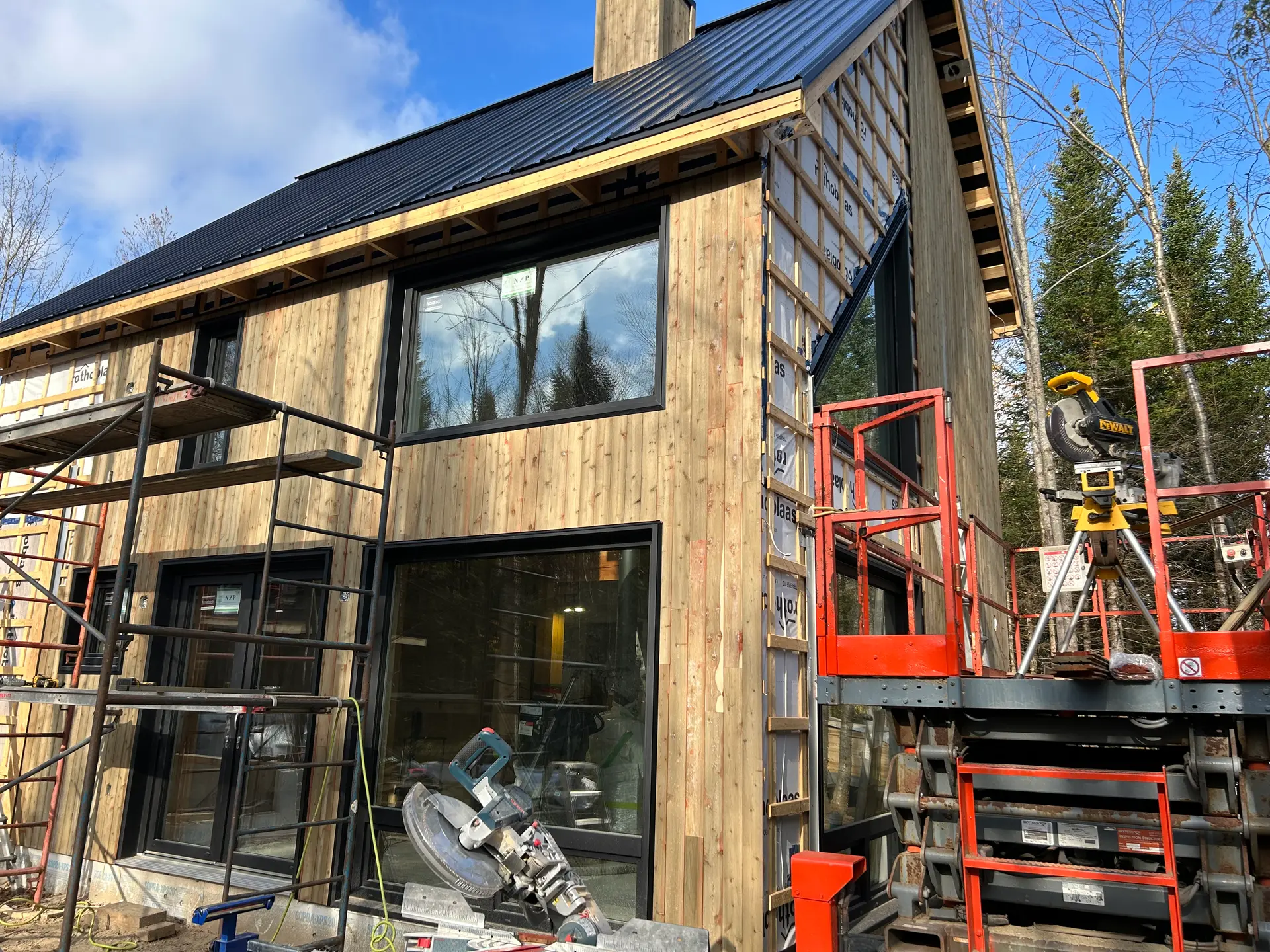
Source: Construction Yannick Gosselin Inc
The concept of a net-zero energy building is based on a simple but rigorous principle. The total energy consumed by the home for heating, cooling, ventilation, lighting and household appliances must be less than or equal to the renewable energy produced directly on site.
To achieve this balance in Quebec, it is strongly recommended not to skip steps, because a net-zero renovation generally requires reducing energy demand before adding solar production. Trying to make a home net-zero simply by installing a large number of solar panels on the roof without improving the structure of the home is a costly mistake. The required photovoltaic system may be much more expensive and harder to size properly. A true net-zero approach starts with a drastic reduction in the property’s energy demand. Only once consumption has been reduced as much as possible does energy production infrastructure become cost-effective and properly proportioned.
The Importance of the Building Envelope During Extreme Colds
In Quebec, residential heating represents, on average, more than 60% of the energy consumption of a single-family home. To reduce this load, the building envelope must be redesigned as a highly airtight thermal barrier. The main weakness of homes built in previous decades is the presence of thermal bridges. A thermal bridge is an area of the envelope with lower thermal resistance, allowing heat to escape quickly to the outside, such as the junctions between walls and foundations or the wood studs in a standard frame wall.
To eliminate these conductive leaks, high-performance renovation prioritizes the addition of continuous exterior insulation, wrapping the home like a thermal blanket. By reducing thermal bridges, the temperature of interior wall surfaces is stabilized, which eliminates the cold-wall effect and significantly improves occupant comfort while protecting the structure from interstitial condensation and mould.
4-Step Action Plan for a Net-Zero Home
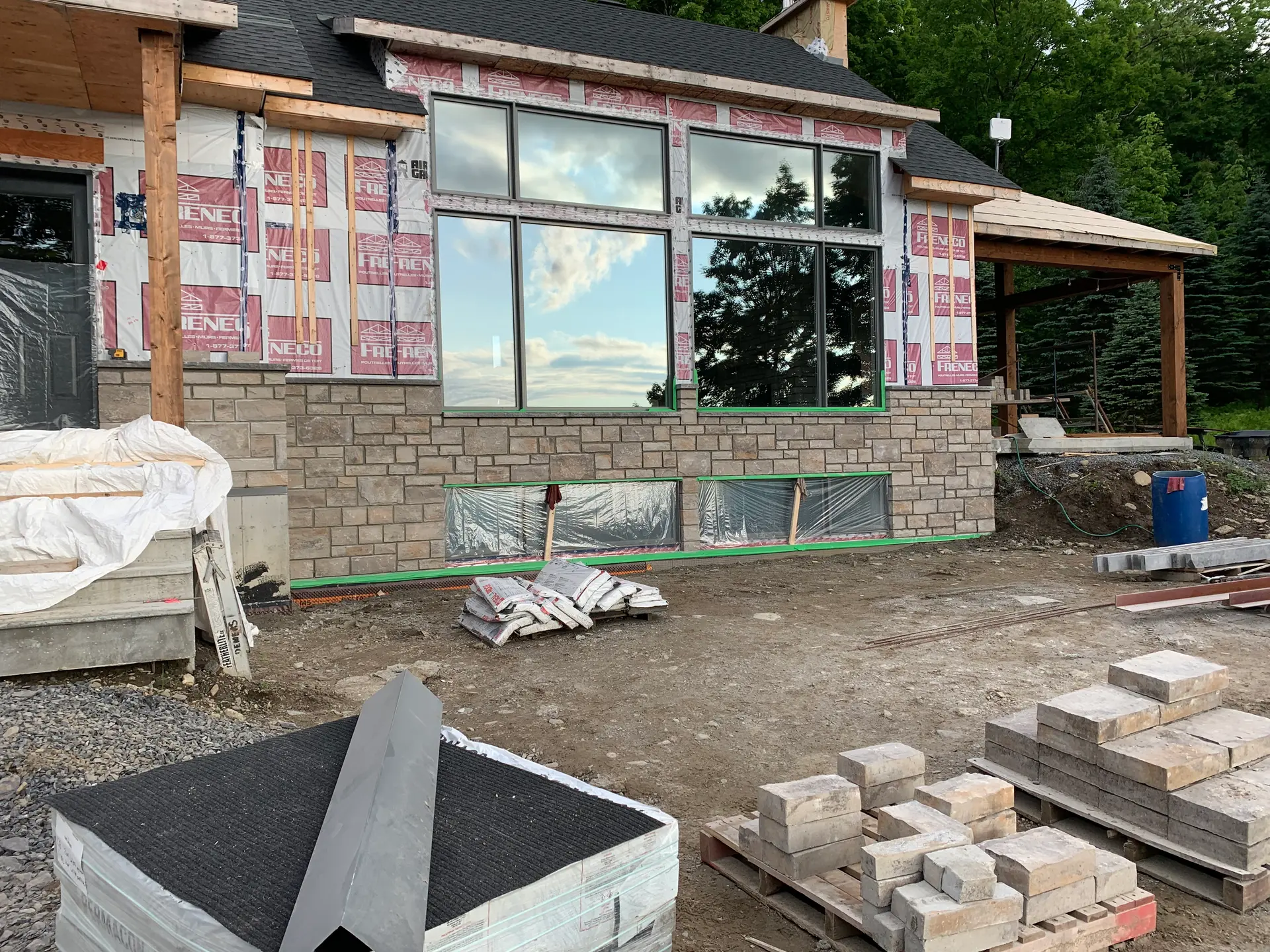
Source: Maçonnerie Saint-Agapit inc.
Transforming an existing property into a net-zero home follows a logical and ordered sequence. Each step prepares the way for the next, ensuring system optimization and preventing unnecessary oversizing of mechanical equipment.
1. The Initial Energy Assessment and Blower Door Test
Before shopping for materials or requesting a first quote from a contractor, the project should begin with a full scientific diagnosis. The first step is to schedule a residential energy assessment with an accredited advisor. This assessment models the home’s current energy consumption and identifies the measures that offer the best energy return on investment.
The central element of this assessment is the blower door test. Using a powerful fan temporarily installed in the main doorway, the technician pressurizes or depressurizes the home to a pressure difference of 50 pascals (Pa). This test measures the air change rate per hour (ACH). While a typical Quebec home built in the 1980s often has an air leakage rate above 4.0 or 5.0 ACH at 50 Pa, the target for a high-performance net-zero renovation is below 1.5 ACH, or even 1.0 ACH for the most ambitious projects. Air leaks can be located using thermal cameras or smoke generators, helping identify weaknesses in the envelope around windows, electrical outlets and rim joists.
2. Superior Insulation and Envelope Airtightness
Once structural weaknesses have been mapped, envelope insulation work can begin. To reach net-zero standards in Quebec, the thermal resistance values of the envelope must significantly exceed the minimum requirements of the current Construction Code.
Construction professionals generally apply the following performance targets for the envelope:
Building Envelope Element | Minimum Benchmark or Performance Requirement | Net-Zero Renovation Target | Recommended Technologies |
Roof / Attic | R-41 | R-60 to R-80 | Thick blown-in cellulose with ventilated baffles |
Above-Grade Walls | R-24.5 effective | R-40+ | Closed-cell spray polyurethane foam + continuous exterior insulation panels |
Basement Walls | R-17 | R-24 to R-32 | Extruded polystyrene (XPS) or spray polyurethane foam applied directly to concrete |
Windows | ER rating | Triple glazing (Low-E) | ENERGY STAR Canada windows: maximum U-factor of 1.22 W/m²·K or minimum ER rating of 34 |
Airtightness is addressed at the same time by installing a high-quality air barrier membrane, carefully sealed with high-performance acrylic tapes at all architectural junctions. This airtightness prevents warm, humid indoor air from leaking into the walls in winter, helping prevent structural damage caused by freezing.
3. Building Systems: Cold-Climate Heat Pumps and ERVs
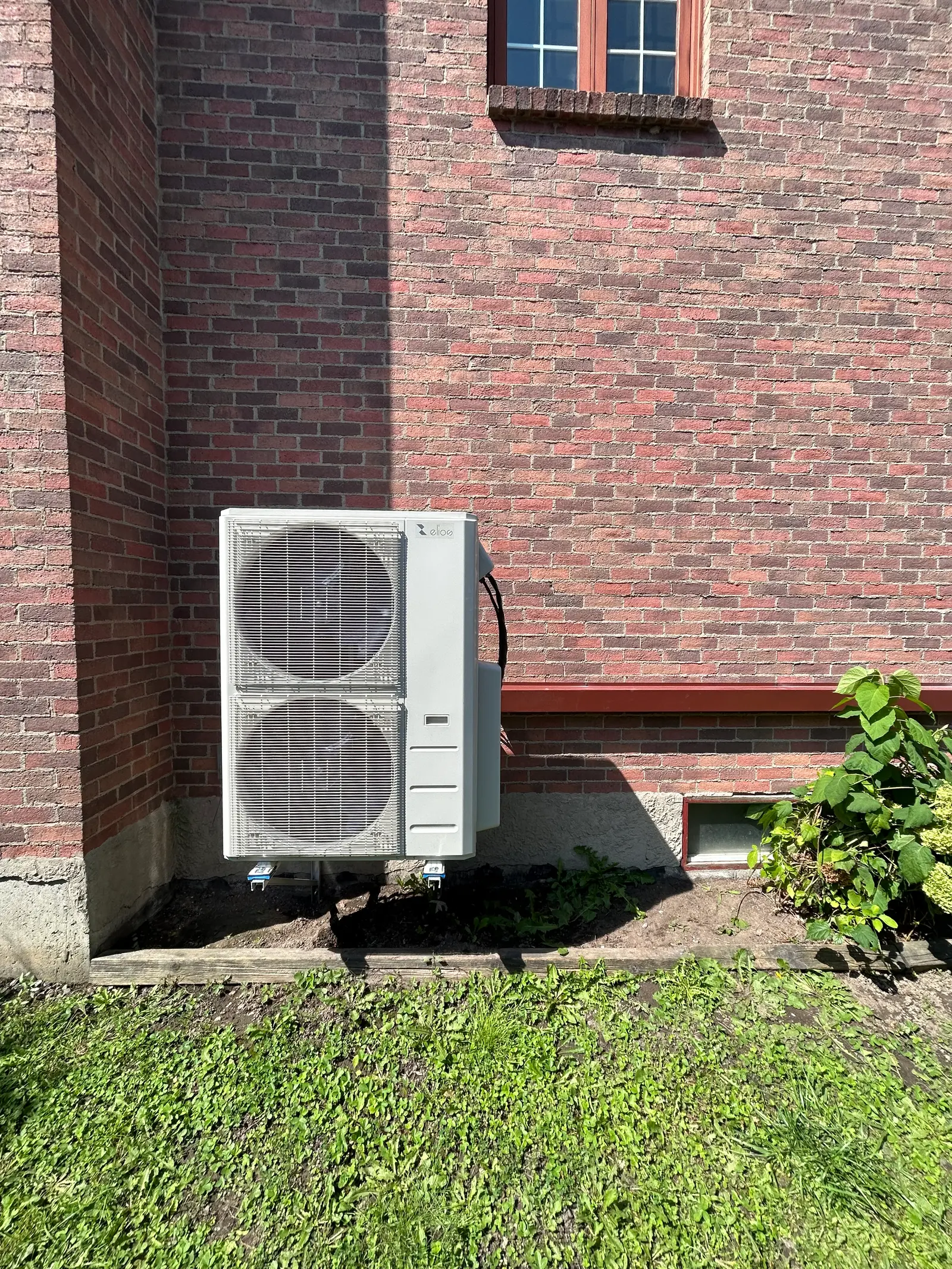
Source: Gestion GP Construction inc
With a high-performance, airtight thermal envelope, the home’s heating load drops dramatically. Electric baseboards are simple and efficient at converting electricity into heat, but they are less efficient than a heat pump, which moves heat rather than producing it only through resistance. Indoor climate control is handled by high-precision building systems.
Cold-climate heat pump: Unlike standard models that lose efficiency once temperatures fall below -10 °C, new-generation cold-climate heat pumps maintain a high coefficient of performance (COP) even at extreme temperatures of -20 °C to -25 °C. For financial assistance, the unit must meet the criteria of the applicable program, such as ENERGY STAR or Hydro-Québec’s eligible equipment list, depending on the case. For every kilowatt of electricity consumed, these systems can deliver 2 to 3 kilowatts of heat into the home, maximizing the building’s energy efficiency. You should work with qualified contractors who hold the required licences, including applicable RBQ licences, to ensure proper sizing and compliant installation.
Energy Recovery Ventilator (ERV): A highly airtight home requires continuous controlled mechanical ventilation to protect occupant health and indoor air quality. The ERV is the respiratory core of a net-zero home. It extracts stale air from humid rooms, such as the kitchen and bathrooms, and preheats incoming fresh air by recovering heat and humidity from the exhaust air through a high-efficiency exchange core, often above 80%. The ERV provides controlled air renewal while recovering part of the heat and humidity from the extracted air. When properly designed and balanced, it reduces the risk of cold drafts and limits humidity gains depending on conditions and the unit’s performance.
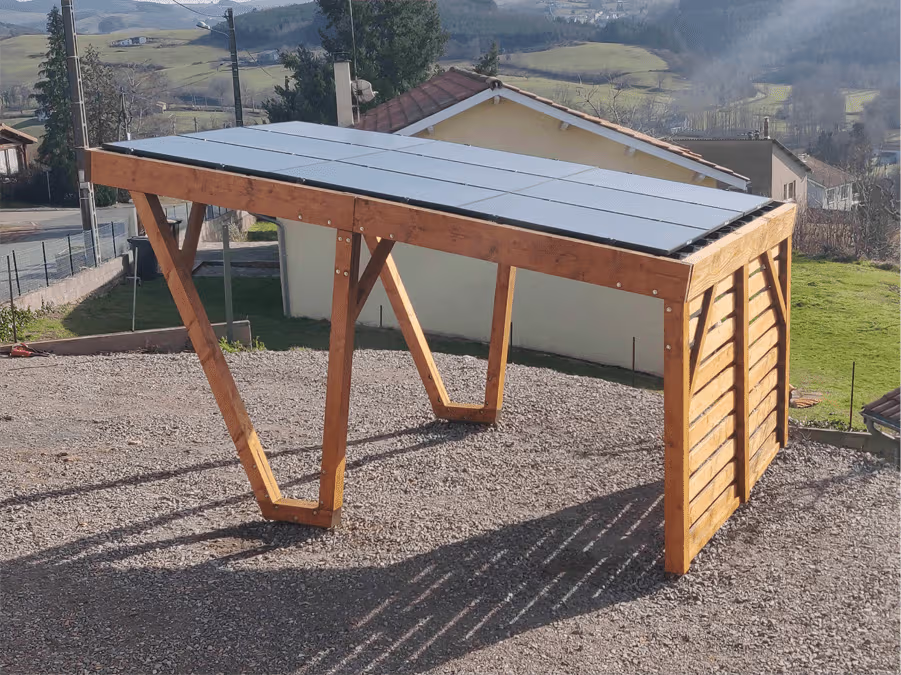
4. On-Site Energy Production with Photovoltaic Solar Panels
Source: Toiture Rénovation Québec-Lévis inc.
The fourth and final step is to offset the property’s remaining energy consumption. This is where installing photovoltaic solar panels makes sense. Thanks to the reduced consumption achieved in the previous steps, the available roof area is generally sufficient to accommodate the required number of modules.
In Quebec, expensive battery storage is not required to reach a net-zero balance. Hydro-Québec offers a particularly useful rate option: net metering. When your solar panels produce more electricity than the home consumes, especially during long sunny days in spring and summer, the surplus is injected directly into Hydro-Québec’s distribution grid. Surpluses are counted as credits in kWh. In winter or during stormy periods, when solar production is minimal, you consume electricity from the grid using the credits accumulated. Net metering allows you to offset part or all of your electricity consumption through kWh credits, depending on production, consumption and Hydro-Québec’s rules. Surpluses are accumulated in a credit bank, which is reset according to Hydro-Québec’s terms, notably every 24 months. To plan the optimal orientation and angle of your panels for Quebec sunlight, working with solar panel installation experts is essential to maximize annual output per square metre of roof area.
How to Maximize Rénoclimat and LogisVert Grants in 2026
In 2026, the Government of Quebec and Hydro-Québec are offering significant financial incentives to support the residential energy transition. The financial viability of the project depends in part on careful planning around the available assistance programs.
Here is a summary of the main grants and financing levers available for a net-zero performance project:
Assistance Program | Supported Measure | Available Amount | Key Condition |
LogisVert (Hydro-Québec) | Efficient heat pump | Up to $6,700 | The unit must meet the program’s criteria. |
LogisVert (Hydro-Québec) | Solar panels | $1,000/kW installed, up to 40% of eligible costs | The application must meet LogisVert conditions and include the required documents. |
Rénoclimat (Government of Quebec) | Airtightness | $400 to $800, depending on whether the air leakage target is met or exceeded | Energy assessment required before eligible work begins. |
Rénoclimat (Government of Quebec) | Insulation | Amounts vary by section; exterior walls range from $450 to $3,750 | Work must meet the targets and conditions stated in the assessment report. |
To maximize this assistance, administrative rigour is essential. To be eligible, you must obtain the Rénoclimat energy assessment before starting eligible work. The data collected during the initial blower door test will serve as the reference point for calculating grants after the work is completed.
By entrusting your project to energy-efficiency specialists who hold licences from the Régie du bâtiment du Québec (RBQ), you help ensure not only technical compliance with local climate requirements, but also the validity of your grant applications. A net-zero renovation is more than an advanced environmental choice; it is a durable investment that can reduce your property’s exposure to future energy price increases while offering exceptional thermal comfort, regardless of the severity of Quebec’s seasons.
Looking for something else?
Related articles
The latest industry news, interviews, technologies, and resources.
Editorial Team
•31 Mar 2025
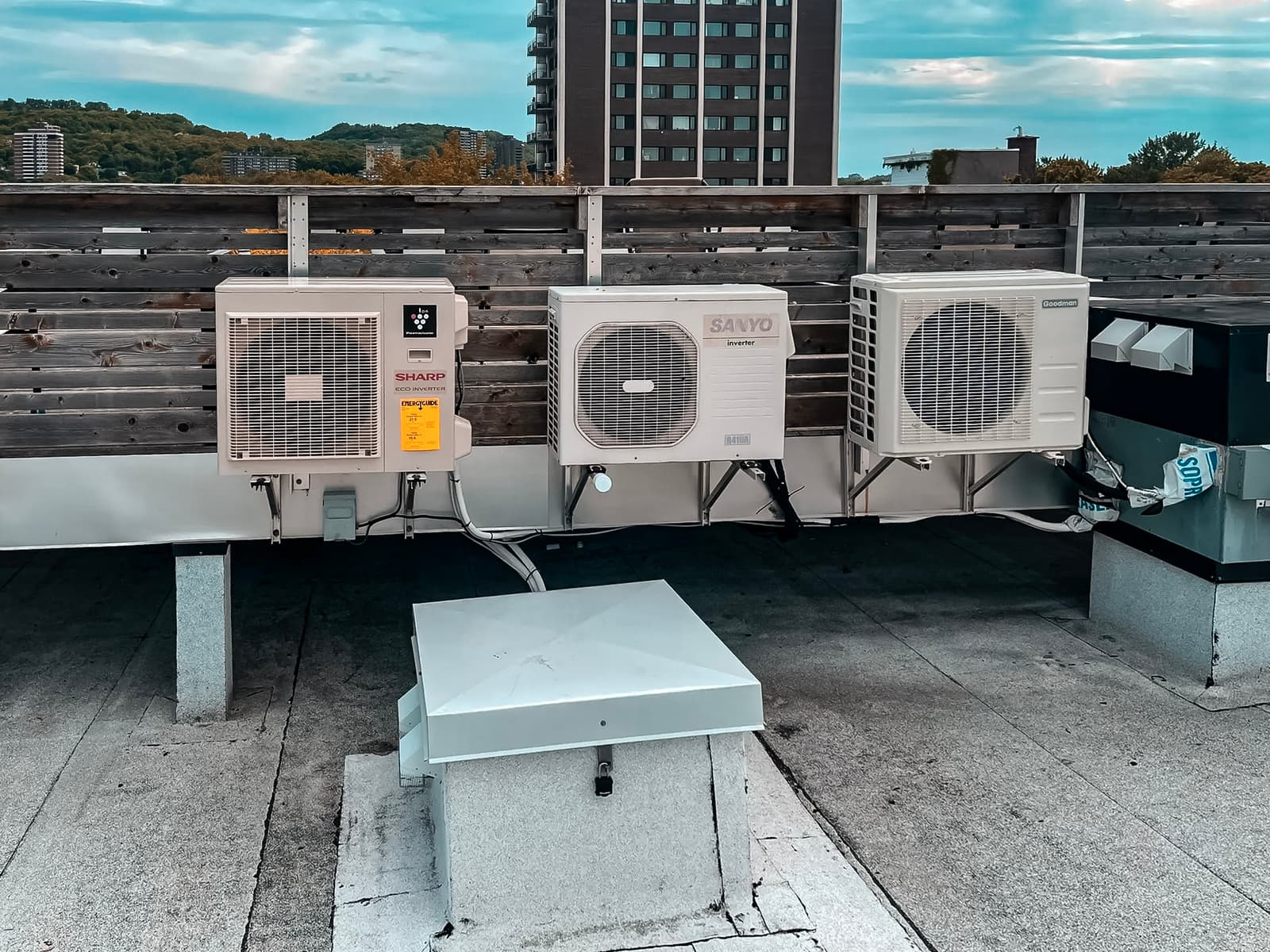
Are you a homeowner with an oil-fueled heating system? Note that replacing this type of heating system comes highly recommended. If it’s money that’s standing in your way, rest assured, there are financial assistance programs designed to help you achieve your goal.
Cynthia Pigeon
•18 Sep 2026
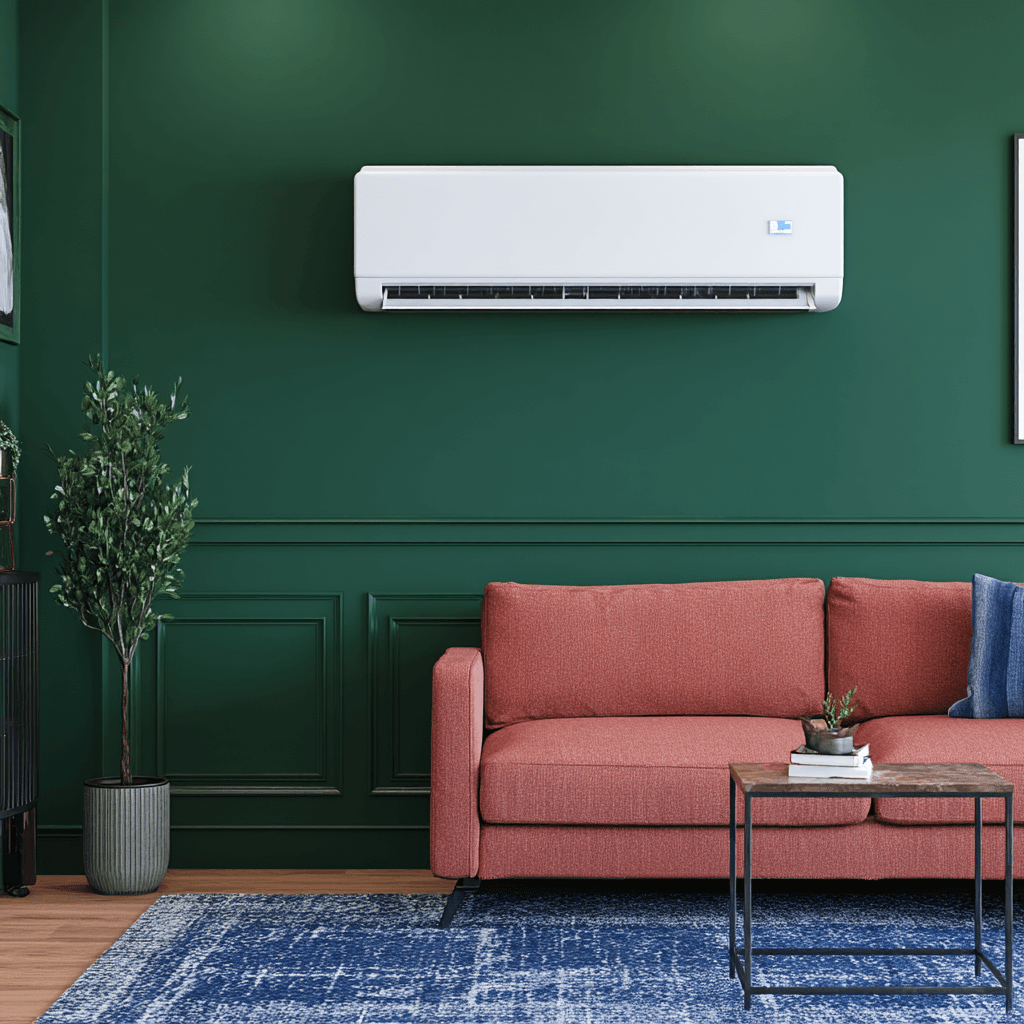
In 2026, installing a heat pump in Canada is more accessible than ever, thanks to robust local and provincial incentives. By leveraging provincial utility rebates and home retrofit grants—as well as federal programs for those converting from oil heating—homeowners can, in some cases, cover a significant portion of purchase and installation costs, often estimated between 30% and 50% depending on eligibility. For a high-performance central heat pump, these incentives represent meaningful savings. In addition, select regions offer rebates of up to $600 for the purchase and installation of a residential EV charging station.
Cynthia Pigeon
•11 Jun 2026
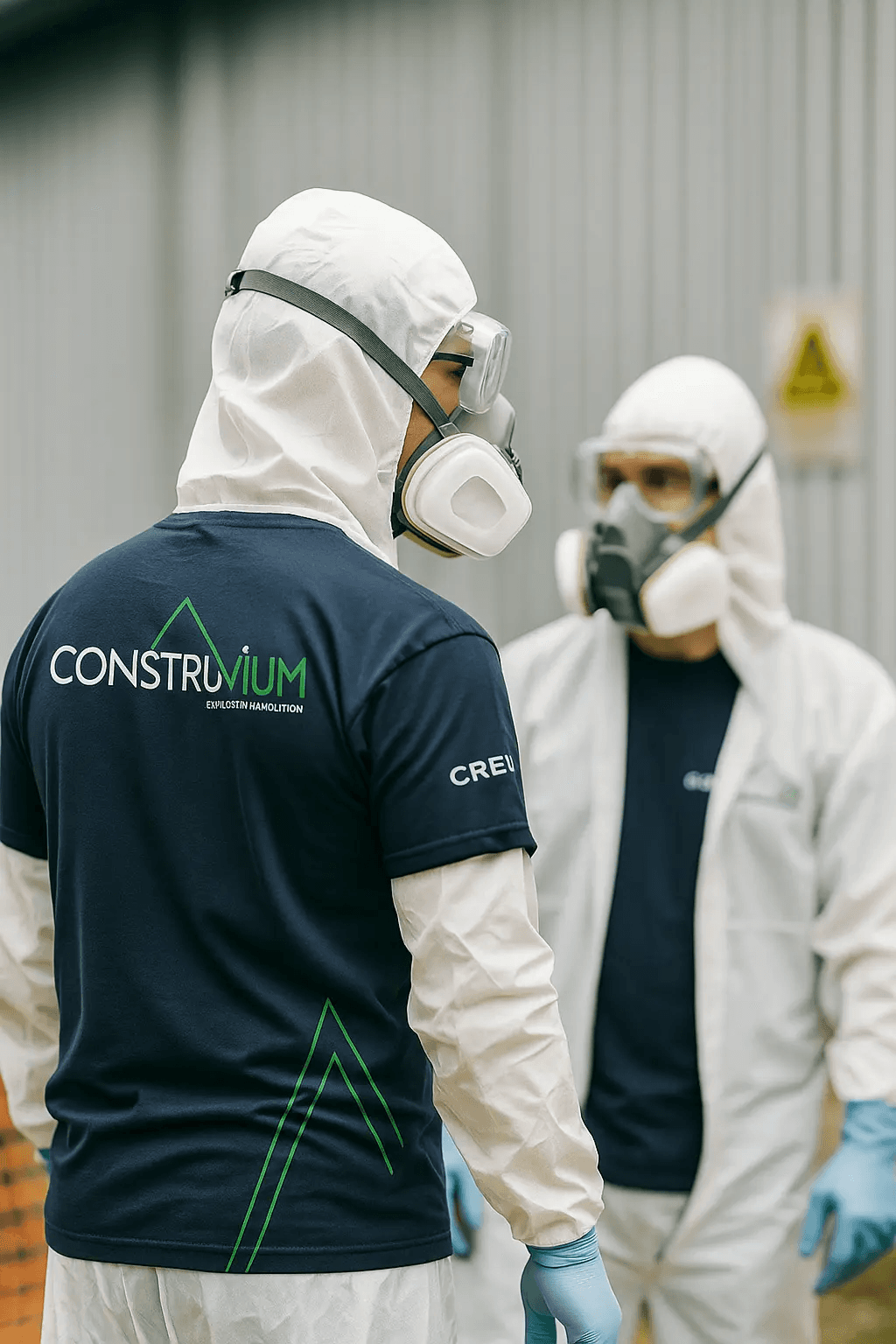
Discovering asbestos in a property naturally raises many questions, both in terms of health and finances. Whether you own a long-standing single-family home, are in the process of buying a property built before the 1990s, or manage a residential or commercial building in Quebec, accurately assessing asbestos removal costs is a crucial step.
Léa Plourde-Archer
•13 May 2024
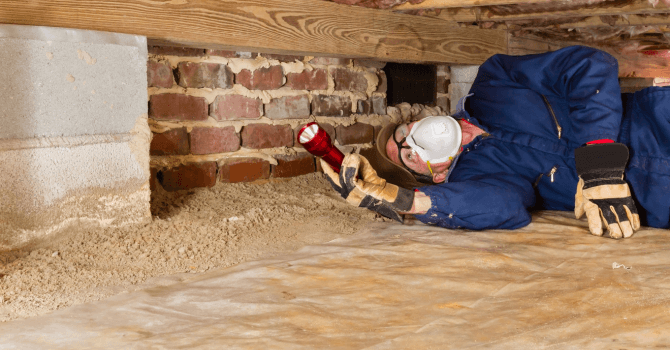
Is there a lot of clay in the soil around your house? Is the ground slanted or prone to earthwork? If your house doesn’t already have one, you might want to think about digging a crawlspace.
Cynthia Pigeon
•08 Nov 2023
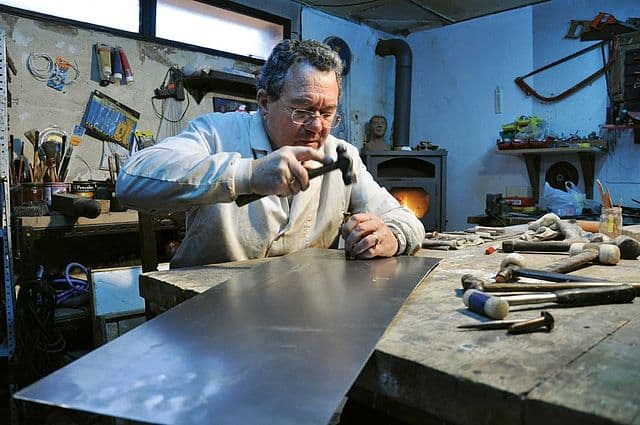
Although the sheet metal trade is largely unknown, it plays an important role in the construction industry and is currently facing a major labour shortage. But what exactly does this little-known trade entail?