Everything You Need to Know About Synthetic Insulation
By Editorial Team
Updated on September 13, 2024
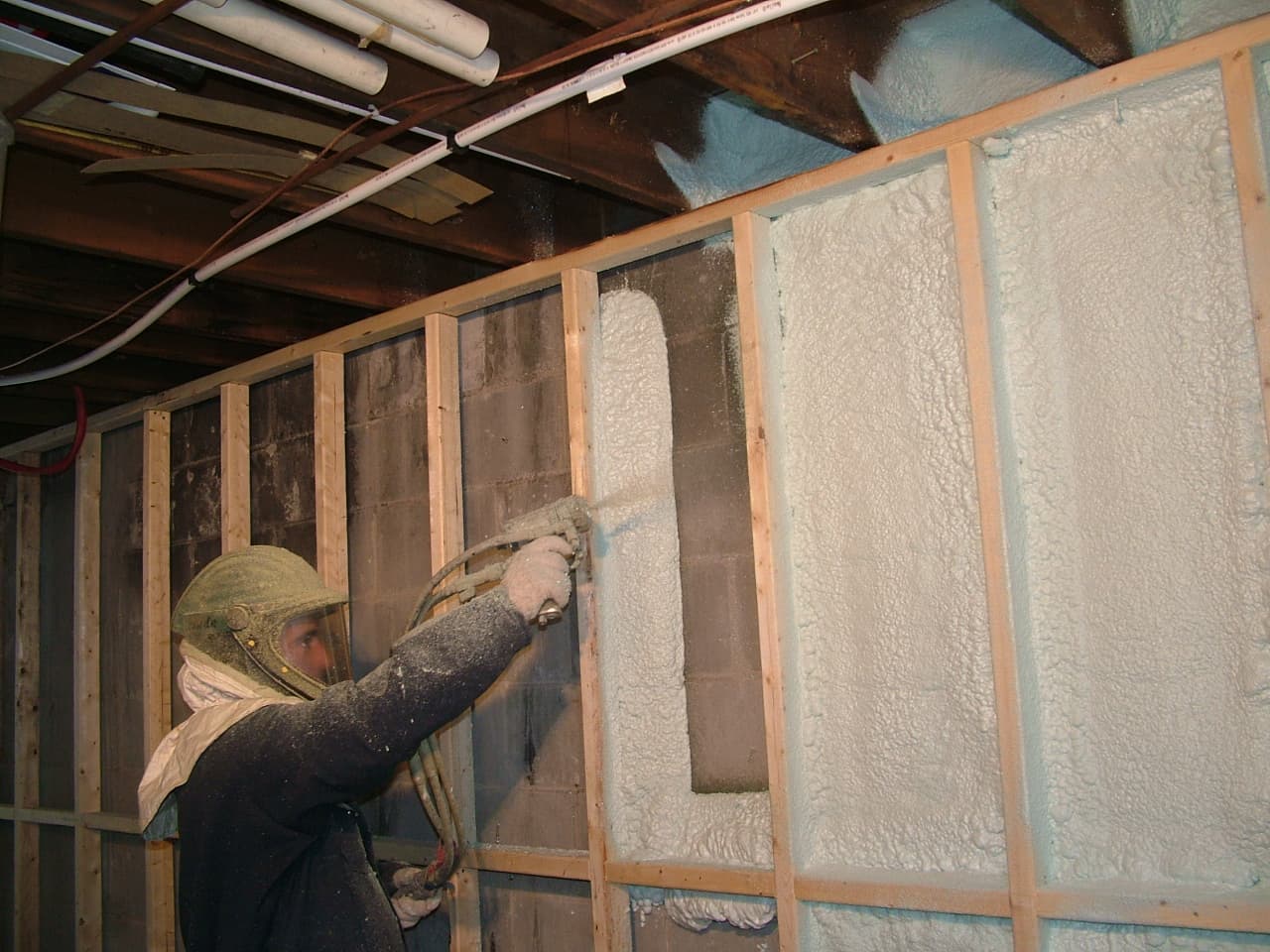
Synthetic insulation is some of the best you can buy to help insulate your home. Derived from petrochemicals, the popularity of synthetic insulation is explained by a high degree of efficient insulation and very affordable prices. Here at RenoQuotes.com, we’ve prepared this article to help you break down the different varieties of synthetic insulation on the market today.
Expanded polystyrene
Expanded polystyrene (EPS) is a white foam that is derived from petroleum and comes in the form of panels. This synthetic insulation is easy to install and quite affordable at $3 per square foot with an inch of thickness.
It is a highly effective insulating solution with an R-value (the coefficient rating the insulating performance) that ranges from about 3.7 to 4.2 depending on the type of PSE. Synthetic insulation is also very resistant to fire and moisture. However, this type of insulation does contain many chemicals that can potentially be harmful to those handling it without proper protection and, in the event of a fire, can release fumes that are harmful to your health. Lastly, the production of synthetic insulation requires a lot of energy, making it less than ideal for those searching for a sustainably sourced insulating solution.
Synthetic insulation emits gaseous pollutants and does not recycle well.
Extruded polystyrene
Extruded polystyrene (XPS) is a blue or pink foam that is also derived from petroleum and comes in the form of panels. This material generally works for the insulation of exterior walls and those in the basement. The panels are fairly easy to install and cost about $3,60 per square foot of 1 inch thick XPS.
This thermal insulator is very efficient, with an average R-value of 3.6 per inch. It resists moisture quite well but does not stand up to fire. XPS contains many chemicals that emit greenhouse gases that are harmful to the environment. Moreover, it is very difficult to recycle and releases toxic gases when subjected to high temperatures.
Closed-cell polyurethane
Closed-cell polyurethane is a highly expandable foam derived from petroleum. It is usually available in the form of spray foam or also panels. This material allows the insulation of several elements of a house such as walls (exterior, basement, etc.), the attic, wooden door frames and windows.
Although installation can be complex, at about $3 per square foot, it is relatively affordable. It also offers very effective thermal insulation (an R-value anywhere from 3.2 to 5 per inch) which is resistant to air and water vapour. Its biggest drawbacks are that it is not fire-resistant and is very difficult to recycle while also releasing gases that are harmful to the environment.
Open-cell polyurethane
Open-cell polyurethane is a petroleum-derived foam that expands while it dries. It can be found in the forms of spray foam or in panels. Essentially, this material allows for the insulation of certain walls and roof spaces. Open-cell polyurethane insulation can be difficult to install but only costs about $2,40 per square foot. The R-value of this material ranges from roughly 3.2 to 5 making it a great thermal insulator which resists air but not water vapour.
Unfortunately, this material is not fire-resistant and is extremely difficult to recycle. Despite the fact that it is less polluting than closed-cell polyurethane, open-cell also emits gases that are harmful to the environment and people. A more ecological and natural polyurethane exists on the market: soybean oil-based polyurethane.
Polyisocyanurate
Polyisocyanurate (PIR) is a foam that is derived from polyurethane. It comes in the form of panels that are covered with aluminum or fibreglass which allow it to be used to insulate external walls and the roof. With an R-value of up to 6 per inch, this is by far one of the best insulating materials on the market. In order to optimize its insulating properties, however, it should not come into direct contact with cold.
This material resists water vapour and is flame-resistant as well. A great benefit of PIR is that it does not emit any harmful gases to either humans or the environment unless subjected to very high temperatures. On the downside, the manufacturing processes used to produce PIR do release toxic substances and require a significant amount of energy.
Overview of the average prices for synthetic insulation materials
Type of insulation material | Average price |
Expanded polystyrene (EPS) : | approximately $3/square foot |
Extruded polystyrene (XPS) : | approximately $3,60/ square foot |
Closed-cell polyurethane spray foam: | approximately $3/ square foot |
Polyisocyanurate insulation: | approximately $1,70/ square foot |
To find out about the average prices of different home renovation projects, check out our Home renovation price guide.
Get 3 renovation quotes for the installation of synthetic insulation
RenoQuotes.com can help you get quotes for your synthetic insulation project. If you submit your project to us, we’ll put you in contact with top-rated contractors. Fill in the form on the homepage (it only takes a few minutes), and you will get estimates from trusted professionals.
Dial 1-844 828-1588 to speak with one of our customer service representatives.
Looking for something else?
Related articles
The latest industry news, interviews, technologies, and resources.
Editorial Team
•27 Jan 2026
Curious about the cost of a new fence and what type would best suit your property line? Whether it's ornamental fences and gates or wooden designs, each option offers distinct benefits and pricing. What are the most durable materials and what about the low-maintenance fences? How much should you budget to install a PVC or aluminum fence?

Équipe éditoriale
•29 Sep 2026
No surprise here, interior sliding barn doors are gaining traction with interior designers and homeowners alike. Surely, their functional and stylish nature, suited to any home, regardless of the décor, has something to do with it. Whether it's a single or double barn door, there's no doubt about it, they add a rustic touch to the overall aesthetic without overwhelming the space in question. And, they're retailed in a variety of designs and sizes, tailored to conceal and reveal with an effortless motion.
Cynthia Pigeon
•01 Apr 2026
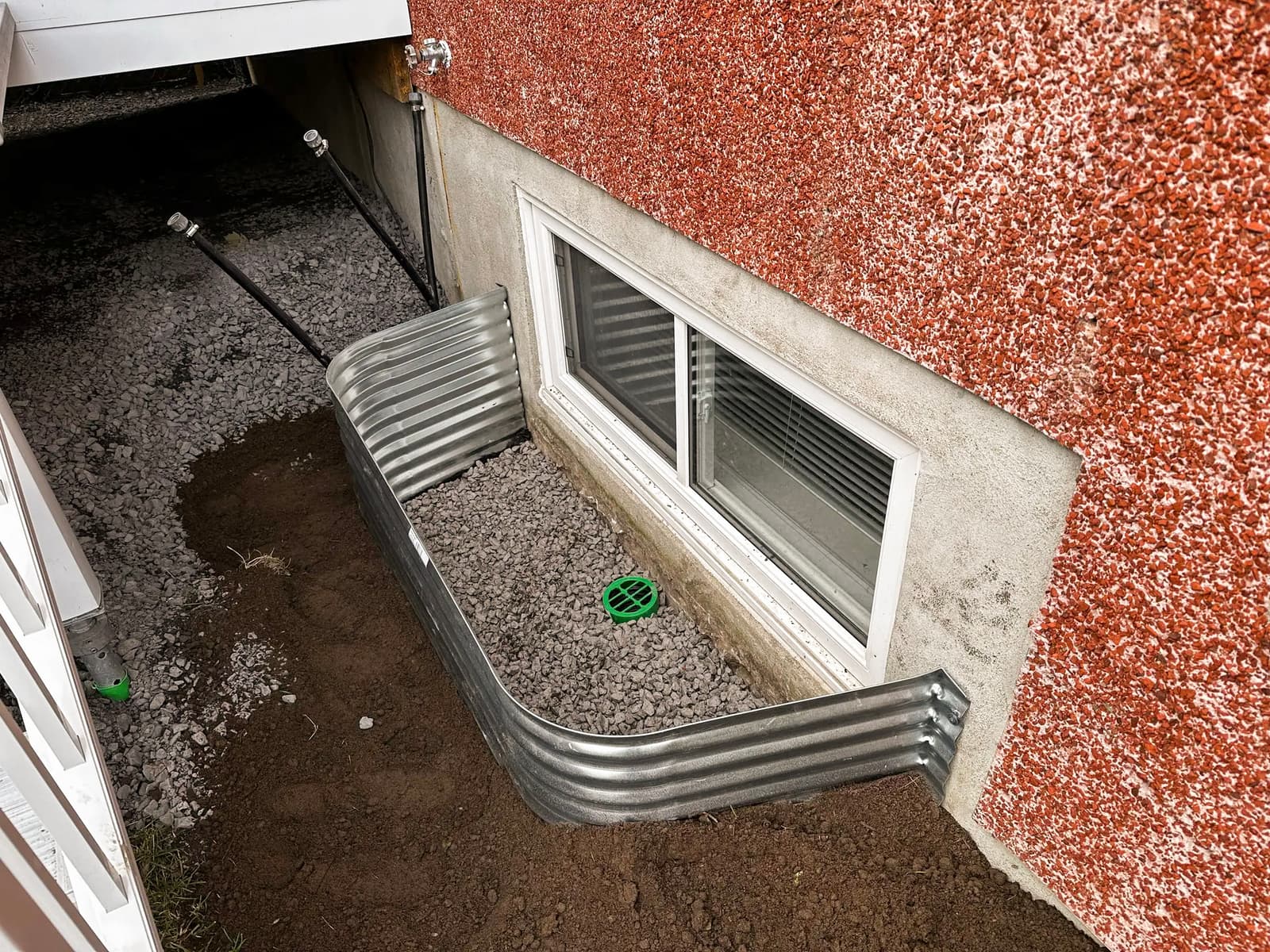
Thinking of renovating your basement? Whether it’s to create a bedroom, office, or rec room, windows play a key role in ventilation, natural light, and most importantly, emergency escape.
Léa Plourde-Archer
•04 Feb 2025
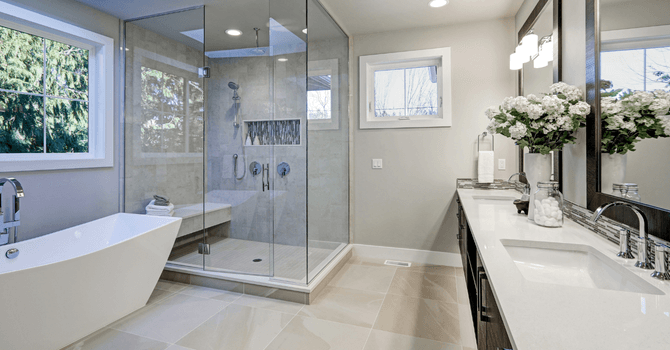
The bathroom plays a crucial role in our homes, serving as both a serene retreat and a space for quick, everyday routines. As you plan a bathroom renovation, you might wonder: What changes will enhance both functionality and aesthetics? How can you create a layout that maximizes space? With a plethora of options, the first step is identifying what needs improvement, followed by thoughtful design and decor choices.

Editorial Team
•25 Aug 2025
Nowadays, industries that don't have dealings with subcontractors or outsourcers are scarce. For example, in the construction industry, contractors can resort to hiring the services of a subcontractor if they don’t have the required time to carry out a given project themselves.