Excavation Cost Guide: How Much to Budget in 2026?
By Editorial Team
Updated on May 7, 2026
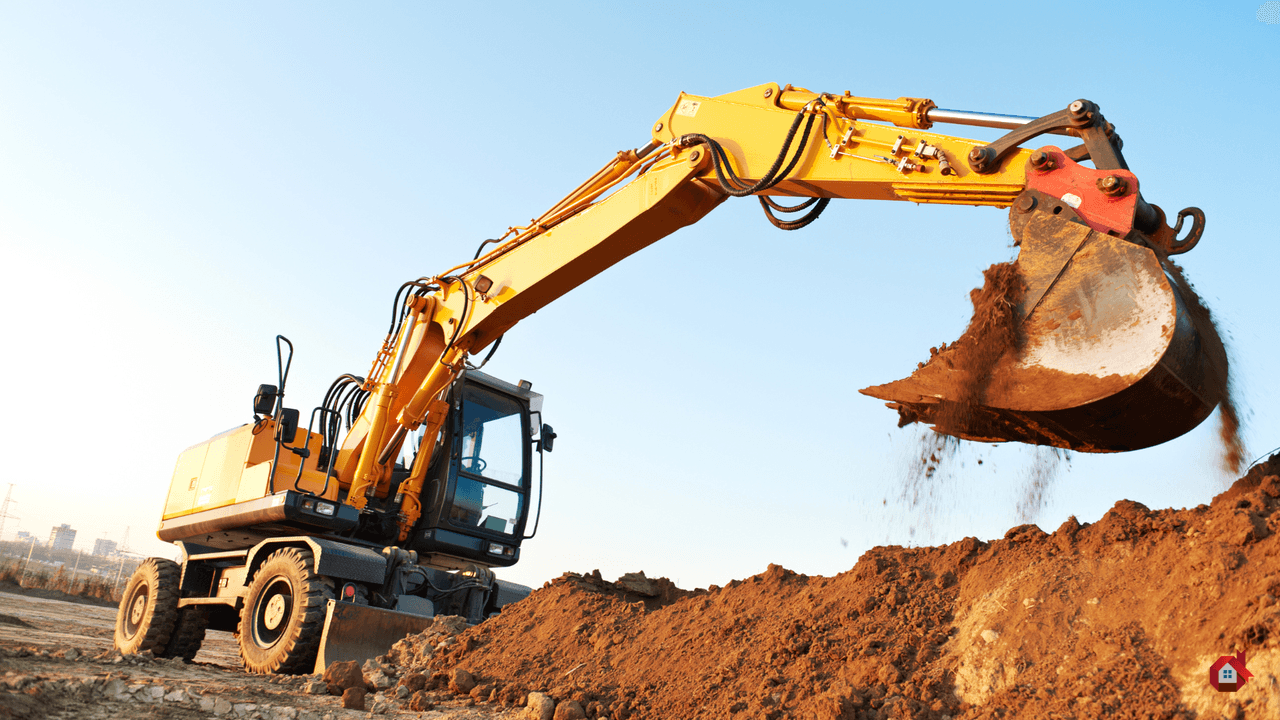
Excavation is an unavoidable step in numerous construction projects, whether to build a foundation, put in a swimming pool, or for landscaping purposes.
If you’re wondering how much excavation costs, what the average excavation cost looks like for different project types, and how you can avoid setbacks, the following sections break down everything you need to know. This guide details everything from excavation service fees and cost-affecting factors, with tips and tricks to optimize your budget in between.
How Do You Calculate the Average Cost of Excavation Services in Canada?
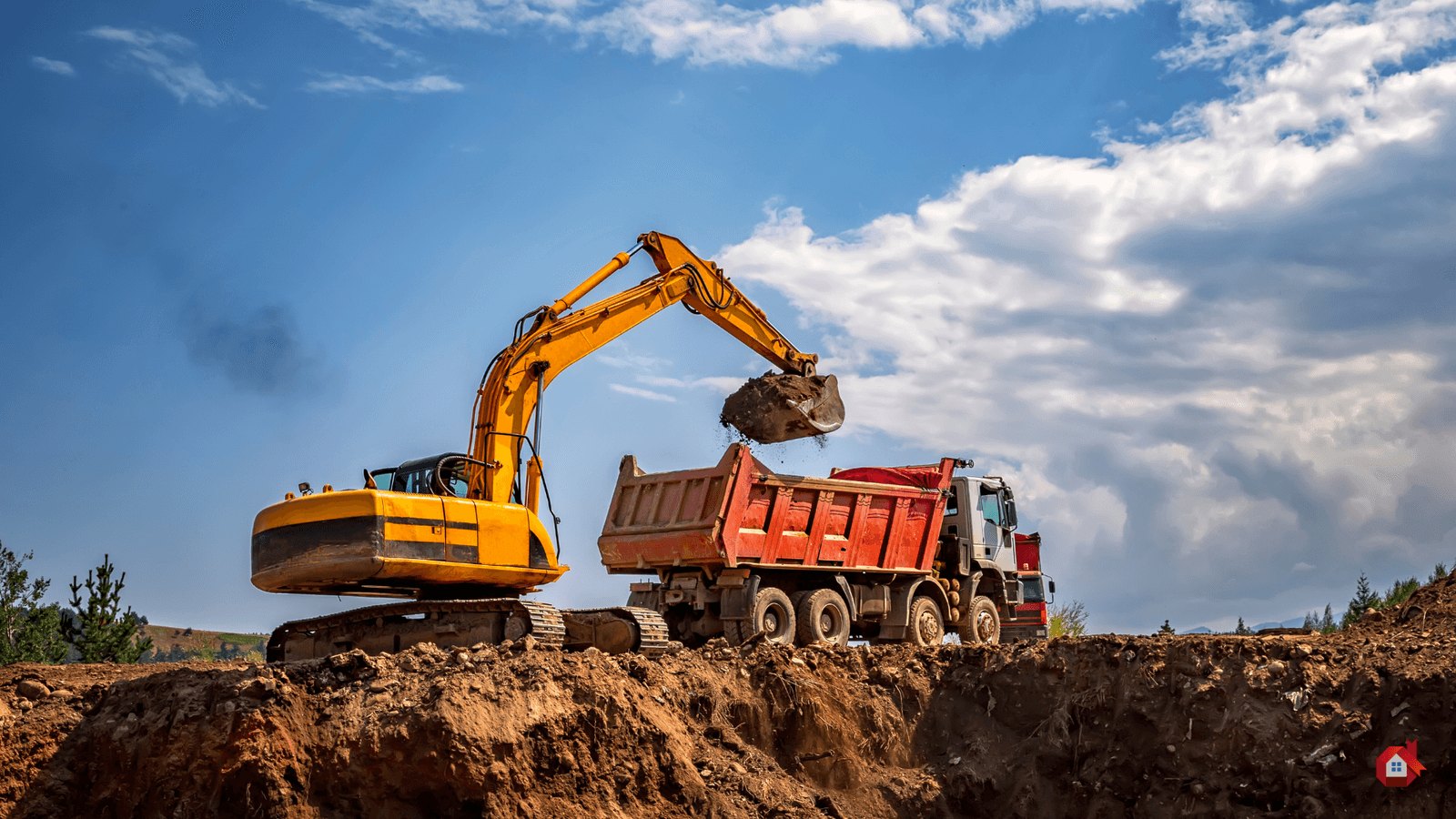
Homeowners often look for tools like an excavation cost calculator to estimate their project budget, but calculators can only provide rough averages. The table below details the average cost of foundation excavation jobs, including the hourly rate for excavation services. The costs listed can fluctuate depending on the soil type, equipment used, and project complexity.
What Are Home Site Excavation Costs Based On?
Foundation excavation (house) | $7,500–$30,000 |
Price per square foot | $25–$50 per square foot |
Hourly service rate (standard) | $130–$250 per hour |
These figures can also help you estimate the excavation costs per m³, especially for large foundation or site-preparation projects.
What Are the Project-Specific Rates to Excavate a Pool, Crawl Space, or Basement?
Common excavation projects, such as digging a crawl space, basement, driveway, or parking lot, including swimming pool and septic tank installations, are priced according to the scope of work and the size of the excavation site. For homeowners trying to determine the cost to dig out a basement, the values below provide a realistic starting point.
Type of Project | Estimated Cost |
Crawl space excavation | $5,000–$15,000 |
Basement excavation | Up to $30,000 for rocky soil |
Driveway | $1,500–$5,000 |
Parking lot | $3,000–$8,000 |
Asphalting with excavation | $5,000–$10,000 |
In-ground pool excavation | $3,000–$10,000 |
Septic tank installation | $10,000–$30,000 |
French drain installation | $8,000–$15,000 |
What Is the Rate of Foundation Excavation Work?
Here’s a table detailing the commonly used excavation equipment, with hourly rates, project-specific estimated duration, and recommended area size:
Equipment | Hourly Rate | Estimated Duration | Recommended Area Size |
Mini excavator | $90–$150 | 4–6 hours for a 2–3 feet deep 100-linear-foot trench | Under 500 square feet |
Standard excavator | $160–$250 | 10–15 hours to excavate a 1,000-square-foot foundation | 1,000 square feet and up |
Hydraulic breaker | $200–$300 | 12–18 hours to excavate 500 square feet of rocky soil | 500 square feet and up |
What Factors Affect the Cost of Excavation?
The cost of excavation services varies based on several factors, such as equipment use and land specificities. Below is an overview of the main factors to consider when putting together an excavation project budget.
Excavation Equipment
Equipment selection is paramount for ensuring the efficiency and safety of excavation jobs, especially when dealing with complex sites (wooded lots, for example). Different equipment is used based on the project’s specific needs and hourly rates vary as well.
Understanding the type of machinery required is essential when calculating how much excavation costs, since equipment choice has a direct impact on the final excavation cost.
Mini excavators: Such machinery is ideal for space-restricted lots and smaller jobs, such as digging a trench for a French drain or underground utilities. Compact excavators are used to work in zones where larger equipment won't fit or can't be accessed.
Excavators: Used for large-scale jobs, excavators are designed to dig home sites and land requiring extensive excavation. Their robust build makes it a sought-after machine for large-scale projects, such as preparing a strong foundation or excavating a pool site.
Hydraulic breaker: A must-have for any rocky soiled or very hard site, such a piece of equipment allows the controller to break through rock, ensuring an efficient excavation job, even under difficult circumstances.
Other Factors
Besides the equipment mentioned above, several other factors will influence the overall cost of an excavation project.
Type de soil: The soil type has a major influence on costs. Soils with excessive clay or rocks, including those with high water tables, mandate specific equipment and require more time, which, in turn, increases the total cost.
Season: Work carried out during the winter can lead to additional fees given that the ground is frozen solid, which complicates the excavation process, mandating reinforced equipment. During the summertime, the weather is more favourable, reducing labour time and equipment costs.
Land accessibility: A hard-to-access site or land located in a remote area entails additional costs for equipment and material transportation, which increase the final invoice.
Permits: Excavation projects often require municipality-issued permits and must comply with safety standards, especially those established by provincial building codes. Plan for drainage materials fees for gravel or sand on top of labour costs.
Knowing what equipment is needed, including land-specific components, allows you to better gauge your budget and optimize your expenses based on the project you're planning.
Additional Fees to Consider for an Excavation Project
During the course of an excavation project, you may be confronted with unexpected costs, so your budget should include some leeway from the onset.
Rubble Management and Excavated Material Disposal
Rubble management is a key part of excavation projects since it can incur significant fees, especially if the excavated material is contaminated. Disposing of earth, rocks, and other excavated materials can call for adapted transportation (e.g. dump truck) in some cases. Certain soil types require specific measures if specific contaminants are found, such as iron ochre, increasing overall management and disposal fees.
Permits and Municipal Fees
Municipal permits are often mandatory for all excavation projects and vary based on the location of the job site and the scope of the excavation project. Cities can impose specific fees that, based on the project's complexity and local requirements, can increase overall excavation costs. Note that municipal fees can be much steeper if the excavation job requires a septic tank or French drain installation, affecting the project's overall cost.
Geotechnical Study and Soil Analysis Fees
Geotechnical studies, which consist of soil analyses and subsurface conditions, are crucial for large-scale excavation projects. Such investigations determine the properties unique to the soil and the eventual additional work required, especially if the project entails building a foundation or other underground utilities. Specific soil analyses, such as water infiltration or water table levels, are often deemed necessary, incurring additional preparation fees.
Jobsite Preparation and Post-Excavation Restoration
Once the work is completed, site restoration is often scheduled to wrap up the project. This process includes site cleaning, land levelling, and, at times, adding materials to stabilize the surface, especially when dealing with clay or rocky soils. Land preparation and restoration fees hinge on the size of the excavated site, the drainage material used, and whether structures like retaining walls are found nearby.
Tips and Tricks to Lower Excavation Job Costs
To lower excavation job costs, it’s essential to hire the right contractors or excavation companies to lead the project to completion. Make sure they’re experienced, licensed, and aware of provincial- or city-specific excavation rules and regulations. A good contractor will advise you regarding the most cost-effective and efficient excavation methods and procedures based on the land in question and the extent of the work.
Additionally, rigorous project planning is paramount to minimizing setbacks. Plan for rubble management, choose the optimal time of year to carry out the job, and account for additional costs. Taking such precautions optimizes your budget, ensures the quality of your excavation project, and minimizes additional fees.
FAQ
What is the difference between excavating and boring?
While both terms might be used interchangeably, excavating and boring aren’t synonymous. Excavating typically consists of removing large quantities of dirt to build a foundation, whereas boring is a targeted procedure, one that’s often necessary to install pipelines or other underground utilities.
How to excavate land?
Land excavation starts with a soil analysis and a selection of all mandatory equipment. Then, levelling and digging work are done according to project plans or blueprints.
How much does a foundation cost?
The average cost of a foundation is between $7,500 and $30,000, depending on the size of the home site and soil type.
Are excavation calculator estimates always accurate?
No, online calculators provide a general estimate based on average rates and typical conditions. For complex or unique projects, consult a professional for a precise quote.
How often do excavation costs change?
Excavation costs can fluctuate due to changes in material prices, labour rates, and local demand. It’s best to check for updated rates or request a fresh quote if your project is scheduled far in advance.
Can I get an estimate without an on-site visit?
Yes, you can receive a ballpark estimate using calculators or by providing project details remotely. However, the less information available, the less accurate the estimate will be.
What information do I need to use an excavation cost calculator?
You’ll typically need the length, width, and depth of the area to be excavated, and sometimes details about soil type or site accessibility.
Will my actual costs match the calculator’s result?
Not always. Calculators give a baseline estimate, but actual costs may vary due to site-specific factors, permit fees, or unforeseen challenges.
Who should I contact for a detailed or custom quote?
Reach out to local excavation contractors or companies. Many offer free consultations and can provide a detailed estimate after reviewing your project plans or visiting the site.
Looking for something else?
Related articles
The latest industry news, interviews, technologies, and resources.

Editorial Team
•11 May 2026
We’ve said it before and we’ll say it again, curb appeal is real! Tending to and maintaining a beautiful garden on your front or back lawn brings a lot to a home.
Editorial Team
•25 Sep 2026
A heated driveway costs $18 to $28 per square foot installed for an electric system in Canada, and $26 to $55 per square foot for hydronic before the boiler. That puts a standard 600 sq. ft. two-car driveway between $10,800 and $16,800 electric, or $24,600 to $51,000 hydronic once the boiler is included. Retrofitting cables into an existing driveway runs less, at $7 to $17 per square foot.

Léa Plourde-Archer
•08 Nov 2023
After months of preparing for our big renovation project, we finally got down to business and met with an interior designer. We chose to work with Vivre Autrement, a company led by designer Valérie Bourget.

Karine Dutemple
•08 Nov 2023
Looking for ideas for your bedroom floor renovation project? We looked through the internet to collect classic and bold examples of floor coverings that were used in this room.
Editorial Team
•18 May 2026
When carrying out residential renovations, the terms air barrier and vapour barrier aren't all that uncommon when discussing thermal insulation. Although often confused, these two systems both help protect the walls and building envelope of a structure.