Five Things to Do Before you Renovate Your Home
By Editorial Team
Updated on December 6, 2025
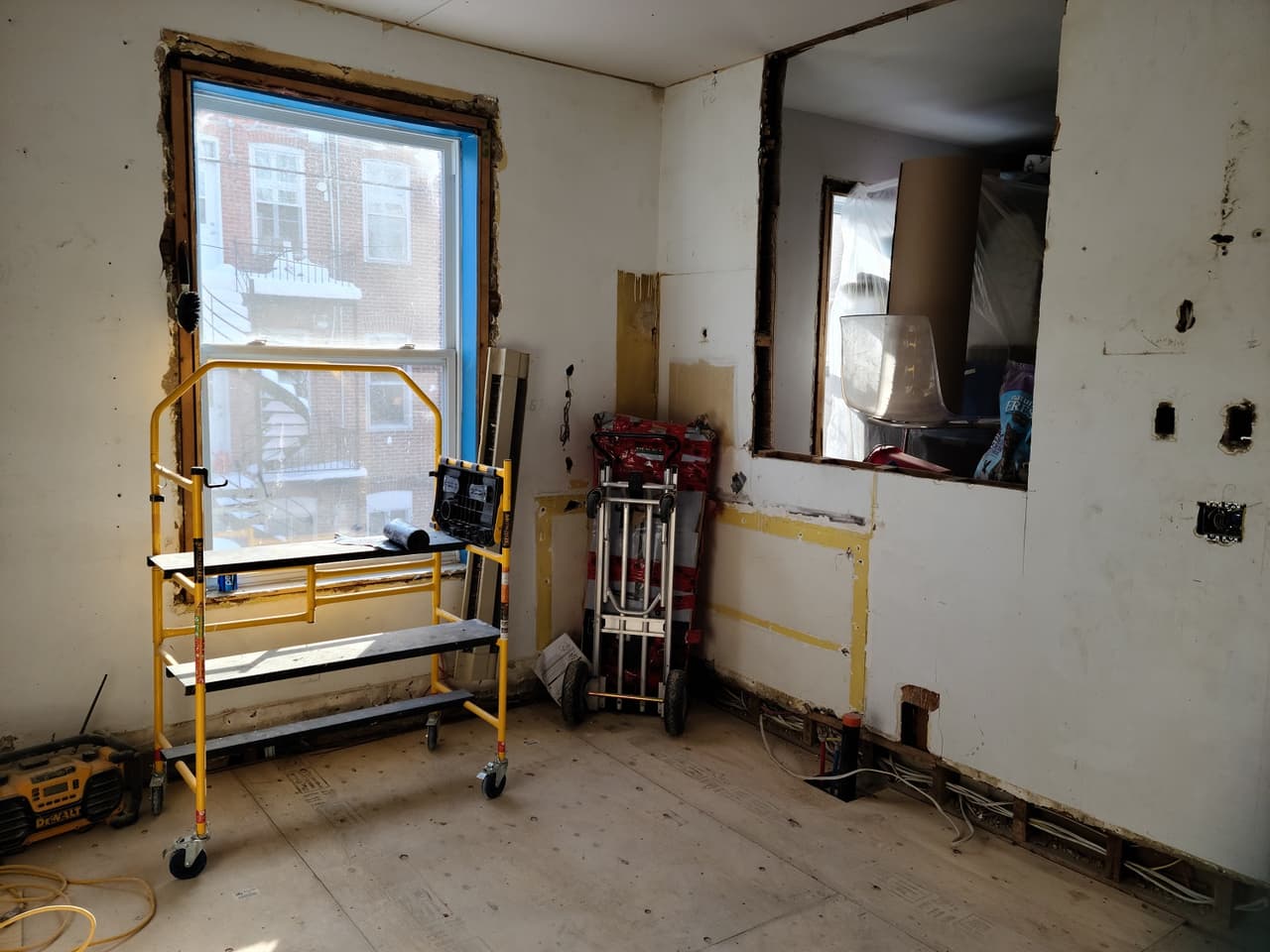
In order for a renovation project to go well, it is essential to attach great importance to the planning stage. If many of us agree with that statement, what exactly is the specific task at hand?
Get Your Project Started Today
Submit your details and receive three free quotes from trusted contractors.
Here are 5 things to do before you start your renovation project.
Planning your renovation project: 5 things to do
1- Define your Needs

Before you start renovating, be sure to clearly establish the type of work you want to be done. For instance, if you need to remodel your kitchen, think about what you want to change or add, whether it is an island, kitchen cabinets or a new floor. Every project is feasible, but the more precise you are, the more you’ll be satisfied with the results. Try to visit home renovation stores to find the materials or to get an idea of what you may need.
Gather as much information as possible about the different materials available and about the renovation process by researching on the Internet or anywhere else where you can find reliable information that will help you make better choices. Also, if you need guidance, feel free to consult an interior designer. These steps will help you choose the appropriate contractor for your project.
2- Plan your Budget

Everyone knows that home renovations can be costly. Therefore, planning your budget is one of the most important steps of the renovation process. With that in mind, you’ll be able to finalize your choice of materials for each part of the project. It will also be helpful when will come the time to compare quotes from all the contractors you will meet.
You'll also be better equipped when deciding which one to choose and when signing the contract with them. Make sure you plan some extra money in case unexpected expenses come up. To help with your finances, you could make an agreement with your contractor to pay in instalments, or get a mortgage loan.
3- Choose a certified contractor
As mentioned in another article, choosing the contractor is essential if you want things to go smoothly. A reliable contractor will provide good quality work and “should be a guide for his client”, as a contractor once told us. Don’t be afraid to ask questions about their team and about how they work. Always make sure the contractor you choose is qualified, skilled, and has a clean legal record (especially in the last few years).
These factors will allow you to leave your house without worrying about what the workers are doing to your house. Keep in mind that it is essential to deal with a contractor with a valid RBQ licence. To learn more on the subject, read our article How to Find the Right Contractor for Your Project.
Would you like to have help finding a competent contractor to carry out your renovation project? Fill out our online form to receive 3 quotes from certified contractors!
4- Contact your City Council

Once you have the drawings, inquire with the officials working in your district or your town to know the procedure and to see if you need a residential renovation license. Depending on the work you need, you may have to get one. Licenses are required for many types of renovation projects; starting a project without one could cost you a lot later on.
For more information, here are useful links: for Montreal, click here, for Laval, click here.
5- Call your Insurance Company
As the renovation process starts, your house will become a construction site. This could increase the risk of robbery, damage and/or breakage. Therefore, make sure your house insurance policy is suited for these types of situations and covers all the costs in the event that such situations occur. It is also of your responsibility to mention every modification that will be made to your house since they could change the value of the property.
In that case, you might have to update your home insurance policy in order for it to remain valid. If you’re the owner of a condo, note that you’ll need to get approval from the condominium owners association before you start renovating. Check the co-ownership declaration to help guide your approach.
Looking for something else?
Related articles
The latest industry news, interviews, technologies, and resources.

Amanda Harvey
•08 Nov 2023
If you’re a homeowner who is using a ladder to fix that broken light bulb or to install some new curtains, you might think that the job is straightforward. However, using a ladder incorrectly is one of the key ways that cause homeowners to sustain injuries during renovation projects. Ladder safety is more complicated than just climbing on up, so make sure to know your stuff before reaching for that top shelf.

Léa Plourde-Archer
•04 Mar 2026
A home extension or addition is a significant upgrade that can add value and square footage to your property. However, what questions should you ask to ensure your project is executed flawlessly? How can you ensure the extension or addition blends with the rest of your house’s style? What should you know about materials, building permits, and associated costs?

Amanda Harvey
•08 Nov 2023
Thinking of building an interior staircase to replace the one you currently have? If this is the case, it’s imperative that you know which standards to observe to respect building codes, especially those put in place for the sake of safety and comfort. But what exactly are they?

Editorial Team
•08 Nov 2023
If you haven’t heard of a wet room before, we recommend you start paying attention to this growing trend. The wet room is becoming more desirable as a minimalist, one-of-a-kind feature that works to add value to your home.

Christine Simard
•23 Jan 2025
As a design and user-friendly appliance, a wood-burning stove makes for a genuine source of well-being, designed to bring additional comfort to households during the harsh winter months. Whether made of steel, brick, cast iron, or glass, a wood-burning stove stands for durability and boasts a slew of advantages.