
Every spring, homeowners, and especially those who live close to waterways, fear being flooded. The damage this disaster causes is serious, and thus, we can understand the concern.
In order to minimize water from entering your property and ensure it's protected, there are plenty of precautions you can take to prepare. To help you through this process, we’ve taken the time to draw up a list of measures.
Here's how to protect your home in case of flooding
1- Correct the negative slope of your land
As we pointed out in many of our other articles, it’s essential that the slope of your land isn’t negative. What this means is that its slope should not be towards your home. This is because a negative slope prevents the flow of water and will move toward your foundation.
Sooner or later, too much water in the direction of your home will cause your foundation to crack. Bear in mind that to properly play its role in getting water to flow correctly, the slope should incline two inches per foot for the first 5 feet of your property. In addition to these slope measurements, we recommend using clay to help the water flow properly.
At the same time, take care to examine the state of your patio or terrace. If either is showing signs of subsidence, excess water will be directed towards the foundation in the same way as a negative slope. In the case of heavy rain, you're at a high risk of being flooded.
Get 3 quotes for your home renovation project
RenoQuotes.com can help you find a specialist for your renovation project. If you submit your project, we’ll put you in contact with top-rated contractors. Fill in the form on the homepage (it only takes a few minutes), and you will get estimates from trusted professionals.
Dial 1-844 828-1588 to speak with one of our customer service representatives.
Looking for something else?
Related articles
The latest industry news, interviews, technologies, and resources.

Editorial Team
•10 Feb 2026
Renovations promise a fresh start, yet the dust and debris they leave behind can make a finished space feel anything but livable. Proper post renovation cleaning removes the hidden grit, the fine particles and the lingering mess so your home finally feels complete and ready to enjoy without another round of hard work.

Léa Plourde-Archer
•06 Nov 2024
The deposit that is paid to a contractor during a renovation project is generally used to purchase materials that will be needed to complete the work and it also serves to measure the seriousness of your approach.
Léa Plourde-Archer
•26 Aug 2024
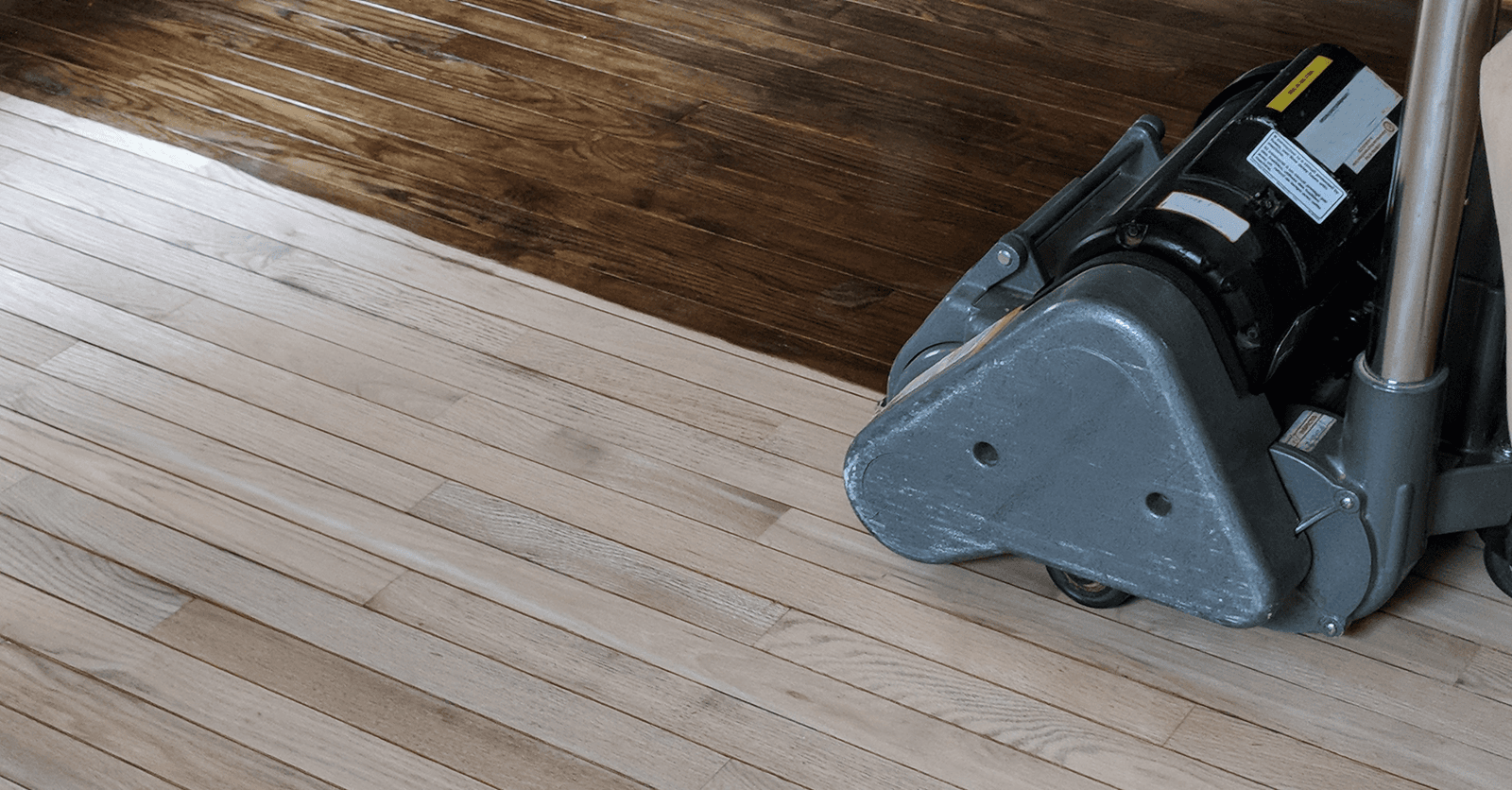
Are your hardwood floors damaged? Thinking of renovating them? RenoQuotes.com has got you covered, detailing solutions for repairing hardwood floors, including various ways to refinish your wood floors for effectively shielding newly buffed surfaces.
Editorial Team
•08 Nov 2023
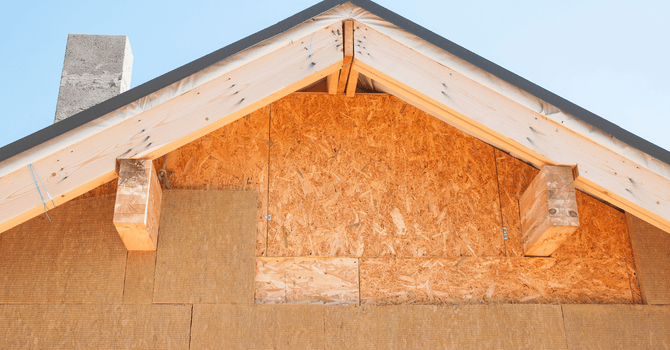
Thermally insulating your roof is absolutely necessary to prevent temperature variations. Since the roof makes up the largest enclosure that’s in direct contact with the outside, thermal losses can reach up to 30% in the event of poor insulation.

Editorial Team
•11 May 2026
Is your landscaping looking especially tired? If so, chances are you'll want to spruce it up to revamp your outdoor space and be able to fully enjoy the upcoming summer months. If you're looking to keep up with landscaping trends, know that rugged, countryside looks that suggest comfort and incorporate eco-friendly concepts are all the rage!