French Drain Cost in Canada in 2026: $100–$250 per Foot
By Cynthia Pigeon
Updated on September 18, 2026
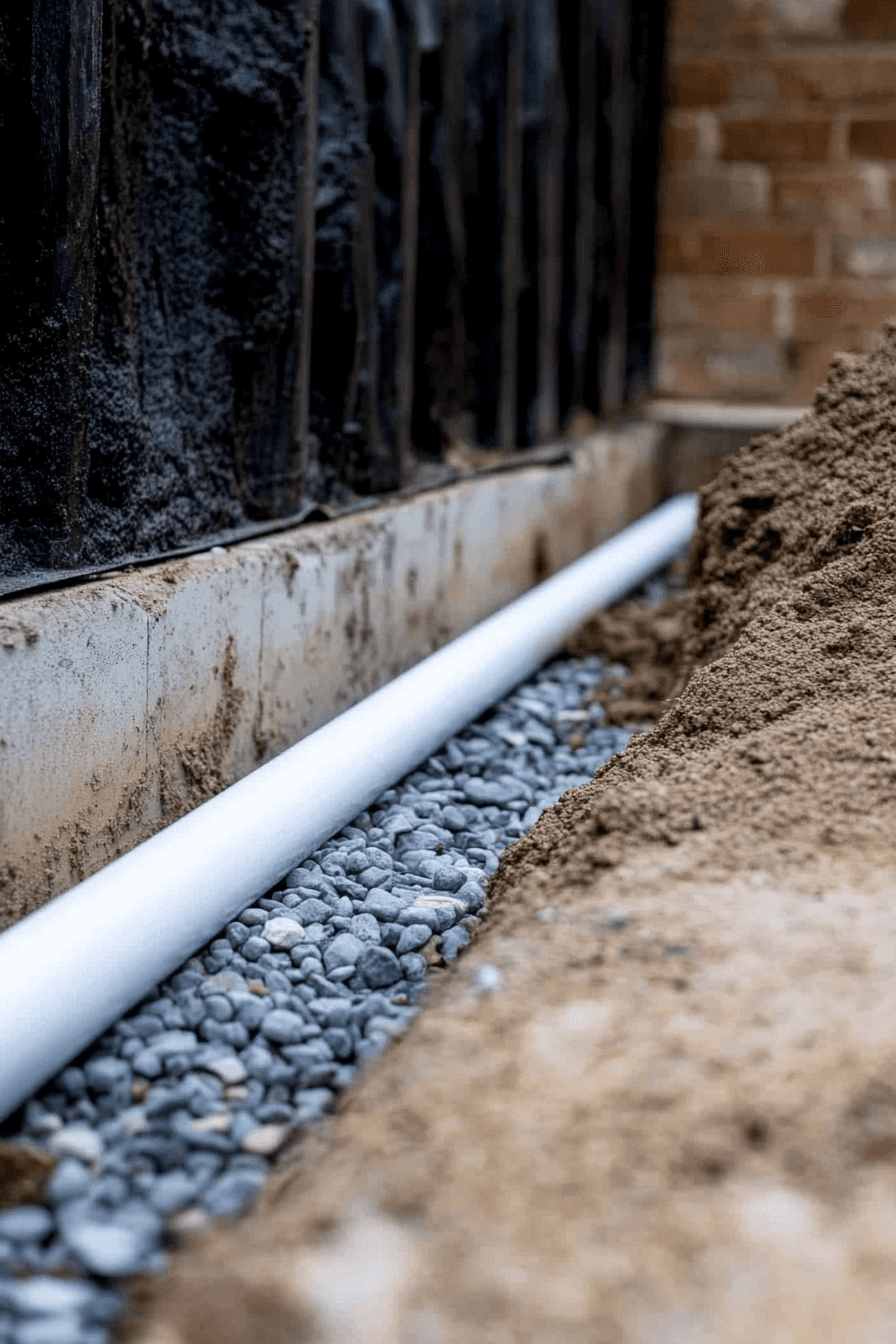
In 2026, the cost to install or replace a French drain in Canada generally ranges from $100 to $250 per linear foot, depending on the complexity of the project. For a standard single-family home with a foundation perimeter of about 100 feet, the base cost can therefore range from $10,000 to $25,000. However, in a real-world project, homeowners should often plan for a total budget of approximately $15,000 to $35,000, especially when additional work is required, such as foundation crack repair, window well installation, sump pump installation, full foundation waterproofing or landscaping restoration.
French Drain Cost per Foot in Canada in 2026: Complete Guide
Source: Fissure Elite inc.
If you notice a persistent musty smell in the basement or visible signs of water infiltration at the base of your foundation walls, your foundation drainage system may be part of the problem. A clogged, damaged or aging French drain can no longer move water away from the foundation properly, increasing the risk of moisture problems and basement leaks.
Across Canada, freeze-thaw cycles, heavy rainfall, spring snowmelt and more frequent extreme weather events have made water management a major priority for homeowners. Planning this type of project in 2026 requires a realistic budget, a careful review of local permit requirements and a clear understanding of what is included in each contractor’s quote.
Cost Type | 2026 Price |
Standard installation | $100–$150/ft |
Complex project | Up to $250/ft |
Home with about 100 linear feet | $10,000–$25,000 |
Project with additional work | $15,000–$35,000 |
Average Cost per Linear Foot in 2026: What to Expect
For a realistic budget in 2026, many excavation and waterproofing contractors charge between $100 and $250 per linear foot to install or replace an exterior French drain.
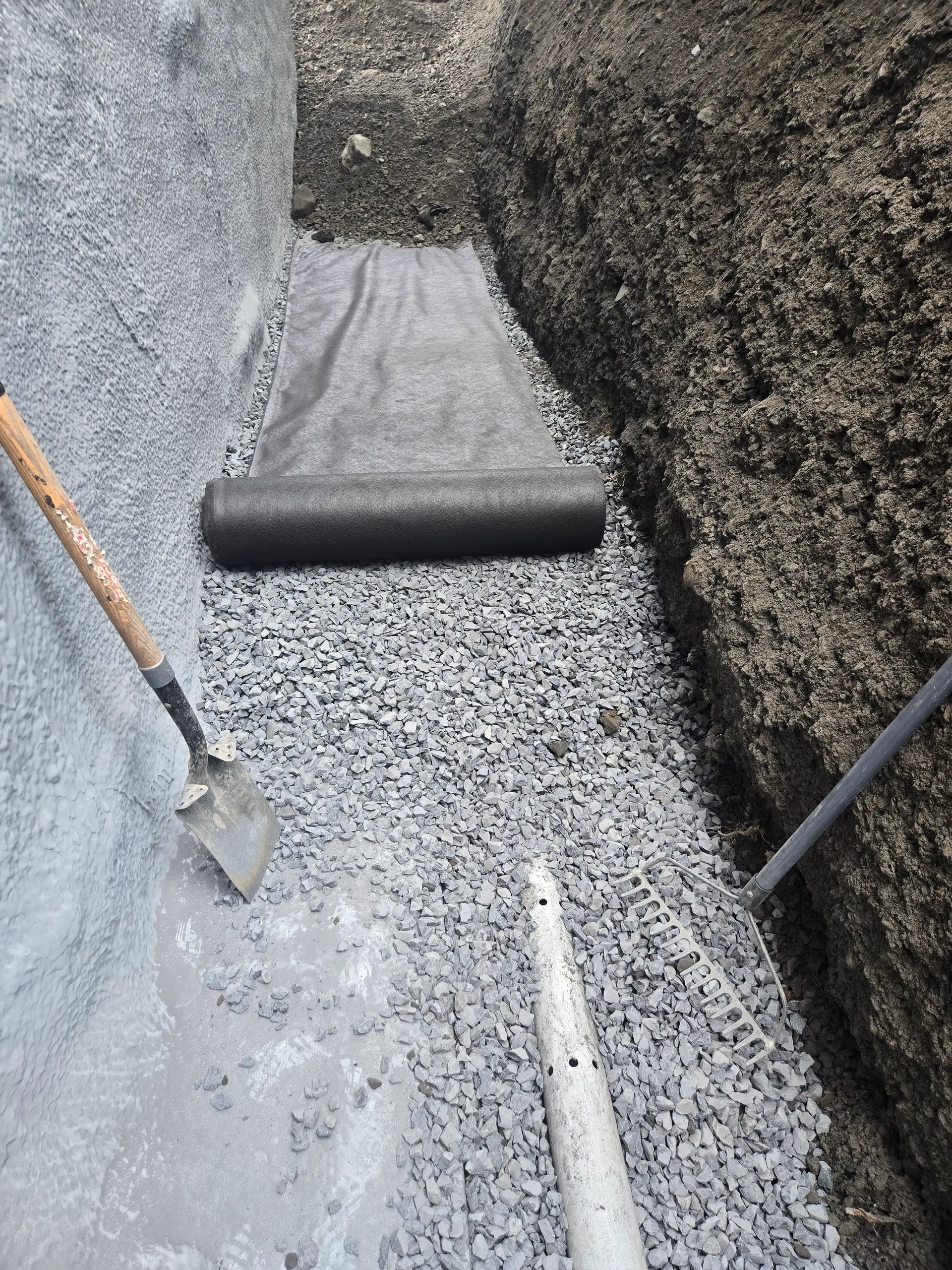
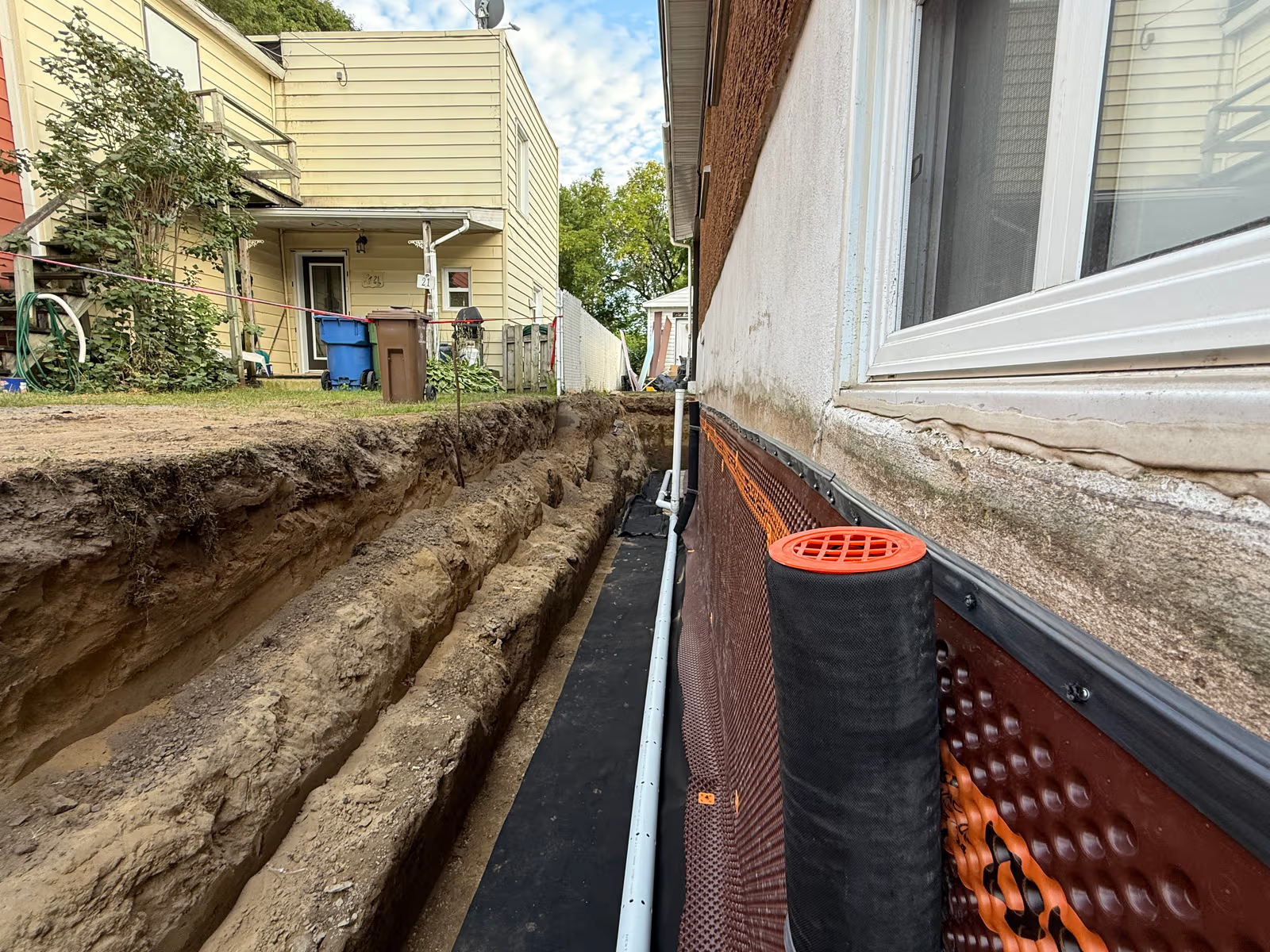
This price is not just for the pipe itself. A complete exterior drainage project usually involves several major steps and the use of heavy equipment. In many cases, the cost may include:
Excavating around the foundation down to the footing
Cleaning the exterior foundation walls
Installing a waterproofing membrane or drainage board
Installing the perforated drain pipe around the foundation
Adding clear crushed stone to improve drainage
Wrapping the system with filter fabric or geotextile
Backfilling and compacting the soil
For an average-sized home measuring about 25 by 30 feet, or roughly 110 linear feet, the total bill can easily exceed $20,000. To get the best value, homeowners should compare several quotes and look closely at the proposed method, materials, warranties and site restoration work included.
Factors That Can Increase the Cost of Installation
Source: 9385-1392 Qc inc.
Every property is different, and some conditions can push the final price well above the average.
Foundation Depth and Soil Conditions
The deeper your basement, the more complex the excavation becomes. A deeper foundation requires a wider and safer work area, especially when contractors need to comply with provincial workplace safety requirements for excavation and trenching. Soil conditions also matter. If your property has compact clay, large boulders or bedrock close to the surface, the contractor may need specialized equipment. In some cases, rock breaking or hydraulic hammering can add substantial daily costs to the project.
Property Access
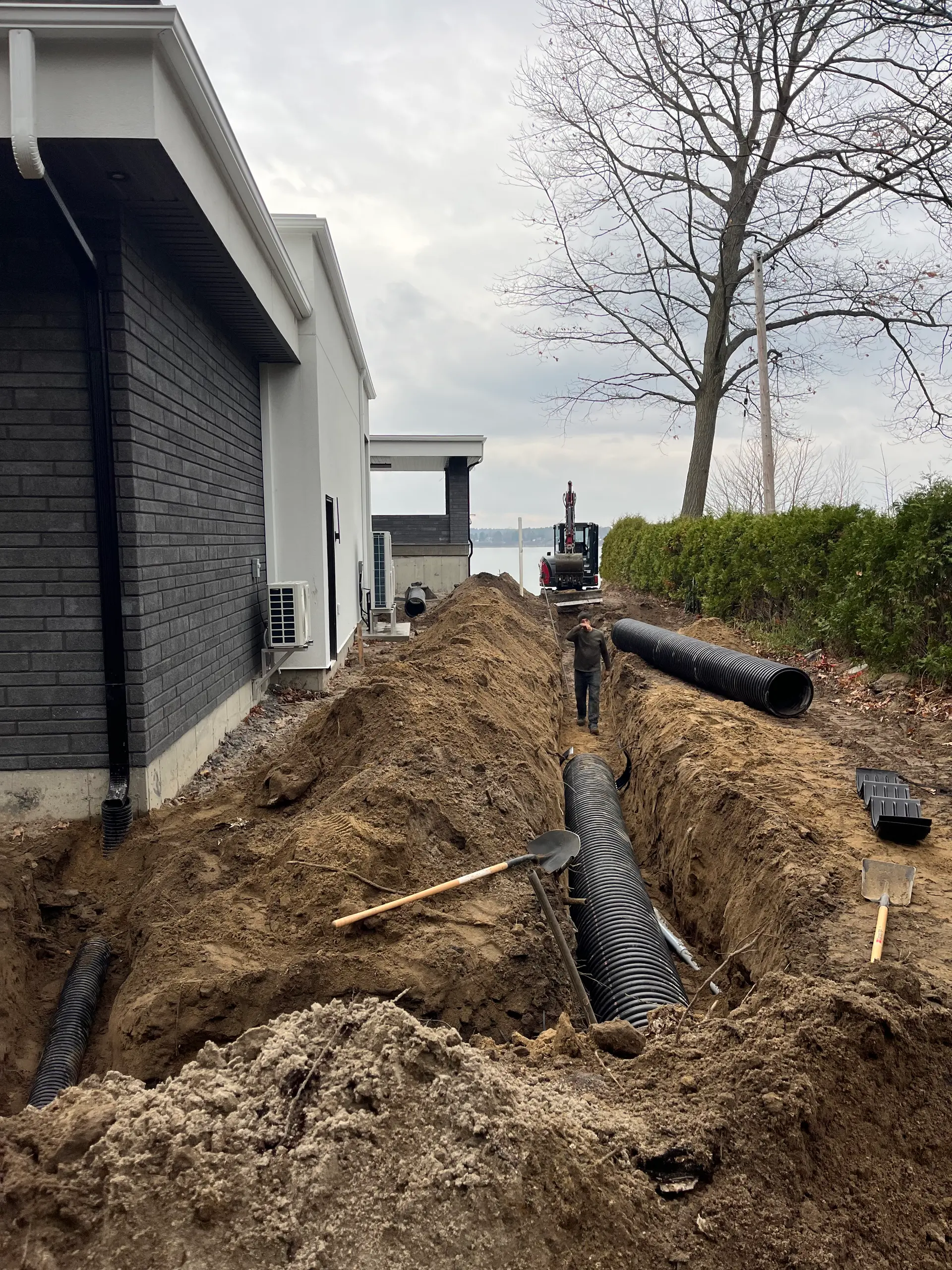
The easier it is to bring equipment onto the property, the more efficient the work will be. Detached homes with open side yards are usually easier to excavate than semi-detached houses, townhomes or properties with narrow access between the foundation and a fence, hedge or neighbouring structure. When access is limited, contractors may need to use smaller equipment, such as a mini-excavator. While the machine is smaller, the work often takes longer and may require more labour, which can increase the total cost.
Excavation and Soil Disposal
The cost of excavation does not stop at digging. Once the soil is removed, it must be managed properly. In many Canadian municipalities, disposal rules are stricter than they used to be, especially if the soil is contaminated, mixed with construction debris or must be hauled to an approved disposal site. Truck transport, tipping fees and soil management can add thousands of dollars to the project. A transparent contractor should clearly explain how excavated material will be handled and whether disposal fees are included in the quote.
Material Quality: Gravel, Drain Pipe and Filter Fabric
Source: F.evangeliste excavation inc.
Saving money on materials can lead to expensive problems later. A French drain is buried underground, so poor-quality materials can be very costly to replace.
Gravel: Clear crushed stone, typically 3/4 inch, is used to ensure maximum drainage capacity and proper water flow around the foundation.
Pipe: The drain pipe should meet recognized Canadian standards and be designed specifically for foundation drainage. High-quality perforated drainage pipes are more rigid and more resistant to crushing than low-grade agricultural drain pipes.
Geotextile fabric: This filtering membrane wraps around the gravel to prevent fine soil particles from clogging the drain over time.
Investing in higher-quality materials can help extend the lifespan of your drainage system, often allowing it to perform effectively for 30 years or more when properly installed and maintained.
Municipal Requirements: Drainage, Downspouts and Stormwater Management
In many Canadian cities, stormwater management rules have become stricter. Homeowners may be required to disconnect downspouts from foundation drains or municipal sewer systems, especially in areas where combined sewers are vulnerable to overload during heavy rainfall.
In the past, roof water was sometimes directed toward the foundation drain or into the municipal system. Today, many municipalities prefer that downspouts discharge onto the property, into a rain garden, onto a splash pad, or into an approved stormwater management system. The exact requirements vary by city and province.
Before replacing a French drain, homeowners should check local rules for:
Foundation drain connections
Downspout discharge
Storm sewer or sanitary sewer separation
Sump pump discharge
Backwater valve requirements
Permits for excavation or exterior foundation work
Not following local requirements can lead to fines, failed inspections or problems with insurance claims after water damage.
French Drains and Iron Ochre: Extra Costs to Consider
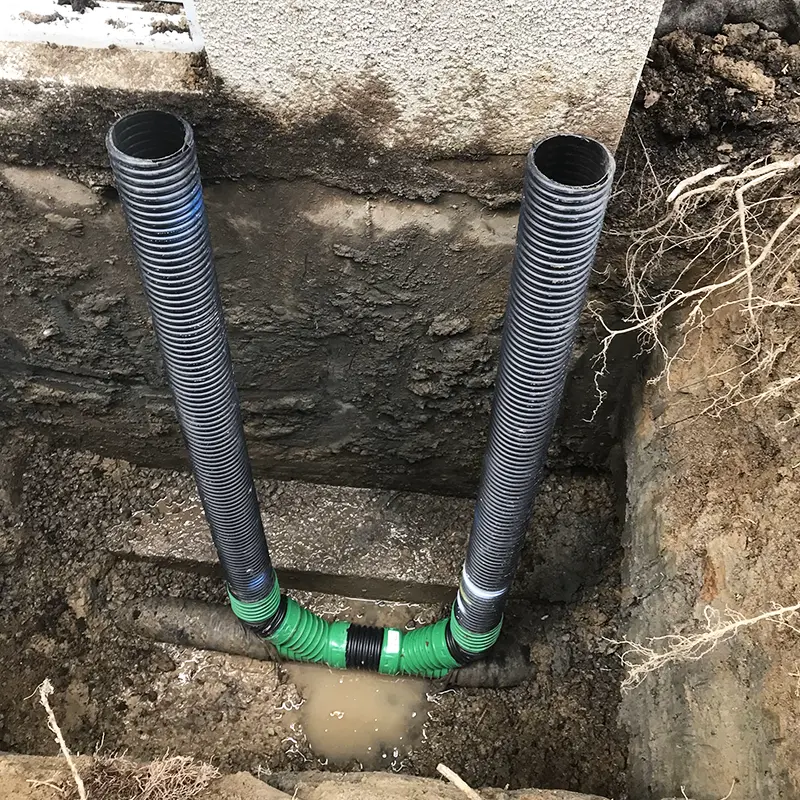
Source: Solusec Inc
In some regions of Canada, French drains can be affected by iron ochre, a reddish-orange, sludge-like deposit caused by iron bacteria in the soil and groundwater. This material can clog drainage systems and reduce water flow around the foundation.
If your property is in an area prone to iron ochre, your drainage system may need to be adapted. A contractor may recommend:
Clean out access points at key locations
A pipe design that is easier to flush
A properly sized sump pit and sump pump
Regular drain maintenance or annual flushing
Additional drainage layers to reduce clogging risk
These upgrades can increase the cost of the project, but they may be necessary to prevent the new drain from clogging prematurely.
How to Choose an Excavation or Waterproofing Contractor in Canada
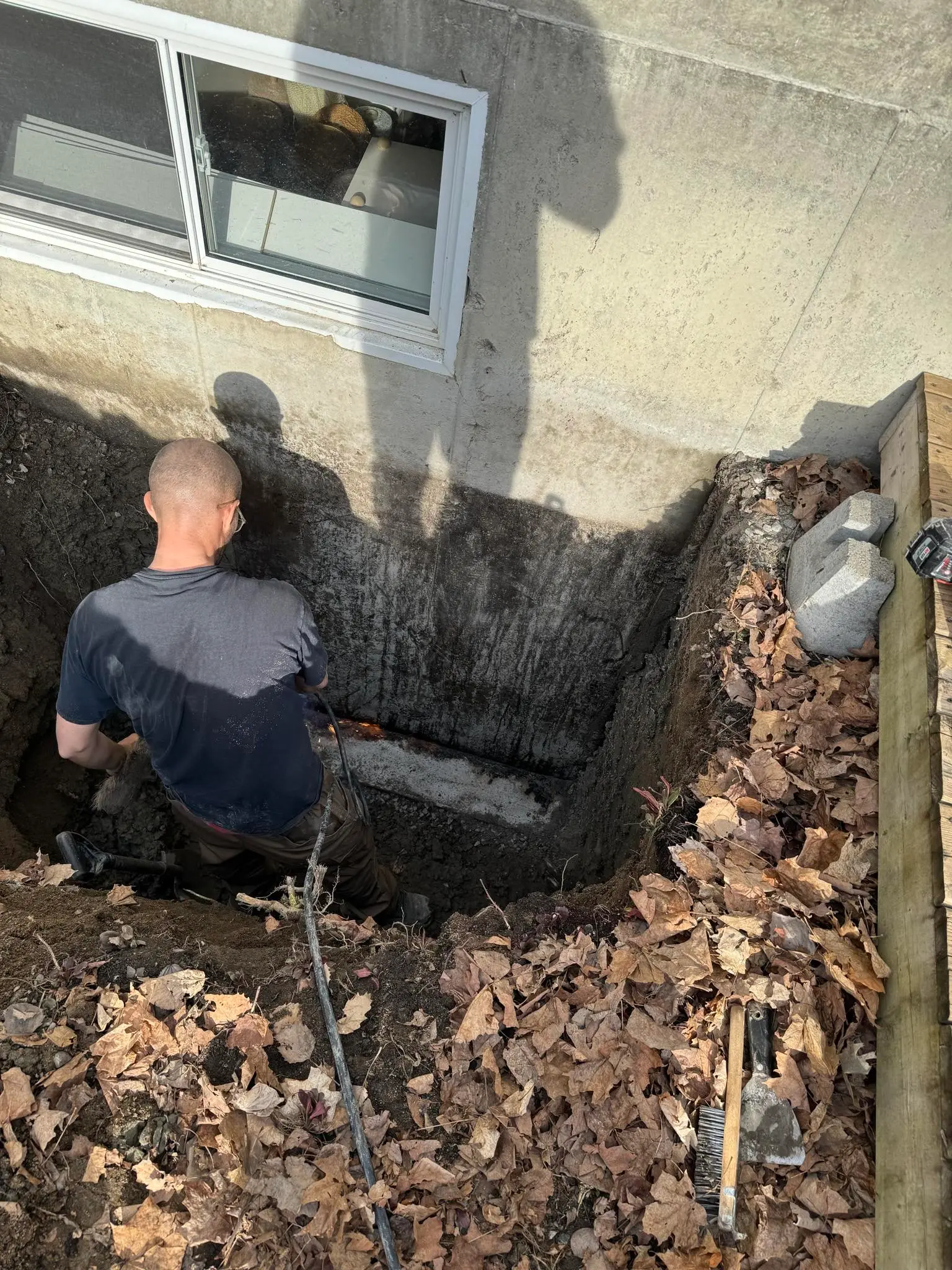
Source: Xpert Excavation Inc.
Replacing a French drain is one of the most important exterior renovation projects you can do on a home. Since the work affects your foundation, drainage and basement protection, choosing the right contractor is essential.
Licensing and Local Requirements
Contractor licensing rules vary by province. In some provinces, contractors must hold specific trade licences, business registrations or municipal permits, while in others, requirements may depend on the type of work being performed.
Before signing a contract, homeowners should verify that the contractor is legally allowed to perform excavation, drainage and waterproofing work in their province or municipality. You should also ask whether permits are required and whether the contractor will handle the permit process.
Insurance and Warranty
A qualified contractor should carry liability insurance. For major excavation work, homeowners should ask for proof of insurance before the project begins. This matters because excavation can involve risks such as damaging gas lines, sewer pipes, water lines, foundations, driveways, landscaping or neighbouring property.
The quote should also clearly explain the warranty. Ask what is covered, for how long, and whether the warranty applies to both labour and materials.
Pro tip: Never rely only on a verbal agreement. A proper contract should clearly describe the full scope of work and the materials that will be used. Ideally, it should specify the excavation depth, the type of drain pipe, the type of waterproofing membrane or drainage board, the type and quantity of crushed stone, and whether filter fabric or geotextile will be installed. It should also detail post-project landscaping (site restoration, asphalt, pavers, or decks).
Protect Your Foundation by Comparing the Right Quotes
Installing or replacing a French drain in Canada is a major investment, but it is also one of the most effective ways to protect your home from basement moisture, water infiltration and long-term foundation damage. Since costs can vary widely depending on excavation depth, site access, soil type, material quality, drainage connections and local rules, homeowners should not rely on an average price alone.
Before starting the work, take time to verify the contractor’s qualifications, insurance, warranty and quote details. A strong estimate should explain the drainage system, waterproofing method, backfill material, soil management, discharge strategy and site restoration. By comparing several qualified contractors, you can better understand price differences, avoid unpleasant surprises and choose a durable solution that helps preserve the value of your home.
Looking for something else?
Related articles
The latest industry news, interviews, technologies, and resources.
Editorial Team
•08 May 2026
As the sunny and cozy season comes to a close, the bright autumn leaves begin to fade, making way for grey November skies.
Cynthia Pigeon
•11 May 2026
To maintain your already thriving plants or to shelter them from the cold weather during spring and autumn, there are multiple options available to you. Whether to protect your plants from the winter’s cold front or to keep your flimsy plants protected against adverse weather conditions, a greenhouse is an ideal solution, fit for all green thumbs or aspiring gardeners out there.

Équipe éditoriale
•11 Dec 2024
It’s no secret that over the past few years, green construction has grown in popularity and for good reason! An ecological home is trendy due to its green efficiency, its lack of carbon footprint as well as its eco-friendly capabilities.
Editorial Team
•08 Nov 2023
Who doesn’t like wooden floors? The wide-ranging species are sought-after, whether installed inside or outside. However, while wood may be well-acclimated and low maintenance inside your home, it’s another tale when facing Mother Nature in your backyard.

Editorial Team
•08 Nov 2023
You may be of the mind that renovation is renovation. When considering the end result, this is the case but when it comes to the process itself, there are many different factors that weigh in. If you’re currently living in a condo and wanting to renovate, you’ll face certain limitations, possibilities and strategies for approaching it. In this article, we’re going to look at a condo kitchen renovation and all of what you should consider when renovating this space. This will help you to avoid unwanted surprises during the process.