Hemp as a Building Material: What You Need to Know
By Editorial Team
Updated on November 8, 2023
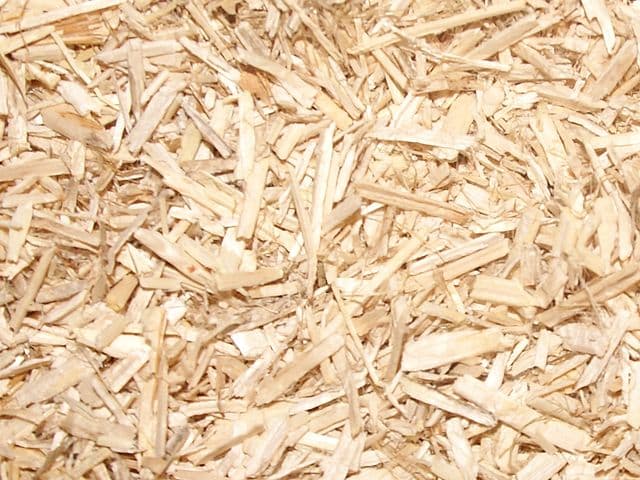
By way of an introduction, it seems relevant to establish that hemp is a plant initially cultivated for its textile fibres. Highly resistant, hemp has appeared in the world of renovation thanks to its numerous and diverse qualities.
Present in multiple forms, hemp is composed of 70% silica, hence a frequent comparison with quartz. Without further ado, here’s a portrait of hemp and its properties as a building material.
Hemp: an insulating material
Hemp is often compared with lime, and their union creates an insulation material capable of meeting the requirements of most Building Codes. The latter establishes that a minimum rating of R24 is necessary to obtain quality insulation. With a rating of R25, lime complies with these requirements.
Hemp for the benefit of temperature regulation (insulation)
Not only is hemp effective for insulating walls and floors, but it also has the advantage of regulating the temperature inside a home or cabin. In this regard, combining lime and hemp makes it possible to use the mass of lime to store heat and cold and gradually redistribute them. This natural humidity control allows the inhabitants of the home to enjoy a comfortable living space during both the summer and winter months.
This type of thermal inertia allows the energy produced by the sun's rays to avoid overheating the home's interior. This high inertia rate is made possible by the imposing mass of hemp concrete, which is composed of the following three elements:
Crushed hemp (woody part of the hemp used as mortar);
Air lime (acting as a binder to ensure the consistency of hemp);
Volcanic rock (to improve the overall strength of the concrete).
Other benefits of hemp as a building material
At first glance, it should be noted that hemp works to repel against animals and insects (mites, ants and termites). As a result, wooden frames are guaranteed not to suffer premature deterioration by the harmful action of these undesirable.
On another note, it should be mentioned that hemp has considerable sound-absorbing properties, thus adding a string to its bow. One again, its mass is put to use.
As hemp is a 100% natural material, it’s considered to be an eco-responsible choice. Completely biodegradable, hemp has the advantage of renewing itself quickly. Further, in the same way as wood, it makes a remarkable contribution to reducing greenhouse gases by acting as a carbon sink.
It seems that its textured look catches the eye while it contrasts with the smooth, uniform appearance of gypsum. For those interested in looking for a natural-looking material, this moves away from industrial finishes, and thus hemp is a candidate that could work well for you.
Moreover, hemp is a breathable material. That is to say, it is able to evacuate moisture from its mass by itself and thus, able to avoid the damage that would cause the storage of water vapour in its structure. In conclusion, it should not be overlooked that hemp is a non-flammable material.
Hemp: a building material with many facets
Hempcrete
Since the wooden frame is completely wrapped in a mixture of hemp and lime, its solidity is guaranteed. This results in the elimination of energy loss caused by thermal bridges. It’s also possible to mould hemp according to what you want, whether you’re tempted by a conventional style essentially composed of right angles or by structures marked by the presence of arches.
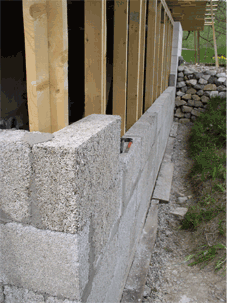
Hemp block
Concretely, the hemp block is a pre-moulded and pre-dried version of the hemp formwork, the particulars of which have been discussed above. It can be used just as much for insulating walls as for their construction. In this regard, note that it’s quite possible to build your wall entirely from hemp blocks or use them as a lining for a pre-existing wall.
The coating of hemp and lime
This type of coating is praised for both its insulating and sound-absorbing properties. In addition, its great versatility makes it a plaster as suitable for the requirements of new constructions as for the restoration of ancestral dwellings. Its aesthetic appearance even allows it to be used as a finishing plaster without fear of obtaining an unkempt final result.
The hemp plaster is applied directly to the concrete walls, provided that they’re not painted. Thanks to a trowel, it can be easy to stretch.
Stabilized hemp for roof insulation
For its part, stabilized hemp is a filling-type insulator, sold in bulk. The stabilized hemp is a second layer on the hemp formwork of the ceiling in order to insulate the roof efficiently.
Hemp fibre in panels or rolls
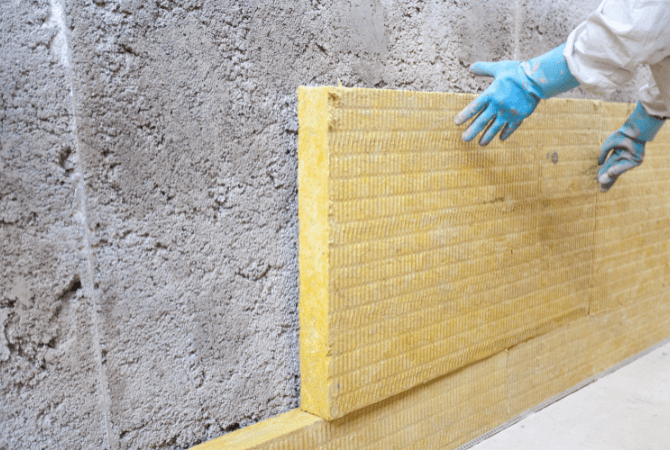
Hemp fibre is particularly effective for insulating roofs and roof spaces. Although a single layer provides adequate performance, cross-overlapping two layers will provide optimal insulation efficiency. It should be noted that here too, hemp fibre highlights the performance of hemp in terms of sound insulation.

Some disadvantages of hemp as a building material
First of all, it should be noted that it’s imperative to call upon the expertise of a professional to implement this material. Secondly, the cost of this material is also a barrier in terms of its popularity. Indeed it’s a very expensive material when used for insulating properties alone. Its finish is also much more expensive than that of wood or paint. If you are still planning on opting for hemp in your renovation project. Allow from $14,50 to $24 per square foot.
Get 3 renovation quotes for your air barrier renovation project
RenoQuotes.com can help you get quotes for your insulation project with hump. By submitting your project to us, we’ll put you in contact with top-rated contractors. Fill in the form on the homepage (it only takes a few minutes), and you will get estimates from trusted professionals.
Dial 1-844 828-1588 to speak with one of our customer service representatives.
Looking for something else?
Related articles
The latest industry news, interviews, technologies, and resources.
Editorial Team
•04 Sep 2024
Slab insulation plays a key role in overall home construction as it improves energy efficiency, controls moisture, increases durability, and reduces energy costs. Although your concrete slab insulation might vary depending on local building codes, it doesn't hurt to install one in your home.
Cynthia Pigeon
•31 Jul 2026
In Canada, an installed central heat pump generally costs between $6,000 and $13,500, depending on the system size, energy efficiency, existing HVAC setup, and any related work required. This amount usually includes the equipment and specialized labour, but the final price can vary based on the unit’s capacity, SEER2/HSPF2 ratings, ductwork condition, electrical requirements, and local labour rates. Financial assistance may also be available depending on your province, municipality, income level, heating system, and the model installed. Federal programs have changed significantly in recent years, so it is important to verify active rebates before signing a contract.

Karine Dutemple
•05 Nov 2024
Are you tired of the boring décor in your bedroom? Do you want to transform your space into a grand relaxation area? How can you infuse elegance into your room while ensuring it remains comfortable and inviting? What about balancing contrasts or adding a touch of romance? If you’re looking for inspiration, you’ve come to the right place! Explore these ten stunning examples of elegant bedrooms that will inspire you to refresh your décor and create the serene retreat you’ve always wanted.
Editorial Team
•16 Jul 2026
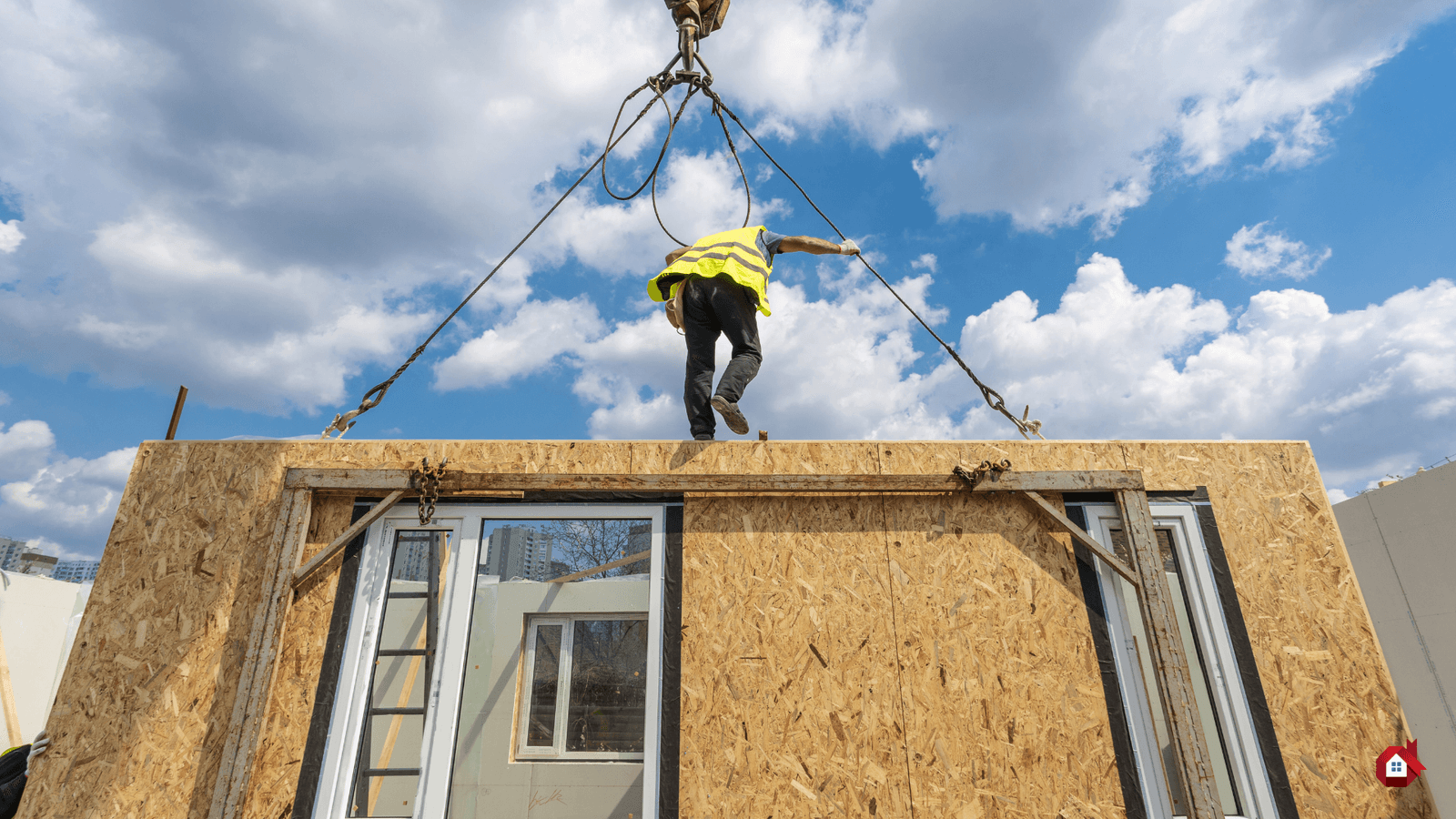
The housing crisis has been a pressing issue in Ontario for several years now, with rising prices and low availability making it increasingly difficult for residents to find affordable and suitable housing. In response to this, modular homes or housing have emerged as a potential solution that could help address these challenges and provide a more sustainable and efficient way to build homes in the province.
Cynthia Pigeon
•01 May 2026
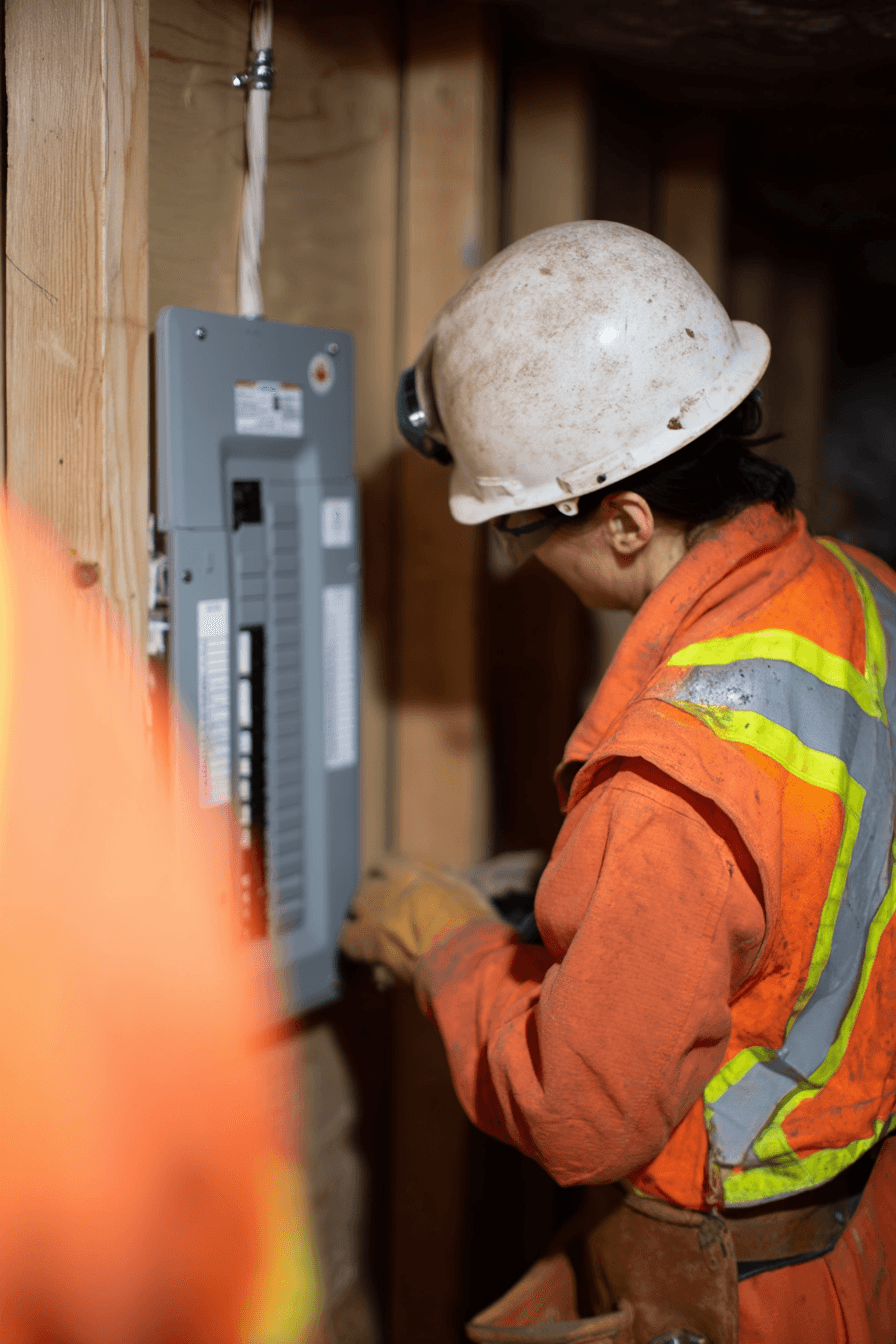
Upgrading to a smart electrical panel can help monitor energy consumption, prioritize loads, and better integrate an electric vehicle (EV) charger or solar panels. However, it does not always eliminate the need for a full electrical service upgrade. By intelligently managing loads, these systems can optimize your electricity costs during peak demand periods and enhance protection against overloads.