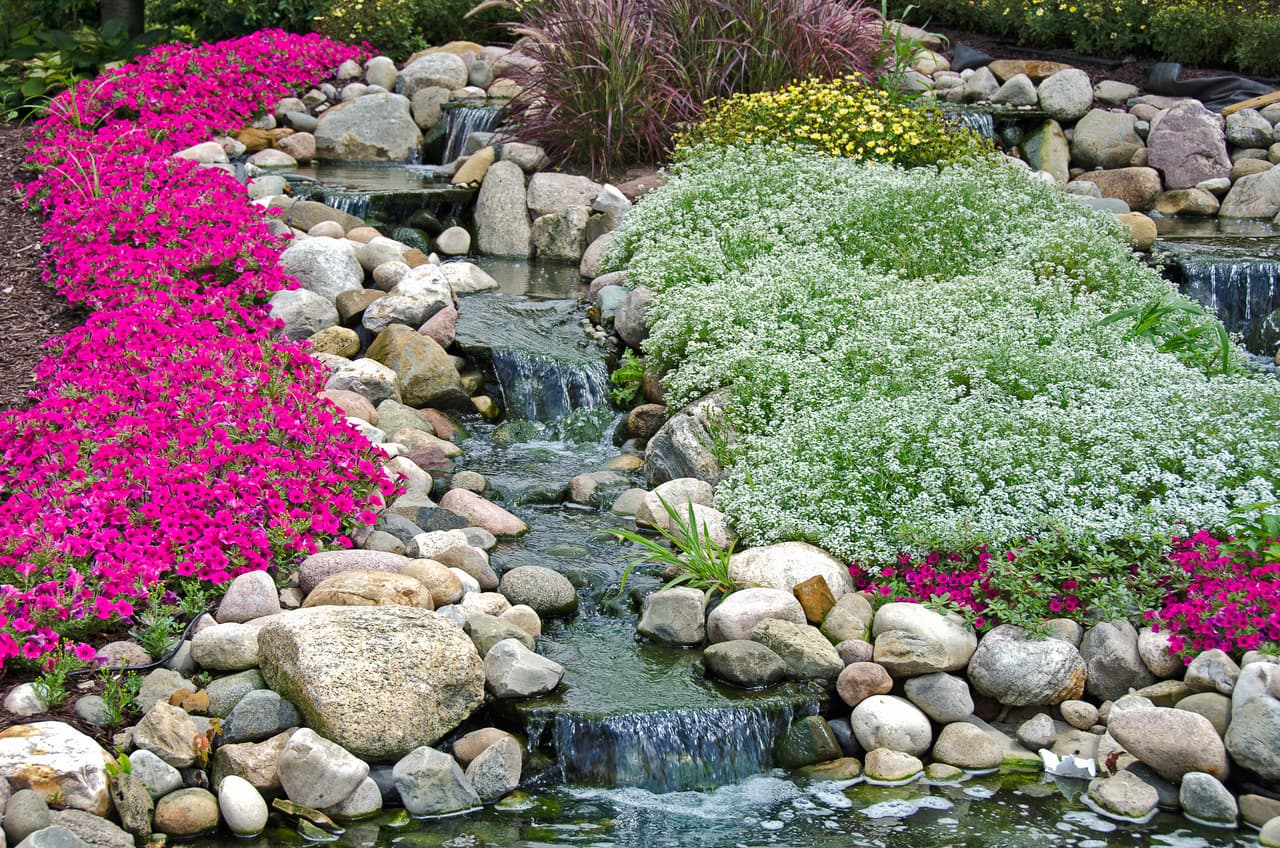
Plenty of visual interest can be created to spruce up the exterior part of a home. In fact, many homeowners place great attention to detail in curb appeal. This includes facade features, maintenance as well as landscaping.
If you’re lucky to have a front or back yard with lots of space, you may be thinking about different features to incorporate. Have you ever thought about the beauty of a rock garden? This eclectic and low-maintenance addition is an excellent option for any home, regardless of taste and style.
Wanting to include a rock garden on your front or back lawn is one thing, but how can you arrange it so it’s contained, appealing and works with your landscape? We’re here to offer some guidance and inspiration for those interested by the realization of this type of project.
Here’s how to build a rock garden
The positives of a rock garden
source: pexels
Rocks may have the reputation of being dull and lifeless, unable to add colour or excitement to a landscape. But that couldn’t be further from the truth. In fact, a rock garden can do a lot in terms of the visual contrast of a lawn, breaking up and highlighting other natural features such as flowerbeds, plants, and trees. Rocks offer a sense of rhythm and form that flowers and greenery don’t possess.
If you’re living in a place that experiences all four seasons, a garden of this type can provide year-round interest on an otherwise snowy plane. If erosion is a problem on your lawn, this feature can also provide a way to stabilize the soil. Another scenario is that if you’re already dealing with less-than-desirable rocky landscape, framing a rock garden to include or highlight this can be a glowing advantage.
Steps to create a rock garden
1- Gather equipment
No matter the size of the garden you plan to create, here’s what you’ll need to complete this project:
trowel ;
wheelbarrow ;
shovel ;
stones, soil and plants of choice.
2- Choose a site and garden elements
Carefully considering the location of your garden is important. This is definitely a landscaping feature that you won’t want to move after it’s in place. Since it’s such a permanent fixture, consider where it would best be situated.
The elements you plan to incorporate into your garden will have a lot to do with where you end up putting it. Remember, if you’d like to include a water element such as a small fountain or flowing pool, you will need to access electricity. If you’re bringing large rocks onto your site, think about how you can get them in place, such as asking for or hiring assistance. Lastly, we’d suggest you consider the amount of shade your rocks will generate, as this will determine what plant life can live alongside them.
3- Source your rocks
source: unsplash
The source of your rocks will depend on a number of factors. These include where you’re living and what types you’d like to work with. Since it’s difficult to envision everything before you’ve seen the rocks themselves, we’d suggest choosing what you’d like to include in the initial stages of this project.
As mentioned, depending on where you live, you’ll have different types of rocks available to you. Not only this, but certain types will be better for certain climates, landscapes and designs. Do you want to work with long, flat rocks? Big boulders? Smooth stones? All of the above? Do some research to better determine the types that are native to your area.
Of course, even if you choose the specific type of rocks you’d like to work with, the ones you end up using will still vary in shape and size. With this in mind, we’d suggest sketching out the arrangement of how you plan to place your rocks. This will be helpful when they do arrive, as you can place them as close as possible to what you’ve drawn.
4- Choose compatible plants
You may not want to work with plants at all, as this could be the reason why you’ve chosen to build a rock garden in the first place. However, accessorizing with greenery and flowers will offer another element of visual interest that could work to further brighten your lawn. Again, the ones you choose to work with will depend on the amount of light available between rocks as well as plants that are native to your region. Here are some options you may consider:
bluebell;
periwinkle;
bleeding hearts;
prickly pear cactus;
creeping phlox;
sedum;
rockcress;
cranesbill.
5- Build your garden
source: pexels
Before putting down a single rock, map and choose the area you’re going to work within. Clear it of all weeds and debris. If you’re working with a large, or several large, rocks, you’ll want to dig a depression for these to sit.
For stability, experts recommend that a third of the rock is buried. Dig and position larger rocks at the start, filling in with dirt to keep them in place. Following this, you can begin to arrange smaller rocks and other plants you’re including. Remember to leave some extra room and soil for plants that will sit in spaces between them.
Want to get an overview of the cost of your landscaping project? Check out our article Landscaping : the Costs of Various Projects for 2020.
Looking for something else?
Related articles
The latest industry news, interviews, technologies, and resources.

Léa Plourde-Archer
•15 Nov 2024
With the arrival of warmer weather, spring cleaning is in full swing. While many start indoors, the exterior of your home deserves attention as well. How do you ensure your home's exterior siding looks its best for the summer? What are the best techniques for cleaning different types of siding materials? Whether you're tackling aluminum, vinyl, wood, or brick, each material requires a specific cleaning approach. From using pressure washers to scrubbing with soft brushes and applying the right cleaning agents, this guide will answer all your questions about how to effectively clean and maintain your home’s exterior siding.
Editorial Team
•08 Apr 2026
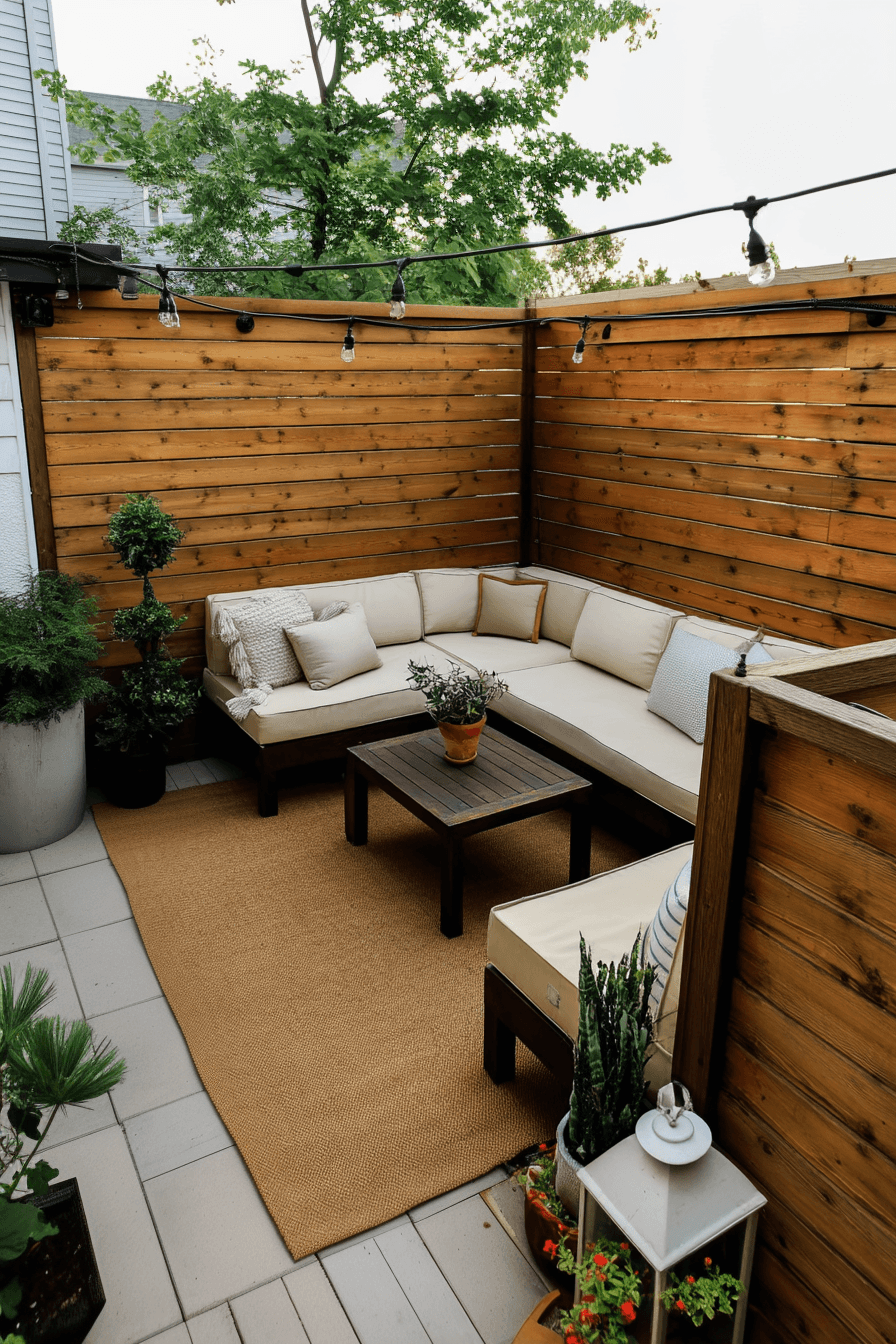
In 2026, the average cost to build a deck or patio in Canada typically ranges from $35 to $130 per square foot, installation included, with higher-end prices usually tied to premium materials such as high-end composite, aluminum, and glass railing systems. For a standard 12 x 12-foot deck (144 sq. ft.), homeowners can generally expect a budget starting at around $5,500 for pressure-treated wood and climbing to $18,000 or more for a premium composite build with glass railings and helical piles. Material choice and foundation type remain two of the biggest factors affecting your final quote.

Editorial Team
•08 Nov 2023
It can’t be denied that the summer season is enjoyable for almost everyone, with hot days and warm nights that can finally be spent outside. But sometimes, the temperatures reach a peak and joy slowly moves towards discomfort. Luckily, technology has allowed for the air conditioner.
Editorial Team
•12 Mar 2026
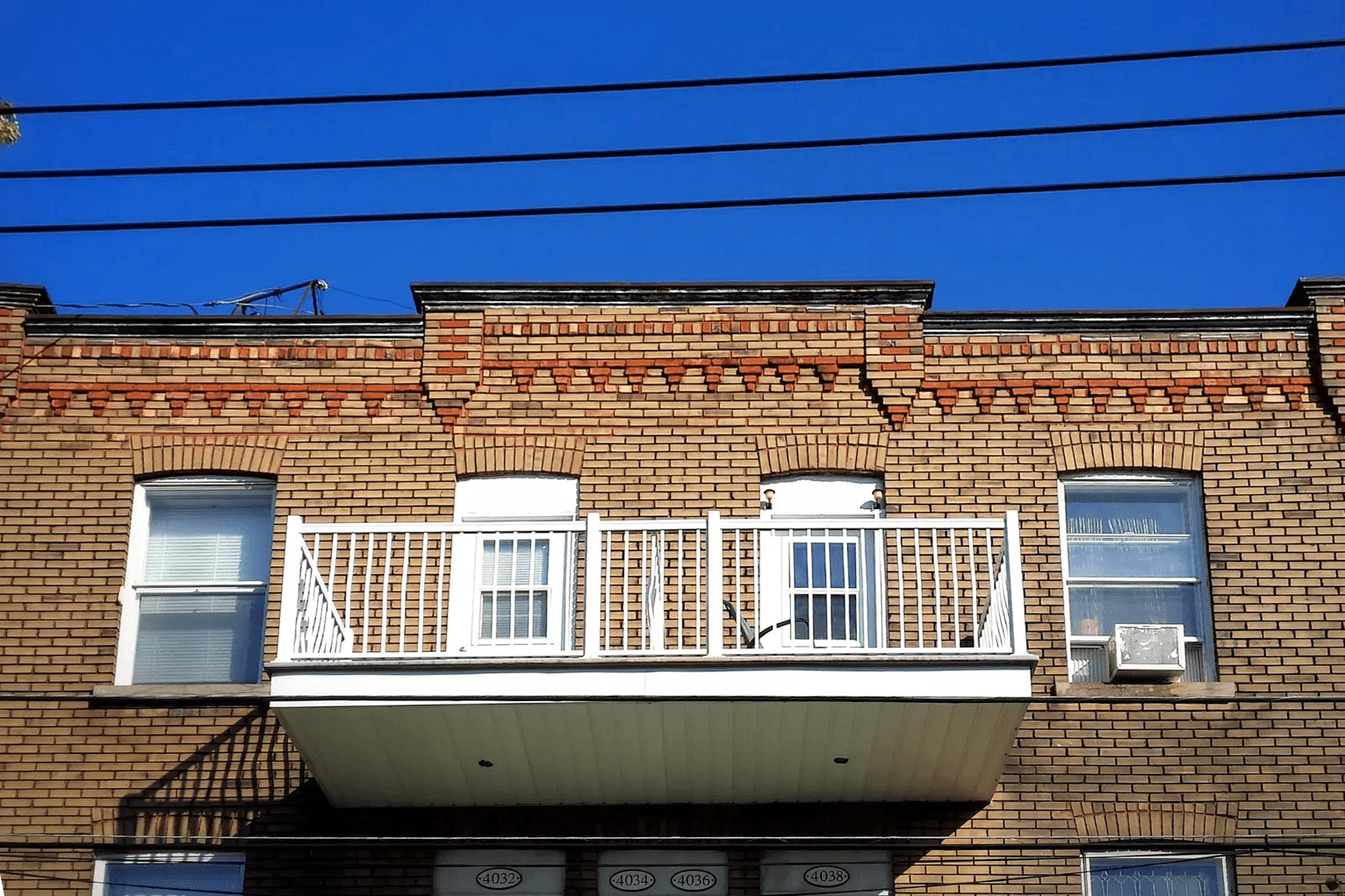
Balcony decking is as abundant as it is diverse. While wood ranks amongst the top favourites, fibreglass isn’t far behind, quickly gaining popularity.
Cynthia Pigeon
•03 Jul 2026
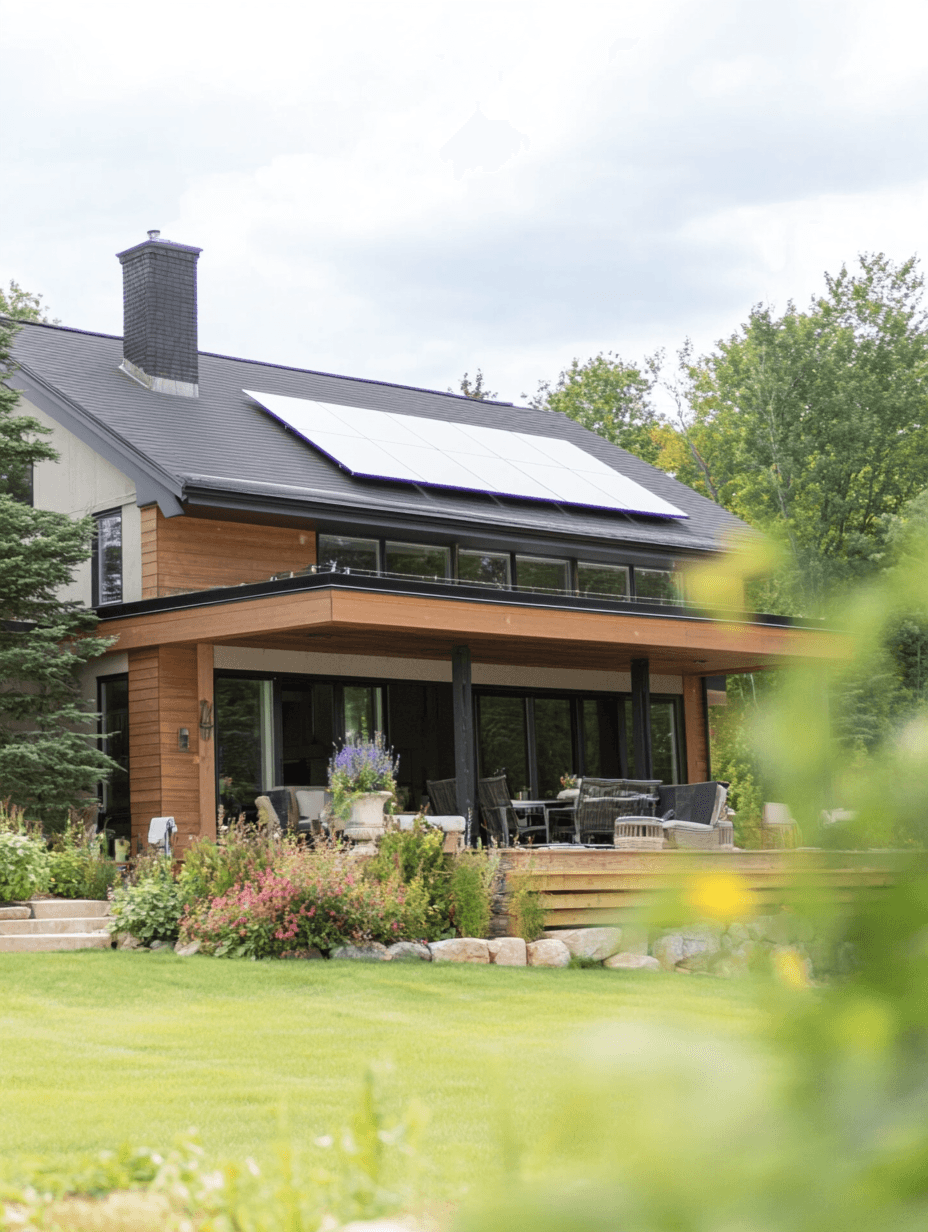
The concept of a net-zero home has become an important benchmark in energy-efficient housing. For owners of single-family homes in Quebec, undertaking a high-performance energy retrofit is no longer just a green ideal; it is a strategic decision for long-term property value. The goal is clear: to transform an energy-hungry house into a home with a zero or very low annual energy balance, often connected to the grid, capable of producing as much energy as it consumes over the course of a year.