
In North America, our weather is fairly unpredictable. As a result, we need to be able to rely on our home's heating system to keep us warm during those notably cold months.
How many homeowners are curious about how these home heating systems actually work?
It would be worth your while to know what type of heating system you have in your home, as well as how it functions to keep friends and family toasty. Maybe you're considering a renovation project to go green-friendly, or your outdated furnace needs to be replaced. Whatever the case, we're here to offer some guidance regarding how your home heating system operates!
How a home heating system works
Central Heating

All central heating systems operate using a primary heating appliance, commonly a furnace or boiler. Generally, this unit is large and awkward, and thus, will reside somewhere out of sight such as the basement or garage of the home. Its main function is to deliver heat and dispense it throughout the house. This happens by pumping warm air through the house by way of a system of air ducts or sending hot water or steam through pipes to radiators or convectors.
With either system, thermostats control the heat and/or cooling unit, turning it off and on as room temperatures rise and fall. A typical forced air system will have a single thermostat. Some homes do not have a central heating system, and they will utilize electric heating or baseboards.
If you are a homeowner in North America, it is likely that your home’s heat is dependant on a central furnace. For contemporary homes, the most common type of centralized heating is a ducted air system; if you notice an air conditioner, heat pump or furnace, then your home has a ducted air system. There are 2 main types of ducted air systems: forced-air and gravity, and either of these can be powered by electricity, natural gas or fuel oil.
Forced Air Versus Gravity Furnace
Forced air systems operate with a furnace that warms the air and an air conditioner that cools the air, as well as a heat pump that warms or cools the air. A blower works by forcing the heat or cooled air through a system into areas of the home.
If your heating system includes an air conditioner or heat pump, it is a forced-air system. In contrast to a forced-air system, a gravity furnace uses naturally occurring convection currents to carry heated air through the system from a furnace that is located below the main floor. Unlike forced air systems, gravity systems cannot deliver cooled air and tend to have very large air ducts and no blowers.
Central gas heating system
A central gas heating system creates a cycle, increasing the temperature of cooler air to heat it up. Inside the furnace, burning propane or a natural gas generates heat in the burner, this fuel is then mixed with air and burned.
The flames created heat up a metal exchanger and air from the home is blown over this exchanger, causing it to warm. Then, the furnace's blower forces this heated air into the supply ductwork, and it is distributed throughout the home.
Combustion products are vented out of the building through a flue pipe. More recently, minimum-efficiency furnaces reduce waste by using an inducer fan to pull the exhaust gases through a heat exchanger, inducing a draft in the chimney.
Boilers

source: Pixabay, akiragiulia
While furnaces carry heat by way of warm air, boiler systems distribute the heat by way of hot water. A boiler uses a pump to circulate hot water through pipes to radiators, the hot water passes through radiators or other heating devices. Then, cooler water returns to the boiler to be reheated. Generally, at-home boilers use natural gas or heating oil as fuel.
Although uncommon in contemporary households, steam boilers boil water and the steam carries heat throughout the house, condensing water in radiators as it cools. Certain boiler hot water systems circulate water through tubing in the floor, a system also known as radiant floor heating. As with furnaces, condensing gas-fired boilers are common and more efficient than non-condensing boilers.
Heat Pump
Essentially, a heat pump is a two-way air conditioning system, as it has the ability to provide both heating and cooling. In colder months, the heat pump works by extracting hot air from outside and bringing it indoors. In warmer months, it reverses its tactic by taking heat from indoors and pumping it outside. Heat pumps come equipped with an outdoor compressor/condenser unit that is connected by refrigerant-filled tubing to an indoor air handler.
As the refrigerant moves through the system, it completes a basic refrigeration cycle, warming or cooling the coils that are inside the air handler. The blower works by pulling in room air, circulating it across the coils and pushing the air back into rooms through ductwork.
On particularly cold days, the system recognizes that extra heat is needed, and supplemental electric-resistance elements come on inside the air handler to add warmth to the air that’s passing through.
There are two common types of heat pumps: air-source and ground-source heat pumps. Air-source pumps use the outside air as the heat source in winter and heat sink in summer. Ground-source pumps get their heat from underground, where temperatures stay relatively constant year-round. Air-source heat pumps are fairly easy to install, while ground-source pumps require that a loop be buried in a long, shallow trench underground.
Heat pumps deliver more energy than they consume, as the electricity in a heat pump is used to move heat rather than to generate it. However, it is argued that ground-source units are more efficient than air-source heat pumps, so if you are considering this heating system, remember to talk with an expert about the specifics!
Would you like more informations about that subject? We have a few articles for you:
Direct Heating Systems

source: Pixabay, Tama66
Wood burning or pellet stoves make a great deal of sense in rural areas and are an environmentally friendly heating option for the home. Wood prices are generally lower than gas, oil or electricity and pellets are not only affordable but made out of clean-burning, sustainable materials that do not cause pollution. As opposed to wood-burning stoves, pellet stoves offer greater convenience, temperature control and indoor air quality.
Both wood-burning stoves and pellet stoves require maintenance, as both need to be hand filled in order to continue producing heat. Also, pellet stoves often use electric blowers, which can be fairly noisy. However, both options are worth considering if you're looking to make your home more sustainable!
Do you need some help to repair you heating system? Check out our article How to Repair a Heating System.
Get 3 renovation quotes for your heating renovation project
RenoQuotes.com can help you get quotes for your heating system renovation project. If you submit your project to us, we’ll put you in contact with 3 qualified professionals. Fill in the form on our homepage (it only takes a few minutes), and you will receive quotes from trusted roofing specialists.
Dial 1-844 828-1588 to speak with one of our customer service representatives
Looking for something else?
Related articles
The latest industry news, interviews, technologies, and resources.
Editorial Team
•08 Feb 2025
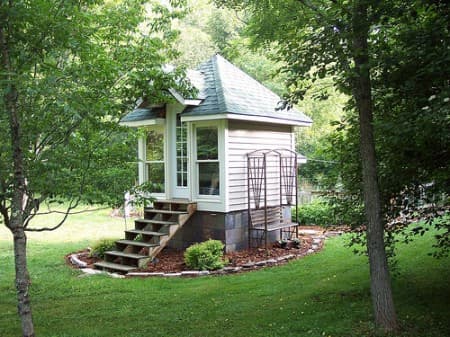
Are you drawn to the minimalist movement and dreaming of a cozy and sleek sanctuary in the shape of a tiny house? A tiny prefabricated house is much more than a small house, it guarantees reduced monthly mortgage payments and electricity bills. However, getting as much information regarding purchase-related costs and tiny house financing options is paramount. So, how much does a tiny house actually cost?
Editorial Team
•08 Nov 2023
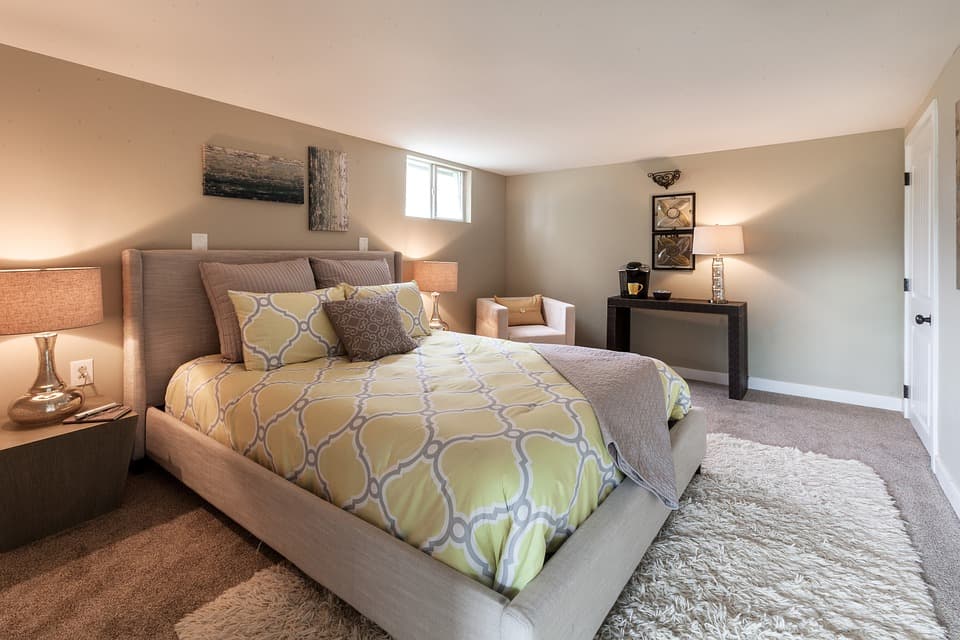
Often, the basement is a somewhat forgotten space that doesn’t get the attention it deserves. This versatile room can serve many purposes including a play area for children, a laundry room, a man cave or even a home gym.
Cynthia Pigeon
•11 May 2026
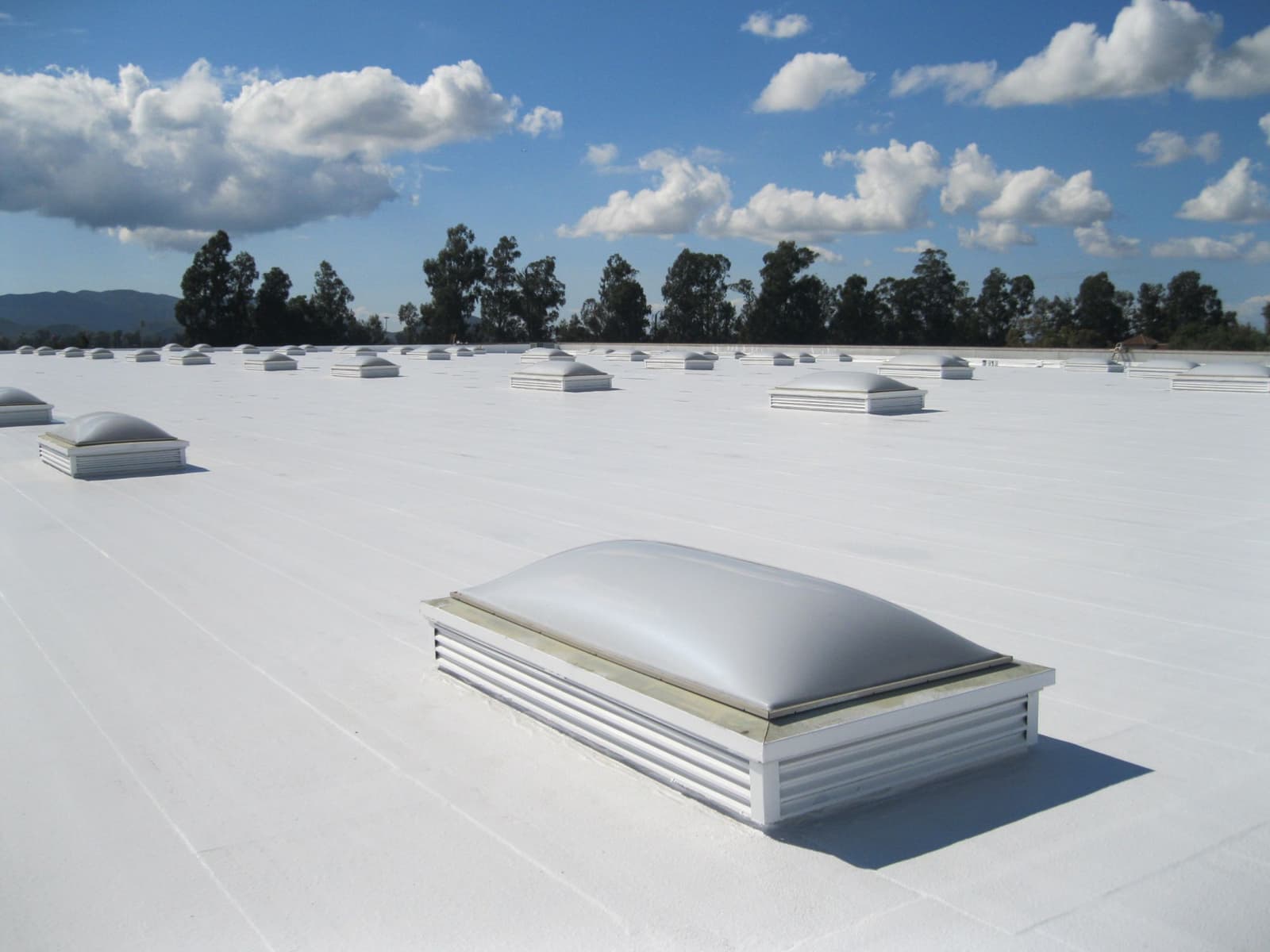
Are you thinking about installing a commercial roof, but just aren’t sure what type of roofing you’ll need? Are you looking to renovate a commercial rooftop and need some additional information to make the best possible choice? Well, you've come to the right place! Keep reading to learn all about the different materials, features, benefits, and prices for commercial roofs.
Editorial Team
•18 Mar 2026
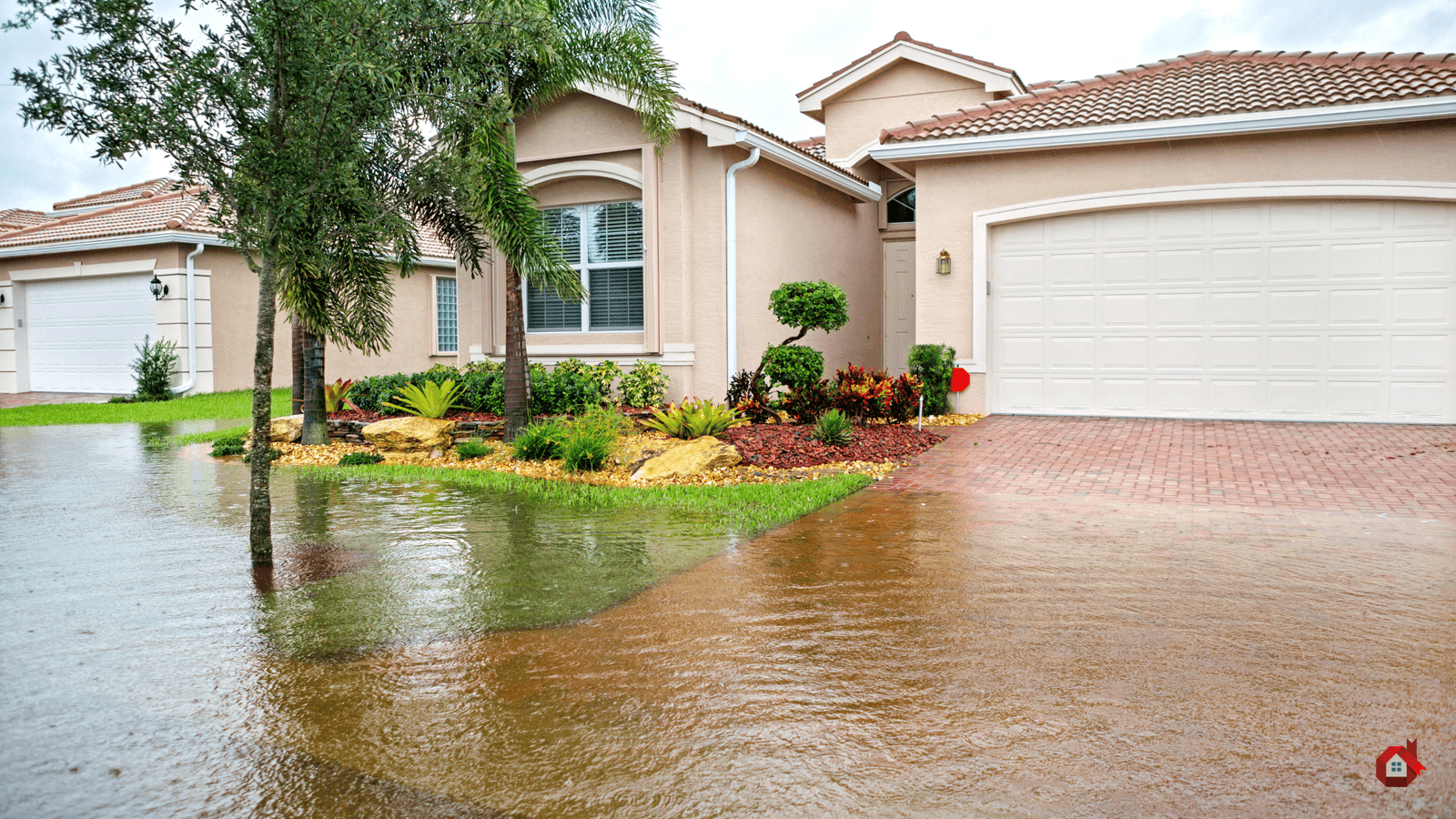
We can all recall images of people shocked at finding their homes completely destroyed as a result of major flooding. It happened in Montreal and Toronto in 2024, Baie-Saint-Paul in 2023, Sainte-Marthe-sur-le-Lac in 2019, Montérégie in 2011, and the list goes on. While once a rare occurrence, major flooding is becoming increasingly common. As a result, many homeowners are coming to terms with the fact that their homes weren’t built to withstand such natural forces.

Editorial Team
•12 Apr 2024
By 2028, the exoskeleton market will be valued at 2.9 billion U.S. dollars. At the forefront of this new, groundbreaking technology, Quebec-based businesses stand head and shoulders above the rest. So, what if, you too, were to equip your team with these new devices?