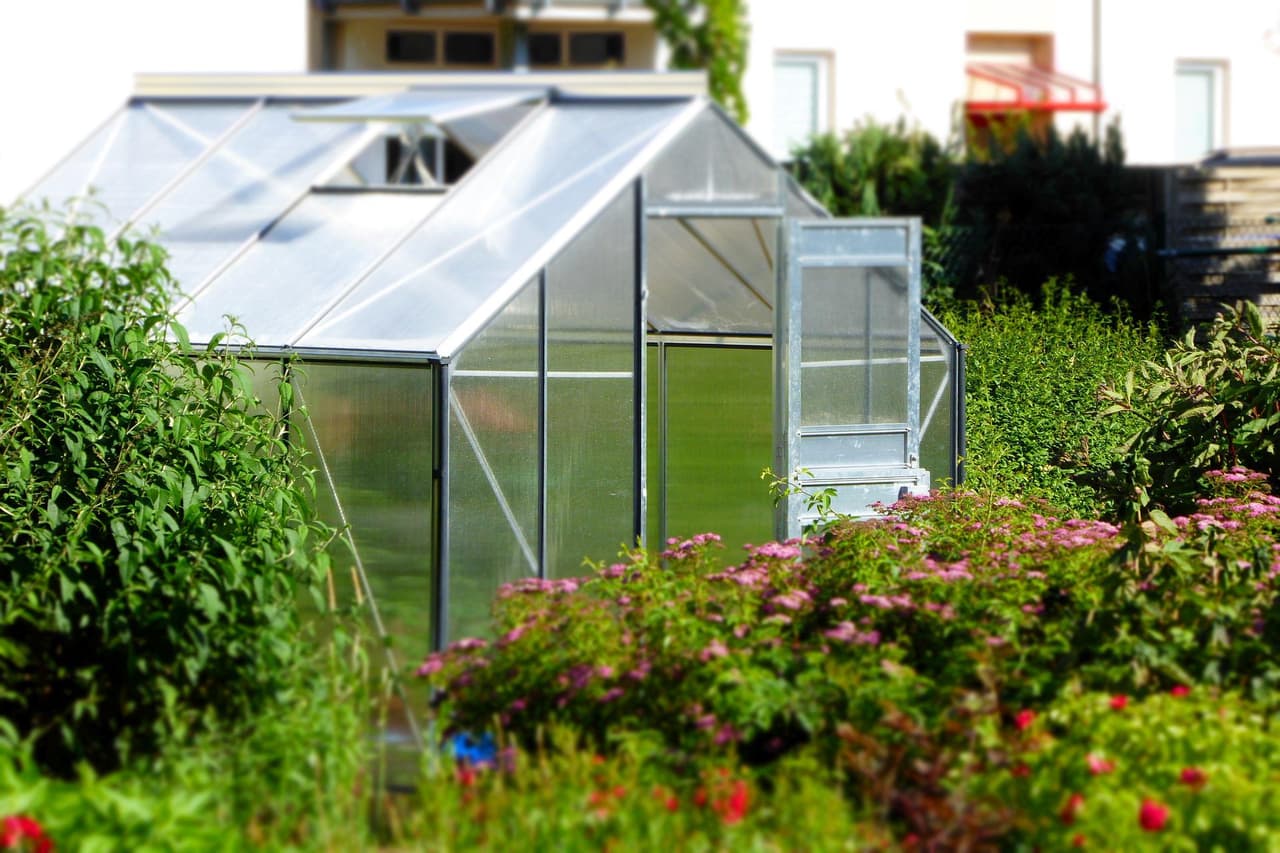
To maintain your already thriving plants or to shelter them from the cold weather during spring and autumn, there are multiple options available to you. Whether to protect your plants from the winter’s cold front or to keep your flimsy plants protected against adverse weather conditions, a greenhouse is an ideal solution, fit for all green thumbs or aspiring gardeners out there.
A greenhouse is a structure in which your plants will flourish, and just like your home, needs to be properly maintained to fully benefit from its advantages. So, here are a few tips and tricks of the trade to help you prepare and maintain your greenhouse.
Check out this related article for more information about gardens and greenhouses:
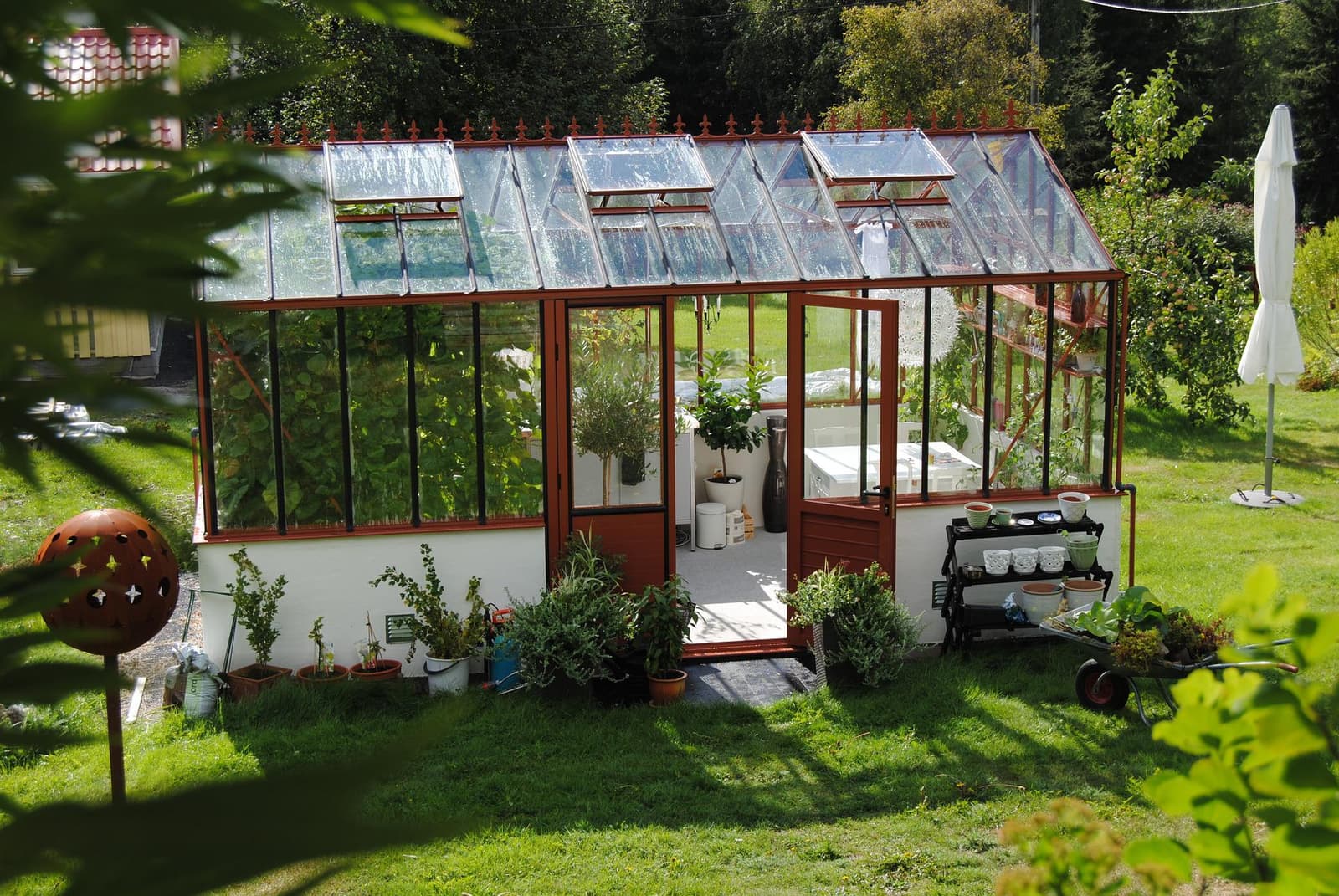
Guide to Maintaining a Greenhouse
Note that greenhouse maintenance largely depends on its size and function. Should it be a mini garden greenhouse, you can therefore benefit from the ability to completely disassemble the structure to clean every component separately. On the other hand, for three-four season greenhouses, which are usually bigger, cleaning and disinfecting should be done a little bit more diligently.
Cherry-pick your cleaning day since you will need to remove all plants during the cleaning period. To clean the entire structure, pick a day during which the weather—temperature and humidity levels—will not be a hindrance to your plants’ health.
A greenhouse exists within the same environment as your plants, therefore, should there be issues, they are both equally affected. If a greenhouse is poorly maintained, it may be seized by unwanted insects, and contrary to outdoor gardens, pests and their natural predators do not have easy access to the inside of the greenhouse, thus maintaining a clean greenhouse is all the more important to avoid insect or pest problems.
Cleaning a Greenhouse
Cleaning and sterilizing a greenhouse can be added to your gardening routine: a well-maintained and disinfected greenhouse considerably reduces the risks of your plants being affected by unwanted pests and other fungi that may be harmful to their growth.
A greenhouse may be cleaned with soapy water, but carefully so as to not leave any soap residue on any of the cleaned surfaces. If the temperature warrants it, meticulously rinse and air dry all surfaces, or allow them to dry inside. The majority of all metal structures of mini greenhouses are corrosion proof, so there are no risks involved when allowing said components to air dry.
Should the frame be made of wood, you can then go ahead and apply the necessary precautions to avoid premature deterioration of your mini greenhouse. If your greenhouse contains soil amendments within the soil itself, remove it all. Take this opportunity to replenish and enrich the soil if you have noticed that your greenhouse is simply not performing as it used to. Soil degrades over time and may be enriched with compost or fertilizer.
Disinfecting a Greenhouse
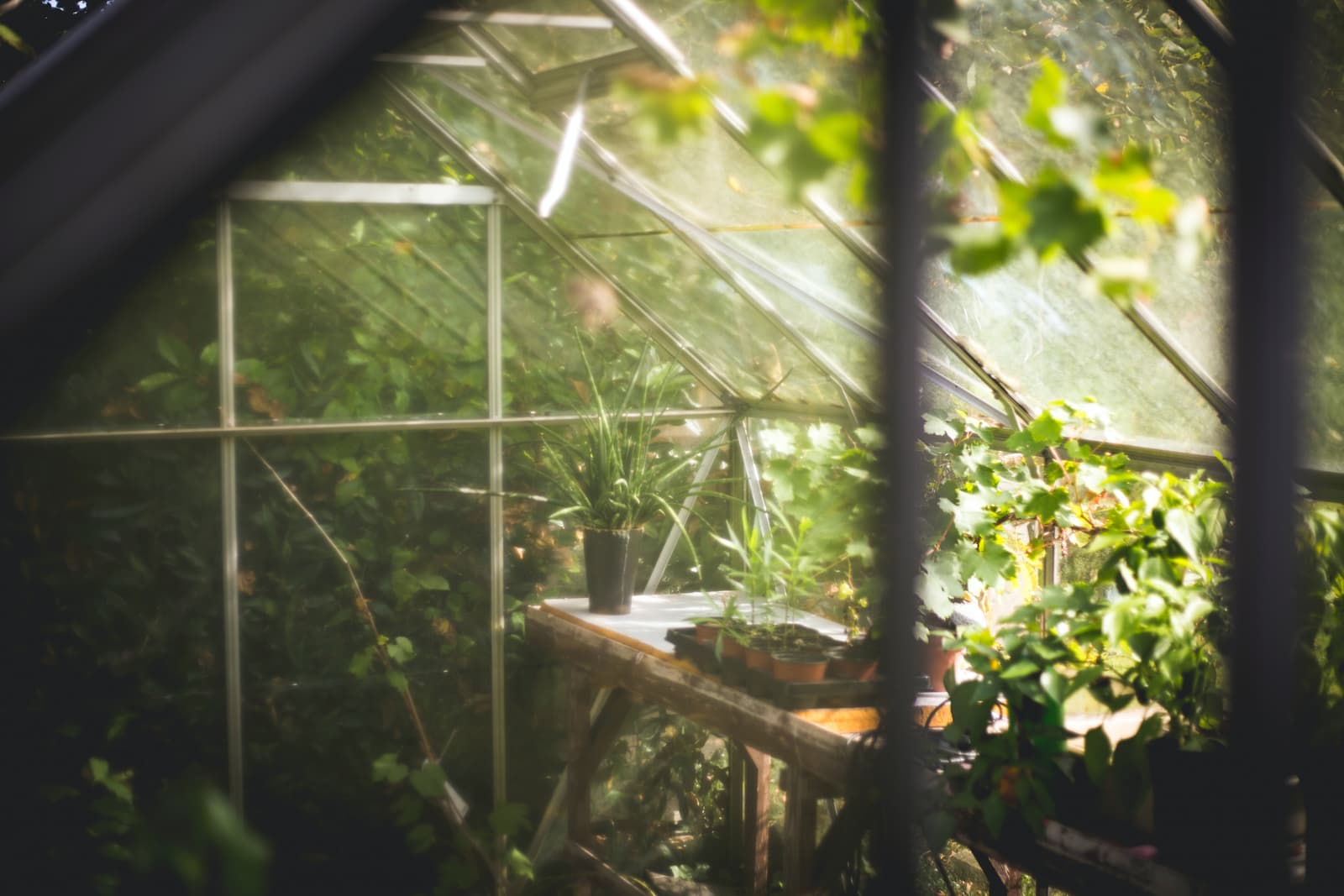
To ensure the disinfectant you are using actually performs to its full potential, it must be applied to all dry and clean surfaces. When it comes to disinfecting a greenhouse, note that it must be disinfected from top to bottom, meaning the frame, glazing or plastic sides, gardening tools, pots, floor covers, and floors, if necessary.
To disinfect a greenhouse, you can use well-known products such as bleach, hydrogen dioxide, or isopropyl alcohol. Bleach mixed with tepid water can be very useful to prevent pests like aphids and earwigs. Should you be preparing to clean a mounted greenhouse, make sure to properly ventilate the space as certain products emit harmful fumes that may cause dizziness.
You can find concentrated bleach with 12% sodium hypochlorite instead of regular 5.25 or 6% bleach. The latter will be efficient when disinfecting a greenhouse: mix 1 part bleach with 20 parts water. For a 10-litre disinfectant solution, add 500 millilitres of bleach.
If you are faced with a rather nasty pest problem, head straight to your nearest plant nursery to inquire as to which disinfectant will best fix your current situation.
Greenhouse Solarization: Complex yet Efficient
You may definitely want to employ a different method to disinfect your greenhouse if your setup is on the larger side and are experiencing problems with unwanted insects that, at times, lay eggs within the structure. Enter, stage left, soil solarization.
This method consists of using greenhouse effects to raise the internal temperature of your structure to 40 degrees and maintain it for one to two weeks to kill all unwanted insects that cannot survive such temperatures.
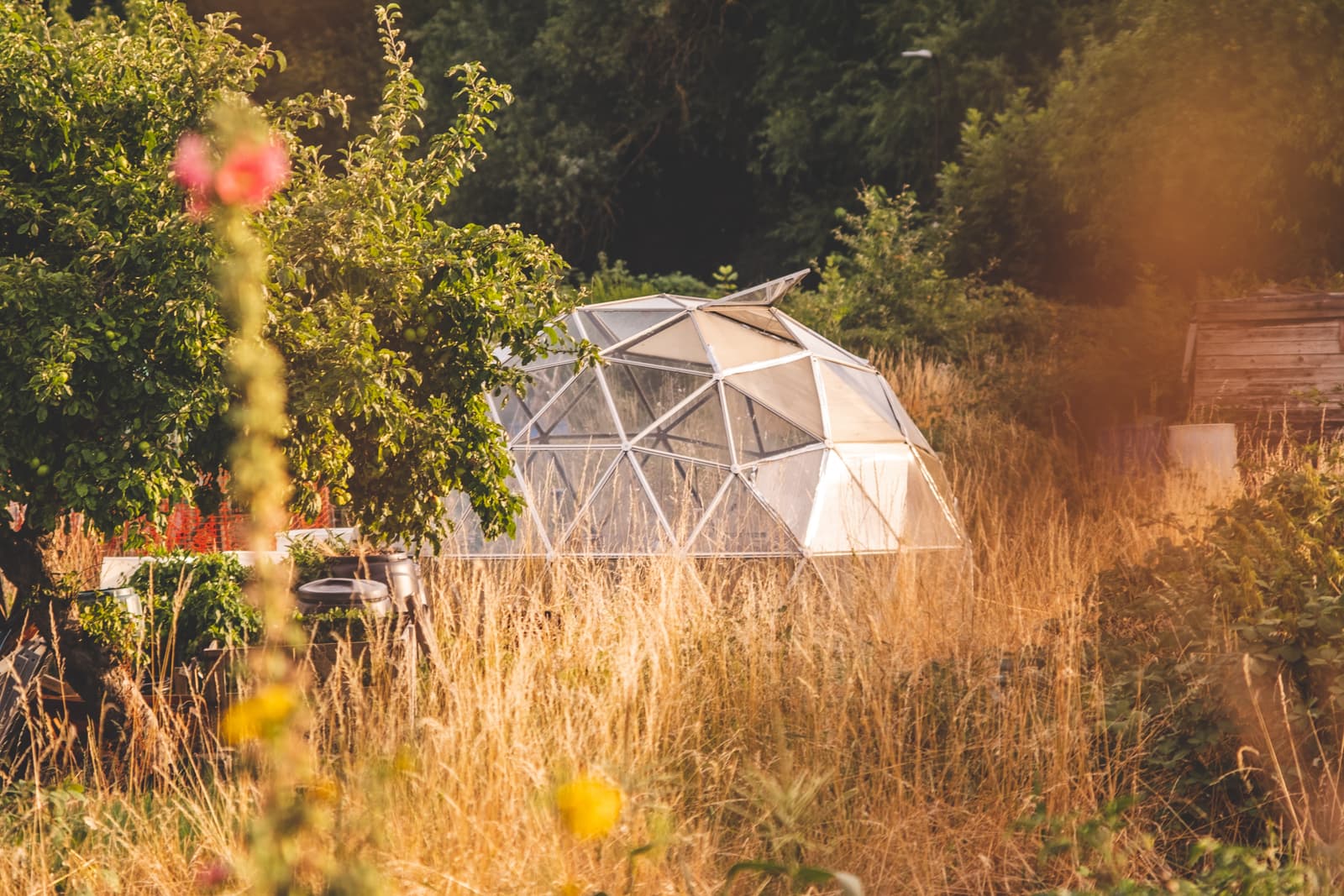
That being said, this procedure is a little more complex should your greenhouse be made of plastic or polyethylene because such temperatures maintained for long periods of time can be damaging to said materials. If your greenhouse can be heated, you can also proceed with this method by increasing the internal temperature.
This cleaning method is mainly aimed at larger greenhouses, but if you see this method as a solution to your ravaging insect problem, nothing is standing in your way. Go forth!
A clean greenhouse for healthy plants
Your greenhouse must be routinely maintained. Feel free to add it to your spring cleaning schedule and proceed with a quick inspection of your setup during the fall to find the best methods to maintain your greenhouse. Implementing these precautionary measures will avoid the growth and proliferation of fungi, bacteria, and insects.
Looking for something else?
Related articles
The latest industry news, interviews, technologies, and resources.
Cynthia Pigeon
•08 Nov 2023
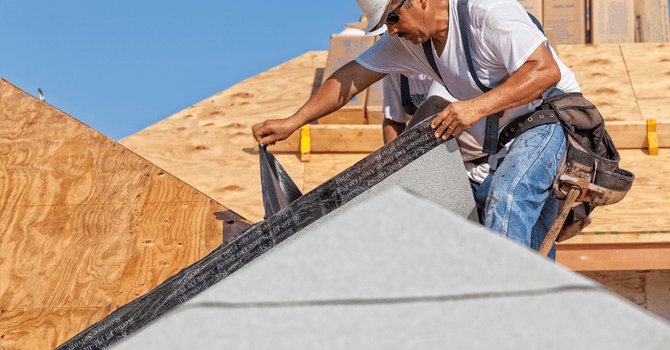
Roofing underlayment isn’t a luxury. It’s the one element that guarantees a decent and weather-protected structural design.
Editorial Team
•08 Nov 2023
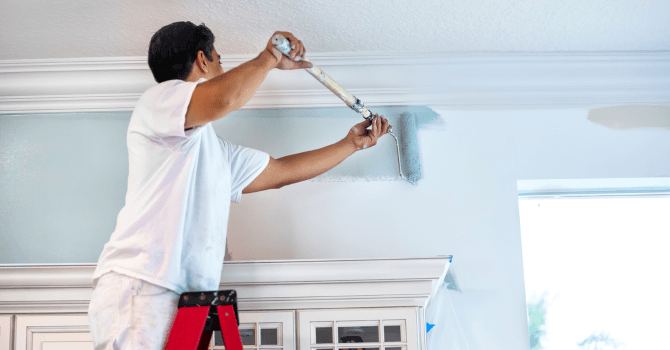
Need a bit of advice on how to get started on your house painting project? We met with Antoine LeBouc, one of our painting contractors, to give out a few of his best tips. To check out the video (in French with English subtitles), click here!
Editorial Team
•20 Sep 2024
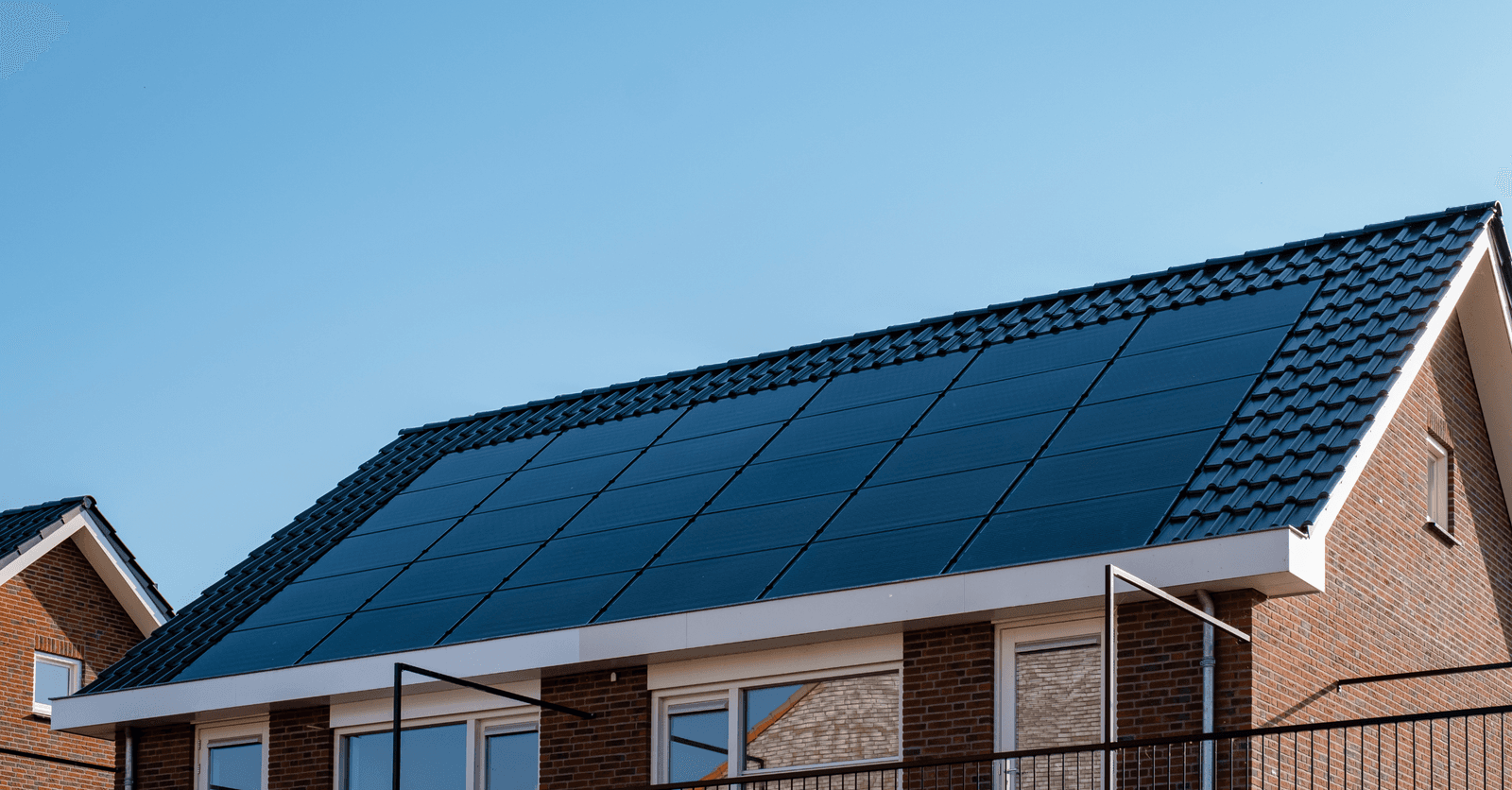
Installing a solar roof is a decision that's worth careful consideration. Quebec does have enough solar energy to render your installation financially worthwhile, provided that you take into account all costs involved:
Editorial Team
•04 Feb 2025
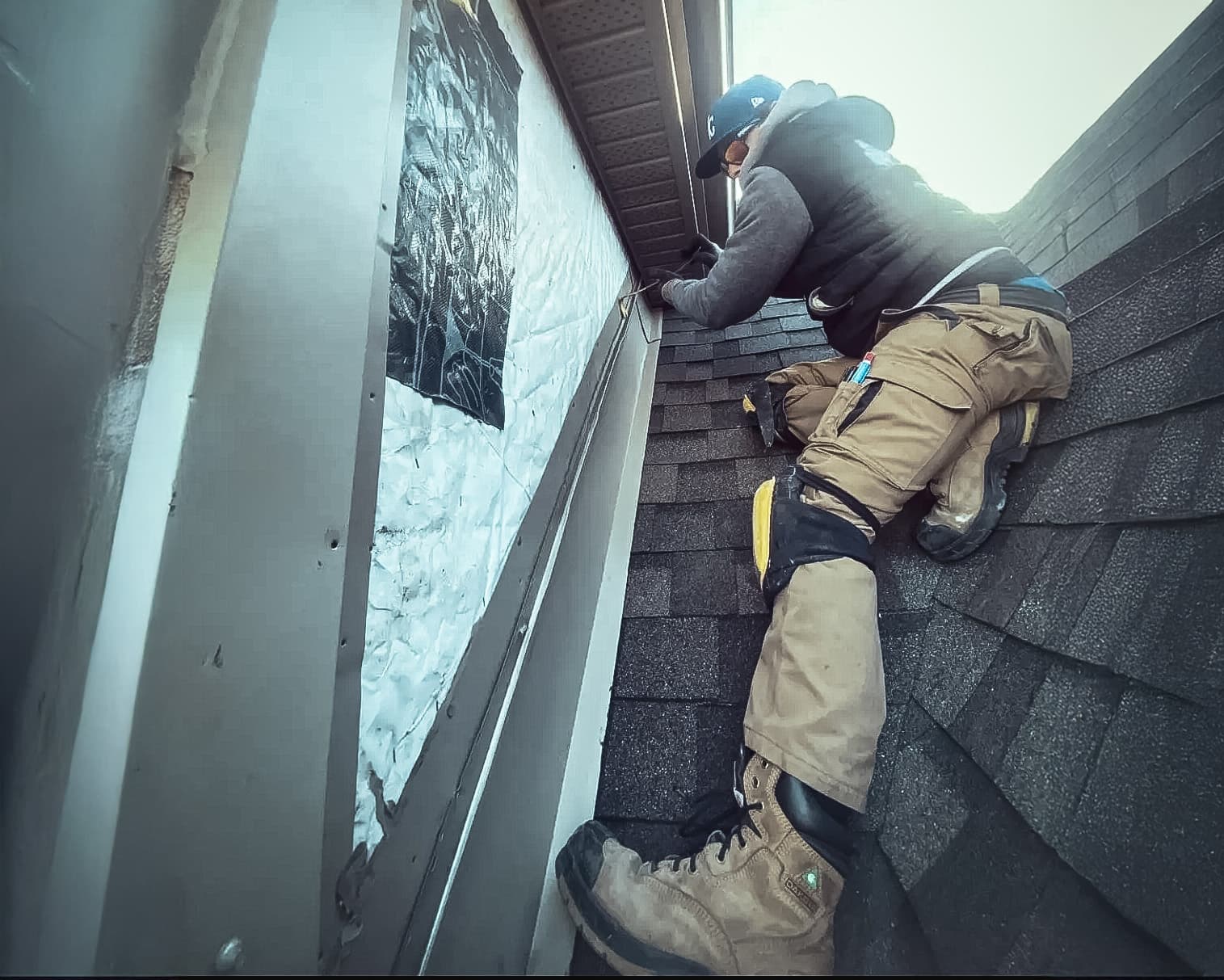
Taking the leap and investing several thousand dollars in a renovation comes with its fair share of worries, especially with regard to the contractor hired to manage the project. If you hire the wrong person, you're likely to find yourself amid a serious mistake that will cost you both time and money to make go away.
Editorial Team
•31 Mar 2025
Have you ever asked yourself why 85% of the flooring sold in North America is prefinished? Research shows that this sort of flooring is greatly preferred and a popular choice on account of its slew of advantages.