How to Secure a Construction Worksite After Hours
By Editorial Team
Updated on September 20, 2024
In Quebec, as tradition will have it, summer only ever really kicks off towards the end of July, when the construction holiday is set to start. This yearly break, which was legislated during collective agreements, offers workers a period of welcomed time off following months of hard labour. While the construction holiday is duly deserved, from a logistical standpoint, said period does have its fair share of downsides. What first comes to mind is how to ensure worksite safety and security during this brief hiatus.
How Worksites Can Avoid Safety & Security Risks During the Construction Holiday

Construction worksite safety is paramount during the course of any construction project. It ensures the health and safety of individuals on-site and lowers insurance premiums. Contractors must establish certain safety and security measures on their construction sites, especially during holidays when worksites aren’t manned. The most effective way of achieving this is by taking proactive measures.
Worksite Access
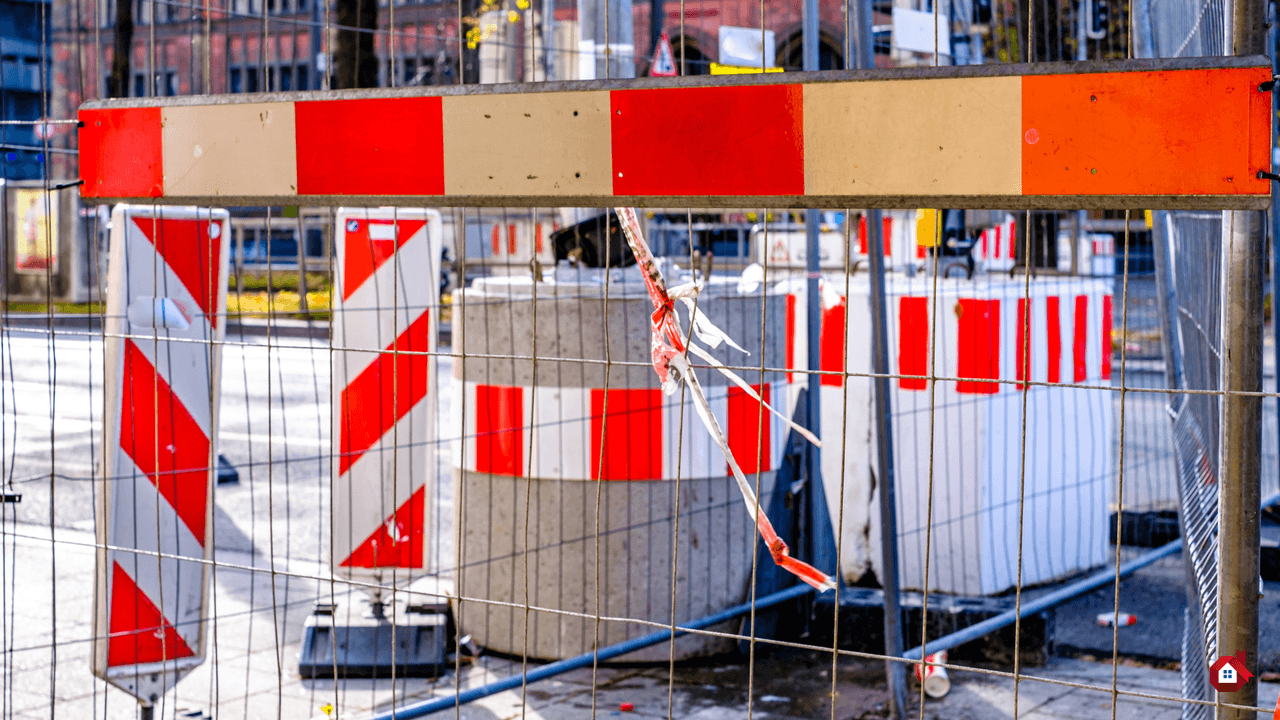
As a risk prevention measure on worksites during the holidays, contractors must ensure that no one can access the site in question. A fence or safety barricade must be mounted and signs prohibiting access to the worksite must be displayed. Also, all mechanical equipment and power tools, even trailers, must be padlocked.
Equipment
All motorized equipment/vehicules must be safely stored in wire mesh enclosures or wood crates and subsequently padlocked.
Contractors must verify that all heavy-duty equipment, including compact utility loaders, backhoe loaders, excavators, and others are parked on flat and solid ground, in an area sufficiently distanced from excavation sites.
Worksite Safety
Removing all potential fire or explosion hazards, such as propane and fuel, from worksites is also important. In cases where such material must remain on-site, the aforementioned products must be stored in wire mesh enclosures and be secured using lockout devices.
All electrical panels (electrical rooms) must be closed and extension cords must be unplugged and stored away.
Worksites must be left organized, and devoid of any materials or waste strewn on the ground, and all equipment and materials must be removed from rooftops to prevent items from falling.
To learn more about lockout devices, check out our article on the subject matter.
Theft Prevention on Your Construction Worksites
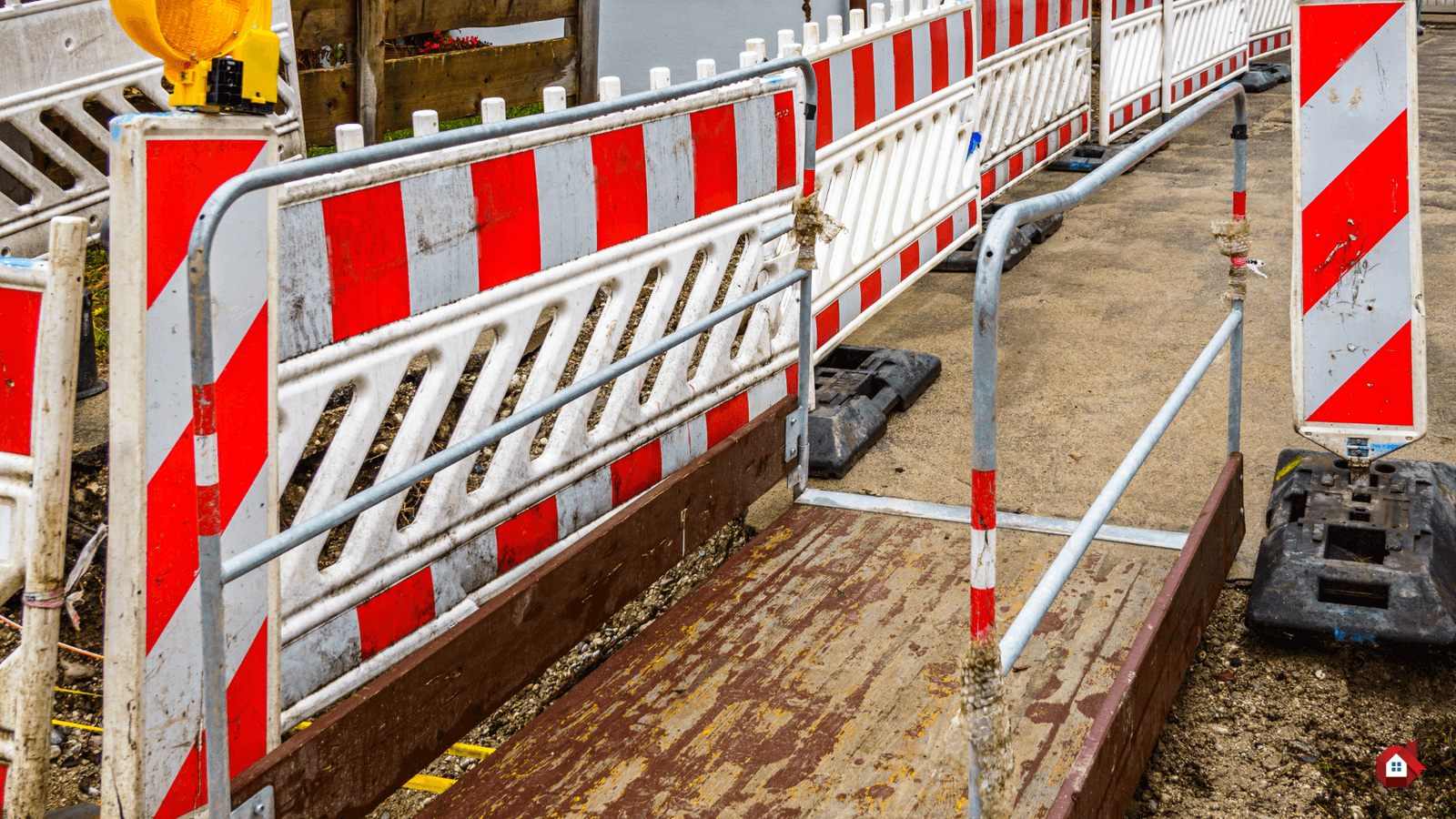
Construction worksite thefts are becoming a real issue in the industry. According to statistics, equipment and material thefts amount to 45 million dollars a year in Canada.
Thefts on construction worksites domino into other issues for contractors, such as:
loss of time, causing delays and later resulting in liquidated damages;
wasted or lost work hours; and
increased expenses, such as rental equipment costs.
Inventory Tools and Equipment
Label all your equipment with the construction company’s name. From a simple hammer to all heavy-duty equipment, everything should be labelled properly; it's super important. If possible, use engraving or welding tools to inscribe the company’s name on all equipment, ensuring the labelling isn't easily removed.
Security Agents and Other Prevention Measures
The worksite contractor can hire security guards to patrol the construction worksite. They can also choose to use security systems, such as:
Surveillance cameras
Lock doors/alarm systems
Install anti-climb fencing
Motion sensors
Equipment Storage
An adequate and secure storage system is another important factor to consider. Shared toolboxes must be covered, protected, and equipped with a built-in latch and lock that’s impossible to crack or drill through. If the shared toolboxes have wheels, the latter should be removed, and the tool chests must be locked once delivered to worksites.
Double-Check Your Insurance Policy
Contractors must manage their insurance and obligations in terms of existing policies (builder’s risk, business interruption, surety bond, etc.), ensuring their coverage is up-to-date.
Idle Worksite: Bank on the Best Protection Available
Effectively securing a construction worksite during idle periods, including the construction holiday, specific to Quebec, is crucial for preventing accidents, thefts, and project delays. By adopting the aforementioned practices, contractors can meet the legal requirements, as well as those of their insurance providers, but also retain their clients’ trust and their company’s reputation.
How Can You Protect Your Worksite from Rain and Severe Weather?

Theft and vandalism are not the only possible risks to a construction site. Severe weather storms also pose a considerable threat to the worksite. Here are a few examples of common weather occurences in Quebec and how they can be dealt with:
Heavy Rainstorms
To prevent water damage during construction, assess flood potential and site drainage, installing and maintaining permanent and temporary drainage systems. Delay installing high-value equipment until drainage is operational and avoid finishing touches until windows, doors, and roofs are sealed. Plan a temporary roof construction if permanent installation is delayed. Develop a site-specific emergency response plan, including cleanup resources and trained personnel, and establish agreements with third-party cleanup contractors for remediation.
Ice and Snow
Ice and snow can significantly impact health, safety, quality, and productivity on a job site, necessitating inclusion in severe weather plans. It's crucial to understand roof and floor load capacities and monitor snow accumulation to prevent structure collapse. Keep walkways clear and treat them to prevent slips and falls, and remove overhead snowbanks. Store valuable equipment in heated areas and inspect it before use, especially if operated in enclosed spaces. Heat and insulate water lines to prevent freezing and bursting, and ensure proper use, maintenance, and inspection of temporary heating devices, along with developing fuel storage plans.
Dry Spells and High Temperatures
During summer, drought and high heat can pose risks to workers and property at construction sites. Adhere to provincial or municipal water conservation ordinances and heat-related regulations. Prioritize hot work controls, including fire watch personnel and extinguishers. Prohibit smoking on-site, especially critical during droughts. Conduct end-of-day equipment fire watches for at least an hour. Assess water restriction impacts on construction activities, methods, or products requiring water.
Want to learn more about worksite safety? Check out these articles:
Get new contracts for your construction or renovation company
RenoQuotes.com can help you get new contracts. We get new project proposals from clients seeking top-rated and trustworthy renovation professionals like yourself. To get started, simply fill in the form on our homepage (it only takes a few minutes) and receive information regarding potential clients by way of our services.
Dial 1-844 828-1588 to speak with one of our customer service representatives.
Looking for something else?
Related articles
The latest industry news, interviews, technologies, and resources.

Amanda Harvey
•27 May 2026
For a renovation contractor, summer can be a tricky period. Many homeowners are away, decision-makers take vacations, and some projects slow down before picking back up in the fall. That makes it important to secure fall renovation projects before the summer break begins.

Editorial Team
•08 Nov 2023
Renting excavation equipment is the best way to carry out construction work without having to purchase machinery. Especially considering that a rental service company will give you access to machinery you wouldn’t necessarily need on a regular basis, not to mention purchasing equipment is expensive. Here’s a deep dive into the matter to give you an idea of the costs involved in renting or purchasing heavy machinery. We’ll let you be the judge and jury of your potential savings.

Cynthia Pigeon
•06 Oct 2026
In 2026, the cost of a bathroom renovation can vary considerably between Quebec and Toronto. These differences result from labour costs, contractor availability, regulatory requirements, required permits and project complexity.

Léa Plourde-Archer
•24 Jul 2025
Everyone sets up their bedroom according to their own preferences. Some people want to adapt it to their own tastes, by putting a lot of effort into the room's decor, whereas others opt for a minimalist layout. The main goal of a bedroom is to provide a place for rest and privacy.
Cynthia Pigeon
•08 Oct 2025
Are you an absolute fan of mechanics and the outdoors? Are you looking for a job that’ll allow you to challenge yourself on a daily basis?