Home Office Soundproofing in Quebec in 2026: Costs and Solutions
By Cynthia Pigeon
Updated on September 14, 2026

Looking to soundproof your home office in Quebec in 2026? Are you looking to soundproof your home office in Quebec in 2026? Depending on the scope of the work, expect to pay approximately $3 to $10/sq. ft. for materials and $15 to $30/sq. ft. for a turnkey project.
The cost also varies depending on the scope of the work. A minor upgrade, such as adding acoustic sealant, weatherstripping, or a solid-core door, will cost much less than opening up an entire wall to install mineral wool, resilient channels, and a double layer of drywall.
Whether you live in a condo on the Plateau-Mont-Royal, a duplex in Rosemont, a home in Québec City, or a property on Montréal’s South Shore, noise from other rooms can quickly make it harder to concentrate while working from home. Conversations, children, appliances, the television, or footsteps can all travel through walls, floors, and doors.
In Quebec, many residential buildings use light wood-frame construction, which can easily transmit vibrations and sound when no specific acoustic measures have been built into the assembly. Effective soundproofing therefore aims to reduce both airborne noise, such as voices and music, and impact noise, such as footsteps or vibrations coming from a neighbouring floor.
This guide covers 2026 soundproofing costs, the materials most commonly used in Quebec, and the different solutions available to improve your home office acoustics based on your budget.
How Much Does It Cost to Soundproof a Home Office in Quebec in 2026?
The cost depends mainly on the surface area being treated, the existing wall construction, and the level of soundproofing you want to achieve. In 2026, here are some useful budget guidelines:
Type of Work | Estimated Price in 2026 |
Soundproofing materials only | $3 to $10/sq. ft. |
Turnkey project | $15 to $30/sq. ft. |
Rock wool | $1 to $1.80/sq. ft. |
Type X or acoustic drywall | $1.50 to $3.50/sq. ft. |
Resilient channels | $0.35 to $0.65/sq. ft. |
Acoustic membrane | $2 to $5/sq. ft. |
Acoustic sealant | $10 to $15 per tube |
* These prices are approximate ranges and may vary depending on the region, room accessibility, labour costs, and the complexity of the wall assembly.
For example, improving an existing wall with a few targeted upgrades can be relatively inexpensive, while a full soundproofing project involving opening the walls, installing mineral wool, resilient channels, and a double layer of drywall is a much larger renovation.
For a home office, it is not always necessary to soundproof the entire room. Prioritizing the wall shared with a noisy room, the door, and the main air gaps can often provide better value for your budget.
Why Is Soundproofing Essential for Remote Work?

Source: Closet Factory Toronto
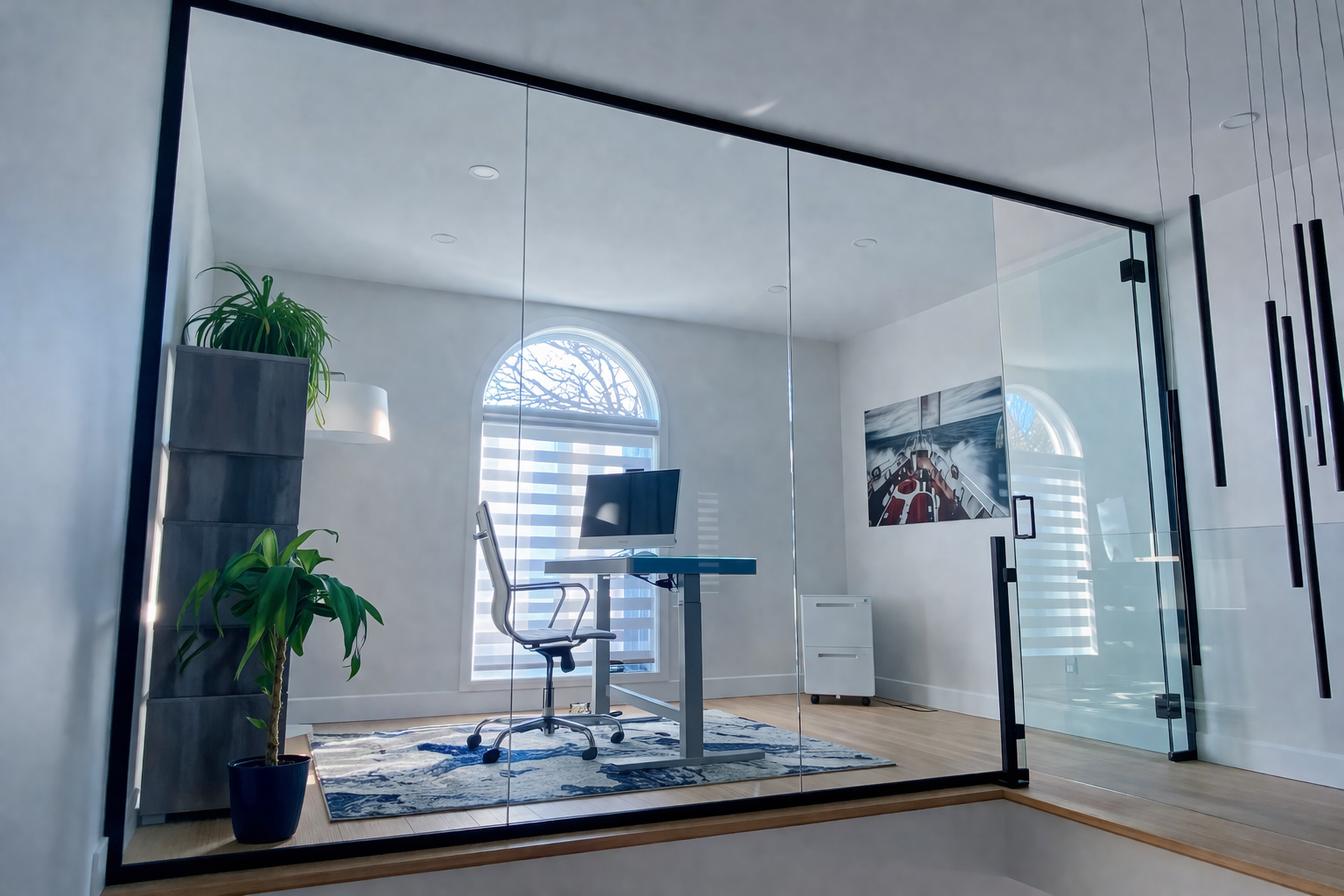
Working from home requires a clear boundary between private life and professional life, and that boundary starts with sound. When you are on a video call with clients or colleagues, background noise from the home can affect your sense of professionalism and create unnecessary stress.
On a cognitive level, ambient noise acts as a constant micro-distraction. The brain has to use a considerable amount of energy to filter out unwanted sounds, which accelerates mental fatigue by the end of the day. Poor acoustics can directly affect working memory and the ability to solve complex problems.
In Quebec, the CNESST reminds workers and employers that risks related to remote work must be taken into account, particularly from an ergonomic and psychosocial standpoint. Although it does not prescribe residential soundproofing, a better-controlled sound environment can contribute to comfort, concentration, and fewer distractions.
Basic Principles of Residential Acoustics
Source: RenoQuotes
To make the right choices during your work, it is important to understand how sound travels through a home. Sound is a wave that travels in two distinct ways:
Airborne noise: This travels through the air. It includes voices, music, or the ringing of a phone. It passes through walls by making partitions vibrate or by slipping through even the smallest opening.
Impact noise, or structure-borne noise: This results from direct impact on a structure. Footsteps on a hardwood floor, a dropped object, or the vibration of a washing machine are perfect examples. The wave then travels directly through studs and joists.
To block these noises, renovation experts rely on the golden rule of “mass-spring-mass.” A mass, such as dense drywall, is used to block airborne noise; a spring, such as insulation or resilient channels, is used to absorb and dampen sound energy; and then another mass is used to complete the sound insulation.
Sound Transmission Class, or STC
The Sound Transmission Class, or STC, corresponds to the French ITS. It is used to characterize the reduction of airborne sound through an assembly, such as a wall or floor. In the Construction Code, sound insulation requirements mainly apply to separations between dwellings and adjacent spaces, using concepts such as STC and ASTC, with ASTC also accounting for indirect sound transmission.
The higher the STC rating, the better the wall retains sound.
STC 35: A standard partition, with a single layer of drywall on each side and no insulation. Normal conversations can be heard and understood through the wall.
STC 45: A loud voice can be heard, but the words are not understandable.
STC 50+: Normal voices are generally very faint or difficult to understand, while loud voices may still be slightly audible depending on the assembly, doors, air leaks, and indirect sound transmission. This is a good performance target for a home office, but separations between dwellings must comply with the applicable Code requirements according to the type of assembly and direct or indirect sound transmission.
What Materials Should You Choose in Quebec Hardware Stores?
Source: Gestion Harvey Martin Nichols inc.
When you visit a local hardware store, whether Canac, BMR, RONA, or Réno-Dépôt, you will be faced with a wide range of options. To optimize your budget, you need to target materials that offer the best value for residential soundproofing.
Material | Main Role | Key Advantage |
Rock Wool or Fibreglass | Absorption (spring) | High density, easy to insert between studs. |
SONOPAN Panel | Acoustic attenuation | Local eco-friendly solution that helps break sound transmission frequencies. |
Resilient Channels | Mechanical decoupling | Prevent vibrations from passing from the drywall to the wood framing. |
Type X Drywall Panel, 5/8 in. | Mass | Denser and heavier than standard 1/2 in. drywall, ideal for blocking sound. |
Acoustic Sealant | Airtightness | Stays flexible over time and blocks sound leaks caused by air gaps. |
To get a more precise cost estimate for these materials based on the size of your room, you can consult our guide on the cost of soundproofing a room in Quebec.
Acoustic Panels and Floor Underlayment Membranes
If you are looking for a high-performance and environmentally friendly option, the SONOPAN panel stands out as a key reference. Manufactured locally in Louiseville, in the Mauricie region, this panel is made from 100% recycled wood fibres. Thanks to its patented alveolar technology, each side of the panel has cavities of different depths, allowing it to absorb a very wide range of sound frequencies. It is a strong example of Quebec innovation in eco-friendly construction.
For floors, especially if your office is upstairs or above an occupied basement, using acoustic membranes is recommended. Local manufacturers, such as Quebec-based SOPREMA, offer acoustic floor membranes like INSONOMAT and INSONOBOIS, as well as acoustic panels like ACOUSTIBOARD (an acoustic underlay), designed to reduce impact noise and airborne noise depending on the chosen assembly.
Importance of Resilient Channels and Double Drywall
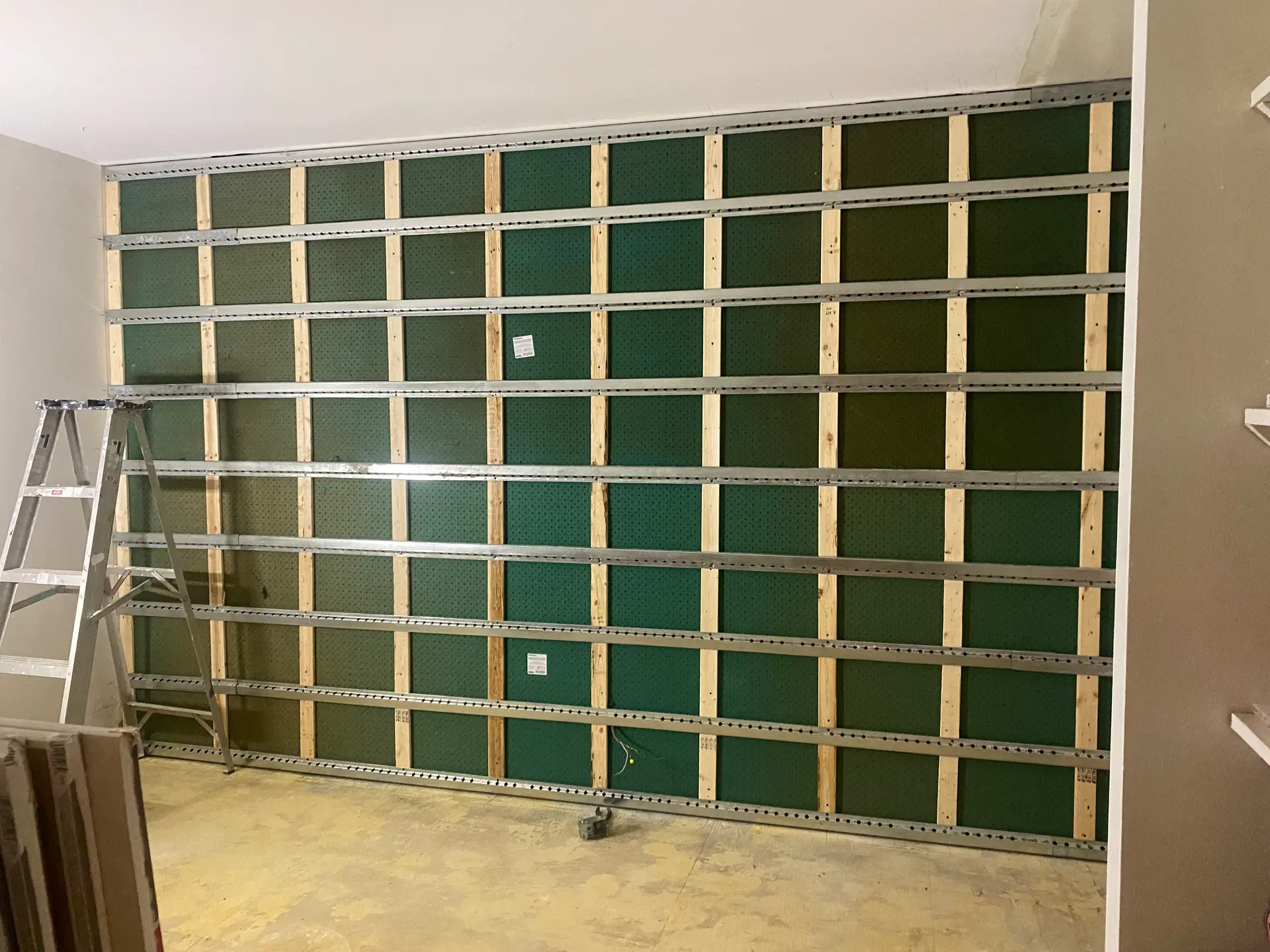
The secret to a highly soundproofed wall lies in decoupling. If you screw a drywall panel directly into wood studs, the sound wave will make the drywall vibrate, which will make the wood vibrate, which will then make the drywall on the opposite side vibrate. The wood then acts as a conductor.
To break this sound bridge, resilient channels are installed. These are thin metal strips shaped like a “Z” that are fastened horizontally to the wood studs, perpendicular to them, and spaced 24 inches apart. The drywall panel is then screwed only into the resilient channel, without ever touching the wood. The channel acts as a dampening spring.
To maximize the effect of mass, the preferred method is to install double drywall. Instead of installing a single sheet of drywall, two are installed. Ideally, the joints should be staggered to prevent weak points from lining up. The combined use of resilient channels, mineral wool, and double Type X drywall can make it possible to reach an STC rating above 50 when the assembly is well-designed and properly installed.
Simple Steps to Soundproof an Office Without Tearing Everything Down
Source: Closet Factory Toronto
Are you a tenant, working with a limited budget, or simply not interested in starting a major demolition project? It is entirely possible to improve the acoustic comfort of your workspace through targeted, non-invasive interventions.
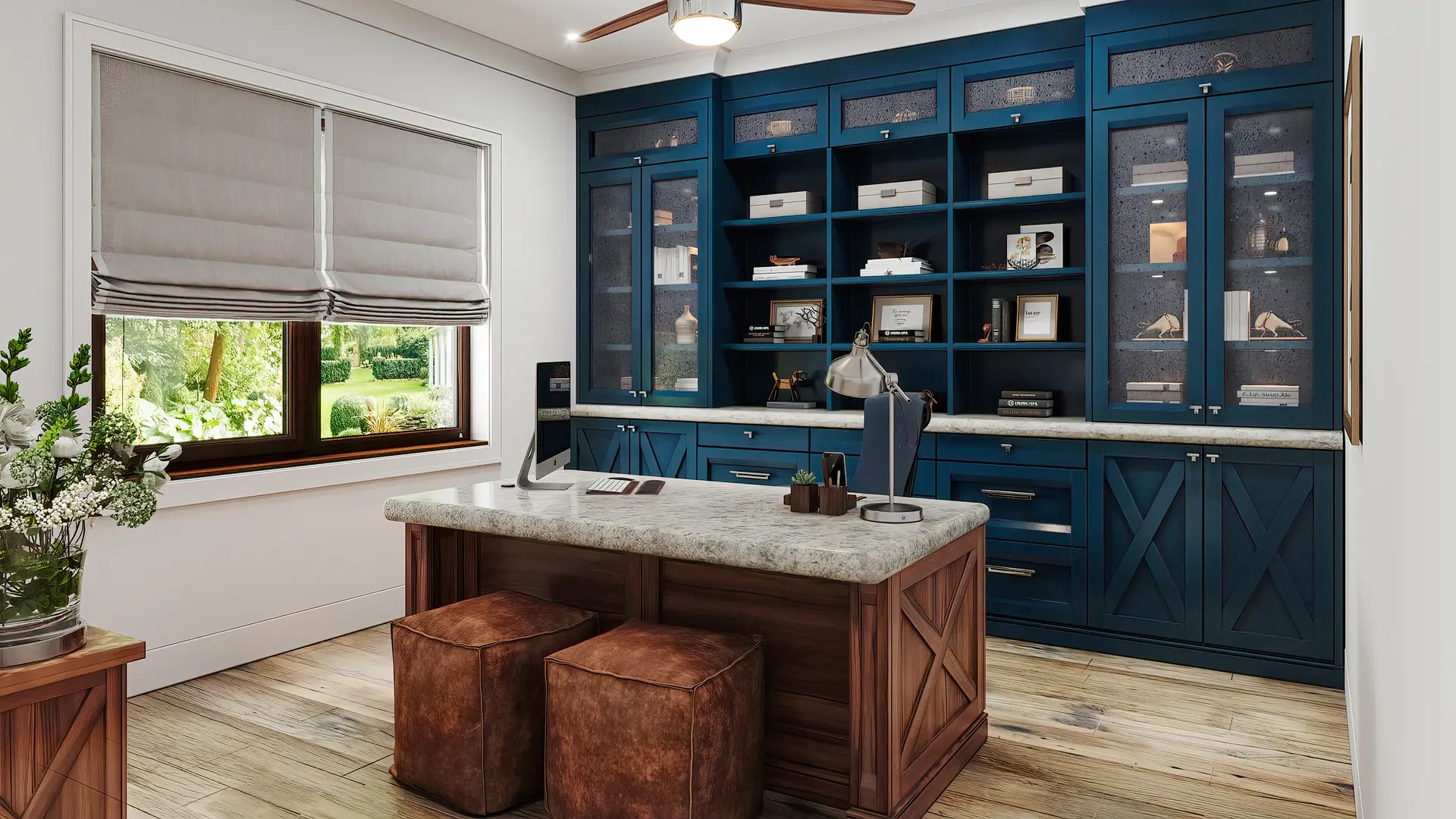
Furnish strategically: Hard surfaces, such as bare walls, hardwood floors, and uncovered windows, reflect sound and create an unpleasant echo during professional calls. Place a large bookcase filled with books against the wall shared with the living room. A full bookcase can add a bit of mass, diffuse some sound reflections, and reduce echo, but it does not replace a truly soundproofed wall.
Add dense textiles: Install a large, thick rug with a good-quality felt underpad on your floor. Dress your windows with heavy opaque curtains marketed as “acoustic” or thermal curtains with multiple layers. These heavy fabrics can reduce reverberation and slightly attenuate certain noises.
Install decorative sound-absorbing panels: Available in many design centres or online, rigid felt wall panels or architectural acoustic foam panels reduce reverberation inside the room itself, greatly improving the clarity of your voice during virtual meetings.
If you want to explore intermediate solutions without opening existing walls, discover our detailed tips for soundproofing an existing wall without tearing everything apart.
Seal Air Leaks and Adjust the Door
Sound behaves exactly like water or air: if there is an opening, it will slip through. In most new or renovated homes in Quebec, the biggest acoustic weakness in a room is not the wall, but the door.
Standard interior doors sold in hardware stores are generally hollow-core doors, meaning they are lightweight and filled with a honeycomb cardboard structure. They provide weak acoustic insulation, especially when the door perimeter and the bottom of the door are not properly sealed. The first step is to replace the door with a solid wood or heavy MDF door. This change can significantly improve sound attenuation from the hallway, especially when combined with airtight perimeter seals and an acoustic door sweep.
Next, focus on air leaks:
Caulking: Remove the door trim and use acoustic sealant, which stays flexible without cracking or hardening, to fill the space between the wood frame and the drywall. Do the same around electrical boxes. Foam insulating pads can also be inserted behind cover plates.
Weatherstripping: Install rubber or neoprene strips on the door stop to ensure a perfectly tight closure.
Door sweep: The empty space between the bottom of the door and the floor, often 1/2 to 3/4 of an inch, allows air circulation but lets a significant amount of noise through. Install a sturdy commercial door sweep or, even better, an automatic drop-down seal that lowers to close the gap when the door shuts.
Investing in Your Workspace for Greater Peace of Mind
Source: RenoQuotes
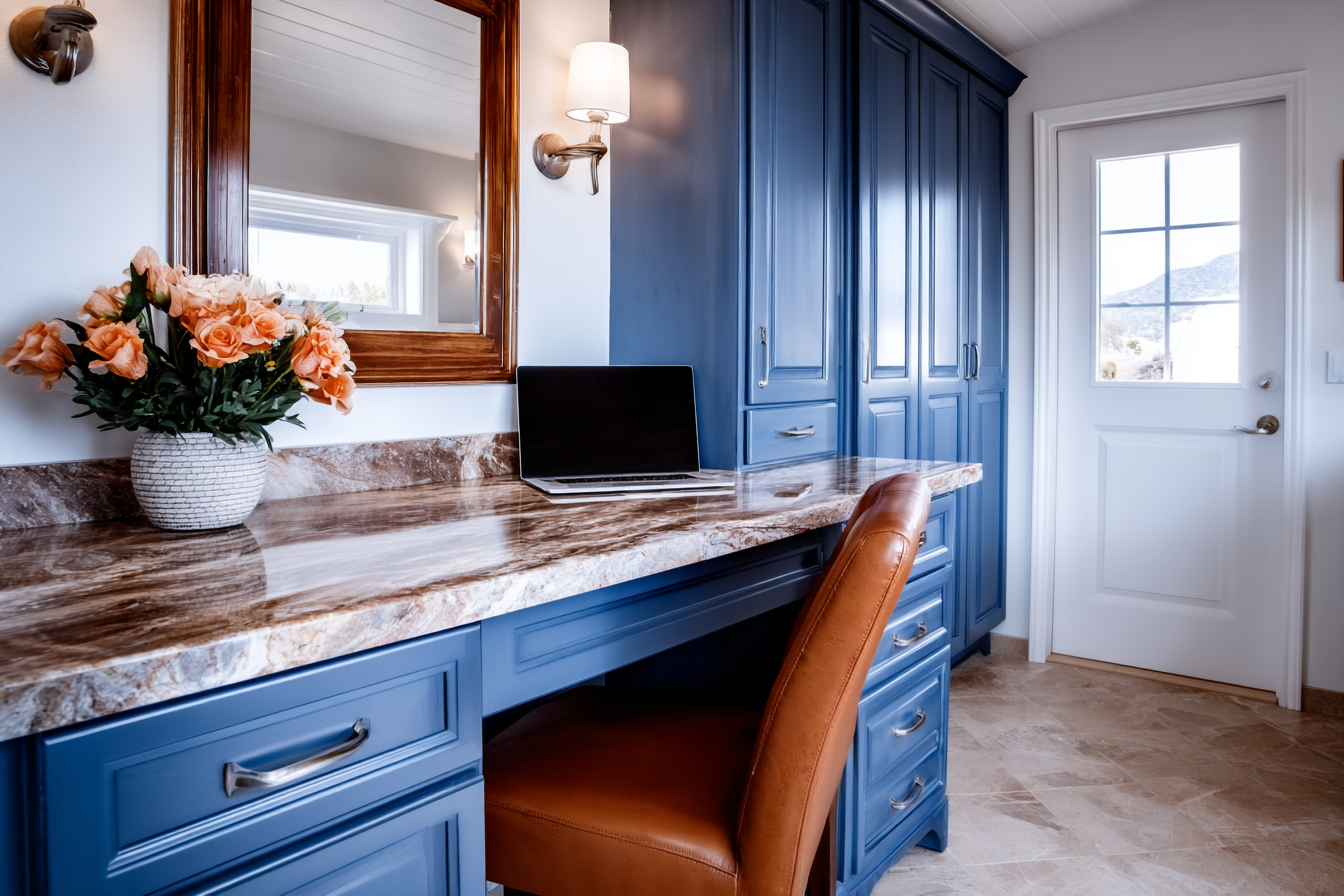
Soundproofing a home office should not be seen as an expense, but as a direct investment in your productivity, professional credibility, and mental well-being. By understanding basic principles such as the STC rating and wisely choosing high-performance or local materials, such as SONOPAN panels made in Mauricie, you can create a true sanctuary for concentration in the heart of family life.
Whether you choose light adjustments around the door and openings or more extensive renovation work involving doubled-up wall assemblies, the important thing is to plan your work as a whole. To maximize the value of your property and ensure optimal results that properly meet building standards, working with qualified experts is often the best option.
Ready to transform your work environment? You can plan your renovations and find qualified professionals by requesting a quote for your soundproofing work. To go further in optimizing your space, feel free to browse our expert tips for properly renovating and setting up your home office.
Looking for something else?
Related articles
The latest industry news, interviews, technologies, and resources.
Cynthia Pigeon
•20 Aug 2026
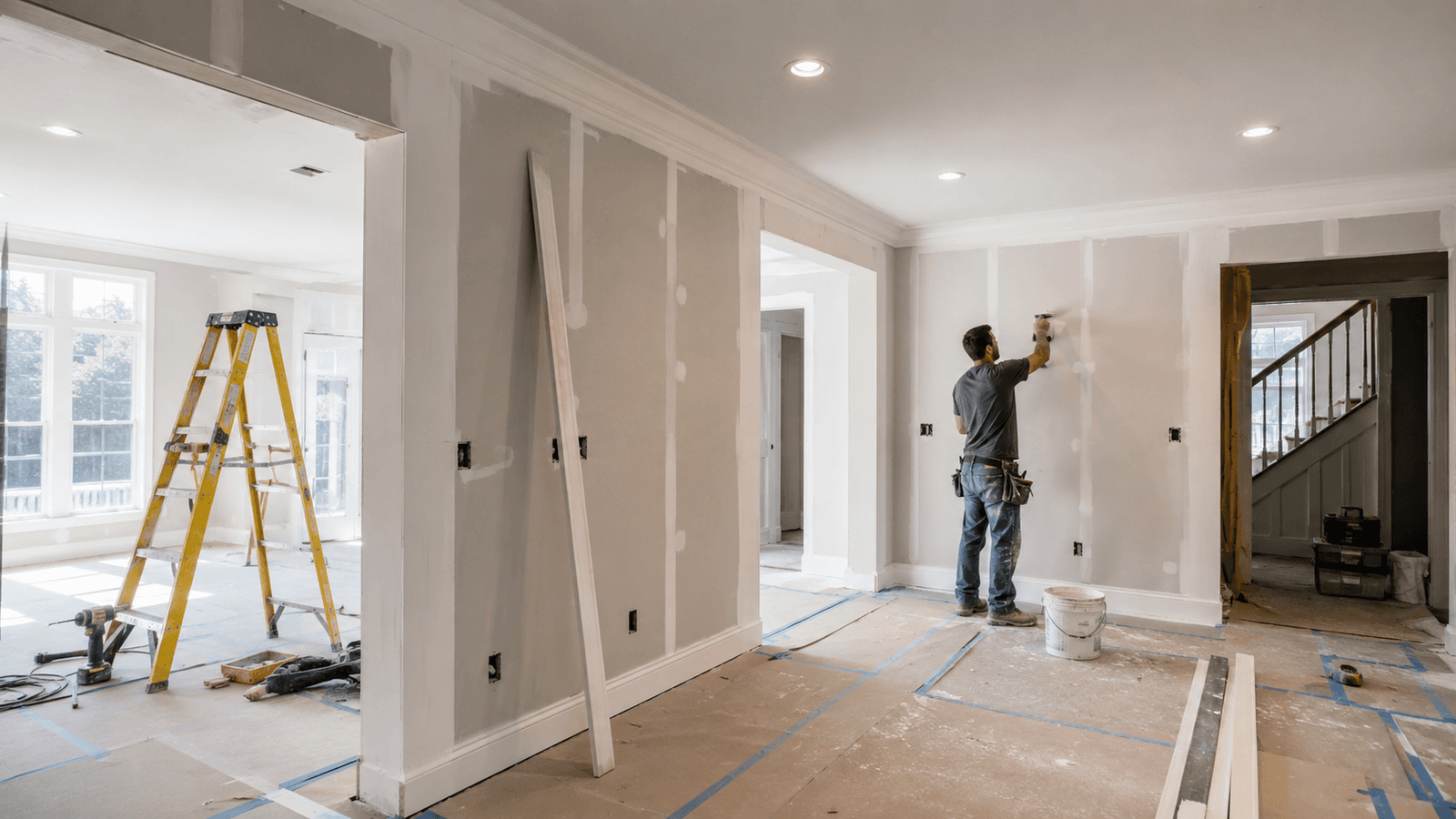
Planning an interior renovation—whether it involves a 1970s bungalow in Laval, a newer condo in Québec City, or a century-old plex on the Plateau-Mont-Royal—can be exciting. However, between choosing finishes and materials, there is one important legal and administrative question to answer: do you need a city-delivered renovation permit before work begins?

Editorial Team
•08 Nov 2023
Among the aspects that make guests enter and return to a restaurant, there is the way they are treated upon arrival, the quality and variety of the dishes offered, but also the comfort of the place. It's on this specific point that we will elaborate in this article.
Cynthia Pigeon
•08 Nov 2023
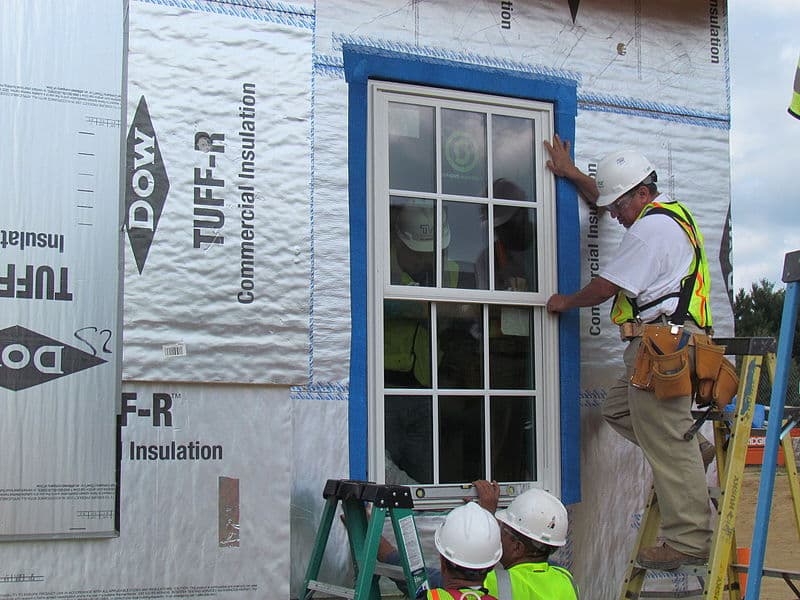
Whether to revitalize your home or prevent heat loss, it may be tempting to replace your windows.
Editorial Team
•14 Apr 2026
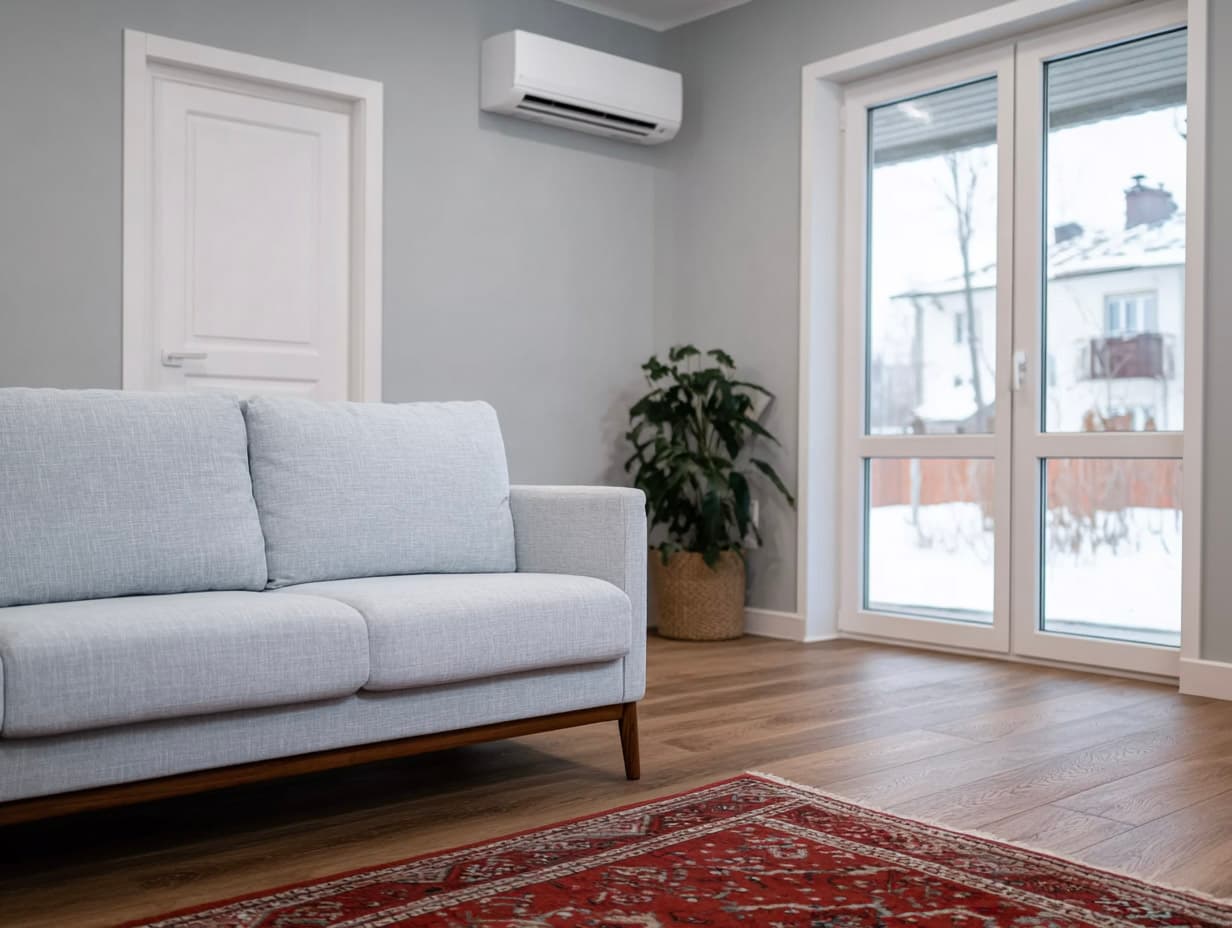
Picking a heat pump that works well in Canada’s climate is a smart choice for comfort all year, saving energy, and peace of mind. This guide is for homeowners who want easy-to-understand, model-by-model info about KeepRite heat pumps—including their features, specs, and efficiency ratings (like SEER2 for cooling and HSPF2 for heating)—so you can find the best model for your home.

Editorial Team
•03 Nov 2025
Are you planning to renovate your exterior siding soon? To help you prepare for this project, we have created this checklist/guide where you can learn more about the different materials, the stages of the work and the questions to ask yourself before launching the project.