Improving Your Home: Combining Comfort, Health, and Durability
By Cynthia Pigeon
Updated on May 18, 2026
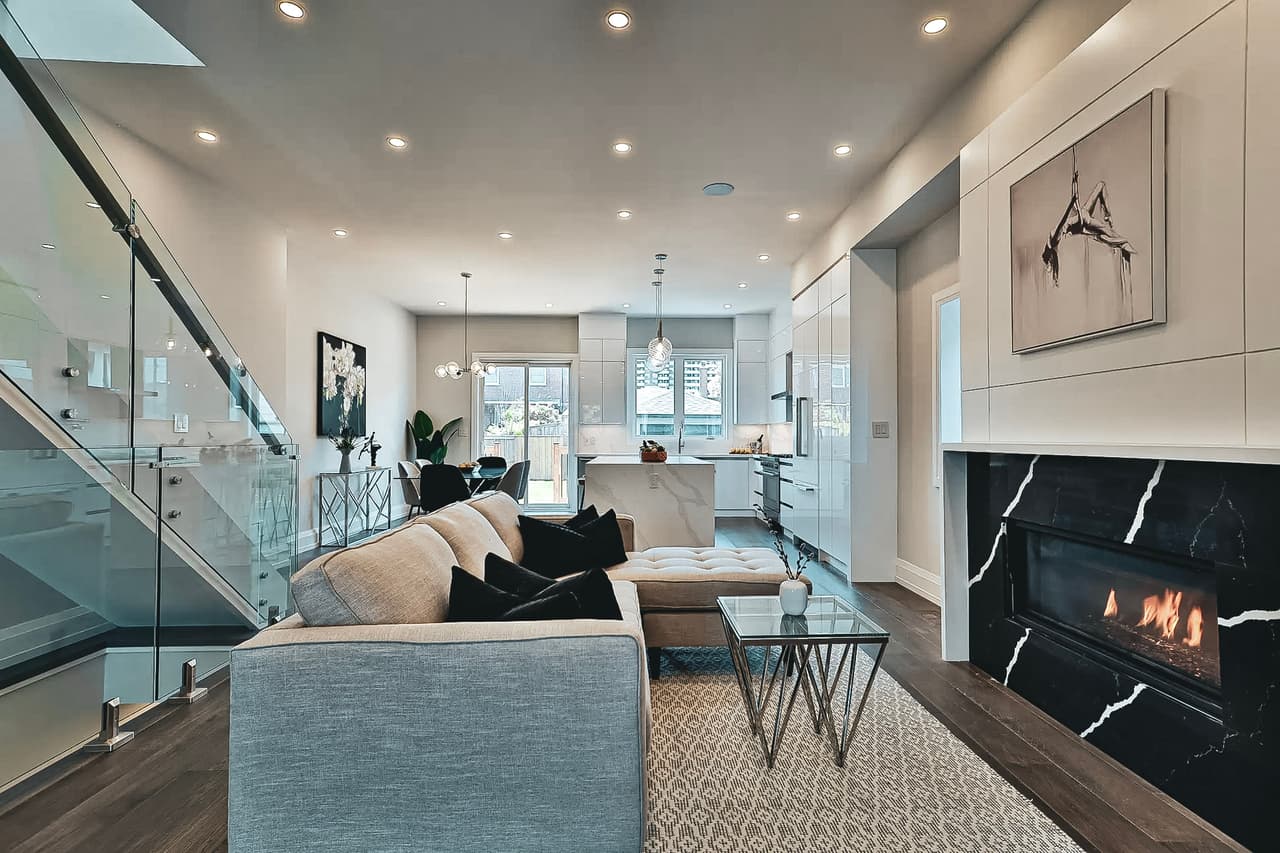
Renovating a home goes far beyond refreshing a room or replacing outdated materials. It is part of a more thoughtful process, shaped by both personal taste and long-term planning. Whether you live in a detached house, townhouse, condo, or shared ownership property, rethinking your living space means creating a place where comfort, health, and durability work together.
Today, this more complete approach to renovation is becoming increasingly important. Homeowners are looking for more than a simple cosmetic update; they want to improve the way their home functions day to day. This can involve upgrades that are not always immediately visible, such as better insulation, healthier materials, improved ventilation, or long-term maintenance planning, but that can make a lasting difference.
Improving your home is not only about appearance. It is a way to invest in an improved quality of life, where every choice matters.
Beyond Materials: What Makes a Home Truly Comfortable
Source: Mélanie Lambert
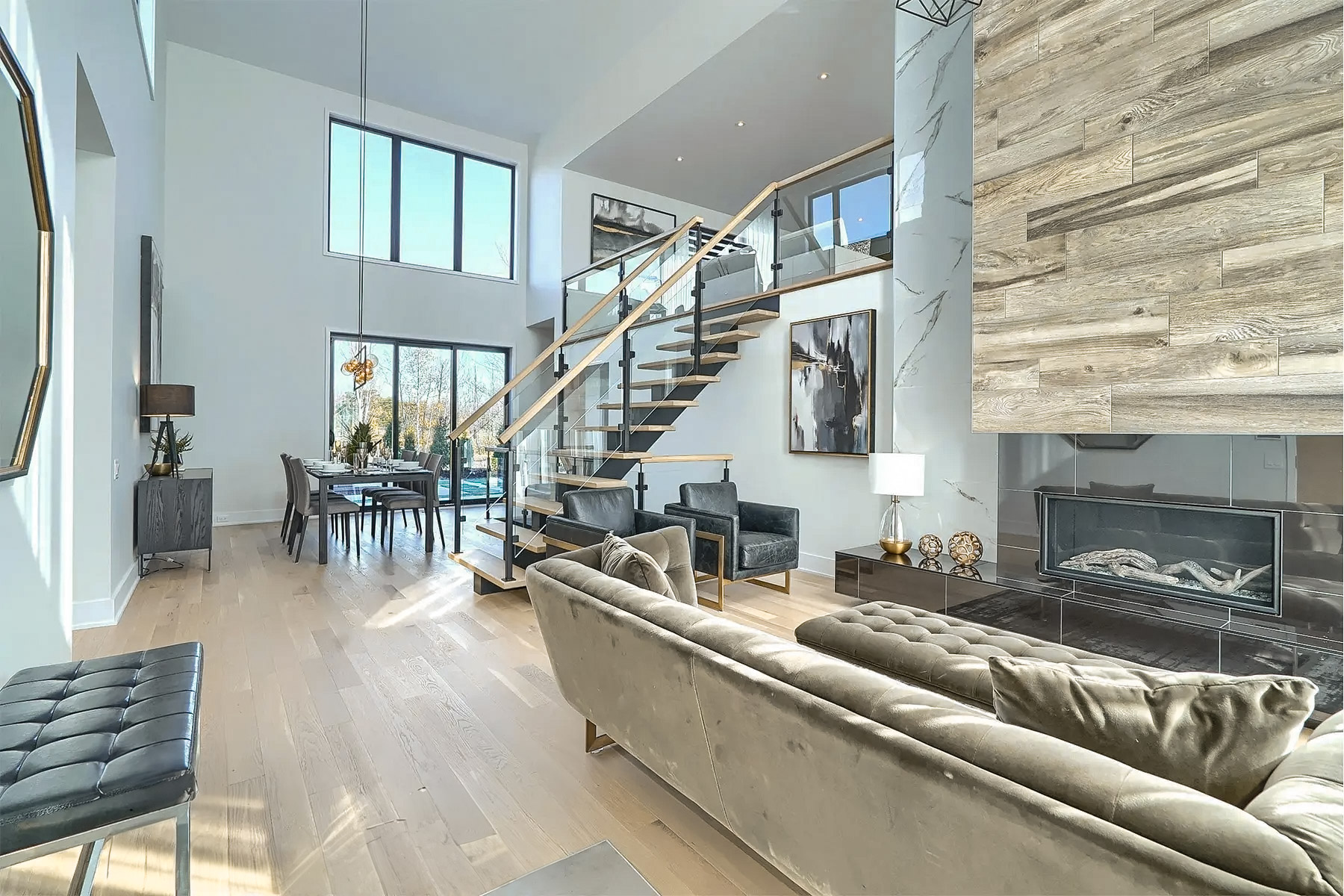
Comfort is about more than furniture, finishes, or visual appeal. It is also felt through the atmosphere of a well-designed space: balanced natural light, effective insulation, controlled noise, steady indoor temperature, and good air movement. These less visible details are often overlooked in traditional renovations, yet they strongly influence how we experience our home.
Targeted upgrades can directly improve these elements. Updating mechanical systems, improving ventilation, reducing drafts, enhancing soundproofing, or rethinking the interior layout can all help make a home more comfortable. A truly comfortable home should feel peaceful, functional, and easy to live in. It should reduce daily irritations, support everyday routines, and contribute to the well-being of the people who live there.
Residential Health: Better Homes for Better Living
Source: Demi-teinte design & co.
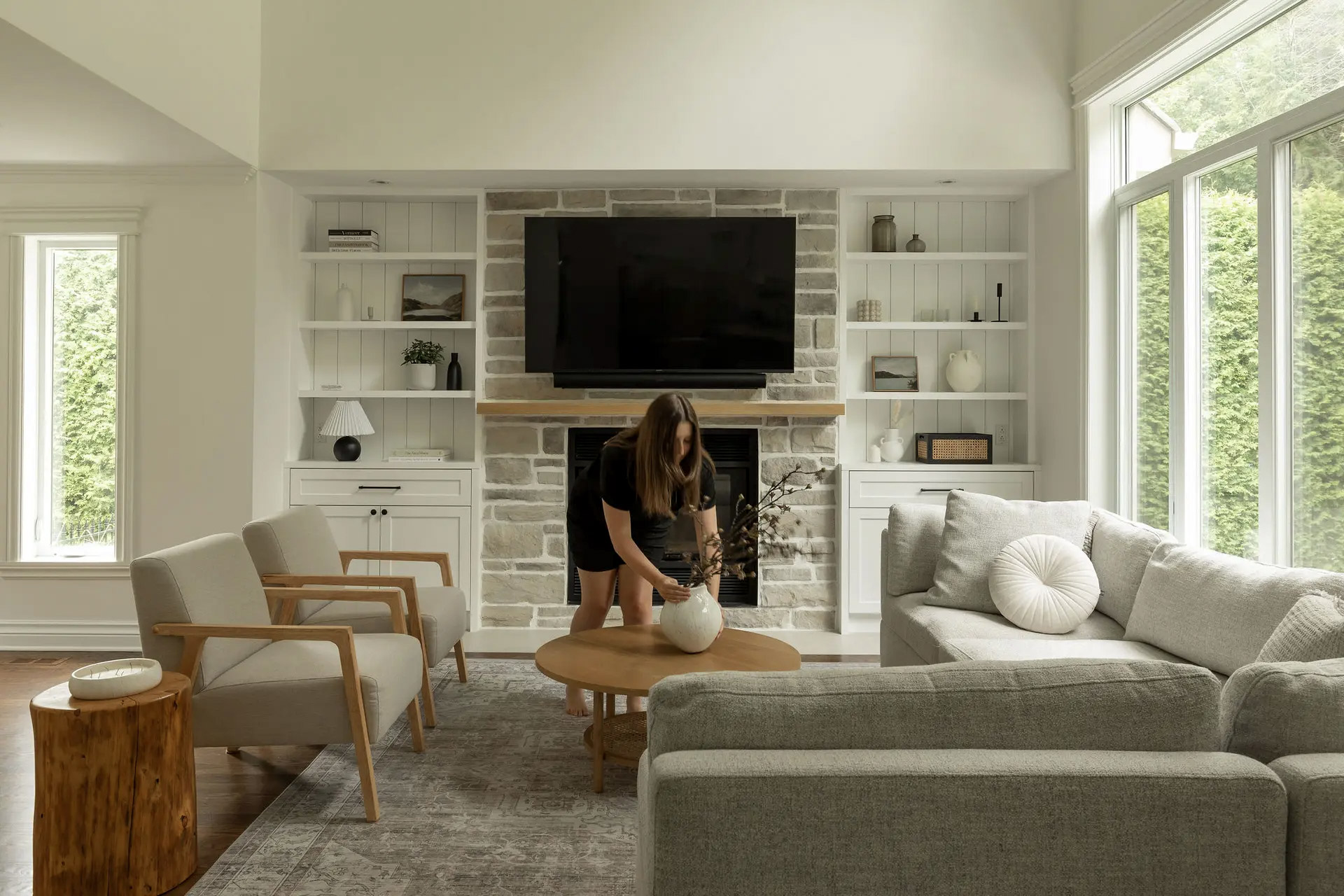
Health is becoming an increasingly important part of home renovation planning. Our living spaces can affect both physical and mental well-being. Poorly controlled humidity, materials that release pollutants, stale indoor air, dust, mould, and airborne particles can all affect comfort and health without being immediately obvious.
Simple but targeted actions can help reduce these risks. Paying attention to indoor air quality, for example, is becoming more common in responsible renovation projects. This may include improving ventilation, cleaning or upgrading ducts, managing humidity, choosing low-emission materials, or correcting moisture problems before they become more serious.
By including these actions in a broader renovation plan, homeowners can improve the indoor environment, support occupant health, and help protect the property's long-term value.
Durability and Planning: Preparing Your Home for the Long Term
Source: Les Habitations Trianon inc.
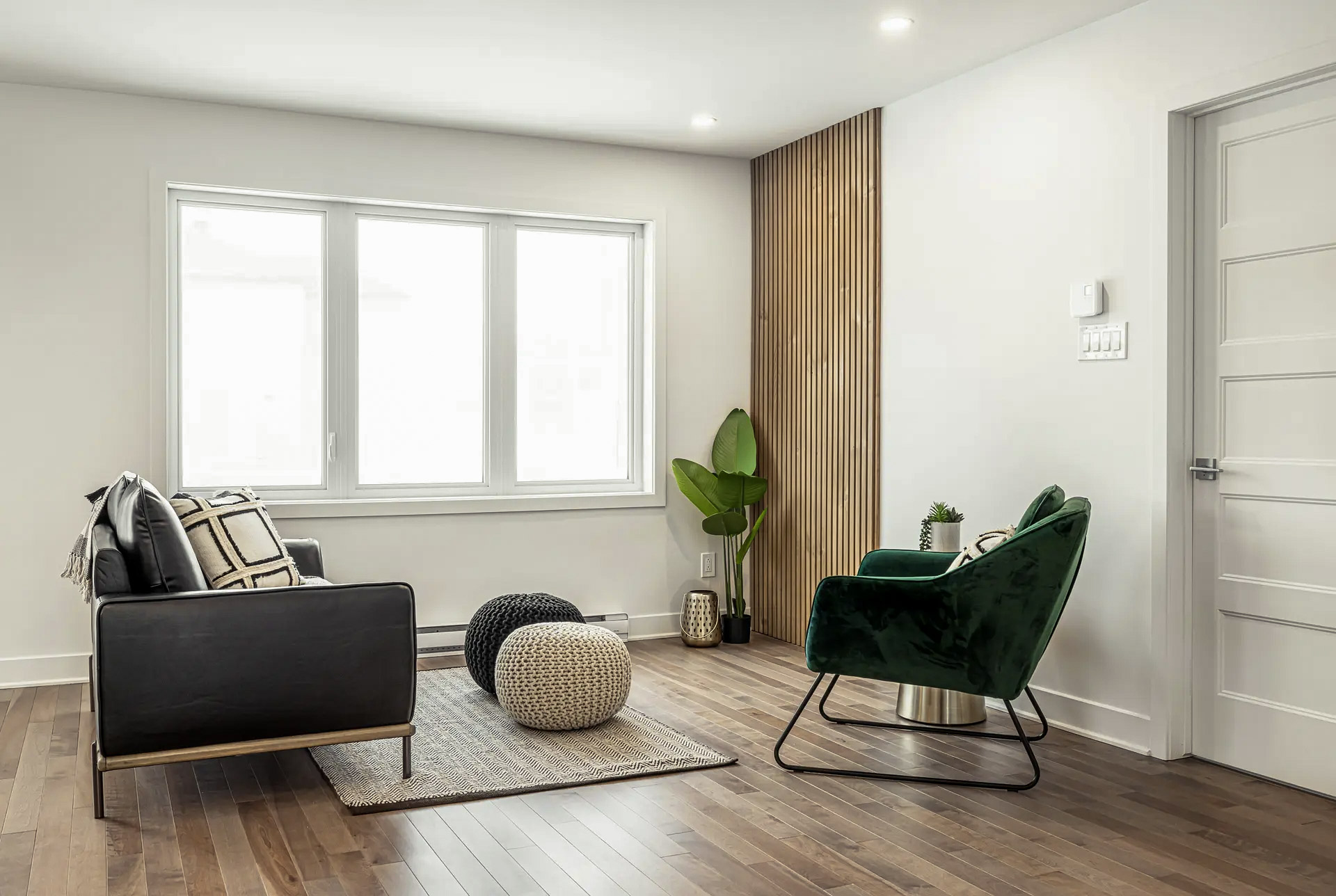
Thinking about durability means looking beyond short-term improvements. In a context where energy performance, climate resilience, insurance concerns, and building regulations are evolving, homeowners are encouraged to make responsible choices and plan maintenance more carefully. This applies to single-family homes as well as condominiums and strata properties, where maintenance decisions may involve shared spaces, common elements, and collective budgeting.
A successful renovation should include a long-term view. It is important to identify components that may need to be replaced in the coming years, assess the overall condition of the building, and budget for future work. This helps reduce unexpected costs and avoid emergency repairs.
In condos or strata-managed buildings, tools such as reserve fund studies, depreciation reports, or similar long-term planning documents can help organize future work and distribute costs more fairly. These planning tools support the durability of the building and help protect the value of individual units. Including these considerations at the beginning of a renovation project helps maintain quality of life while reducing the risk of costly last-minute interventions.
Taking a Whole-Home Approach
The best renovations are not always the most visible. Some of the most valuable improvements are the ones that change how a home feels and performs over time. Well-installed flooring, a functional kitchen, or an elegant bathroom can certainly improve a space. But the details behind the walls and systems, such as air circulation, material quality, moisture control, insulation, and long-term budgeting, are what help those improvements last.
Preventive and well-planned action is often more valuable than reacting to a problem after it appears. This approach may require reviewing existing systems, planning upgrades in stages, or working with specialized professionals. The key is to separate what is essential from what is merely decorative.
By adopting this broader vision, homeowners can gain the most meaningful benefits: better everyday comfort, a healthier indoor environment, improved durability, and greater peace of mind for the future.
Consult our Ultimate Home Renovation Cost Guide to better estimate your budget for your next home improvement project.
Looking for something else?
Related articles
The latest industry news, interviews, technologies, and resources.
Cynthia Pigeon
•05 Dec 2025
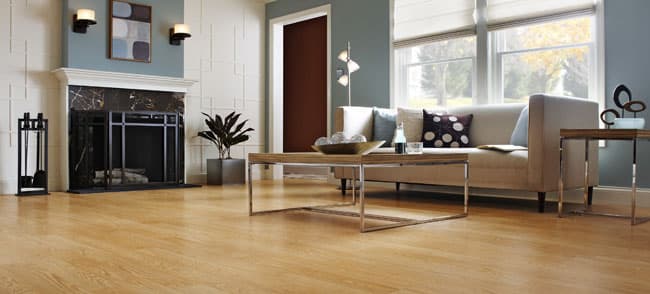
You are renovating your home and now comes the time to change your floors. After careful consideration, you choose a rather classic, hardwood that adds light and character to your main living area: ash. This type of wood is an ideal choice as it constitutes a wise investment given it is cost-effective and durable.
Editorial Team
•08 Nov 2023
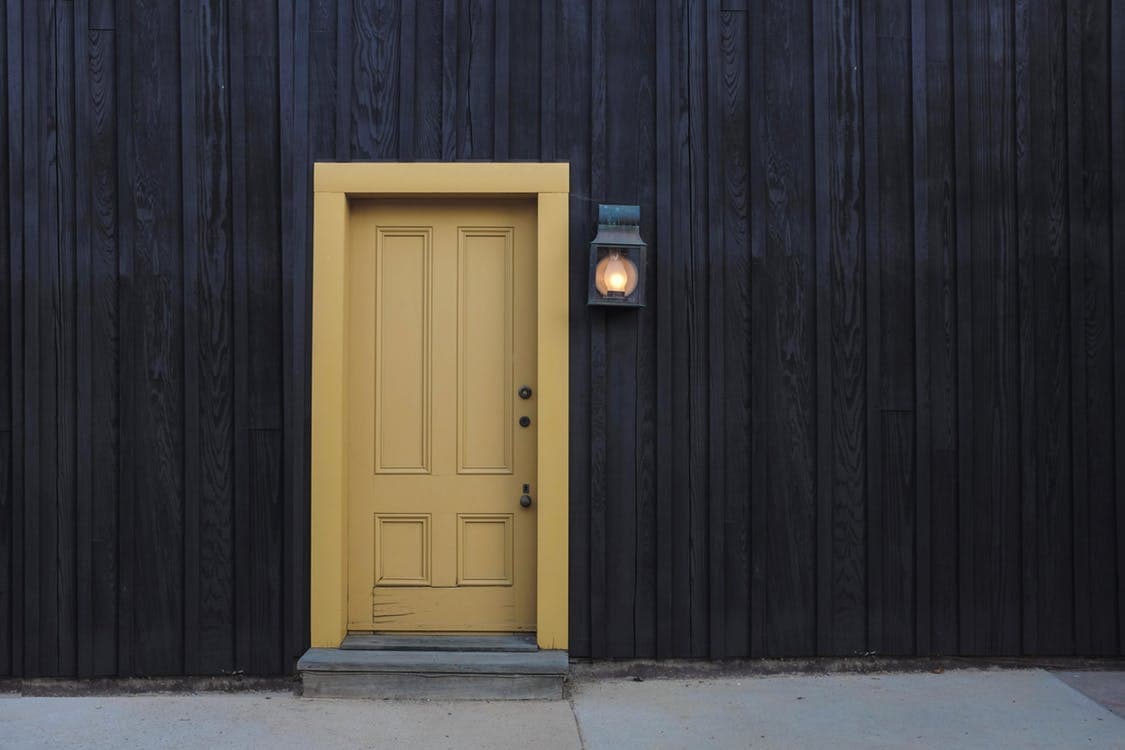
The doors of your home play a significant role in keeping things looking and feeling comfortable. Your front door is a portal into the interior, whilst the doors of each individual room allow for privacy and maintain proper temperatures.
Cynthia Pigeon
•28 Sep 2026
Planning home renovation work in Quebec requires rigour and a strong understanding of the local economic reality. Whether you own an older duplex in Montréal, a modern condo in Québec City, or a single-family home in Estrie, using price benchmarks adapted to the Quebec market is essential.
Editorial Team
•22 Jan 2026
Choosing a Lennox heat pump means investing in a balance of energy efficiency, durability, and year-round quiet comfort, whether you live in Ontario, the Prairies, Atlantic Canada or British Columbia. This American brand is well established across the Canadian market and is known for the reliability of its systems, the quality of its components, and strong performance in a wide range of climates.
Christine Simard
•08 Nov 2023
While some renovations require professional assistance, others can easily be done on your own. Of these jobs, applying grout is probably one of the easiest to perform, especially if you like getting your hands dirty!