Indoor Air Quality in Canada: How to Improve Air in Your Home
By Cynthia Pigeon
Updated on April 14, 2026

Indoor air quality in Canadian homes is contingent on a delicate balance between airtight construction and proper ventilation. To maintain healthy air, it’s essential to keep humidity levels between 30% and 50% (depending on the season), test your basement for radon, and ensure your heat recovery ventilator (HRV) is regularly maintained. Clean indoor air helps prevent mould growth and reduces the risk of asthma and serious respiratory conditions linked to household pollutants.
Indoor Air Quality in Your Home in Canada: Tips for Healthier Breathing

Source: RenoQuotes
Across Canada, harsh winters foster the construction of increasingly airtight homes to improve energy efficiency. While this reduces heating costs, it can negatively impact indoor air quality. Without proper ventilation, pollutants become trapped inside your home.
In 2026, indoor air quality (IAQ) became a growing concern for homeowners. Considering that Canadians spend up to 90% of their time indoors during colder months, understanding what’s in your air—and how to improve it—is essential.
Common Indoor Air Pollutants in Canadian Homes
Indoor air often contains a mix of invisible contaminants:
Volatile Organic Compounds (VOCs): Found in furniture adhesives, paints, air fresheners, and cleaning products. They can cause headaches and respiratory irritation.
Mould: Develops in areas with excess moisture, such as windows and basement walls. Mould spores are strong allergens.
Pet dander and dust mites: Especially problematic in homes with carpets or rugs.
Radon in Basements: An Invisible Risk
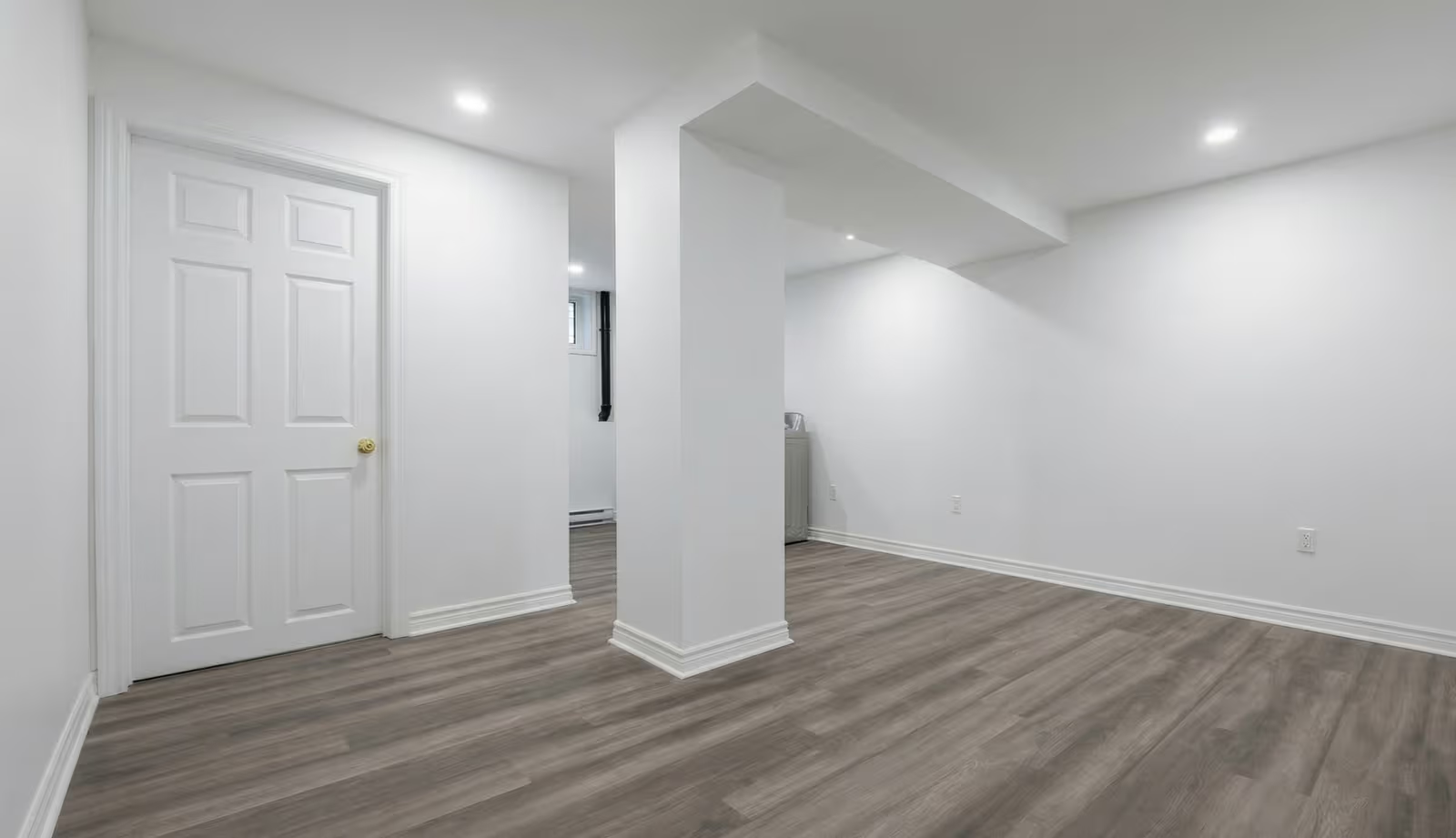
Source: Bougie Rénovation inc
Radon is a naturally occurring radioactive gas produced by the breakdown of uranium in soil. It is odourless, colourless, and tasteless, and it can enter homes through foundation cracks—particularly in basements.
Risk in Canada: Elevated radon levels can be found across many regions, including parts of Ontario, British Columbia, Manitoba, and New Brunswick. It is the second leading cause of lung cancer after smoking.
Guideline: According to Health Canada, action is recommended if levels exceed 200 Bq/m³.
What to do: The only way to detect radon is through a long-term test (typically 3 months during the heating season).
Heat Recovery Ventilators (HRV): Essential for Winter Ventilation
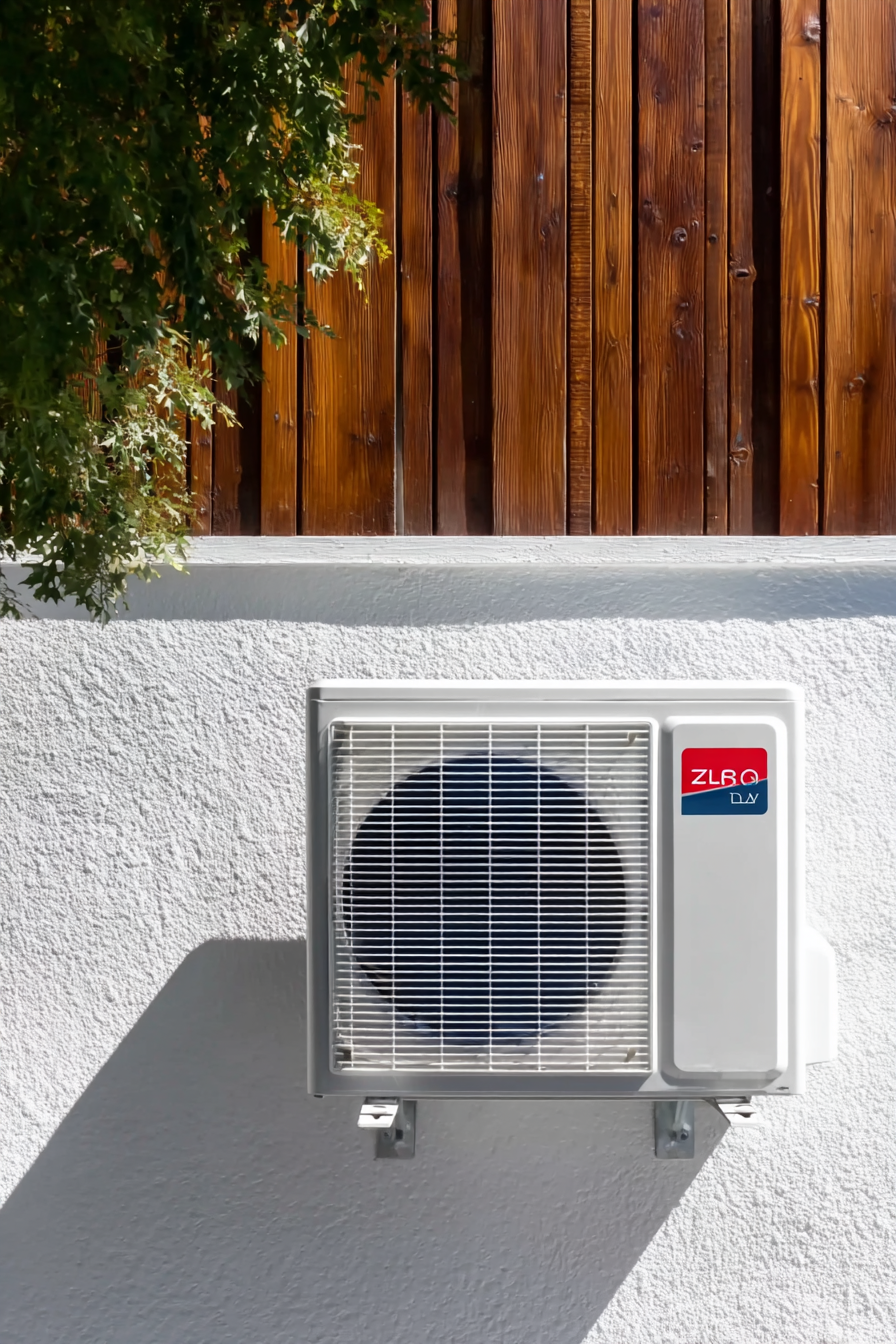
Source: RenoQuotes
Modern Canadian homes are subject to mechanical ventilation requirements under building codes. The heat recovery ventilator (HRV) plays a critical role in maintaining air quality.
How it works: It removes stale, humid air from kitchens and bathrooms while bringing in fresh outdoor air. The system recovers heat from outgoing air to pre-warm incoming air, improving energy efficiency.
Maintenance: Clogged filters reduce effectiveness and can even worsen air quality. Filters should be cleaned or replaced every 3 to 6 months, and exterior air intakes should be kept clear of snow and debris.
Humidity and Mould: Finding the Right Balance
Source: RenoQuotes
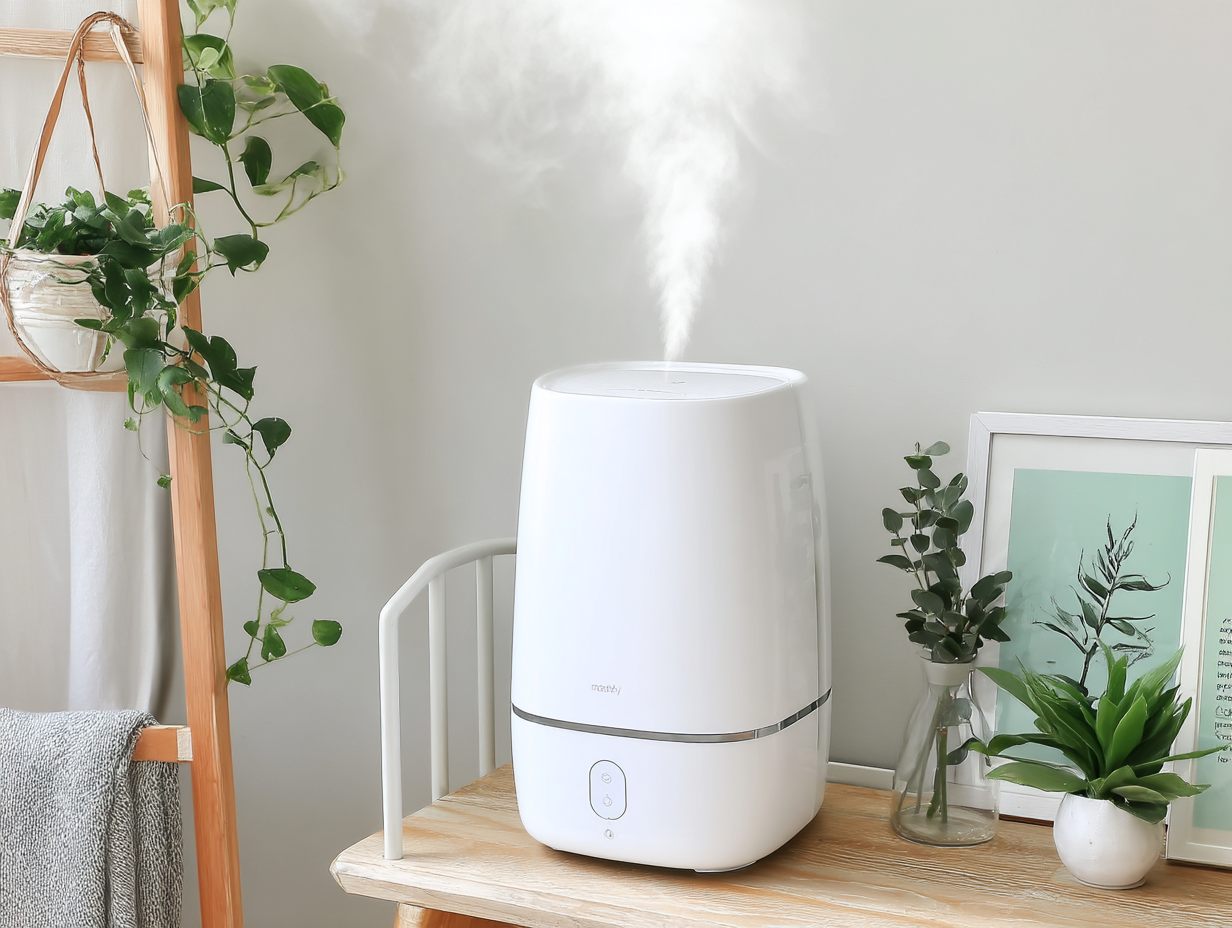
Humidity is one of the biggest challenges for Canadian homes.
Too high (above 50%): Encourages mould growth and dust mites
Too low (below 30%): Causes dry eyes, nosebleeds, and increased vulnerability to respiratory infections
Use a hygrometer to monitor humidity levels. Condensation on windows is often a sign of excessive humidity or poor ventilation. For tips on optimizing your system, check out this guide on residential ventilation.
Air Purifiers vs. Ventilation Systems: What’s the Difference?
Source: RenoQuotes
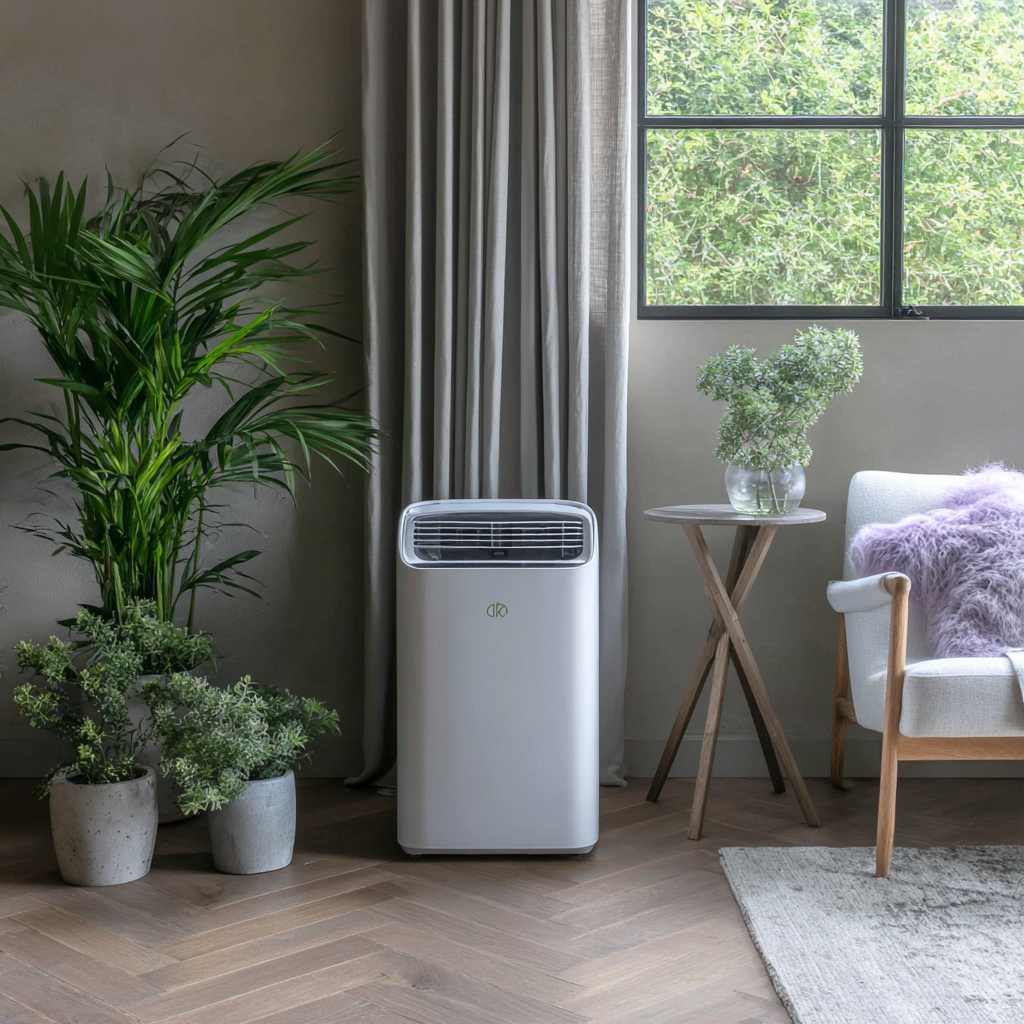
These systems serve different purposes:
HRV (heat recovery ventilator): Brings in fresh air and removes pollutants, moisture, and radon.
Air purifier (HEPA): Filters indoor air to remove particles like dust, pollen, and pet hair
For best results—especially for allergy sufferers—combine both systems.
5 Simple Ways to Improve Indoor Air Quality Today
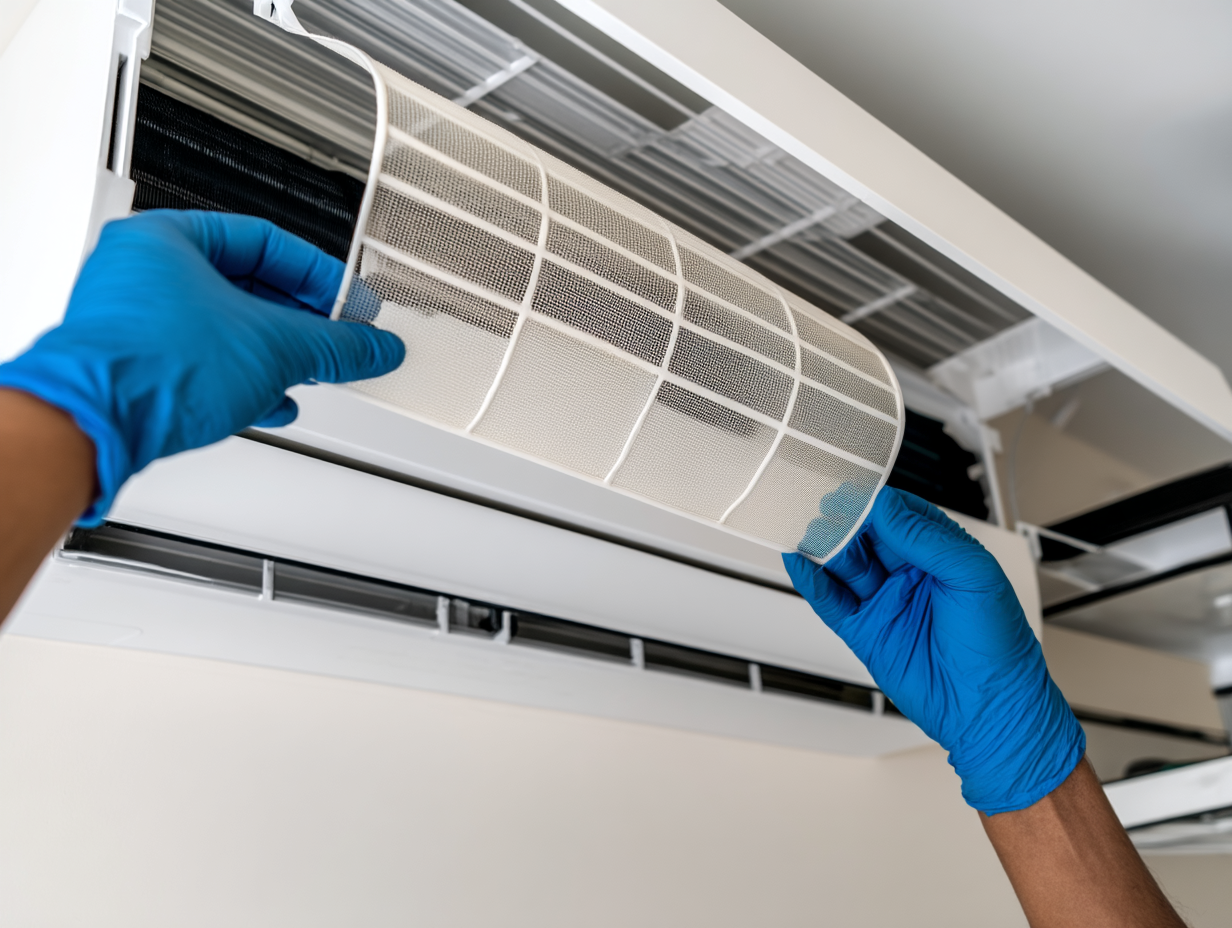
Source: RenoQuotes
Ventilate strategically: Open windows for 5–10 minutes, even in winter, on milder days.
Clean ventilation ducts: Especially after renovations or when moving into a new home. Having your ventilation ducts professionally cleaned is recommended.
Use your range hood: Always turn it on while cooking to exhaust combustion gases and excess moisture.
Check air sealing: Ensure proper sealing without blocking designed air intakes.
Reduce pollutants: Limit scented candles, incense, and non-EPA-certified wood-burning appliances as they release harmful fine particles.
For ventilation system upgrades or decontamination work, don’t hesitate to request quotes from certified professionals.
Indoor Air Quality: A Key Factor for Your Health
Maintaining good indoor air quality in Canadian homes comes down to a few essential actions: controlling humidity, properly maintaining your HRV, and testing for radon. These steps help reduce mould, remove pollutants, and protect your respiratory health. As homes become more airtight, ventilation plays a critical role in both comfort and building durability. If you notice signs of poor air quality, consulting professionals can help you identify issues and implement effective solutions.
Looking for something else?
Related articles
The latest industry news, interviews, technologies, and resources.

Editorial Team
•27 Aug 2024
When it comes to structures, one generally refers to its frame, which amounts to a building’s structural and load-bearing components. The latter include its roof, beams, columns, slabs, joists, load-bearing walls, and numerous other elements, all of which bear structural loads. Every component is crucial in ensuring the building’s stability and integrity.
Cynthia Pigeon
•19 Sep 2026
Toilet installation costs $260 to $960 in Canada with the fixture included, and most homeowners pay around $520 for a standard two-piece toilet supplied and installed. Labour alone runs $150 to $400 if you've already bought the toilet.
Editorial Team
•18 Jun 2024
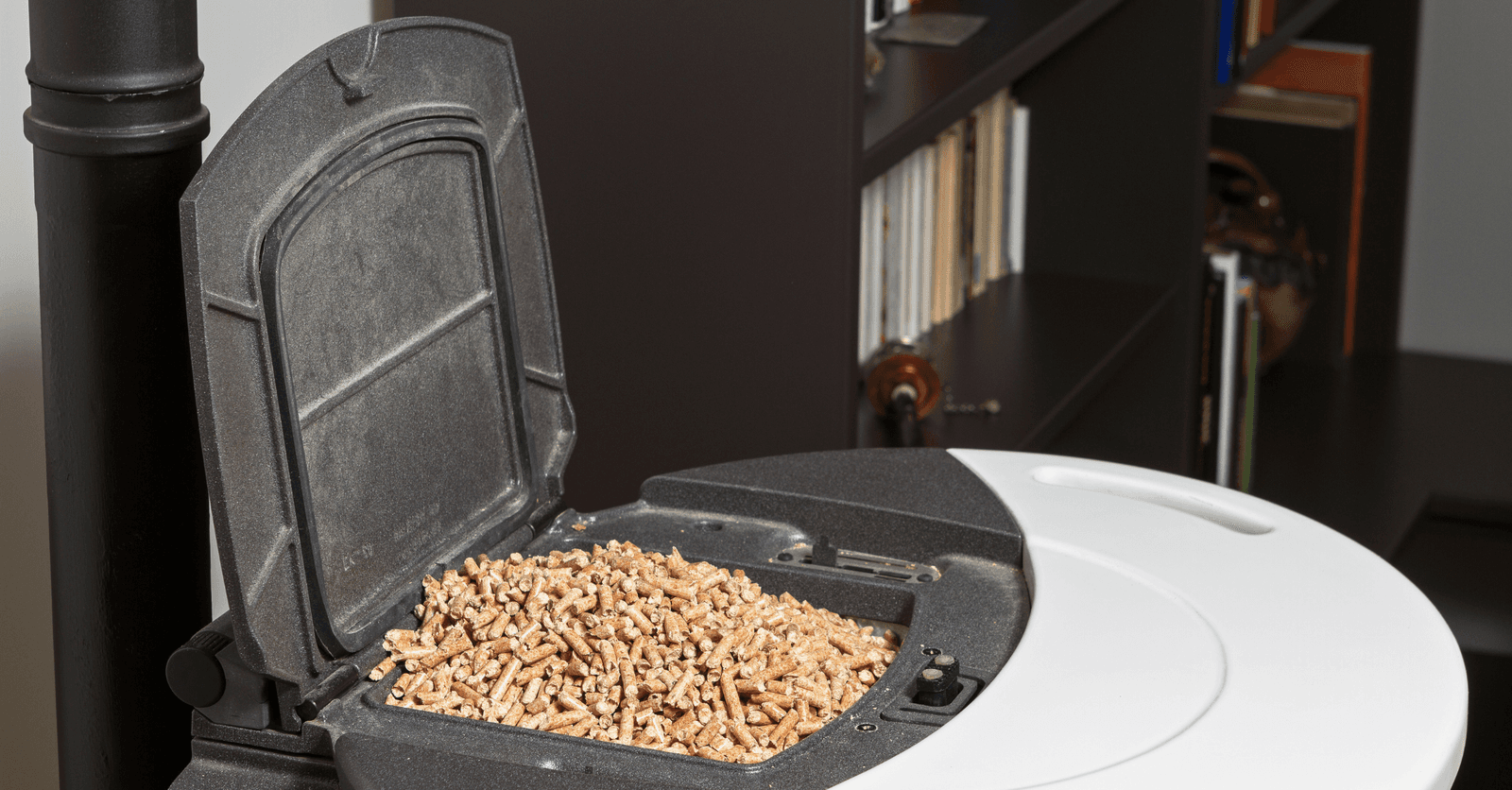
While traditional, wood-burning stoves have been flagged by the City of Montréal for their high levels of pollution, the current by-law regarding the use of less pollutant models is also to come under review. As such, in 2020, all solid fuel-burning appliances were banned, except for pellet stoves. The latter are still tolerated, even though they can only be used during smog-free periods.

Editorial Team
•08 Nov 2023
Trying to manage the items of multiple family members is one of the many difficult tasks that running a household entails. Since the bathroom is generally the smallest room in the home, keeping it neat and tidy is a part-time job.
Léa Plourde-Archer
•08 Nov 2023
If you plan to undertake major renovation projects in your home soon, your daily routine may be disrupted for a while. When the renovation is happening in a central part of the house such as the kitchen, it is important to plan the next few weeks carefully to avoid the possible inconveniences that the process may involve.