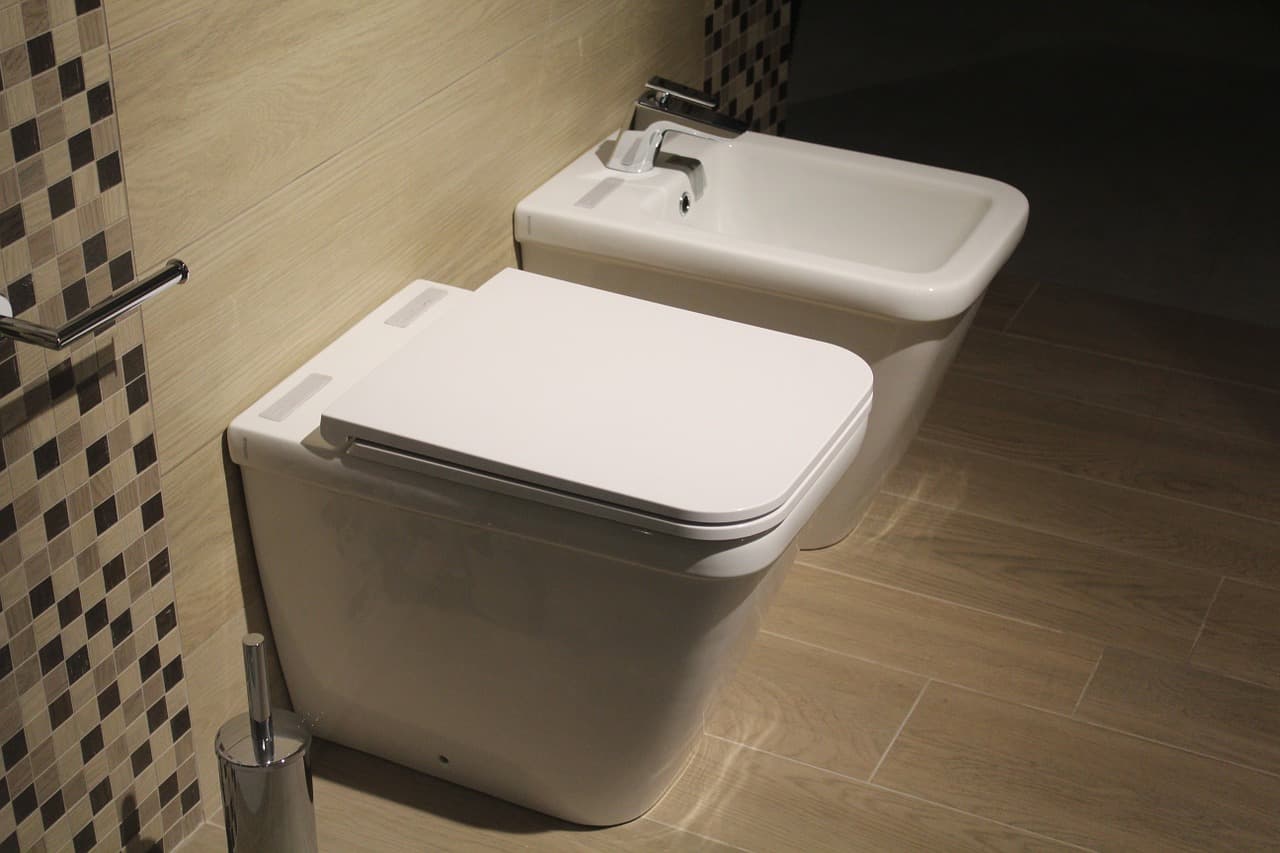
Every homeowner is likely looking for ways to make their bathroom experience more enjoyable. There are plenty of accessories that can be installed in this room, but none quite as luxurious as the bidet.
The bidet is similar to a vanity sink but is traditionally installed next to a toilet. However, for those working with smaller bathrooms, there are alternative bidet options on the market that won’t rival the size of your toilet.
Regardless of the size of your bathroom, the time you have to invest in the installation or your budget, we’re here to offer all the important details when it comes to choosing the right model and make for you.
How to install a bidet at home
Bidet options on the market

source: wikimedia commons
Regarding a bidet installation, there are two main options: a traditional floor-mounted bidet or an add-on bidet.
If you’re choosing to install a traditional bidet, you’ll first need to determine if you have the wall space and plumbing to support it. It will be necessary for the wall and floor to be square and plumb in order to install it. You’ll also need hot and cold power lines as well as a drain, and this installation will likely involve working with a professional plumber.
Also worth noting is that many manufacturers create bidets that complement a toilet model. So, if you’re in the market for a new toilet as well, consider purchasing and installing both at the same time. The most typical models on the market will feature single or two-handed faucets with various spray settings. There are some that come uncovered while others will incorporate a cover.
If you don’t have the space or budget for a traditional bidet installation, consider the add-on feature. There are three main types on the market, and these are seats with included sprayers, those which attach to the seat of your toilet as well as wand-type handheld options.
The features of these bidets will vary between manufacturers and models, with options along the lines of massaging jets, water heaters and various spray patterns. Your choice will likely come down to what exactly you’re hoping for.
Installing a traditional bidet

source: Pixabay
As mentioned, installing a traditional bidet will involve some plumbing work.
Further, some municipal regulations won’t allow the completion of any plumbing work without a professional. Therefore, it’s recommended that you do ample research regarding the rules of plumbing installation and work with a specialized contractor when necessary.
Once you’ve determined if you’re going to take this project on yourself or not, there are some basic tools that will be required and these include the following:
the bidet with mounting bolts;
adjustable wrench;
carpenters level;
screwdriver;
hot and cold riser tubes;
silicone sealant.
Now, you’ll need to start by attaching the faucet as well as the fittings of the drain to the body of the bidet, and this process will vary from model to model so do make sure to carefully read through the instructions.
Following this, you’ll need to place the bidet in the spot where you plan on installing it in order to make sure it aligns directly with both the drain as well as the pipes that supply the water. It’s important to mention that water lines should be turned off or closed before the actual bidet is installed.
Once you’ve found the correct place for it, draw an outline of the bidet while also marking the location of the bolts that will hold it in place. After it’s been marked, remove the bidet and drill pilot holes to prepare for the installation. The drill you use will depend on the type of floor your bathroom dawns.
Remember, when working with tile you’ll need a drill that works delicately, such as a carbide-tipped drill. Once the holes are in place, you can reposition the bidet on the floor in line with the outline you created.
Next, insert the bolts and tighten them to secure it in place. Make sure to use a carpenter's level before you fully tighten them. Following this, cap the bolts so that they blend in with the floor. Now you can apply the silicone sealant around the base of the bidet, working carefully and with precision. Connect the water supply tubes as well as the drain and valve. Once connected, turn on the water supply to check for leaks around the tubes or the bidet itself.
Installing an add-on bidet

source: unsplash
Installing an add-on bidet will come down to the type that you choose as well as your current model of toilet. However, in most cases, they’ll connect from the floor to your toilet tank. To complete this process, start by turning off the water supply, unscrewing the hose that connects to the toilet bowl and attaching a T-valve. The add-on bidet should screw directly onto the t-valve. The benefits of an add-on bidet are not only the simplicity of the installation process but also the space and money that can be saved.
Get 3 renovation quotes for your bidet installation project
RenoQuotes.com can help you get quotes for your bidet installation project. If you submit your project to us, we’ll put you in contact with top-rated contractors. Fill in the form on the homepage (it only takes a few minutes), and you will receive quotes from companies that are specialized in home renovations.
Dial 1-844 828-1588 to speak with one of our customer service representatives.
Looking for something else?
Related articles
The latest industry news, interviews, technologies, and resources.

Editorial Team
•08 Nov 2023
Whether working, taking care of young ones, recovering from a cold or cooped inside for one reason or another, there are times when we’re stuck at home for days with no end in sight.
Karine Dutemple
•08 Nov 2023
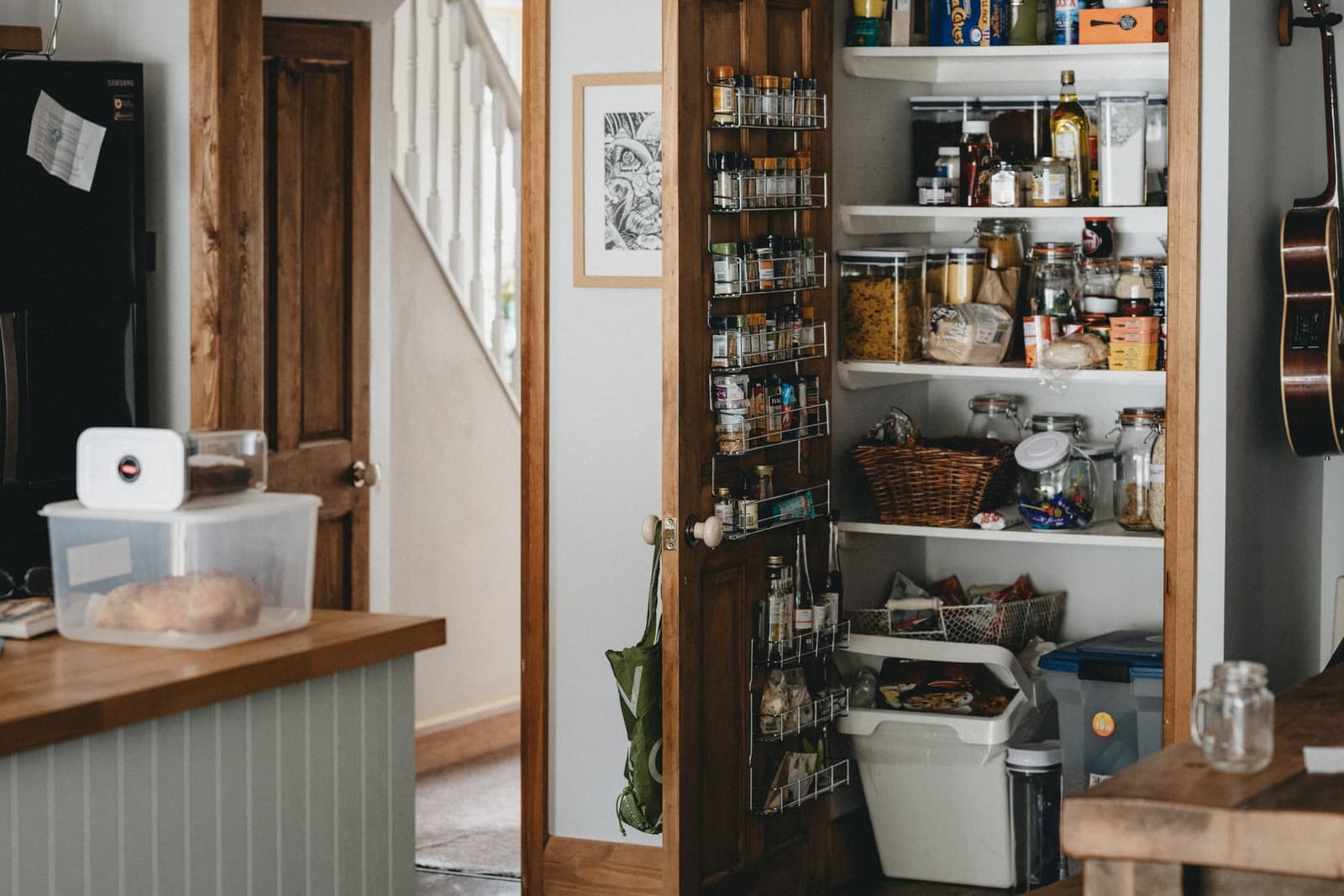
For every storage space at home, there is inevitable long-term chaos. Fortunately for us, there are now many ways to organize these spaces, whether it's the wardrobe, kitchen cabinets or rooms like the laundry room. Apart from Ikea's convenient facilities, there are other ingenious and original tips that will help you optimize the organization of your closets.

Editorial Team
•11 May 2026
Are you dreaming of sun-filled summer days? What better than a jaw-dropping outdoor kitchen to make the most of it? But first, how does one go about getting such a large-scale project off the ground? Well, the answer couldn’t be simpler: by following a few paramount tips!
Editorial Team
•21 Aug 2026
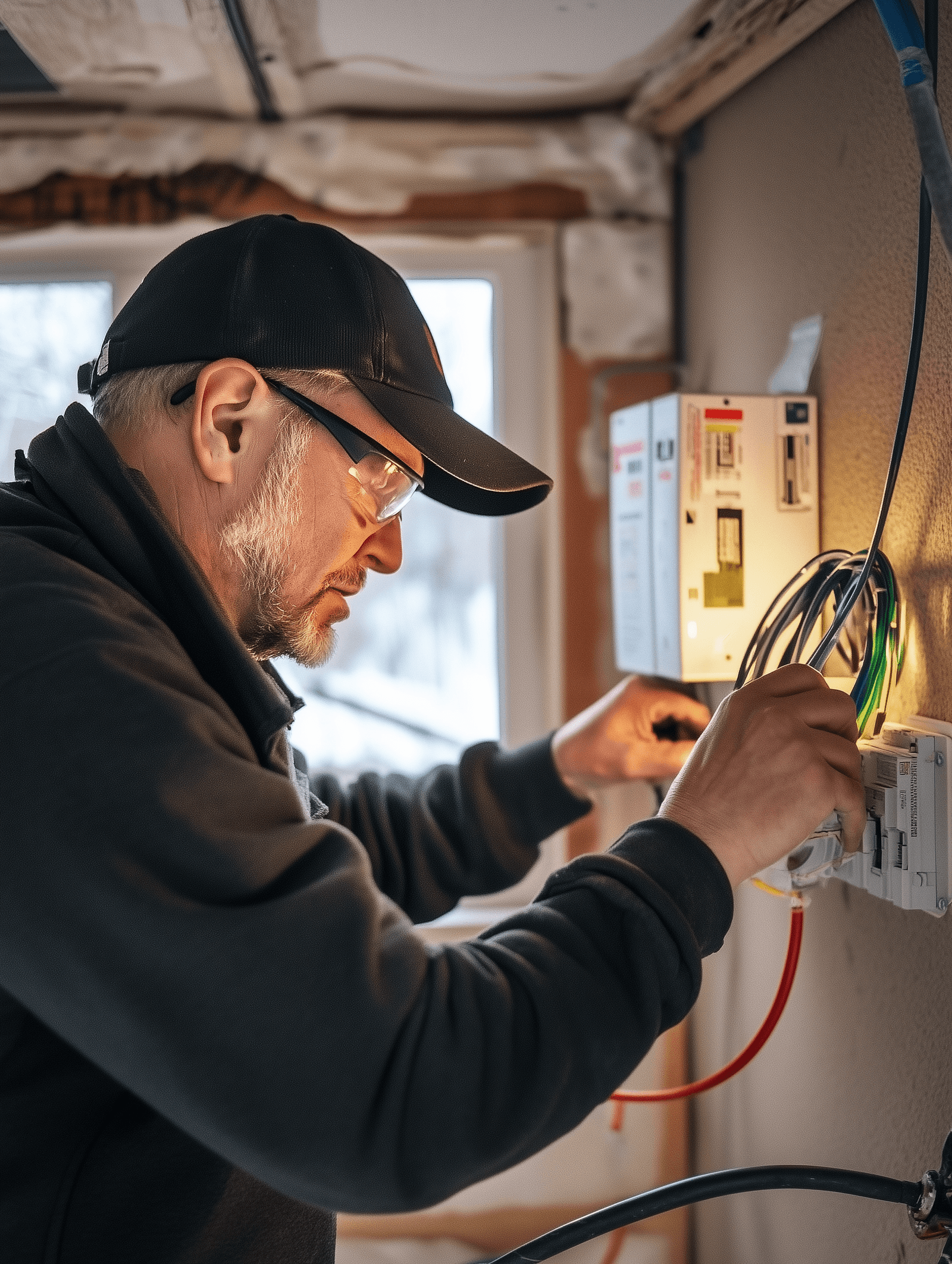
During home renovations, electrical work must be carefully planned to ensure the safety, durability, and reliability of the improvements made to the property. Finding the right balance between cost and quality helps avoid compromises that could affect the proper functioning of electrical systems.
Editorial Team
•29 Feb 2024
Your house was built like a sealed envelope in which the windows and doors are thermal bridge contributors. It’s through these openings that 25% of the heat inside your home escapes.