All About APCHQ's Mould Control Certification
By Cynthia Pigeon
Updated on November 8, 2023
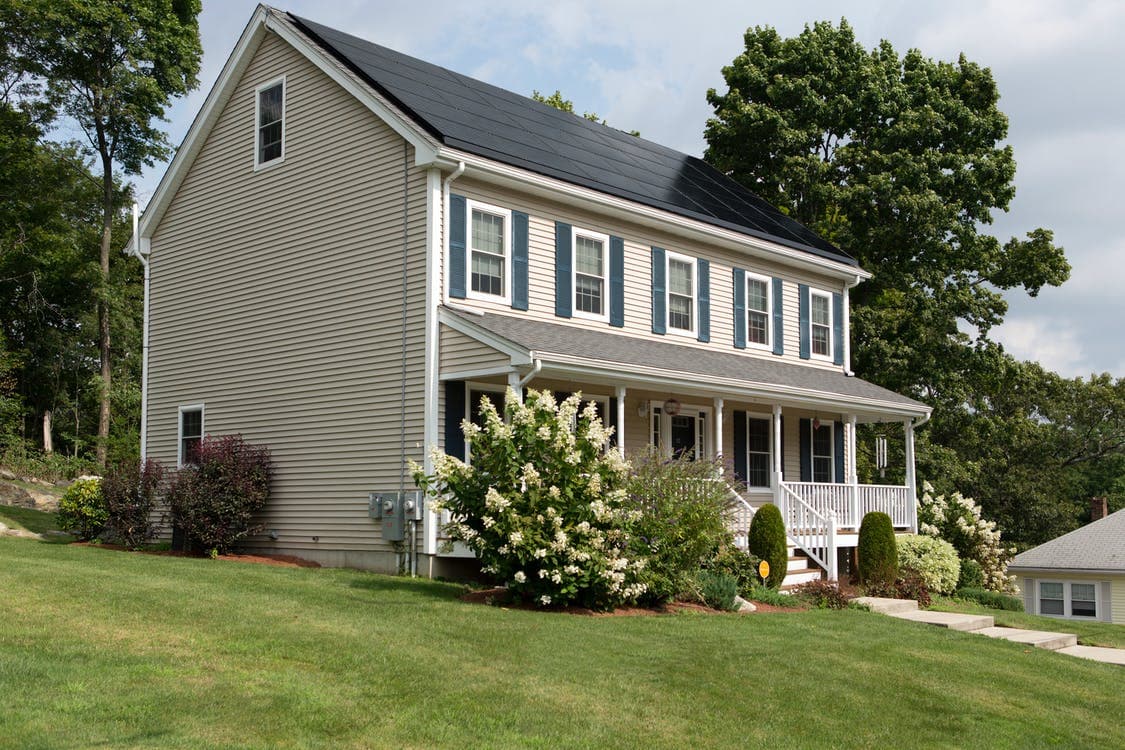
Mould found in homes is a common concern amongst many homeowners because of the extensive damage it can cause.
Since qualified professional know-how is an absolute must when it comes to detecting mould and restoring buildings affected by it, the APCHQ is now offering two new training programs.
Introducing: Standard BNQ 3009-600
Standard 3009-600 was issued by the BNQ (Bureau de normalisation du Québec) roughly two years ago. It is titled “Mold Contamination of Residential Buildings – Contamination Assessment and Building Rehabilitation,” and solely exists in Quebec.
This standard is actually a result of an agreement between various parties involved in the building industry, and is aimed at city or government institutions, but also businesses who strive to better manage mould investigation and remediation projects in mould-affected homes (or those who offer their decontamination or investigation services).
In this regard, the APCHQ is offering two new training programs:
Contamination Assessment
Building Rehabilitation
This organization benefits from BNQ recognition and is the only entity to issue a certificate of completion for these training courses. Both are also recognized by the Régie du bâtiment du Québec.
1) Contamination Assessment
The APCHQ offers training programs for construction professionals, such as "Contamination Assessment," among 100 others. No matter where you live, whether in the city or outside its limits, you can take these courses at a time of your choosing, even during the evening or on the weekends. You can also access them online.
This first training program was designed to meet the requirements of building and renovation contractors, as well as those of carpenters wishing to improve their knowledge and expertise in the field.
These training programs are designed to teach participants how to master inspection techniques and the best possible methods for making an accurate diagnosis of the house’s condition.
As suggested by the name of the course, ''Contamination Assessment," this training focuses on the standard aspect. Here you’ll learn all the essential components needed to conduct research, determine the causes, and properly assess the damage. Therefore, you'll have everything you need to succeed in finding the right keys to solve the problem.
2) Building Rehabilitation
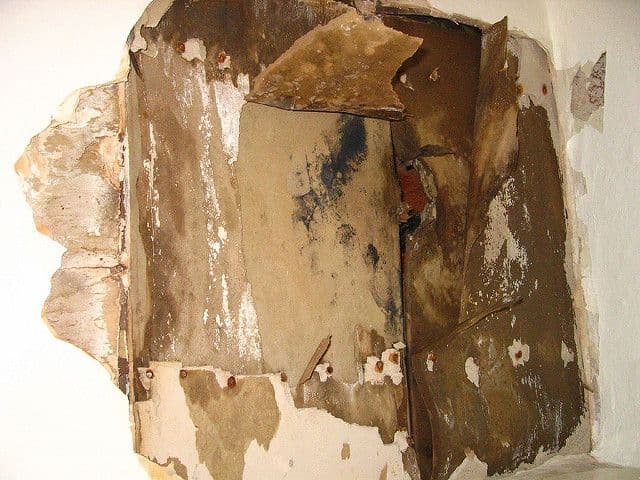
Complementing the first course and following exactly the same course, the second program offered by the APCHQ is "Building Rehabilitation."
Once the diagnosis has been made, the next step is to put in place a plan of action to restore the building. This obviously includes the eradication of mould and this task shouldn't be taken lightly.
This is where the second training course comes in handy, as its purpose is to provide you with the means to get rid of the most stubborn moulds with the least amount of effort, and do so problem-free.
In a nutshell, this second training program is the logical continuation of the first one since it deals with the effective rehabilitation of the dwelling to create a healthy environment for the residents.
Now, at this stage, comes applying the methods learned, with an emphasis on the rehabilitation procedure, which includes decontamination.
How Is Standard BNQ 3009-600 Unique to Quebec?
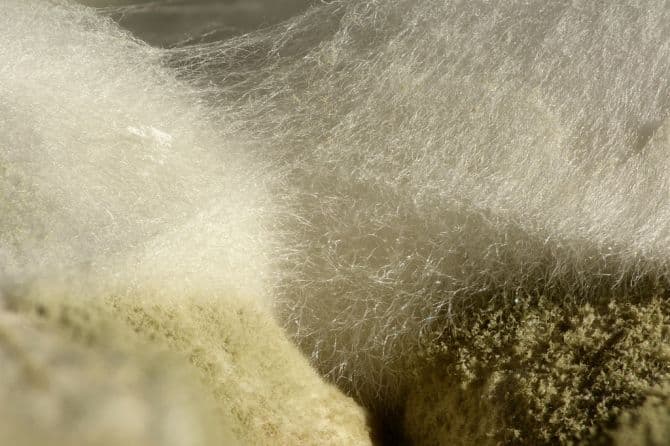
The key factor is that Standard 3009-600 is the first such standard to address mould in Quebec homes.
What makes it unique is summarized in just a few important points:
First, the standard is a reference in terms of mould-infested home investigation and remediation in Quebec. It offers efficient and professional work based on scientific data and the expertise of a group of seasoned specialists, including the INSPQ.
Furthermore, the standard is designed to provide the necessary support to both professionals and employees working on the investigation and/or decontamination of mould-contaminated homes (and also that of owners, occupants and managers). This makes it a comprehensive standard that leaves no room for error.
Besides, it's based on a long-term effort that was carried out by a scientific and technical team, with the participation of several essential parties such as users, building experts, and service providers.
Moreover, the standard outlines a detailed plan of the procedure that’s to be followed to provide effective mould control solutions. This ranges from diagnosis (cause and assessment of the problem) to disinfection work, through planning and quality control directed at the work carried out and customer service.
Numerous appendices containing useful tips on how to prevent mould growth are also included, as well as a complete diagram of the entire process, comprising the two main stages of building assessment and rehabilitation.
In fact, Standard BNQ 3009-600 is a document that could be implemented by cities or insurance companies as a regulatory tool. As such, it could be used as a reference point to resolve certain conflicts in the construction industry.
Get new contracts for your construction or renovation company
RenoQuotes.com can help you get new contracts. We get new project proposals from clients seeking top-rated and trustworthy renovation professionals like yourself. To get started, simply fill in the form on our homepage (it only takes a few minutes) and receive information regarding potential clients by way of our services.
Looking for something else?
Related articles
The latest industry news, interviews, technologies, and resources.
Editorial Team
•08 Oct 2025
Becoming a renovation contractor is an exciting career path. It’s a trade perfectly suited to those who enjoy change and are skilled in manual tasks. Also, there’s nothing like working hard and putting in the effort to complete a construction or renovation project.
Editorial Team
•11 Nov 2023
During the learning stages of your professional career, meant for you to acquire the necessary skills to carry out your chosen trade in the most competent of ways, you’ll work with a journeyperson.
Editorial Team
•12 Aug 2025
Are you looking to buy ceramic tiles at the best price in Laval? To help reduce your effort, we have put together a guide of stores selling ceramic in Laval.
Editorial Team
•30 Apr 2026
Although many tend to explore the boundaries of personal style in their home’s interior, the exterior surfaces are a direct extension of your design preferences. Curb appeal has a real impact on the resale value and overall allure of a home.