Optimizing Energy Efficiency: Driving Economic Growth
By Editorial Team
Updated on November 8, 2023

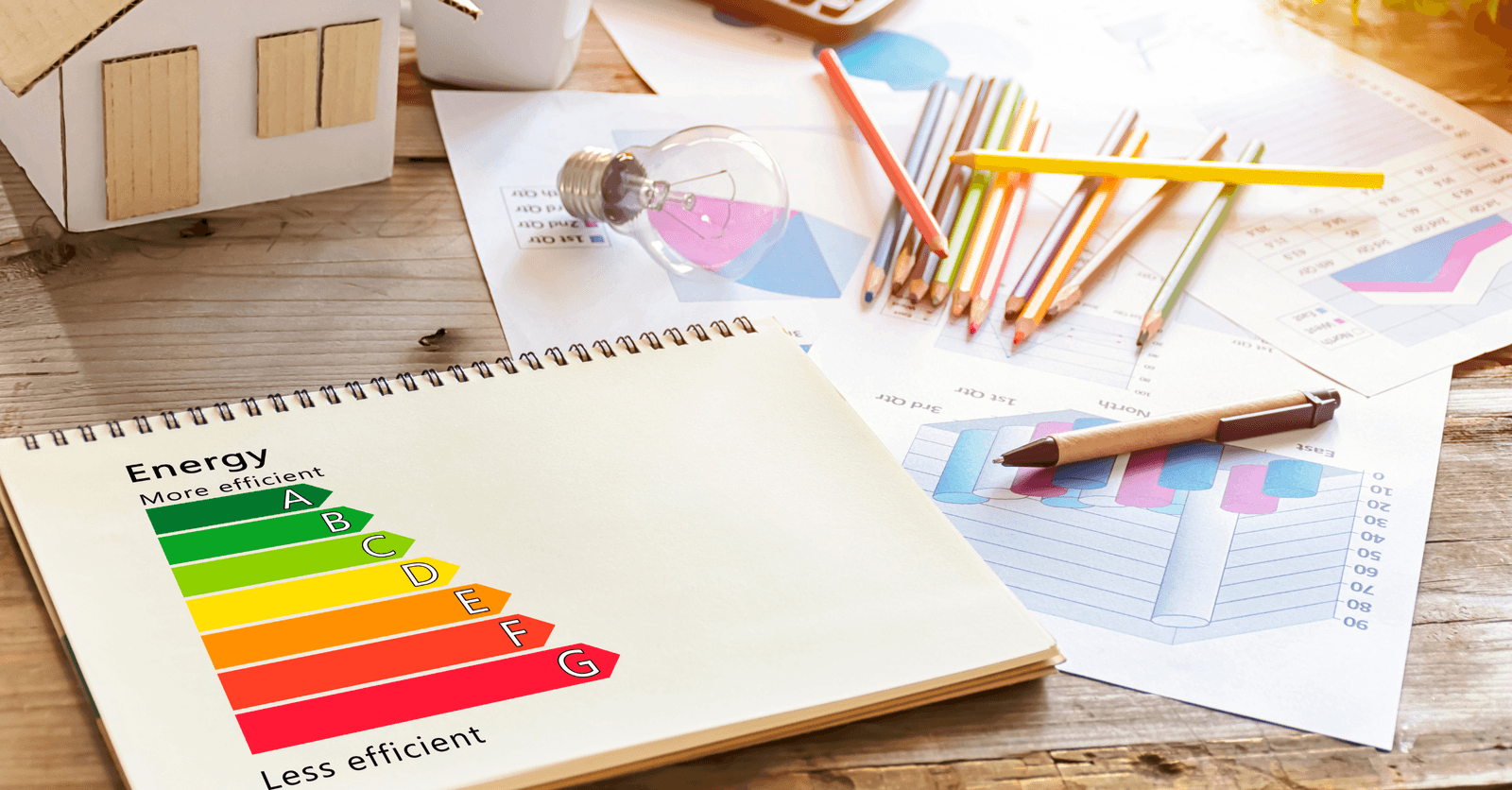
Reducing the energy waste of your home allows you to reduce your energy costs, an easy choice to make! When all Canadians take steps to increase energy efficiency, these efforts do not add up individually. Rather, they multiply exponentially. The simple act of changing a light-bulb can create a snowball-like effect to the point of boosting economic growth and job creation from coast to coast.
What are the benefits of energy efficiency?
Source : Canva
The study Energy Efficiency: Driving Economic Growth in Canada conducted in 2014, quantifies the macroeconomic implications of cost-effective energy efficiency measures in all Canadian provinces. The project team, consisting of Environment Northeast (ENE), and Dunsky Energy Consulting, was supported by representatives from Natural Resources Canada and the National Energy Board, as well as an informal advisory group of provincial energy and utilities ministries and other experts.
The results of the study were summarized by the following five conclusions:
Energy efficiency dramatically increases GDP and boosts employment growth so that the savings generated by efficiency programs free up money for new spending in the residential sector and contribute to increasing competitiveness between firms and, consequently, economic performance.
Most of the economic impact stems from savings that are reinjected into local economies and increase the competitiveness and productivity of business and industry. Energy efficiency programs generate employment growth in the energy services sector, with 75 to 85% of the overall macroeconomic impact being attributable to the persistent effects of consumer and industry savings.
The benefits are distributed across several sectors of the Canadian economy related to the implementation of energy efficiency programs: construction, retail, professional services and manufacturing. These savings have a greater impact on job creation at the local level, particularly in the retail, travel and tourism, food services, manufacturing, construction and professional services sectors.
Simultaneous implementation of programs increases economic benefits, which are even more important when provinces simultaneously implement energy efficiency programs for more than one energy source. Thus, the economic benefits are greater when several provinces implement energy efficiency programs together.
Investments in energy efficiency increase government revenue. The implementation of energy efficiency programs inevitably provides financial relief for consumers and businesses, due to the reduction of their energy expenditure and sales taxes. However, this study indicates that the net increase in economic returns generates tax revenues that more than offset the losses associated with these financial reductions.
In short, each homeowner who invests in the energy efficiency of their home starts an economic cycle that can initiate a cyclical pan-Canadian effort to counter energy waste and participate in economic growth.
What are the Energy Saving Measures for your home?
Source : Canva
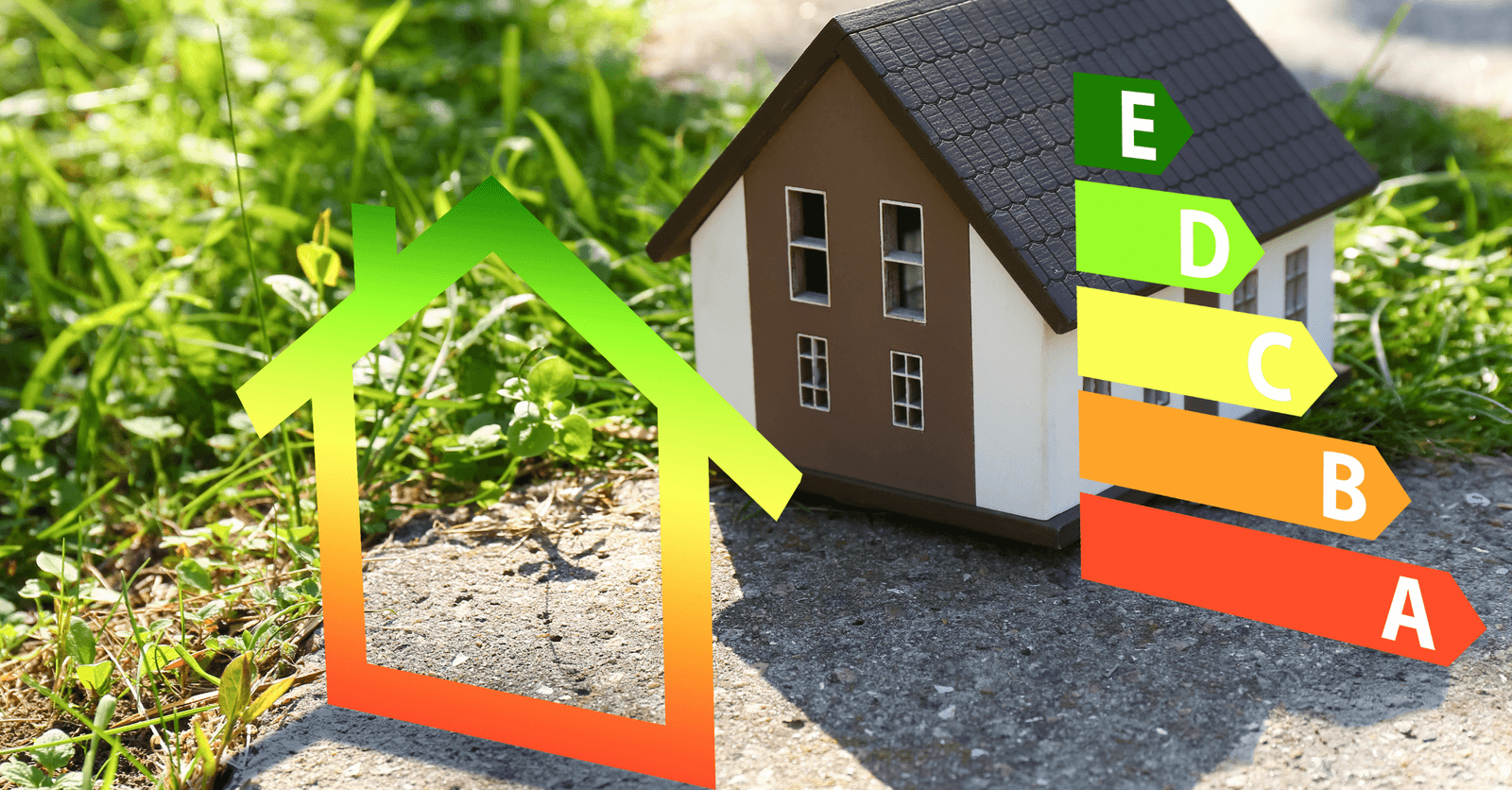
The ENE’s report Energy Efficiency: Driving Economic Growth in Canada from 2014, proposes both inexpensive and costly measures to improve the energy efficiency of your home.
Here are four inexpensive measures:
Use compact fluorescent bulbs or CFLs. According to Écohabitation, this type of bulb lasts for a long time (about 5 years), diffuses a brightness avoiding the glares, emits up to 75% less heat and is preferable to the incandescent bulb. On the other hand, this type of bulb has a somewhat artificial appearance, contains mercury and emits ultraviolet radiation. These bulbs cost between $ 5 and $ 20.
Use LED filament bulbs or vintage-style LED bulbs. Écohabitation says that this type of light bulb provides good brightness distribution, consumes very little energy (2 watts illuminates as much as a 20-watt incandescent bulb), does not contain mercury like compact fluorescents and lasts a long time (between 15,000 to 40 000 hours against 50 to 100 hours for the incandescent bulb). If you buy these bulbs online, make sure they have the basic UL security certification. These bulbs cost between $ 3 and $ 20 depending on the model.
Purchase ENERGY STAR qualified equipment listed on Natural Resources Canada's site. This certification applies to products included in the following categories: household appliances, electronics, lighting, doors and windows, heating equipment, air conditioning and ventilation equipment, water heaters, office equipment, data centers and commercial catering equipment. The ENERGY STAR designation is awarded annually to products that rank amongst the 15 to 30% of the most energy-efficient products in their class for energy efficiency. These high-efficiency products consume between 20 and 30% less energy than ordinary models.
You will also benefit from making your home air-tight by sealing the walls according to EcoRénov. In case the plaster of the exterior walls of your home is cracked, and you need to change the plaster, use this opportunity to seal the walls. The air-tightness of the existing dwelling constitutes recognized eco-responsible renovations and entitles the EcoRénov credit.
Which measures cost the most?
According to Ecohabitation, heat losses are generated by doors and windows (28.5%), air leaks (27.5%), subsoil (21.5%), walls above ground 14.5%) and the attic (8%). So, re-insulation of your home involves reviewing the sealing elements such as the air barrier or the vapour barrier since the insulation must trap air or other gases. As a result, it is important to change or caulk any doors and windows. You must also ensure that there is no "thermal bridge", that is, a non-insulating, heat conductive material that penetrates the insulating material. The continuity of consistency is imperative. The cost varies depending on the thermal insulation.
Install a heat pump that can be used as a heating system in winter and as an air conditioner in summer. The heat pump extracts outside air and pumps the air inside the dwelling, which is why it consumes less energy than it moves. On the other hand, savings in heating are almost nil, considering the energy expenditure required for air conditioning during the summer. If your home has a waterproofing problem, the heat pump is not worth it. The cost varies depending on the model.
Add a solar hot water heater to existing electric water heaters and other gas water heaters to cover up to 40% of the energy required for your hot water consumption, with savings that amount to roughly $107 per year. If combined with a radiant heating system with water or forced air, the solar water heater can be used to heat the house. The sun remains an inexhaustible energy resource, its radiance for a quarter of an hour provides us with all the energy we collectively consume in one year. According to an article published in 2010 by Protégez-Vous, the price of buying and installing a solar water heater was more than $ 11,000 in order to save $ 200 a year in hot water, meaning that the system would pay for itself in 36 years.
Get 3 renovation quotes for your homes energy efficient improvements
RenoQuotes.com can help you get quotes for your eco-friendly renovation project. If you submit your project to us, we’ll put you in contact with top-rated contractors. Fill in the form on the homepage (it only takes a few minutes), and you will get estimates from trusted professionals.
Looking for something else?
Related articles
The latest industry news, interviews, technologies, and resources.
Editorial Team
•04 Feb 2025
Before, artificial lighting was the product of a light bulb screwed into a socket, then came along neons, halogen bulbs, and spiral-shaped compact fluorescent lights (CFL). Nowadays, the price-quality ratio and energy efficiency of light-emitting diodes (LED), make this type of lighting a must-have.
Editorial Team
•17 Jun 2026
Summer is peak season for enjoying your home, and a clean, safe balcony can make outdoor living feel much more inviting. With a few quick wins, such as clearing drains, washing surfaces, checking railings, refreshing furniture, and touching up worn finishes, you can improve curb appeal while helping prevent bigger repair issues later.
Editorial Team
•27 Aug 2025
Did you know that concrete could be recycled? Well, yes siree Bob! Concrete recycling is a technique used to salvage concrete waste. It’s an alternative to disposing of it in landfills that happens to be both cost-effective and eco-friendly. So, let’s zero in on concrete recycling, a practice that’s still, to this day, little known in Canada.
Editorial Team
•07 Dec 2023
Are you looking for a heating system that better suits your household and want to know more about forced-air heating system characteristics?

Editorial Team
•09 Mar 2026
When the snow disappears and the soil wakes up, it’s the ideal time to get your yard back in shape without wearing yourself out. This landscaping maintenance guide helps you plan the right steps, choose the right techniques, and avoid unpleasant surprises, while keeping an eye on summer project preparation. If you have a team or clients, it also supports operational optimization and timely follow-up as summer demand ramps up.