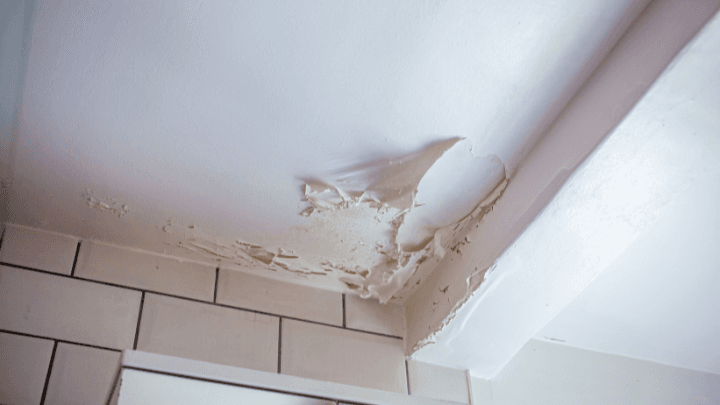
Showering, bathing, hair drying and moist towels hanging from every fixture; all the activities that take place in the bathroom breed humidity.
As a result, for homes with paint jobs that were completed years before, peeling paint is a common problem.
Problems that can be caused by peeling paint
Source: Canva
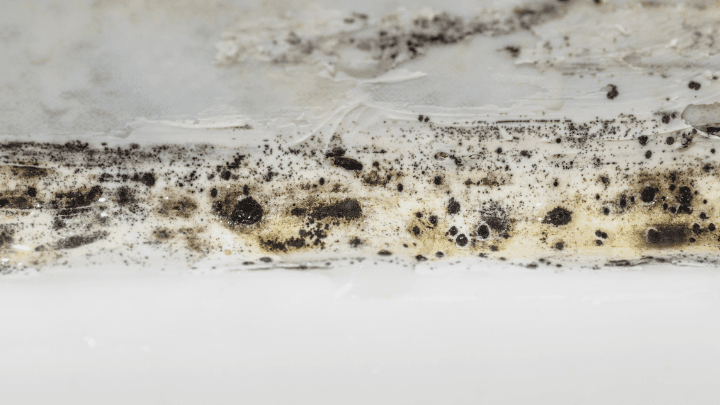
Not only is the chipping colour unsightly, but those open wounds in the wall can aid in the unsightly production of mildew and bacteria. It isn't overly complicated to repair peeling paint, but extra caution should be taken in cases of older homes where lead paint could have been used. If your home was built before 1979, please consult a professional before moving forward with at-home repairs.
In all other instances, it only takes a few simple steps to revamp your bathroom's coat of paint and take care of that breeding ground of mildew.
What causes paint to peel?
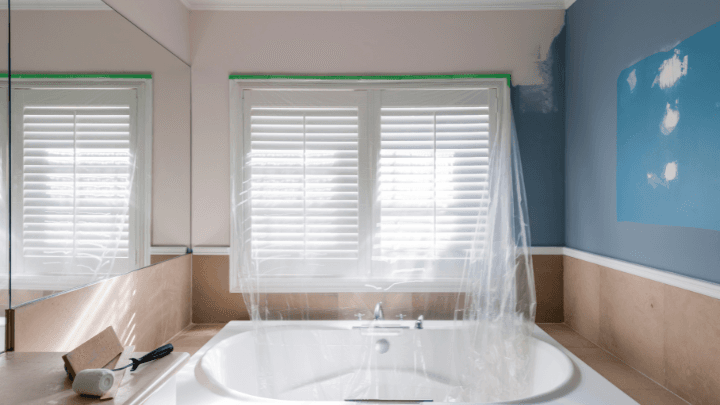
While taking a look at the peeling paint on your bathroom walls, you’re probably asking yourself: but why? Many reasons can explain such a situation.
First of all, it’s worth knowing that insufficient preparation of the surface to be paid such as a bad cleaning is a factor often implicated.
Also, the use of paint that is not antifungal and therefore unable to withstand a high level of humidity can contribute to this problem. Keep in mind that paints with matte finishes are generally more vulnerable to mould. Let's specify that it's still possible to opt for this type of finish if the paint is antifungal.
Lastly, let’s remember that choosing poor-quality paint can also contribute to its peeling.
Ways to Fix Peeling Paint in the Bathroom
Source: Canva
Begin by removing existing paint chips from the walls
Work carefully and precisely to remove hanging or unadhered paint from ceilings and walls, making sure that only tightly fastened paint is left standing. This job can be done with a paint scraper or flat surfaced knife such as a putty knife. It's recommended that the job be done while wearing protective eyewear and a dust mask or ventilator, as tiny flakes of paint may circulate in the surrounding air and can easily be inhaled.
Now you're making smooth moves towards a restored bathroom!
With the removal of layers of paint in only certain sections of the wall, uneven, broken spots will now be found. An important step is smoothing out the surface you're repairing. This process can be done using fine-grain sandpaper or an electric sander. As you complete the sanding process, don't forget to dust off those surfaces so that they'll be as flat and polished as possible moving forward.
Patch up rough, uneven spots with a patching compound
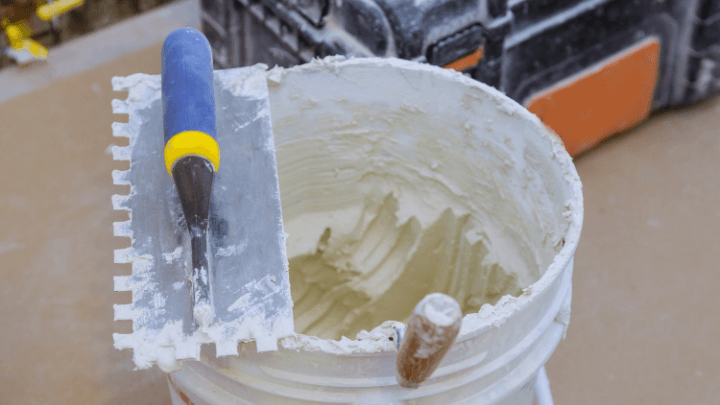
A patching compound can be found at your local hardware store. Apply the compound carefully, making sure to level it out as much as possible. After the first coat has dried, apply a second coat and leave it alone overnight. The following day, wake up revived and continue with your dream bathroom DIY.
With the patched areas dry, grab the sandpaper, your eyewear and dust mask again and have another go at those newly crafted uneven surfaces. You'll want to spend some time sanding down the patching compound so that the walls and ceiling are unwrinkled and even. It is sometimes recommended that a vacuum be used following this step, as dust particles will be present.
Prime the walls to avoid future problems
Priming the walls and ceiling is a very important step, as most paint peels due to a lack of primer. Be sure to use a moisture-resistant primer, as this will stand up against the humidity of most bathrooms. Using a small brush or roller, prime the areas you will be painting and allow the primer to dry fully.
Ready to paint
Hopefully, you've been left with a baby-smooth surface so the paint can be applied easily. Make sure to choose a paint that will stand up to the heat of the bathroom, such as gloss or semi-gloss paint, as well as a colour that will keep the space tranquil.
Looking for something else?
Related articles
The latest industry news, interviews, technologies, and resources.
Léa Plourde-Archer
•05 Dec 2025
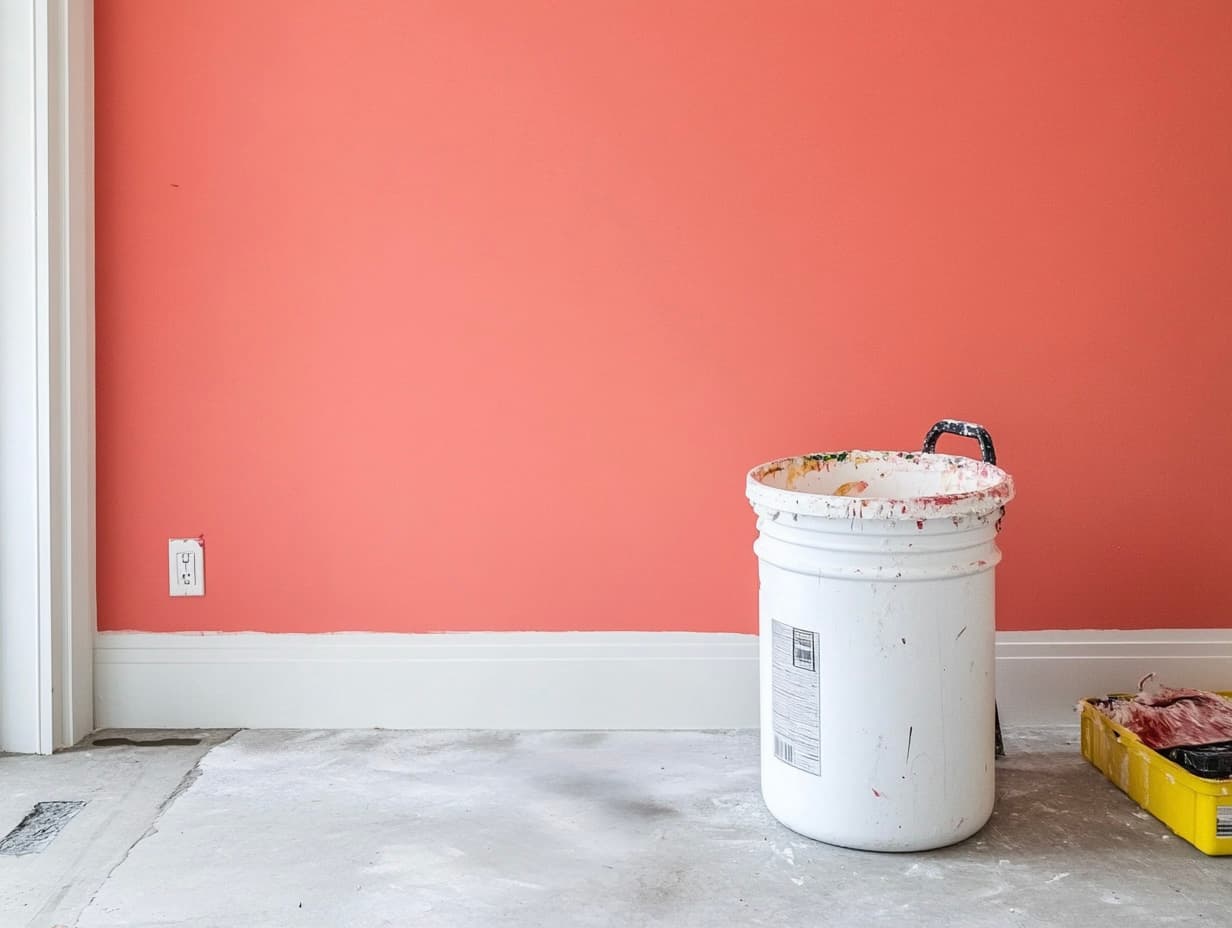
Painting your exterior siding or a room in your home is a quick, affordable, and sure-fire way to revamp a dull-looking space. Most people have used a paintbrush or a roller or two in their lifetime, but did you know that meticulous preparation and tailored methods make all the difference between a sloppy paint job and flawless results?
Editorial Team
•29 Jan 2025
Making dinner consists of twists, turns, dips and bends, and as a result, designers, architects and homeowners alike are beginning to pay attention to the ergonomics of the kitchen. The science of ergonomics leads to the encouragement of productivity, efficiency as well as control. Using a combination of appliances and fixtures with ergonomic design alongside proper room layout and planning, cooking and working in your kitchen can become comfortable.

Editorial Team
•08 Nov 2023
One of the most frustrating things for any homeowner to experience is opening their hallway, bedroom or foyer closet to try and find something specific. Most of the time, a closet is where you'll place all the things you want to forget about.

Editorial Team
•08 Nov 2023
Nowadays, we are so used to having access to electricity at all times that when a problem occurs, we’re caught off guard. Many homeowners are reluctant to touch their electrical set-up, which is a good instinct to have, especially due to the fact that electrical work is regulated and in some places illegal to carry out without the proper certifications (Quebec included).
Editorial Team
•02 Oct 2024
Decorative panels are great in that they serve both practical and decorative purposes. These characteristics surely play a part in their sudden surge in popularity. Here are a few things you should know about this type of wall covering: