How to Plant a Cedar Hedge: the Steps
By Karine Dutemple
Updated on November 8, 2023
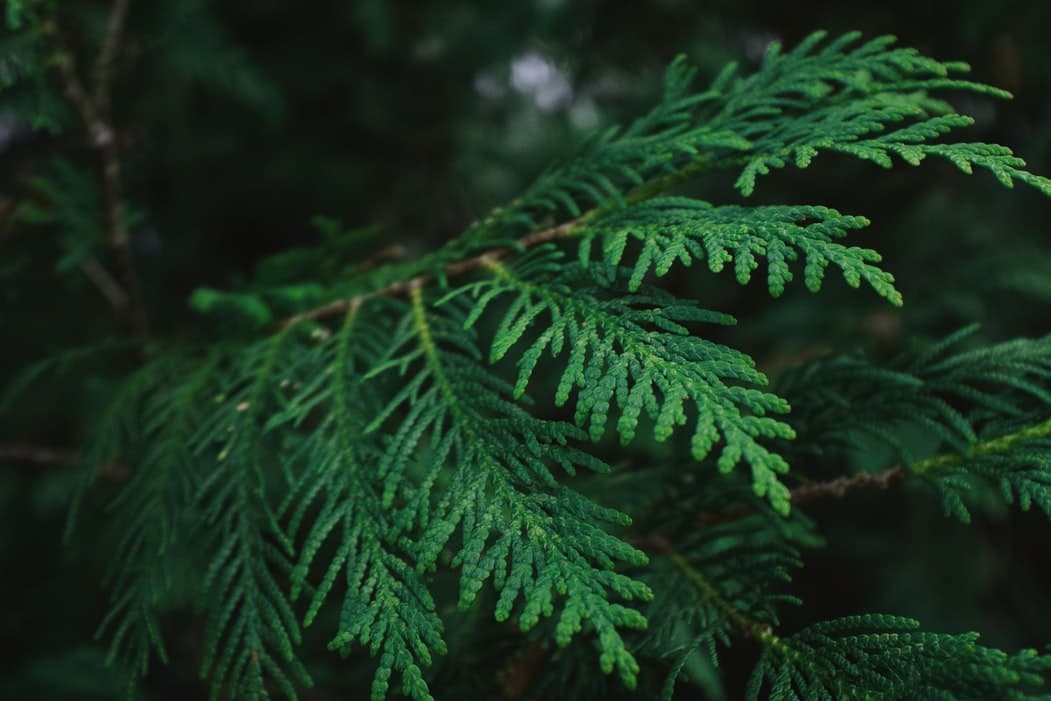
Do you want your backyard to be out of sight for passersby? Like many homeowners, you've probably thought of planting a cedar hedge to enjoy this coveted privacy.
However, it is important to be well informed before embarking on this landscaping project! So here's everything you need to know about planting a cedar hedge.
Planting your cedar hedge
Before planting: look at what needs to be checked
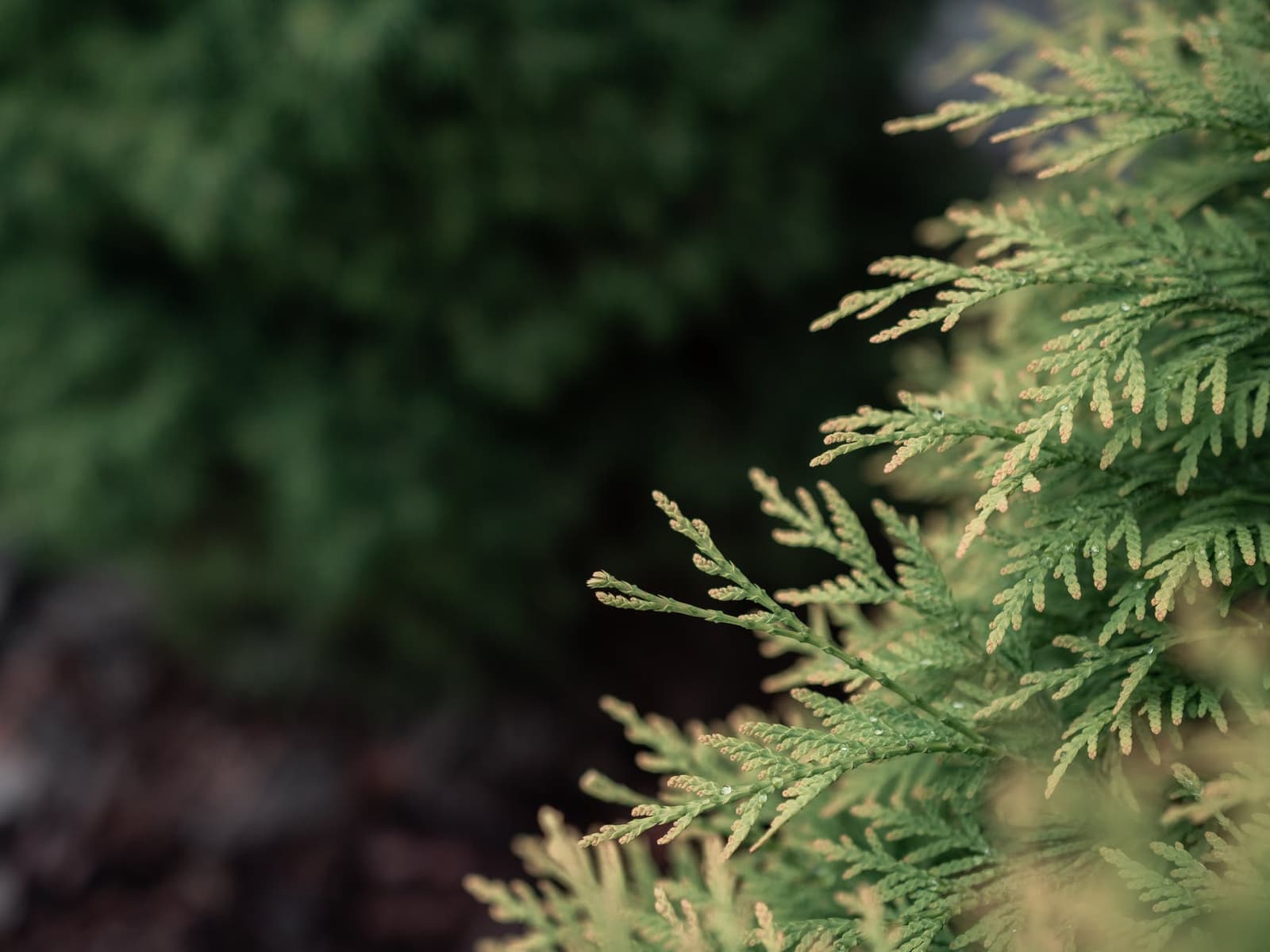
Before you start planting your cedar hedge, you will need to take certain precautions to ensure that your project is in accordance with current regulations. Start by consulting the bylaws that apply in your municipality. You may find bylaws and rules that frame this type of project by limiting, for example, the height of the hedge or the materials required for its installation.
Second, be sure to search your property documents for your title and location certificate. These documents will be essential for you to determine if your neighbours hold easements on your land. If you have discarded these documents, use a notary or land surveyor to obtain this information.
In a third step, identify the location of the survey lines to determine the boundaries of your land. If these are in place, you will only have to pull a rope between each of them to determine where your hedge will be located. What if these lines are not present? In this case, you will need to call in a land surveyor to define the boundaries. This step is very important if you want to avoid planting your hedge on your neighbour's property!
Next, check that there is no underground infrastructure below the site for your future hedge. To do this, you will need to call Info-Excavation (or the equivalent service for your province). Please note that the infrastructure location service offered by this company is free of charge.
Finally, you will have to choose the right time to plant your cedar hedge. If you buy bare-root conifers, you will need to plant between May and early June or wait until the fall to do so in cool weather.
For cedars bought in clods or pots, you will have more latitude to choose the time of planting. Indeed, you will be able to make your project a reality between May and October. However, be sure to avoid hot days.
Buying cedars: big or small?
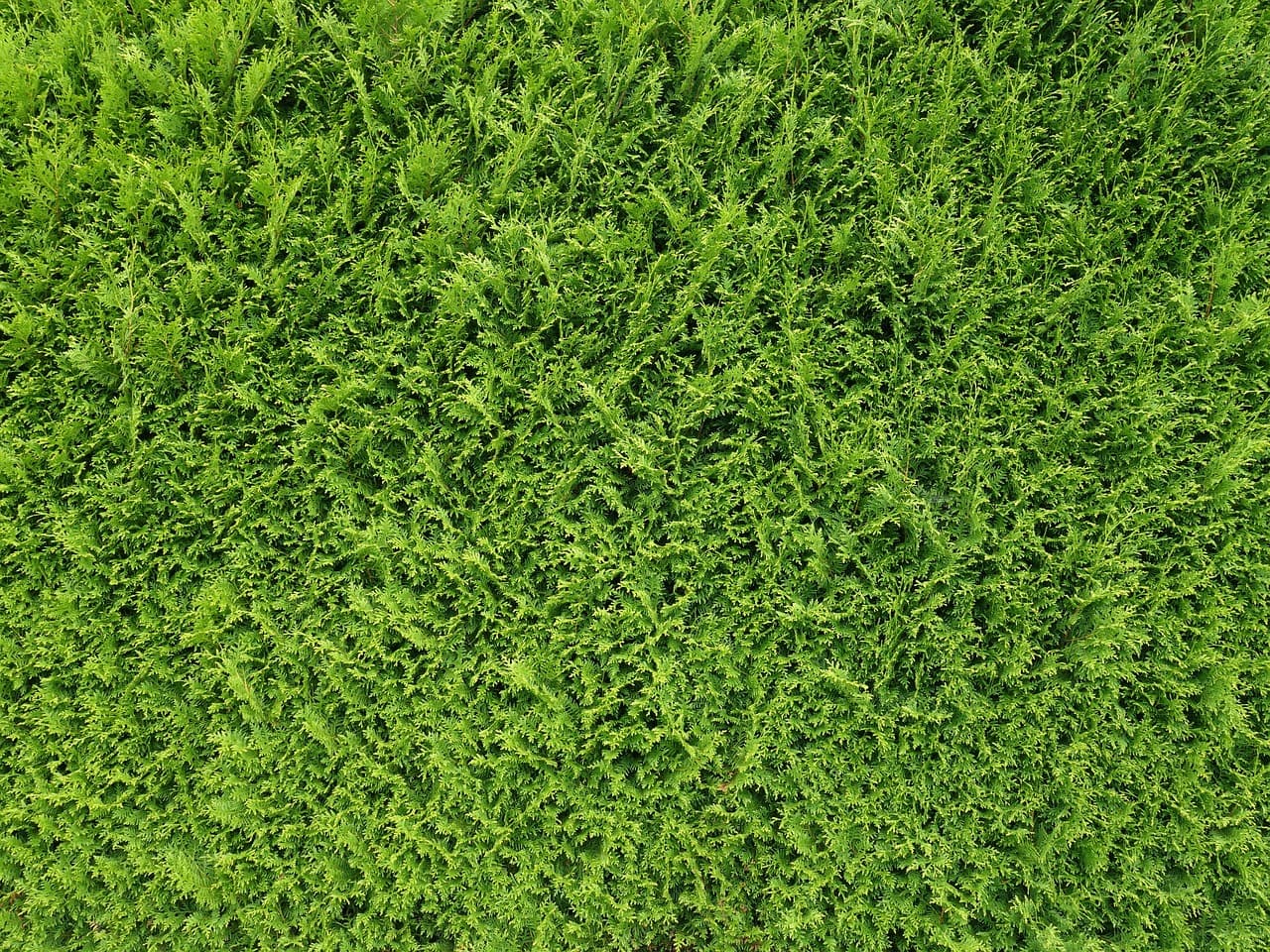
When buying your plants, you can choose between small or large specimens. How do you make your choice? First of all, you should know that 4-meter high cedars will be more expensive than varieties that are 30 cm high. So this is a question of budget, but also of patience!
The first option will require a larger investment, but you won't have to wait that long for your plants to provide you with privacy. Conversely, if your budget is more modest, the purchase of small cedars is ideal. Nevertheless, you will need to show a good amount of patience before you can enjoy the coveted privacy!
How to plant cedar hedges
 Before you start planting your cedars, you will need to plan the length of your hedge. Once the extent of the area is determined, you will need to remove a 60 cm-wide strip of grass. After that, you will have to dig 45 cm deep to be able to place your plants in it.
Before moving forward with the planting, drive two stakes: one on the far left and the other on the far right. Then pull a string. This will help you make sure all your plants are aligned.
Push a stake at each end of the trench and pull a string to ensure a perfectly aligned planting. Now take the soil you have previously removed and mix it with a mycorrhizal fungus. These create a set of filaments in the soil that extend the root system of the plants, allowing them to draw more nutrients from the soil. In doing so, plant growth is improved. Also be sure to combine this mixture with a slow-release all-purpose fertilizer, as it will provide long-term fertilization to your plants.
When placing the plants, avoid causing a bulge on the surface. Indeed, the clod should be at the same level as the rest of the soil. Be sure to compact the soil to properly wrap the plants and place them one metre apart.
At the end of the process, water the base of the plant generously. To do this, install a perforated hose along your hedge that you will leave on for an hour. Finally, be sure to even the floor along the entire length.
The benefits of having a cedar hedge
Apart from the possibility of enjoying more privacy, planting a cedar hedge offers many advantages. At first glance, it reduces the ecological footprint because of the oxygen supply it provides.
Also, it's important to know that a hedge isn't just about creating a visual barrier that's fun to look at. It is also very practical to block some of the wind that arrives in your direction, at least when your hedge is relatively high and dense. Finally, be aware that a cedar hedge increases the value of your home by 4%. That's more than interesting if you're thinking about moving!
Are you embarking on a landscaping project soon? Take a look at these articles:
Get 3 renovation quotes for your landscaping project
RenoQuotes.com can help you get quotes for your landscaping project. If you submit your project to us, we’ll put you in contact with top-rated contractors. Fill in the form on the homepage (it only takes a few minutes), and you will get estimates from trusted professionals.
Dial 1-844 828-1588 to speak with one of our customer service representatives
Looking for something else?
Related articles
The latest industry news, interviews, technologies, and resources.

Editorial Team
•08 Nov 2023
Outdoor columns on the facade of your home add an element of originality and allure. Whether used for your landscaping, porch or walkways, incorporating columns into your design can have a lasting appeal. However, since these columns are outdoors, they are exposed to various forms of weather damage. Therefore, it’s important to know how to care for your outdoor columns.
Editorial Team
•08 May 2026
As the sunny and cozy season comes to a close, the bright autumn leaves begin to fade, making way for grey November skies.
Editorial Team
•24 Jan 2025
Air conditioning plays a vital role in maintaining comfort and liveability in homes, especially during the extreme heat of summer. Whether it’s a system installation, repair, or routine maintenance, entrusting the job to a qualified professional ensures the system operates efficiently and safely. Choosing a licensed technician is not just a matter of convenience—it’s a decision that impacts the longevity and performance of your air conditioning unit.
Editorial Team
•24 Sep 2024
Do you live in a rural area or have a summer home that isn't connected to a local water system? If so, you probably have a functioning septic system. How can you make sure your conventional on-site disposal system is working properly? What are the best practices to uphold to extend the service life of your sanitary installation and prevent damages? The key to a system's longevity is understanding its inner workings, whether your property is equipped with a conventional or non-conventional system.
Editorial Team
•01 Oct 2024
A common misconception is that it is best to plan home renovations in the summer, rather than during other parts of the year. Although certain tasks, such as paving an entrance or inspecting a roof, require conditions that are specific to the warmer season, in many cases, renovating during the winter can prove to be a good option.