How to Winterize Your Yard - 10 Tips to Be Winter Ready
By Editorial Team
Updated on May 8, 2026
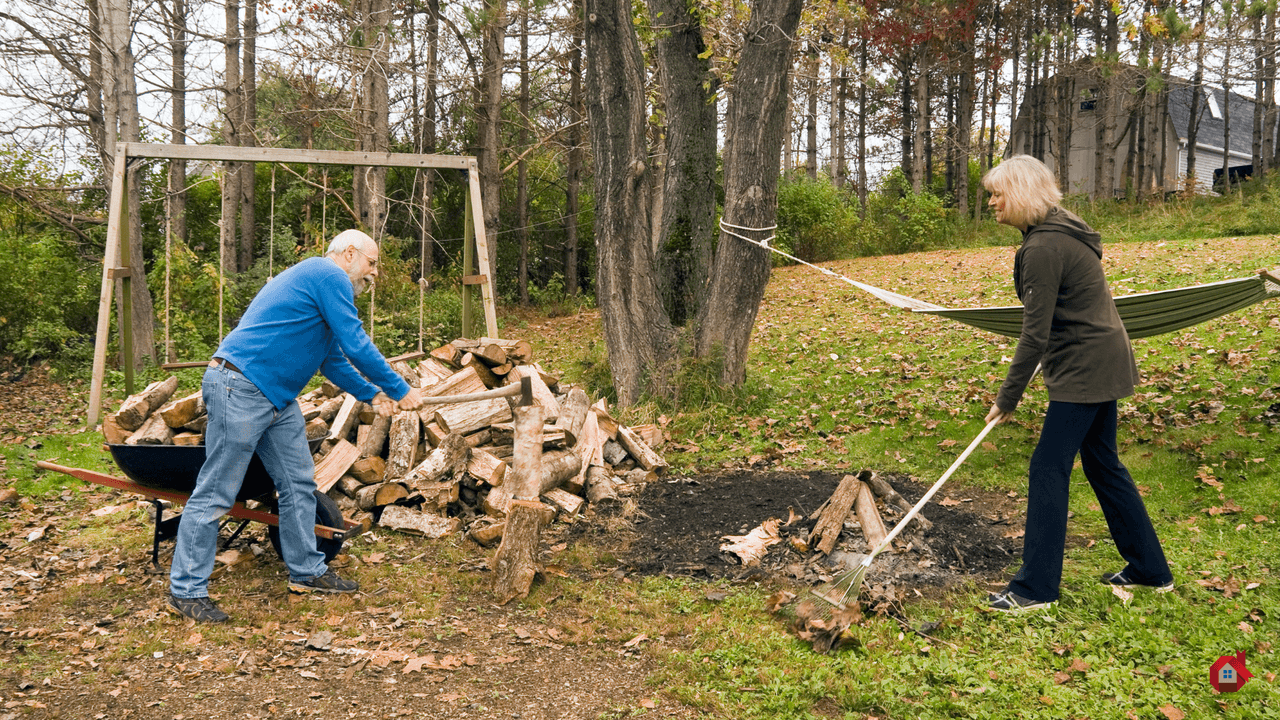
As the sunny and cozy season comes to a close, the bright autumn leaves begin to fade, making way for grey November skies.
Whether you find winter enchanting or depressing, its imminent arrival requires some preparation to ensure your property is winter-proof. How exactly can you go about winterizing your yard before the cold front sets in?
How to Winterize Your Front and Backyard
1- Mulch your flower beds
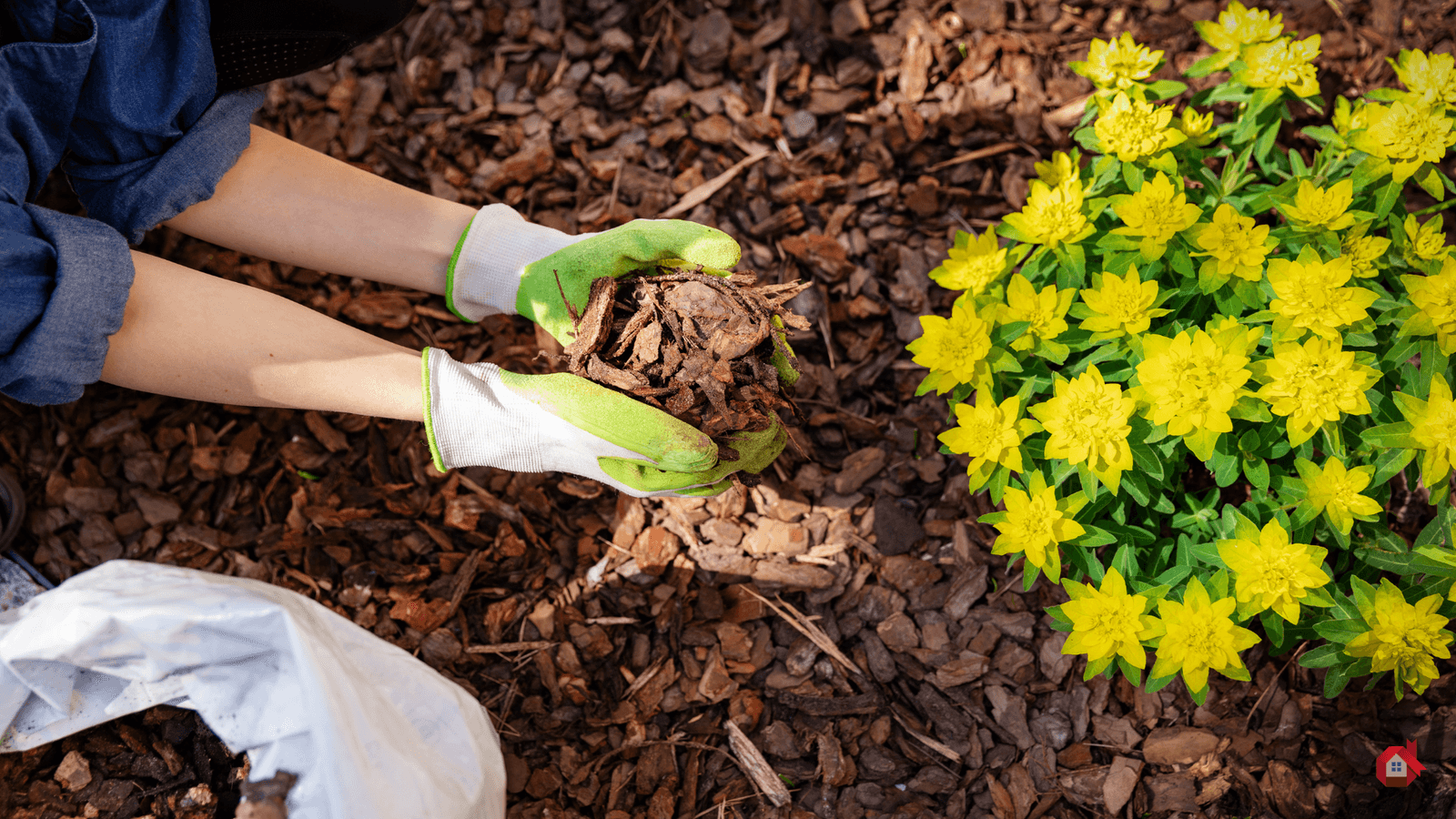
Mulch is synonymous with plant base and root protection, with the added advantage of deterring any weed growth in your soil. Note that you’ll need anywhere between 3 and 5 cm of mulch for perennials and annuals; trees need around 7 to 10 cm.
2- Water your hedge
Want to avoid finding sad-looking hedges come springtime? Water them! This simple precautionary measure means your hedges will thrive later on. Since conifers don’t go through dormancy at the first sign of cold weather, they might not have sufficient water on sunny winter days as photosynthesis wears on. Make sure your hedges get at least 2.5 cm of water every week.
3- Protect your hedges, shrubs, and trees from the cold
As far as hedge, shrub, and tree protection goes, note that shrubs found on outer edges or those exposed to high winds should be covered or wrapped, especially since they're exposed to snowfall.
In terms of gardening equipment, avoid using plastic and polythene bags, including black geotextile fabrics for winterproofing. They’ll stifle the shrubs, damaging them irrevocably. Instead, consider using white jute geotextile fabrics. Before wrapping the greenery in burlap—once the leaves have fallen—tie the branches back with jute rope.
To prevent tree trunk-related damage caused by rodents, protect them with plastic sheaths.
Thinking of carrying out some landscaping work when the weather allows it? Check out our article Landscaping and Outdoor Renovation Projects: Your Go-To Checklist.
4- Shield your compost

First, we recommend storing a few bags of crumpled leaves as a clever way of balancing out next year’s compost given that it should contain dry residue.
Given how common disease-affected shrubs are, take some precautionary measures to prevent the spreading of the problem elsewhere. As such, note that residue cut or removed from diseased plants or shrubs shouldn’t be mixed with the rest of the compost, as it will be otherwise contaminated. Also, spreading it around your landscaping risks increasing the odds of other plants falling ill.
5- Spread fertilizer during the fall
Fall fertilizer is remarkably effective when it comes to helping greenery store enough fuel to survive a long and harsh winter. The potassium found in it will strengthen your plants, ensuring they strive through another summer.
6- Should you rake leaves?
This is a controversial question. If you don’t want to pick up autumn leaves (Why not? It’s rather satisfying!) then you’ll need to shred them, making sure that the ground is evenly coated with shredded leaves. Otherwise, take a few hours to rake all the dead leaves coating your yard.
7- Maintain your lawn
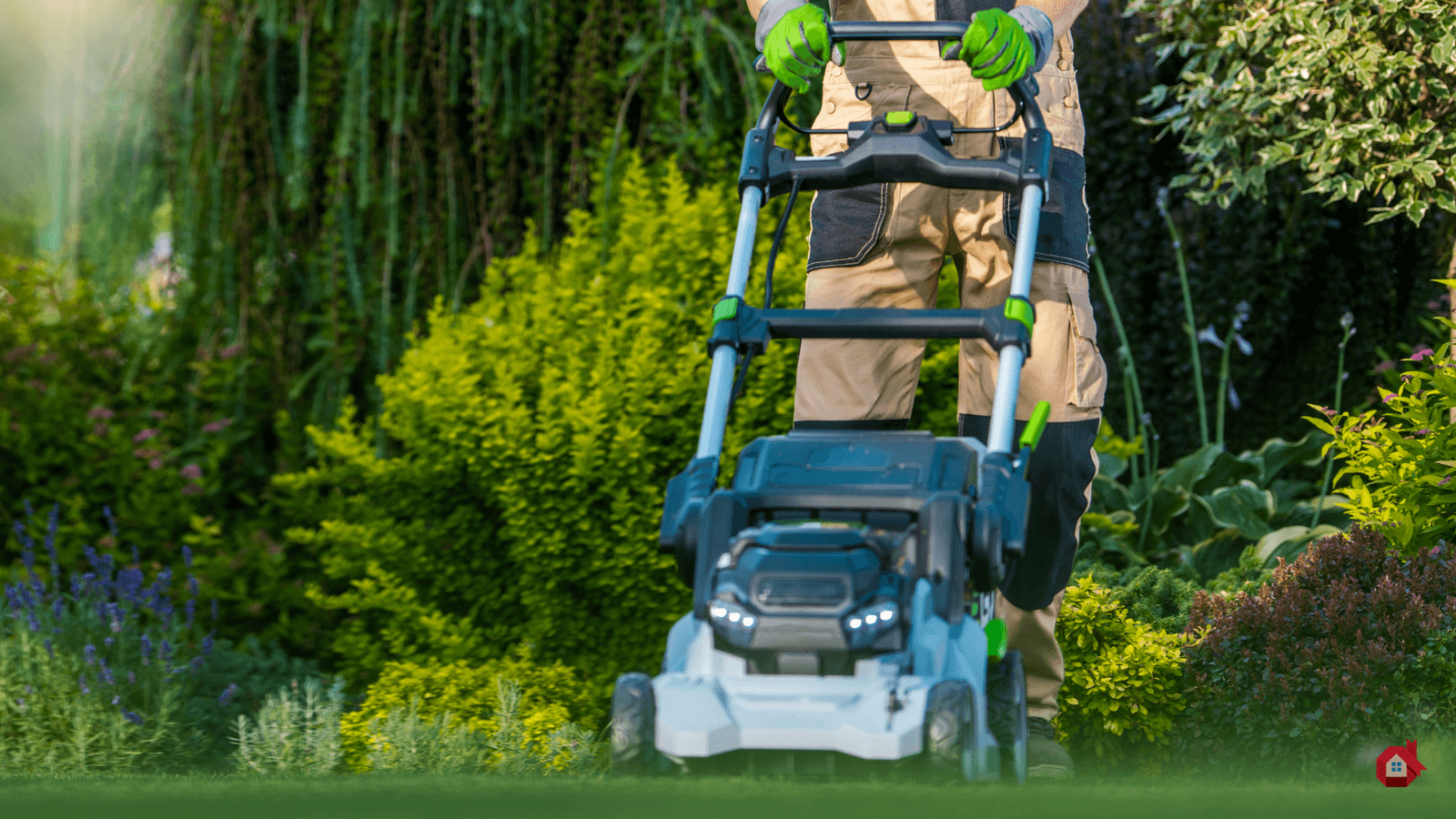
To help your lawn rise from the dead come springtime, we recommend mowing it down to 5 cm high. Once this step is behind you, add compost and seeds to all bare spots. Come spring, your yard’s greenery will grow back and thrive under the sun’s heat.
8- Remove piles of leaves or branches
Piles of dead leaves or wood scraps can attract rodents, ants, including other insects choosing said spots as nesting grounds. This can be problematic if said piles are anywhere near your house. If your exterior walls aren’t fitted with anti-rodent ventilation moulding, they’re likely to burrow their way in.
9- Winterize your pool
Come mid-October, it's usually about time to close your pool for the year and wrap up any pool-related activities. However, winterizing a pool means following specific guidelines, as detailed on the CAA-Quebec website:
Run the vacuum
Backwash filter
Balance the pH level
Carry out final chlorine treatment (use a slightly higher dose for a “shock treatment” effect
Clean the cover with a damp rag
Lower water level 30 cm below the pool’s edge
Drain pipes: If you have an above-ground pool, unhook it. If you have an inground pool, use a leaf blower.
10- Drain pipes and hoses
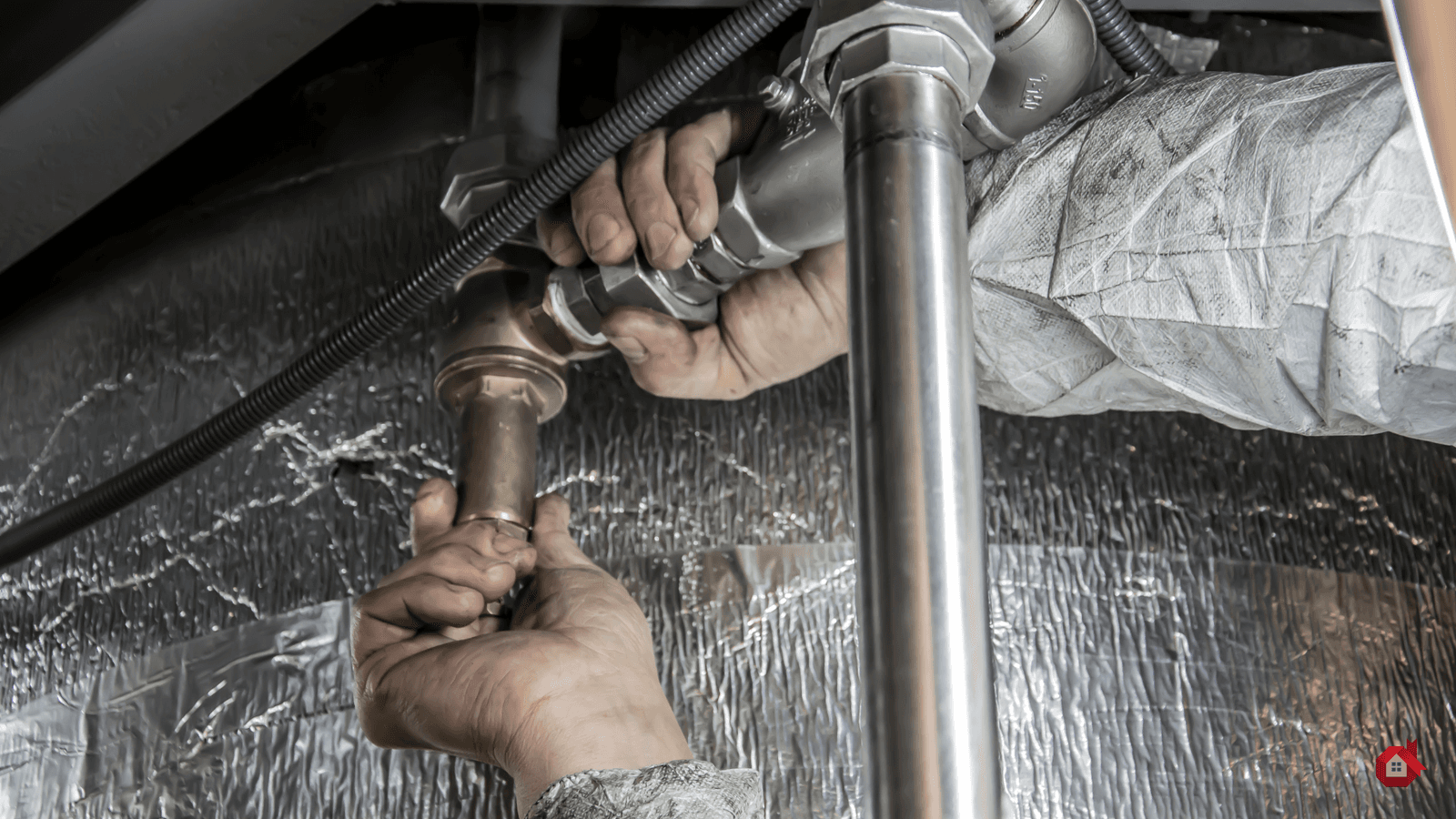
To prevent pipes and hoses from bursting, drain the irrigation system, including garden hoses and outdoor faucets. Draining stagnant water will prevent your pipes from freezing during the winter.
When Should You Start Winterizing Your Backyard?
When it comes to winterizing your yard, procrastination is more than tempting, but constantly putting it off might mean never completing your list of tasks. Much like colder days, rainfall is all the more frequent, meaning you’re left with fewer days to complete a precise list of steps. To head off such a predicament, start winterizing your yard come mid-September.
Now that you have all the necessary information to winter-proof your yard, maybe you’d like to get a head start on your house. For more information, check out our article Winterize Your House - What Should You Prioritize?
Looking for something else?
Related articles
The latest industry news, interviews, technologies, and resources.
Cynthia Pigeon
•24 Oct 2024
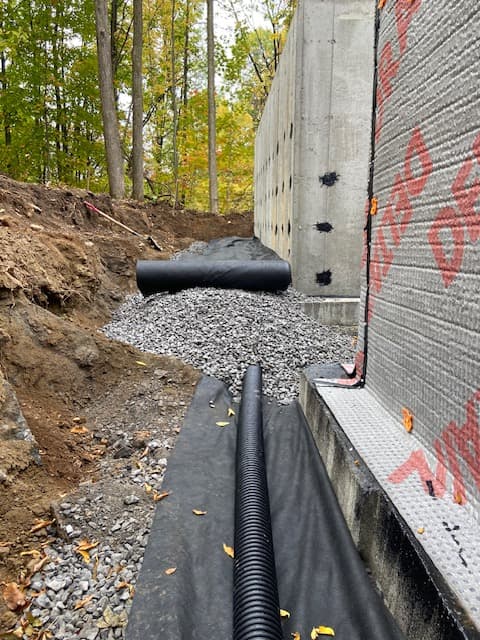
Does your house have a French drain? If so, when was it installed? This type of drain lasts about 30 years, but it may clog or break within that period.

Équipe éditoriale
•08 Nov 2023
The anticipation of the incoming heat in the first few weeks of summer would drive anyone to want a pool, no? There’s no doubt that this prospect could lead you to dream of moments where you’ll be drinking sangria on an inner tube with your legs up and your hair in the wind.
Editorial Team
•08 Nov 2023
Are you dreaming of living in a tiny house, but have a few reservations due to the constraints of designing such a limited interior space? Although you really need to use your imagination when living in a house when a modest layout, you can still make it just as practical as it is cozy! Here are a few examples you’ll surely like!

Léa Plourde-Archer
•13 Aug 2024
There are many reasons you may be interested in installing a floating floor. Whether it’s because you’re working with a concrete subfloor or you’re looking for the best solution for your current flooring, floating floors have become a popular choice for many.

Amanda Harvey
•18 Jun 2024
Plumbing problems quickly shake up our day-to-day habits. Since we're used to having access to clean water, as soon as a situation complicates this process, many of our daily tasks are affected.