Gas-Fired Heating Systems—Heading Toward a Ban in Quebec?
By Editorial Team
Updated on September 28, 2024

In December 2022, Benoit Charette, Minister of the Environment, the Fight Against Climate Change, Wildlife and Parks, announced a ban against installing and repairing oil-fired heating systems in residential homes.
Alongside this new ban, replacing oil-fueled boilers in existing buildings with heating systems using fossil fuels was prohibited on December 31, 2023.
What prompted this ban? How can this initiative, endorsed by several Quebec municipalities, transform the province’s energy landscape? What natural gas alternatives are there for Quebec households? This article will delve into the reasons behind the ban and their ramifications.
Why Ban the Replacement of an Oil-Fueled Heating System with a Gas-Fired One?

Source: Canva
One of the primary drivers behind this ban is the fight against climate change.
Natural gas remains a fossil fuel source, and its extraction, transportation, and combustion generate significant greenhouse gasses, contributing to global warming. By banning gas-fired heating systems, the Government of Quebec is hoping to significantly reduce greenhouse gas emissions in residential and commercial areas.
Based on assessments, gas-fired heating systems contribute to roughly 30% of greenhouse gas emissions in Quebec’s residential sector. By prohibiting this practice, the government is striving to further commit to a new strategy that aligns with its international obligations, as per the Paris Agreement, to reduce greenhouse gas emissions.
Is There a Future for Gas-Fired Heating Systems?
Implementing a complete ban could lead to considerable ramifications for many residents and businesses. Truth be told, based on the data gathered from the 2016 Canadian census, about 31% of Quebec-based households use natural gas-fired heating systems. Therefore, it becomes all the more important for these residents to find alternative, greener options like electric heating systems, heat pumps, or solar systems.
However, it’s important to highlight that this ban may not solely apply to gas-fired heating systems, but also gas-fired stoves. This would mean that residents and businesses would also have to consider alternative options for their culinary needs.
Similar actions have already been taken worldwide. North American cities, such as Vancouver and San Francisco, have already banned the use of gas in new buildings, while the state of California announced a complete ban on gas-fired heating systems in new buildings in 2023.
In Quebec, natural gas heating systems are, to this day, authorized. However, certain municipalities started limiting the amount of new gas-fired heating systems installed in new residential constructions. The latter is true for Montréal, where a new regulation will apply to residential, commercial, and institutional sectors as of October 1, 2024.
How Will the Government of Quebec Reinforce this Transition?
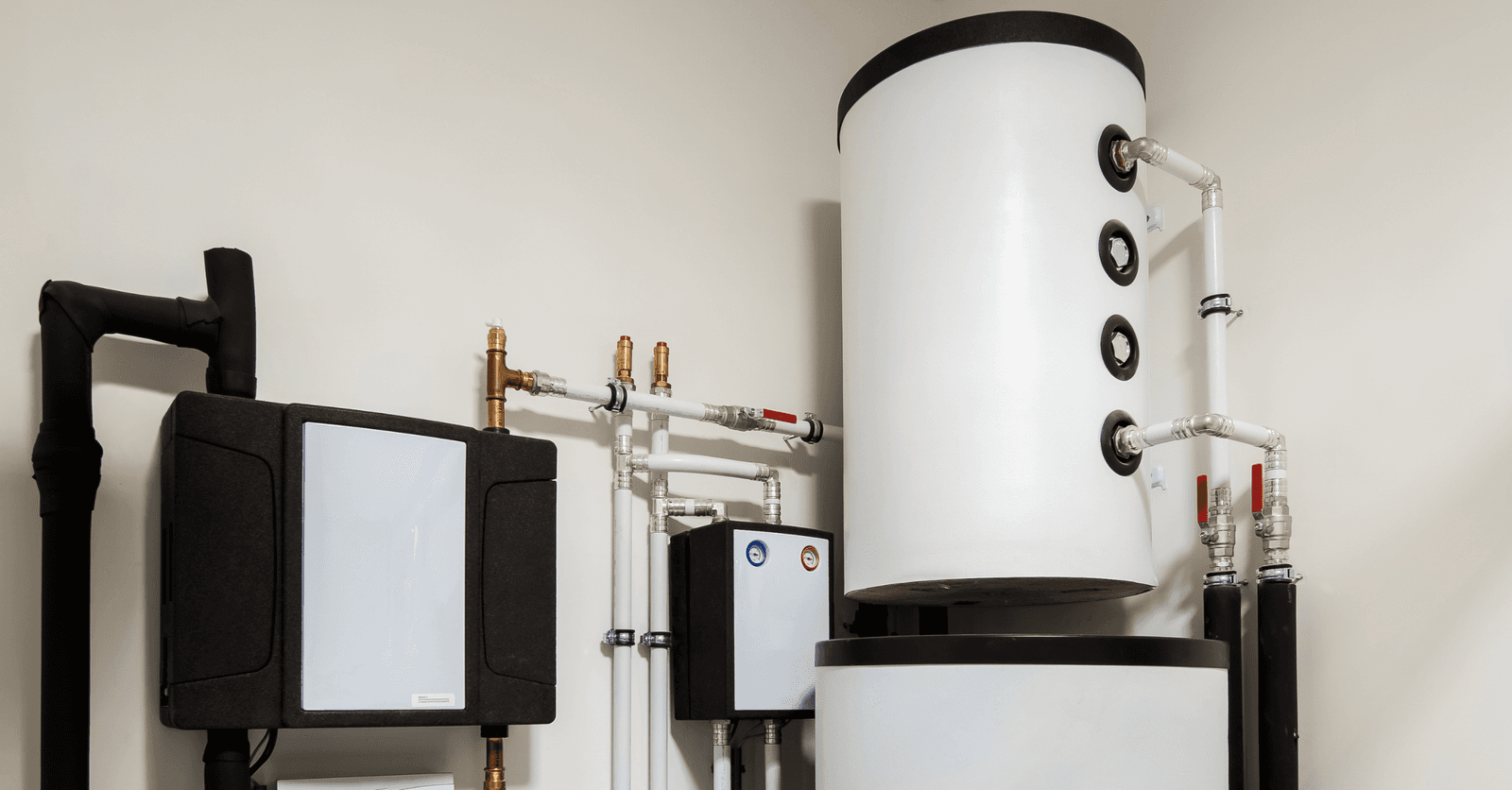
Source: Canva
The Government of Quebec acknowledges the challenges facing residents and businesses alike.
On top of financial assistance programs, the Government of Quebec is also proactively raising awareness among the population about the advantages of eco-friendly alternatives. This effort will be reinforced by the launch of an informative and awareness campaign designed to encourage Quebec residents to favour environmentally sustainable heating and culinary solutions.
To achieve this goal, it’s essential to emphasize the economic and environmental benefits of such alternatives, like:
Energy savings
Greenhouse gas emission reductions
Better indoor air quality
Chauffez Vert Program
However, the Chauffez vert financial assistance program was established specifically to help homeowners replace oil-fueled heating systems with more eco-friendly alternatives.
Oil and Natural Gas Bans for a More Sustainable Future
Banning gas-fired heating systems in Quebec is a bold decision aimed at reducing greenhouse gas emissions and promoting a transition toward more sustainable alternatives. Although a decision like this surely means residents and businesses will face challenges, the Government of Quebec is striving to financially assist this transition as well as educate the public regarding the advantages of ecological alternatives.
Looking for something else?
Related articles
The latest industry news, interviews, technologies, and resources.

Editorial Team
•26 Jun 2026
Digital twin technology is revolutionizing various industries, including construction in Canada. At RenoQuotes, we are committed to keeping you informed about cutting-edge technologies that can enhance your projects. How can digital twins improve the efficiency, safety, and project management of your construction projects? What are the specific benefits of this technology in the Canadian construction landscape? Let’s explore how digital twins are shaping the future of construction and the advantages they bring to the industry.

Editorial Team
•28 Jul 2025
Quebec’s annual construction holiday is highly anticipated by most local workers. Said yearly timeframe allows thousands of construction industry professionals to enjoy some much-deserved time off. It’s also an opportunity for families to gather and soak up the summer sun together. Keep reading for more information about this year’s construction holiday calendar.

Paul Riopel
•28 Jan 2026
Summer is fast approaching, and with it comes the pool season. In 2026, pool trends are beyond just splashes and sunbathing. From technological innovations to cutting-edge designs, infinity pools and other modern concepts are redefining landscaping.
Collaboration
•09 Jul 2026
When people think of modern homes in Canada, they often imagine better construction, improved materials, and fewer maintenance headaches. Newer homes are built with updated codes, stronger materials, and more advanced plumbing systems. So it can feel surprising when flooding, especially in basements still happens.

Karine Dutemple
•25 Aug 2025
What if your smartphone and/or tablet could help you with your time management? In an ideal world, a contractor spends less time filling out paperwork and more time presenting quotes and doing work.