Snowmelt Water Infiltration: How to Protect Your Home in Canada
By Cynthia Pigeon
Updated on April 14, 2026

To prevent water infiltration during the snowmelt season in Canada, three key actions are essential: test your sump pump, clear snow away from window wells, and ensure your downspout extensions discharge water at least 1.5 metres (5 feet) away from your foundation. If ice builds up along the edge of your roof, contact a professional to break up the ice dam before water backs up under the shingles.
Snowmelt Problems: How to Protect Your Home from Water Damage
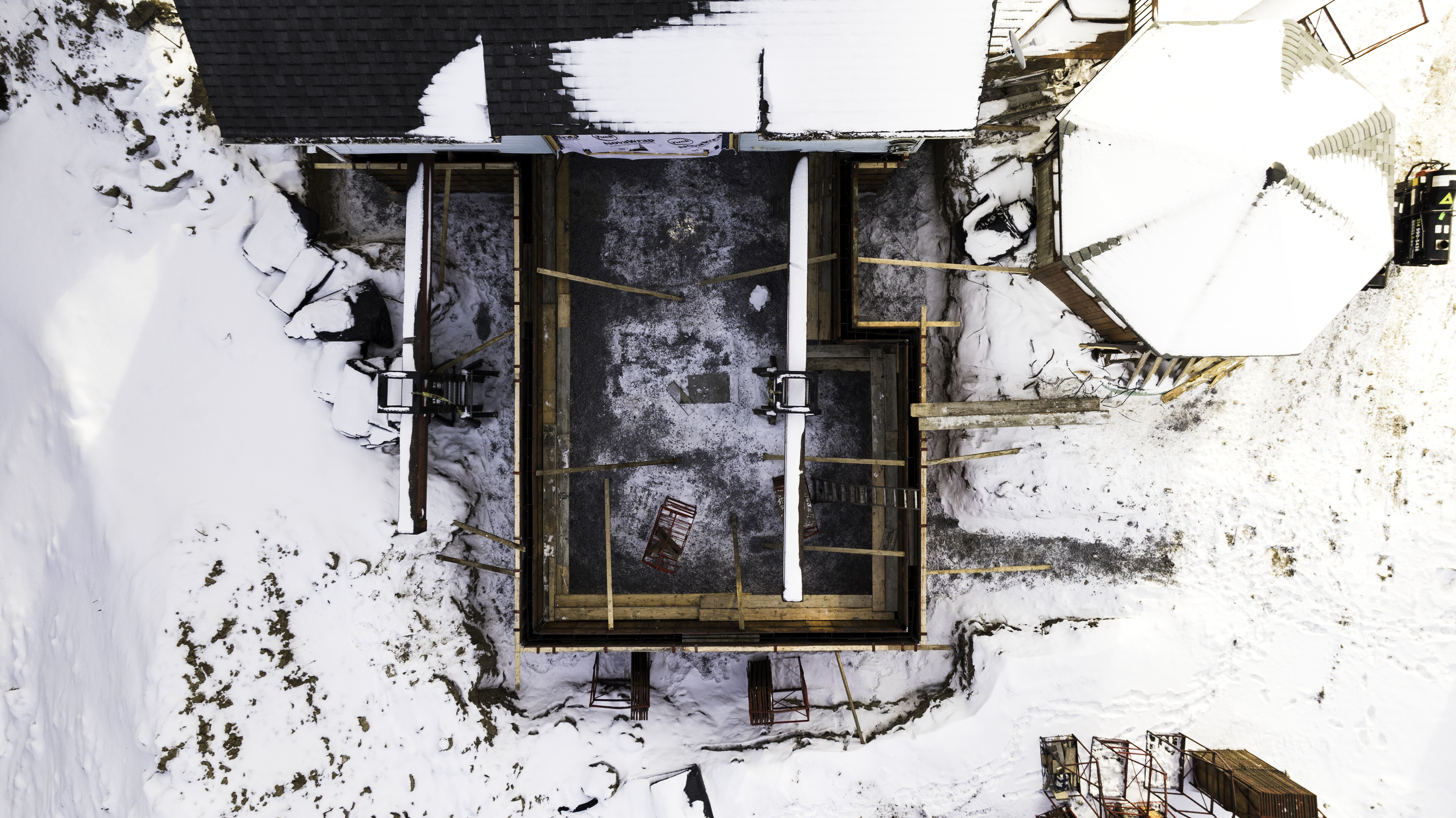
Source: DEMCO Canada
Spring is one of the most vulnerable periods for homes across Canada. With frozen ground unable to absorb moisture and large volumes of snow melting rapidly, water will always follow the path of least resistance—often toward your home.
In 2026, with increasingly frequent temperature swings across provinces like Ontario, Alberta, and British Columbia, prevention is no longer optional. It’s essential to avoid costly water damage and mould remediation.
Foundation Leaks: Understanding the Role of the French Drain
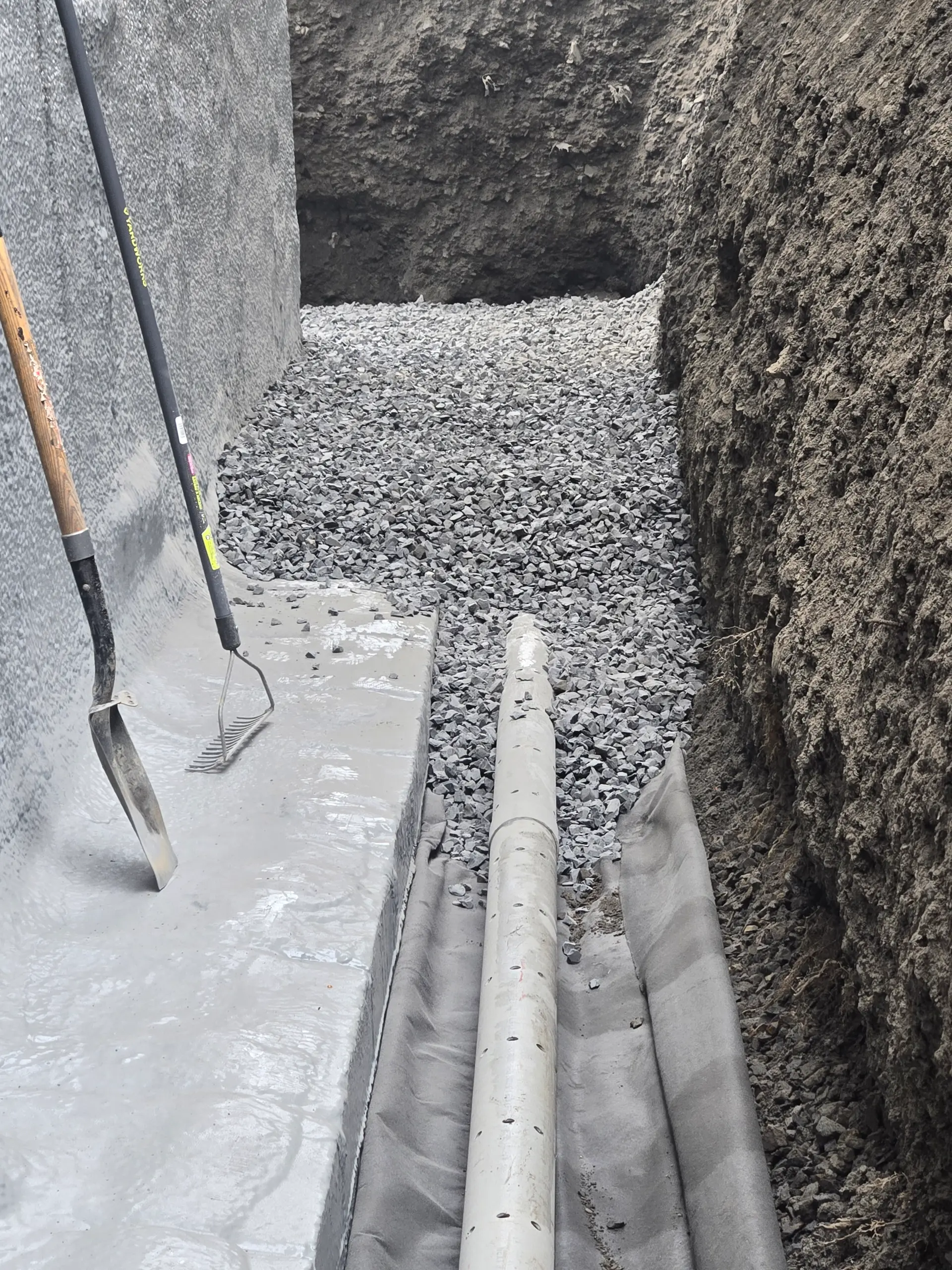
Source: Fissure Elite Inc
When snow melts near exterior walls, your French drain system should collect and redirect excess water toward a municipal drain or safe discharge point. However, if your property grading is inadequate, water can pool against the foundation.
Sump pump check: This is your last line of defence. Pour a bucket of water into the pit to confirm the pump activates and discharges properly.
Pro tip: Consider installing a battery backup sump pump. Power outages during late winter and early spring storms are one of the leading causes of basement flooding across Canada.
Water diversion: Make sure your gutters are not discharging water directly beside your foundation. Use downspout extensions to direct runoff water toward a slope that carries it away from your home.
Roof Leaks? Watch for Ice Dams
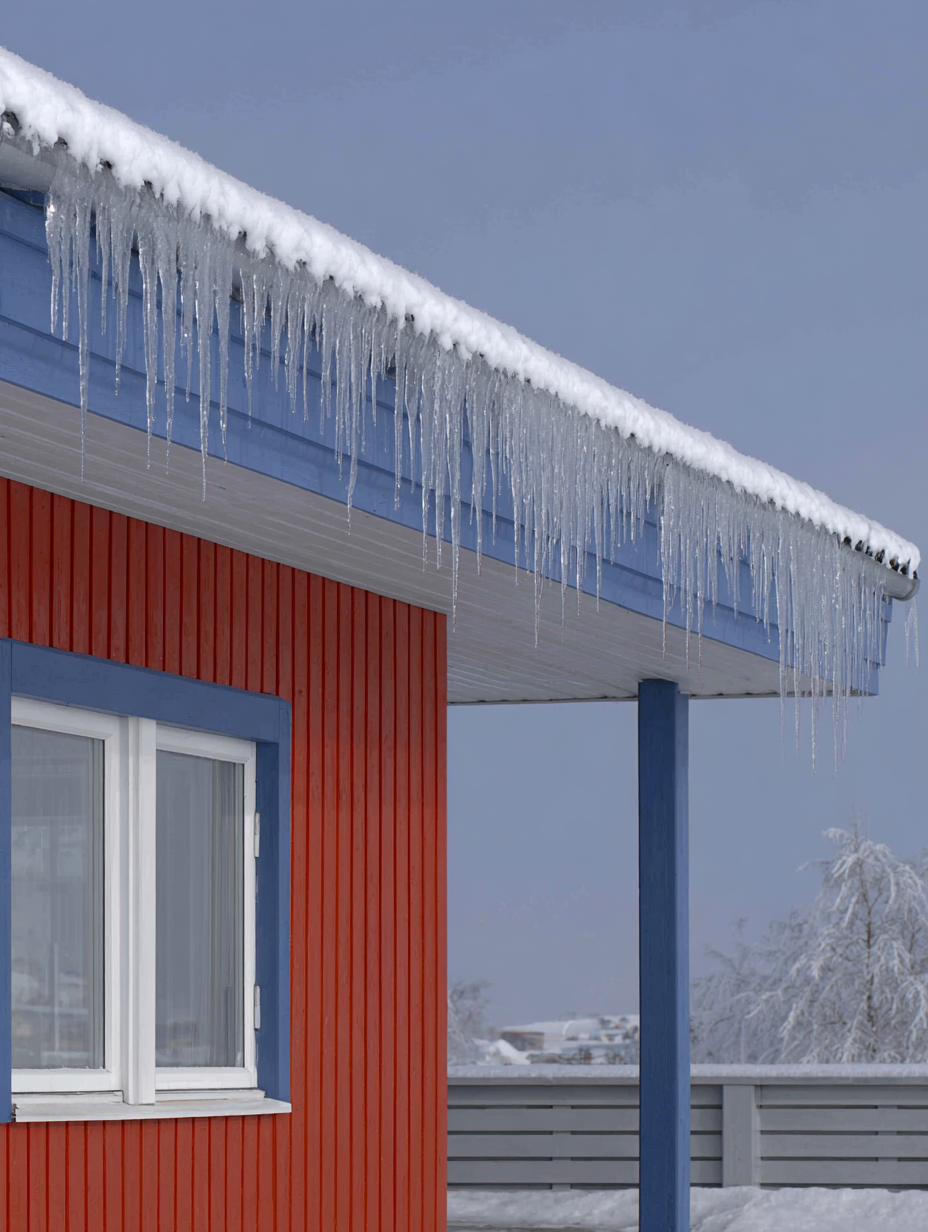
Source: RenoQuotes
If you notice water stains on your ceiling while snow is still on your roof, you may be dealing with an ice dam. This occurs when heat escapes from the attic, melting snow on the roof. The water then refreezes at the colder roof edges, forming a barrier.
The risk: Ice dams trap melting water, forcing it under asphalt shingles and into your home’s structure.
Roof snow removal: Focus on clearing roof edges and valleys. Always leave about 15 cm (6 inches) of snow to avoid damaging the roofing membrane. For safety, hire a professional roof snow removal service.
Window Wells and Basement Windows: Common Weak Points
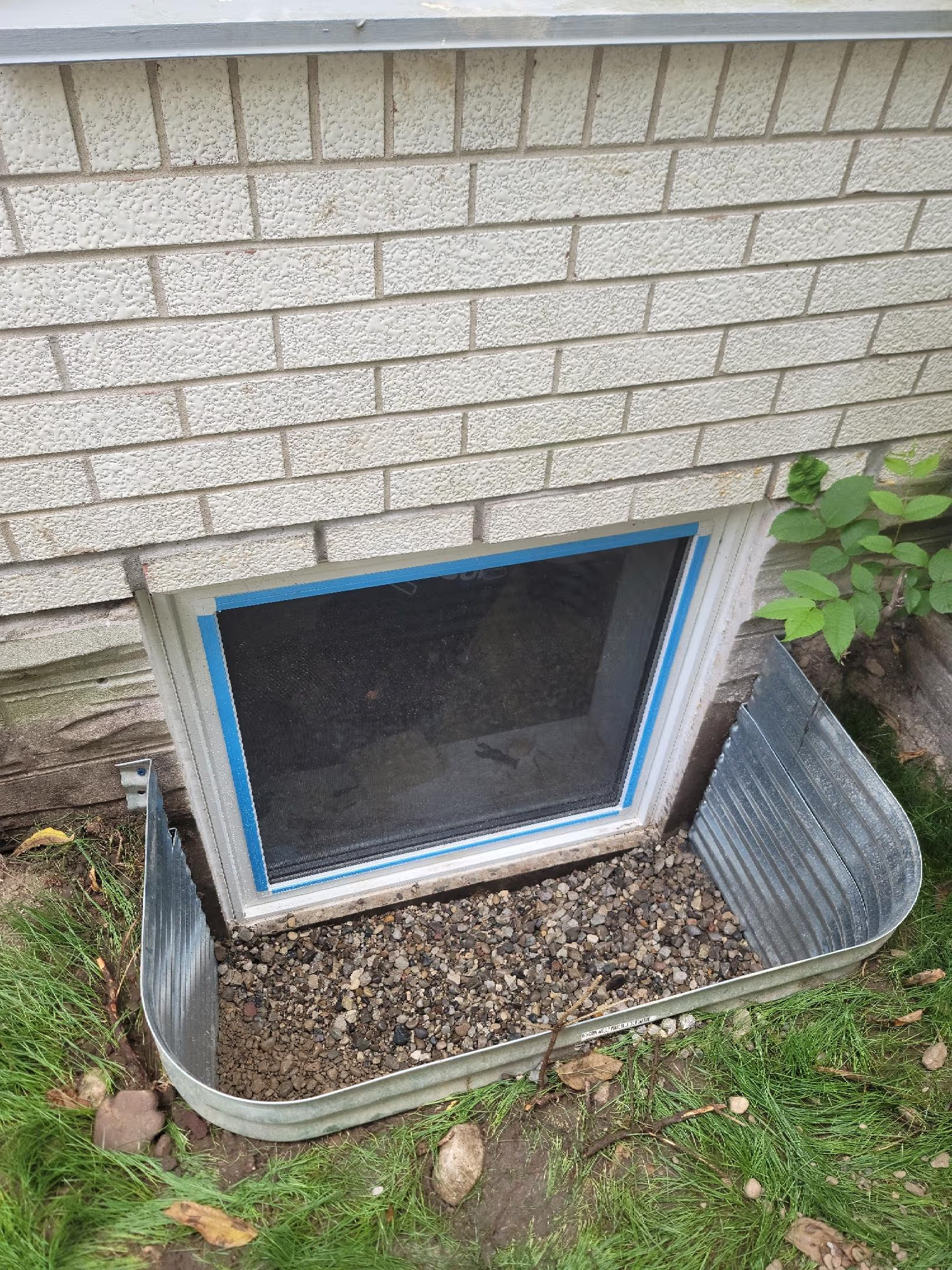
Source: W Group Contracting
Window wells often turn into small reservoirs during snowmelt if blocked by ice or snow.
Drainage: Clear snow from inside the well to allow the vertical drain to function properly.
Sealing: Inspect the caulking around basement windows. Freeze-thaw cycles can cause cracks, allowing water to seep in during heavy spring rains.
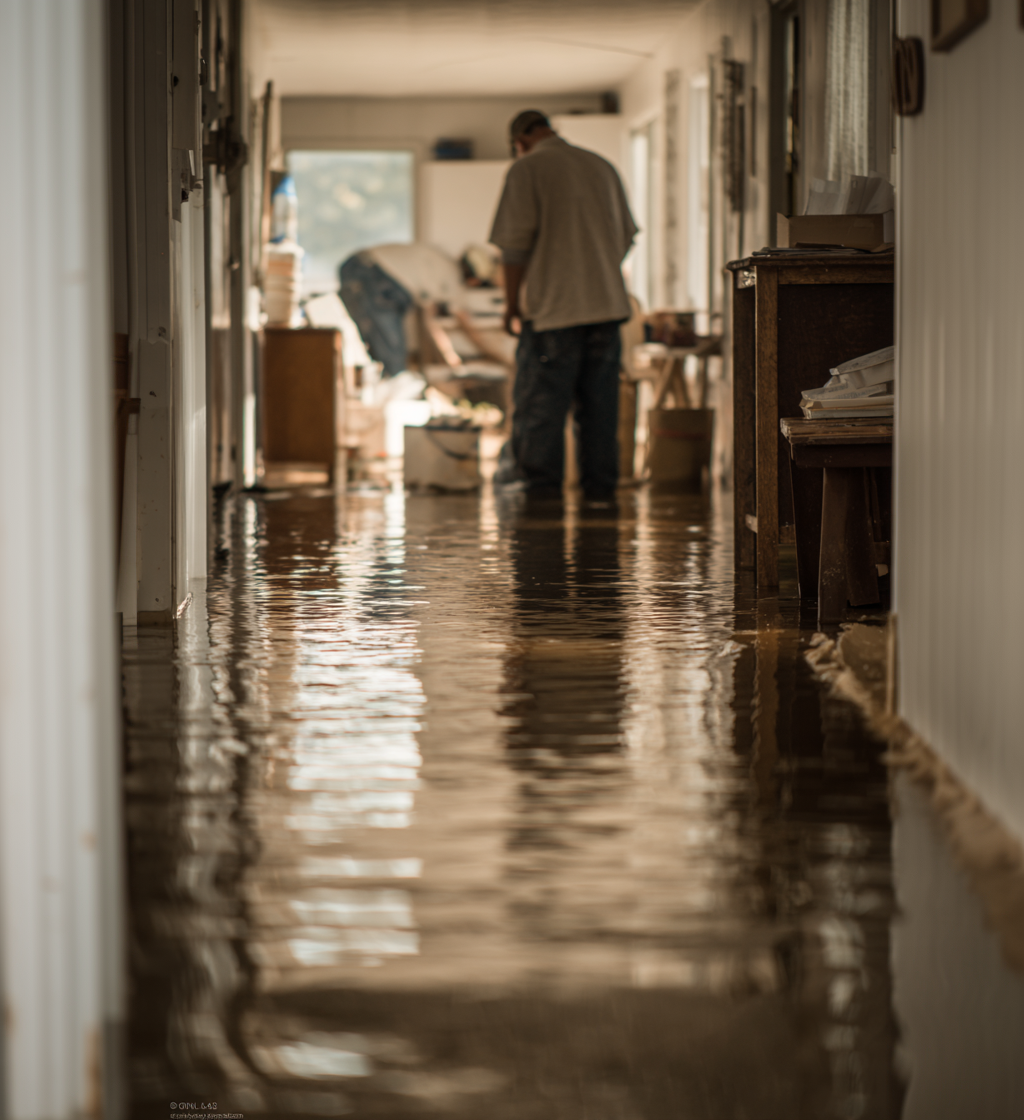
What to Do After Water Damage in Your Home
Source: RenoQuotes
If you discover a water leak inside your home, quick action is critical to limit damage.
Safety first: If water reaches electrical outlets or your panel, shut off the power—only if it’s safe to do so.
Stop the source: From the roof: contain the leak with buckets; from the foundation: check whether your sump pump is blocked or malfunctioning.
Water removal and drying: Use a wet vacuum (Shop-Vac type) to remove as much water as possible. Set up dehumidifiers and fans to dry the area quickly.
Contact your insurance provider: Reach out as soon as possible. In many Canadian provinces, coverage for water infiltration (from roofs or foundations) is optional and may require additional endorsements. Always review your policy.
After a water leak or flooding, it’s strongly recommended to request a professional inspection or repair estimate. Hidden moisture can lead to structural damage and mould growth if left untreated. To compare qualified contractors in your area and get expert help quickly, consider using a trusted contractor-matching service.
Conclusion: Protect Your Home from Water Infiltration
During the snowmelt season, small preventive actions can make a significant difference in protecting your home from water infiltration. Testing your sump pump, improving drainage around your foundation, and addressing ice dams early can help you avoid costly damage. Beyond prevention, acting quickly at the first signs of moisture is critical. The sooner you respond, the lower the risk of structural issues and expensive repairs. If you’re unsure about your home’s condition or notice signs of water infiltration, it’s best to consult qualified professionals. Comparing multiple quotes will help you get a clear assessment and the right solution for your property.
Looking for something else?
Related articles
The latest industry news, interviews, technologies, and resources.
Editorial Team
•08 Nov 2023
Regardless of the season, the temperature outside is almost always going to have an impact on the temperature inside your home. During those warm summer months, we try our best to keep things cool, while in the winter we want our interiors to be a warm and cozy break from the frigid air.

Editorial Team
•20 Jul 2024
Composite wood is a great material to consider for building an outdoor structure. It’s a fair alternative to natural wood given its optimized composition designed to withstand the ever-changing weather conditions.
Cynthia Pigeon
•10 Jun 2026
Gaining more living space is a priority for many Quebec homeowners. Whether you want to welcome a new child, create a comfortable home office, or add a sun-filled solarium, a home addition is an excellent option. However, the idea of having your yard torn up by heavy machinery and pouring tons of concrete can discourage many homeowners.

Editorial Team
•03 Dec 2024
When it comes to spending time outside, you’re likely hoping for things to be cool, cosy and comfortable while also remaining functional. Especially during those warmer months as our outdoor spaces gain importance, creating a specific spot for recreational activities as well as relaxation has become a priority. Structures designed to optimize outdoor space generally come in the form of a patio, balcony or veranda. You might think these are all the same, but in the world of renovations, there are some distinctions between them.
Editorial Team
•09 Jun 2025
Are you shopping around for a new property or thinking about changing your house’s current façade? What type of exterior siding or cladding would give off the look you’re going for? To help inspire you, here’s an overview of some of the top options available on the market.