Over the last few years, homeowners have become increasingly aware of the importance of making eco-friendly interior design choices. In a world of convenience and waste, it’s easy to fall prey to adorning homes with furniture and materials that are damaging to the planet.
The decision to build, remodel or decorate a home has a huge impact on the environment, and thus, we should be thinking about how to incorporate sustainable interior design practices whenever possible.
Let’s take a look at some sustainable interior design practices and look for ways to build a better tomorrow, starting with our homes.
Sustainable Interior Design Practices
1- An energy-efficient design
Source: Canva
Energy efficiency is a hot topic these days, so it shouldn’t come as a surprise that it tops the list of sustainable design practices. Overuse of energy is directly contributing to climate change, and homes and buildings are huge contributors to greenhouse gas emissions.
So let’s speak to two of the most crucial interior design factors that affect energy efficiency: heating and lighting. Plenty of air escapes through our windows, which requires more power to heat and cool our homes. Thus, a sustainable design practice means ensuring you have high-quality, well-insulated windows. Furthermore, using curtains or blinds is an energy-efficient way to keep interior temperatures comfortable.
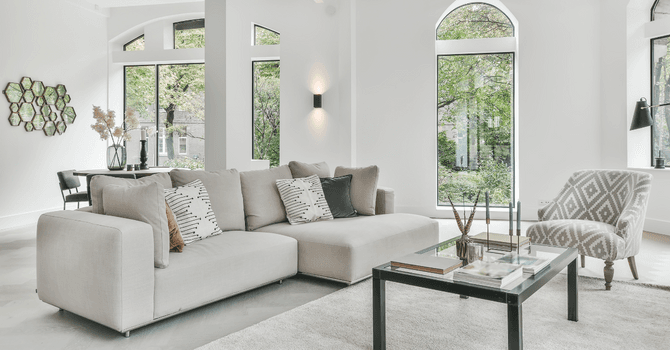
When it comes to lighting, consider painting your interior walls with light or soft colours, as they reflect more natural light and will require less artificial lighting. Another consideration may be installing home automation to remotely control lighting and heating systems. This will come in handy if you and your loved ones wish to use these systems more economically.
Looking to buy blinds?
We recommend Quebec-based company Hey Blinds Canada: custom-made blinds, sought-after products, but above all else, the best warranties for a stress-free purchase.
2- A low environmental impact design
Source: Canva
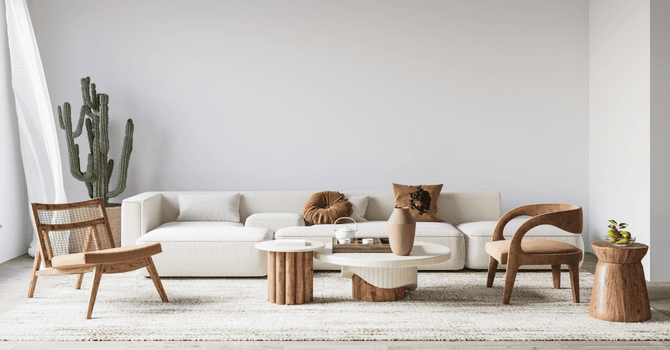
When it comes to materials and products, it’s crucial to choose those with the lowest environmental impact. Although organic materials such as wood, wool and natural stone seem obvious, we also need to consider how to treat natural resources responsibly. We’d recommend choosing materials that renew themselves quickly and efficiently, such as bamboo.
Another note is that you should opt for materials that are extracted in an environmentally responsible way. Make sure to do some research prior to purchasing or using materials to be informed as to certifications related to any materials' origins.
We should also mention that materials must be evaluated based on their life cycle from extraction, production, transportation, and processing, as well as how they’re eventually discarded.
3- Design with longevity and versatility in mind
Source: Canva
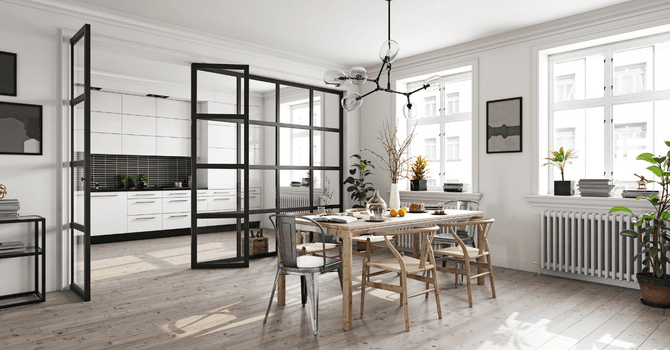
It’s important for architects, designers and homeowners alike to consider the lifespan of materials and products with which they’re working when it comes to interior design. This is especially true of elements inside the home that experience a lot of wear, such as our floors. Designing a space that is durable and timeless will help homeowners resist the urge to renovate every few years and this will keep excess materials out of landfills. The easiest way to achieve this is to work with quality and functional materials over materials with a lot of frills or embellishments.
Another important consideration is designing a space that has the power and potential to change. It’s natural for a person's tastes and needs to change over their lifetime, and thus, an interior space should be able to reflect this and be adapted accordingly. When certain elements of a room can be easily adapted, then there’s no need to tear the whole house apart to start anew.
Now, there are many options available on the market that allow for potential change: Walls (or partitions) can be moved or altered, multi-functional or mobile furniture that can shift and change, modular flooring and furniture, etc. Investing in sturdy, durable elements makes for a versatile interior space is a sustainable practice. A final note on this point is to think about surfaces and materials that are easy to clean, to avoid needing an abundance of cleaning products, as these can be quite harmful to the environment.
4- Keep your health in mind
Source: Canva
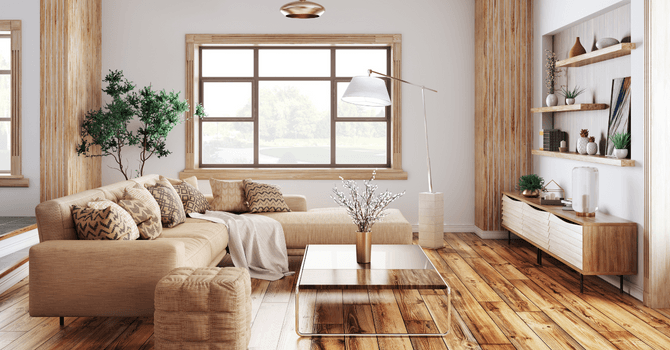
Recently, it has become clear that our interior environments are crucial to our health and well-being. We spend plenty of time indoors, whether at home, at work or in school and stores. Thus, the health of interior space should be considered during all stages of its design. There are several ways to design according to beneficial mental and physical health, and this includes air quality, ventilation, lighting and sound/acoustics.
Indoor air quality is paramount to our health and certain materials and products are toxic for us to interact with and ingest. Furniture or materials treated with these chemicals will release dangerous toxins into the air. It’s crucial to design and renovate with materials that have low VOCs. Additionally, air should be able to circulate around the room freely. Therefore, a layout that allows for this in interior spaces, as well as accessible doors and windows, is important.
Sound is another serious factor in our physical, mental and emotional health. Too much noise from external sources bleeding inside can have a significant effect. If you’re living in a high-traffic area, consider ways to reduce sounds, such as using rugs or carpets.
For more information on interior soundproofing, check out our article on the subject.
Lastly, natural light is of great benefit to physical and emotional health. We mentioned this in the first section, but it’s important enough to reiterate. Natural light helps reduce stress and has a calming effect on our bodies. When designing an interior space, look for ways to incorporate natural light or elements from the outdoors, such as plants. This will allow for a deeper connection to a natural environment while also being a reminder of the importance of sustainable design practices.
Get 3 renovation quotes for your sustainable renovation project
RenoQuotes.com can help you get quotes for your sustainable renovation project If you submit your project, we’ll put you in contact with top-rated contractors. Fill in the form on the homepage (it only takes a few minutes), and you will receive quotes from companies that are specialized in home renovations.
Dial 1-844 828-1588 to speak with one of our customer service representatives.
Looking for something else?
Related articles
The latest industry news, interviews, technologies, and resources.
Editorial Team
•23 Jul 2026
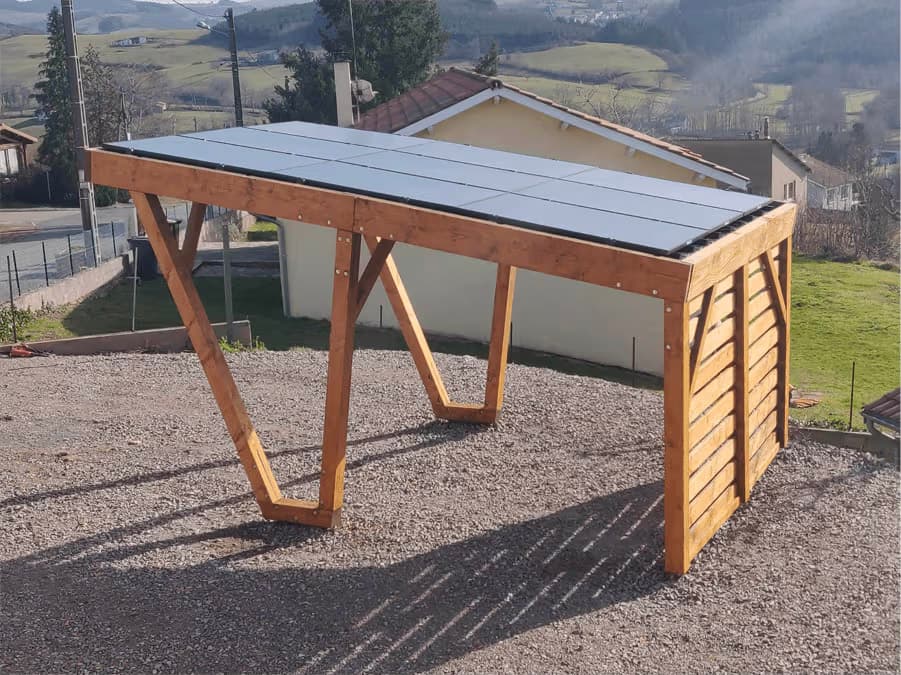
A solar power grant can help reduce the upfront cost of installing solar panels, but the programs available in Canada vary by province, municipality, property type, and applicant. Some programs are direct rebates, while others are loans, property tax financing, mortgage insurance refunds, or tax credits.
Cynthia Pigeon
•08 Nov 2023
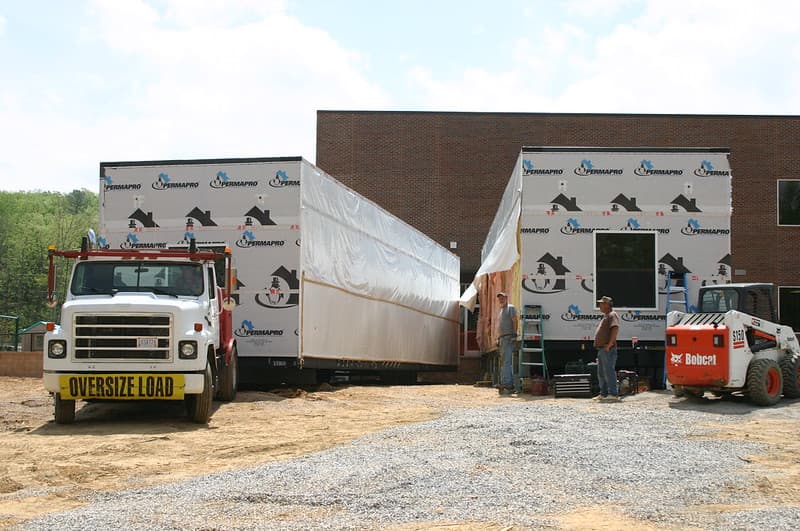
Progress, innovation, and environmentally friendly concepts are all part of the current culture in various industries, and the real estate industry is no different. When it comes to architecture, the possibilities are now only limited by your imagination.
Editorial Team
•09 Sep 2024
If your cabinets are screaming for a fresh look, give them a quick update by stripping and refinishing them with a new stain. If your cabinets are structurally sound, then luckily all they’ll need is a bit of a facelift to appear brand new. Stripping cabinets is a short project and can be done by even the most novice of DIYers.
Cynthia Pigeon
•08 Jul 2026
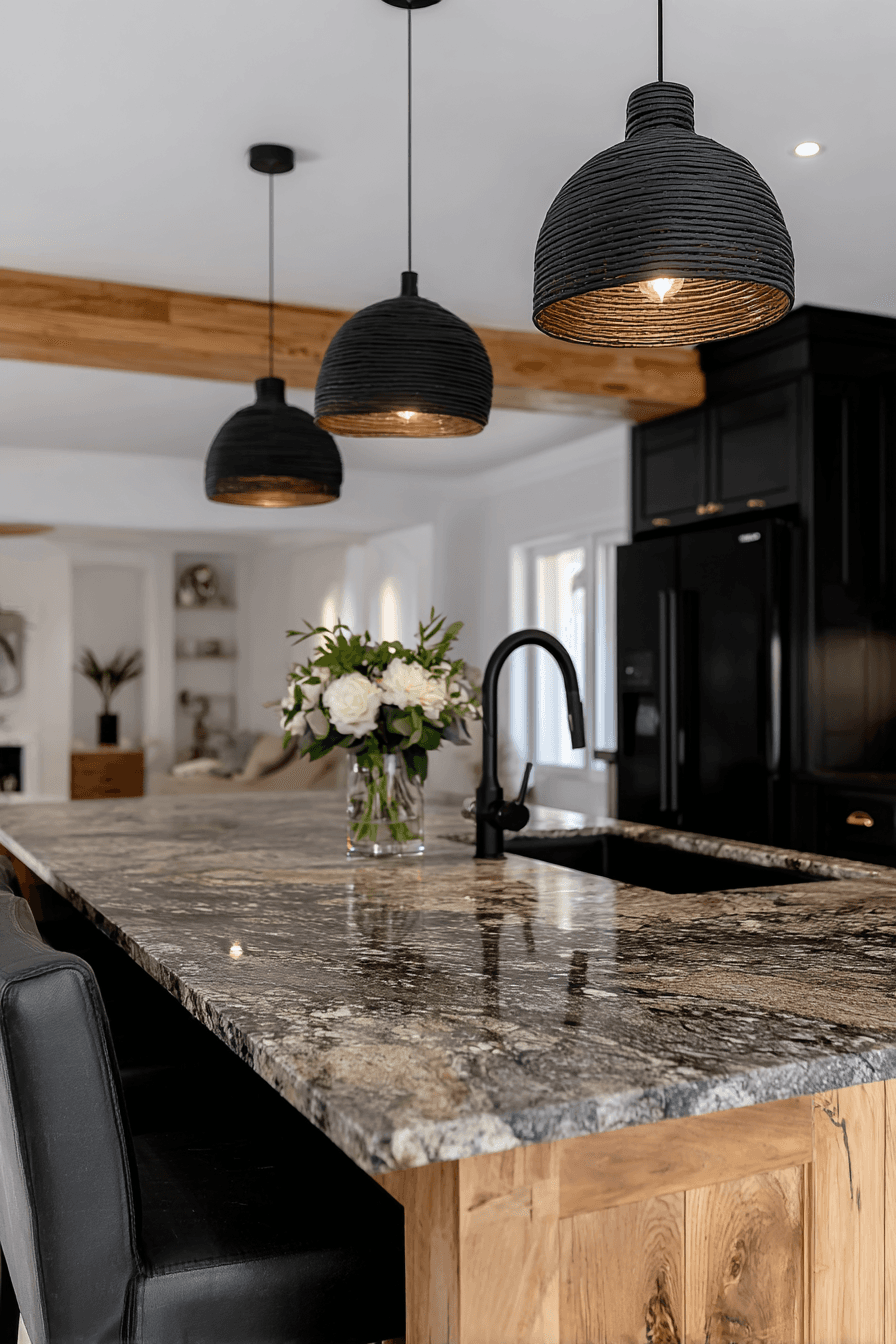
Renovating a kitchen is one of the most valuable and unifying residential projects for Quebec homeowners. The addition of a large central island equipped with a sink and dishwasher has become a highly sought-after layout for improving both the conviviality and ergonomics of the living space. However, bringing drinking water — and especially draining wastewater — to the middle of a room creates major logistical challenges.
Cynthia Pigeon
•03 Nov 2025
When strolling through Old Montréal or Old Québec, you have most likely laid eyes on this outward-opening, antique window model. Elegant with a vintage charm, a cremone bolt window (vintage or French casement window) is rarely your top-of-the-list choice when purchasing new windows. However, their beauty definitely rivals that of the other models available on the market.