Technical Principles of Subsurface Fluid Management and Site Stability
By Collaboration
Updated on February 11, 2026
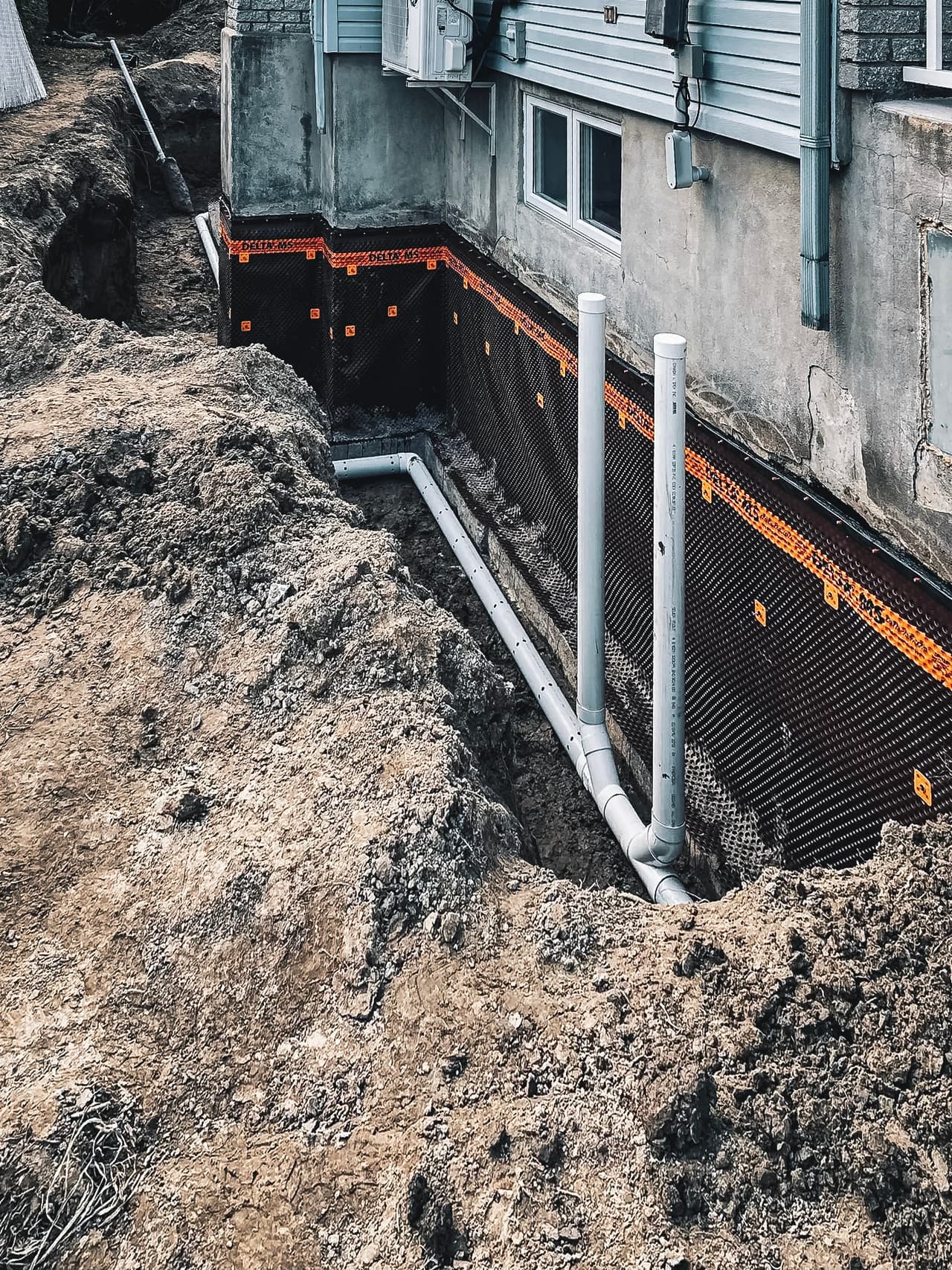
Modern civil engineering requires the precise redirection of liquid volumes to maintain the structural integrity of developed land. When construction projects replace permeable soil with non-porous surfaces like asphalt or concrete, the earth's natural capacity for moisture absorption is eliminated. This transformation forces precipitation to accumulate into a high-velocity lateral surge that gains kinetic energy as it follows the site's grading.
Get Your Project Started Today
Submit your details and receive three free quotes from trusted contractors.
Without a technical drainage strategy, this runoff generates mechanical friction that erodes topsoil and applies persistent physical stress to building perimeters. By utilizing a calculated hierarchy of collection points and buried conduits, engineers can prevent the soil saturation and hydrostatic pressure that lead to foundation failure.
Intake Mechanics and Sediment Filtration
Source: Construction Overload
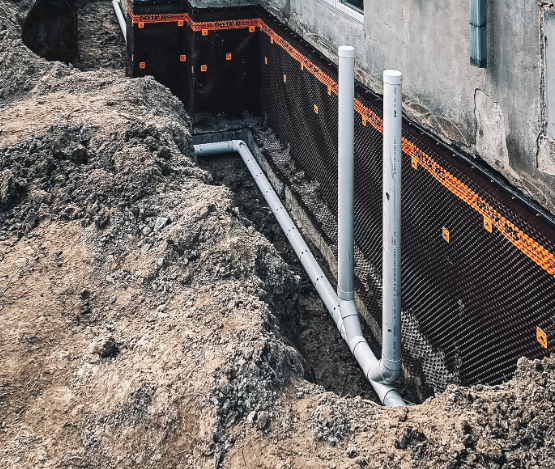
The primary objective of an effective drainage network is the transition of water from a horizontal surface plane into a vertical subsurface system. In areas characterized by localized depressions or predicted high-volume runoff, installing a catch basin allows for immediate collection and mechanical filtration. These units are engineered with a vertical chamber that disrupts the momentum of the incoming flow, allowing gravity to facilitate the separation of solids from the liquid stream. Heavier particulates, such as road grit, gravel, and organic matter, settle into a recessed sump area located below the outlet pipe. This process prevents the accumulation of silt within the lateral piping, ensuring that the internal hydraulic diameter remains constant and operational during peak rainfall events.
Mitigation of Hydrostatic Loads on Foundations
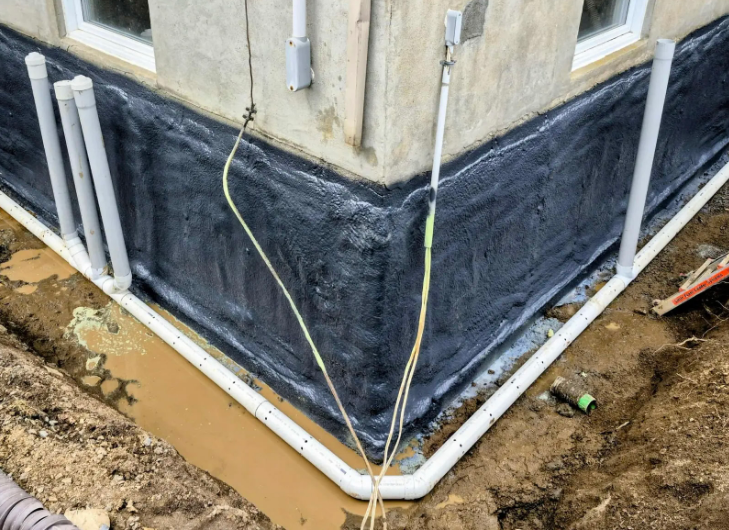
Unmanaged water accumulation generates significant hydrostatic pressure against subterranean walls and footings. When the soil surrounding a structure reaches its saturation point, the weight of the trapped water exerts a constant perpendicular force that drives moisture through the microscopic pores and construction joints of concrete. This process leads to the oxidation of internal reinforcement steel and the eventual loss of compression strength in masonry. A professional drainage layout addresses this by establishing a hydraulic gradient that pulls water away from the building envelope. By suppressing the local water table, the system prevents the soil expansion-contraction cycles that cause foundation cracking and surface heaving in climates subject to seasonal frost.
Fluid Dynamics and Pipe Gradient Physics
Source: Excavation Bermax Inc.
The movement of water through an underground network is dictated by the laws of fluid mechanics, specifically the relationship between pipe diameter, internal friction, and gravitational pitch. Engineers calculate the peak flow rate to ensure that pipes are sized to handle the anticipated volume without backing up. Maintaining a scouring velocity is a critical objective; this ensures that fine particles remain in suspension and are carried to the discharge zone rather than settling and hardening inside the line. If the pipe pitch is too shallow, water will stagnate, leading to the growth of anaerobic bacteria. Conversely, if the pitch is too steep, the flow may become turbulent, creating air pockets that disrupt the laminar flow and reduce the system's processing capacity.
Component Resilience and Material Standards
The long-term functionality of a drainage system depends on the mechanical properties and chemical resistance of the installed hardware. Materials must be selected based on their ability to withstand environmental stressors, including UV radiation, thermal expansion, and specific Load Class ratings. From pedestrian-rated grates to heavy-duty covers for industrial loading zones, each component must meet standardized durability requirements to prevent structural failure under weight. Utilizing high-density polyethylene (HDPE) or reinforced polymers ensures that the system remains immune to the corrosive effects of de-icing salts, hydrocarbons, and acidic precipitation.
Conclusion
The systematic implementation of these drainage solutions ensures that subsurface infrastructure remains a permanent asset. By prioritizing mechanical filtration, pressure relief, and material resilience, site planners can safeguard the property against the destructive potential of uncontrolled hydraulic forces. This technical approach ensures that the land remains stable and the structural core of the building remains protected from moisture-related degradation over its entire lifecycle.
Looking for something else?
Related articles
The latest industry news, interviews, technologies, and resources.

Amanda Harvey
•08 Nov 2023
When building a new home, air barriers are not always part of the equation. However, air barriers are crucial structures that assist in aiding with energy efficiency as well as maintaining a comfortable and cozy home environment.

Editorial Team
•08 Nov 2023
As the weather gets warmer, many of us jump at the chance to spend our days outdoors taking in the sights and sounds while occasionally working to spruce everything up. As much as we love our outdoor space, the fact of the matter is that it’s not always easy to arrange our land in a beautiful as well as functional way.

Karine Dutemple
•16 Jun 2026
Summer is just around the corner, and for many homeowners, that means it’s time to start planning a backyard reno. If you’ve been searching for patio inspiration for several years, this could be the year your dream outdoor space finally comes together.

Editorial Team
•08 Nov 2023
The sets of your favourite films can sometimes serve as an inspiration to transform your interior decor. Whether a period piece, a 1960s inspired environment or a more modern layout, there is always room to draw inspiration from these much-loved stories.

Cynthia Pigeon
•08 Nov 2023
The banister, though it is often overlooked, is an integral part of our daily lives. What's more, we tend to forget how important the chosen model actually is, which tends to be dependent on the material it is made out of.