Advantages and Characteristics of TIG or GTAW Welding
By Editorial Team
Updated on September 24, 2024
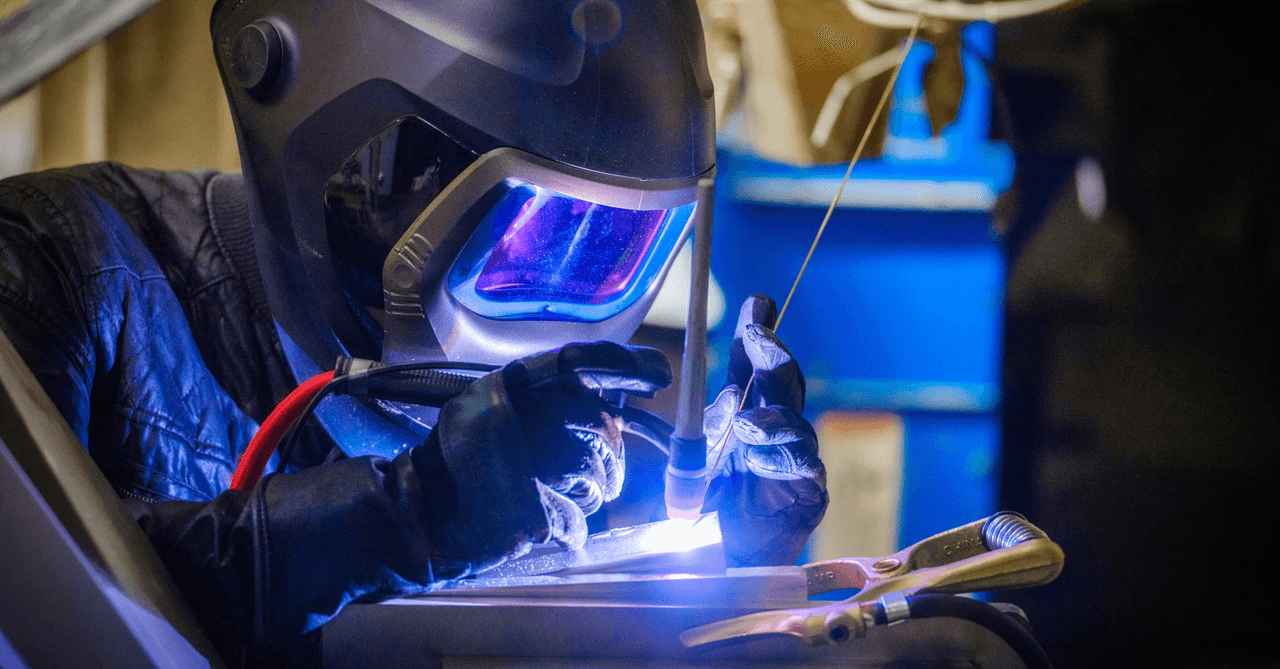
Tungsten inert gas (TIG), or gas tungsten arc welding (GTAW), is a welding technique known for its precision and quality. This article is an in-depth overview of said versatile welding method. Discover why TIG welding is a favourite amongst welding industry professionals.
What Is TIG or GTAW Welding?
Source: Canva
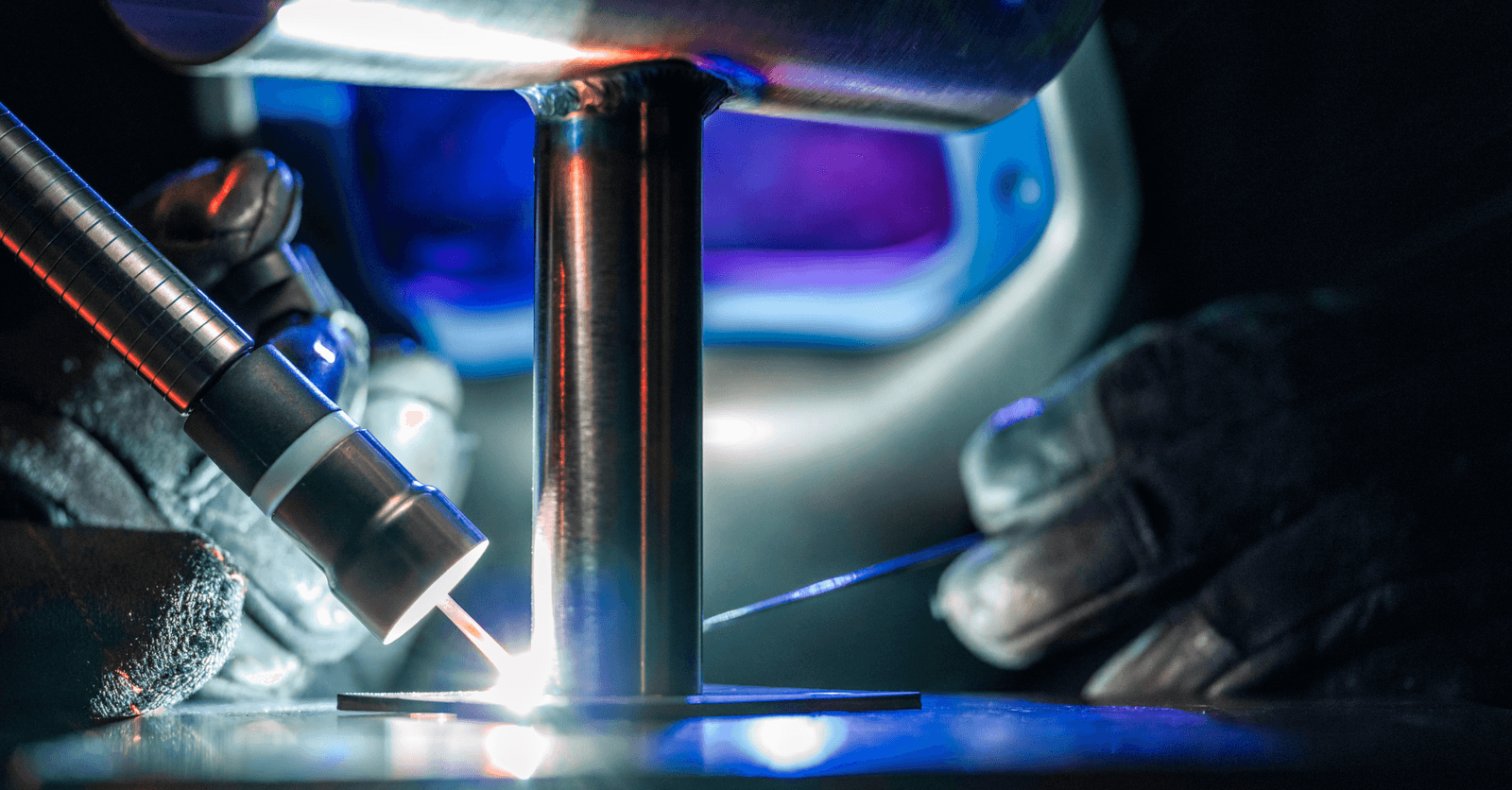
TIG or GTAW welding is a high-quality fusion welding technique done with shielding gas. The process consists of melting and liquifying metals by heating them with an electric arc between a non-consumable tungsten electrode (which doesn’t melt) and the workpiece. The inert gas supplied through the gun nozzle preserves the molten metal, tungsten electrode, and welding zone from atmospheric contamination. The same gas also plays a role in transmitting the electric current as it's ionized in the process. Therefore, the risks of splatter or fumes occurring are nearly eradicated.
This process is used when optimal quality is required and a uniform weld, one free of spatter and fumes paired with a perfectly smooth finish, is sought after. And yet, TIG welding has a slew of other benefits.
GTAW welding makes for strong and corrosion-resistant welds, ones that are also more malleable and elastic compared to those made with conventional electrodes. Therefore, such welds are favoured during the manufacturing process of pipelines and containers, as well as for aeronautics and aerospace construction, metal furniture and guardrail manufacturing, along with automotive bodywork, and the agro-food industry.
What’s the Difference Between a TIG and MIG/MAG Welder?
TIG and MIG/MAG—metal inert gas and metal active gas—welding are two commonly used methods, each comprising of unique specificities. TIG welds are known for their precision, and are ideal for intricate work done with thin metals, resulting in high-quality joints with a clean finish. Said technique does necessitate a certain know-how and is slower to complete.
On the other hand, MIG/MAG welds are faster and easier to achieve and done using a consumable filler electrode, designed for mass production and thicker materials. This method is often preferred to carry out large-scale work requiring less aesthetic precision, but high-efficiency like during automotive or naval construction. Ultimately, choosing between either welding technique is based on the nature of the project at hand, as well as quality and speed requirements.
Is a TIG Weld Stronger than a MIG/MAG Weld? TIG vs MIG/MAG
TIG welding, when used with precision by an experienced welder, typically results in stronger welds and more appealing aesthetics. In contrast, MIG welding, known for its efficiency and speed, as previously mentioned, may be a welder's preferable choice for achieving consistent weld quality, especially when time is a critical factor.
What Is TIG or GTAW Welding Used For?
Source: Canva
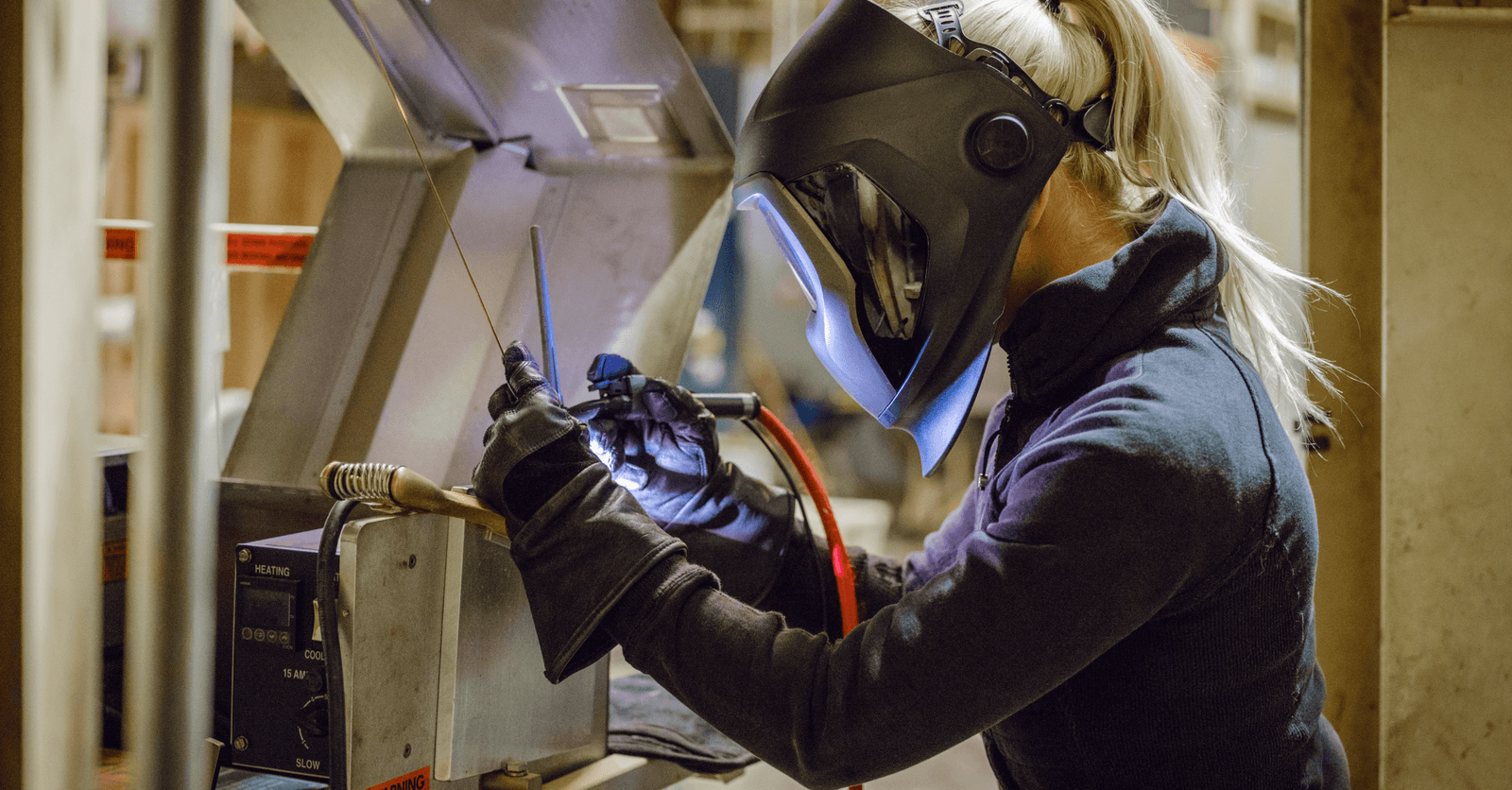
TIG welding is versatile and can be employed during production assembly or on-site repairs. While it does necessitate precision and proper training, it’s a process that has valuable advantages. Here’s why it’s a favourite across a range of industries.
Here are just a few of the benefits of TIG welding:
Arc Stability
On account of the arc’s stability, one can weld joints devoid of adherent spatter. The latter is a significant advantage when the weld joint is visible and the visual aesthetics of the workpiece is of prime importance. The result is quite remarkable. TIG welding is cleaner, more refined, and more effective.
Highly Versatile
It’s a very versatile technique, enabling numerous metals to be welded, as well as complex alloys, such as titanium, zirconium, and molybdenum.
Except for very oversized parts, material thickness is rarely a problem either, whether it be a few tenths of a millimetre (TIG or micro TIG welding process) or a few hundred millimetres (done using a narrow-groove TIG welding technique).
Lastly, while the process is often done manually, with or without rods, you can also choose to use a pulsed wire feed, either automated or robot-assisted.
Eco-Friendly
Provided that clean workpieces are welded at a very low melting point, the TIG welding process should emit very little fumes. This is due to the arc’s stability, which is the result of the separation of the arc and the filler metal. Consequently, workpieces under 5 mm thick can be welded together without the use of a filler material.
Range of Possibilities
Certain metals can be welded in whichever way, depending on the welding current and the welder’s skills.
How to Weld with TIG: The Process
Source: Canva
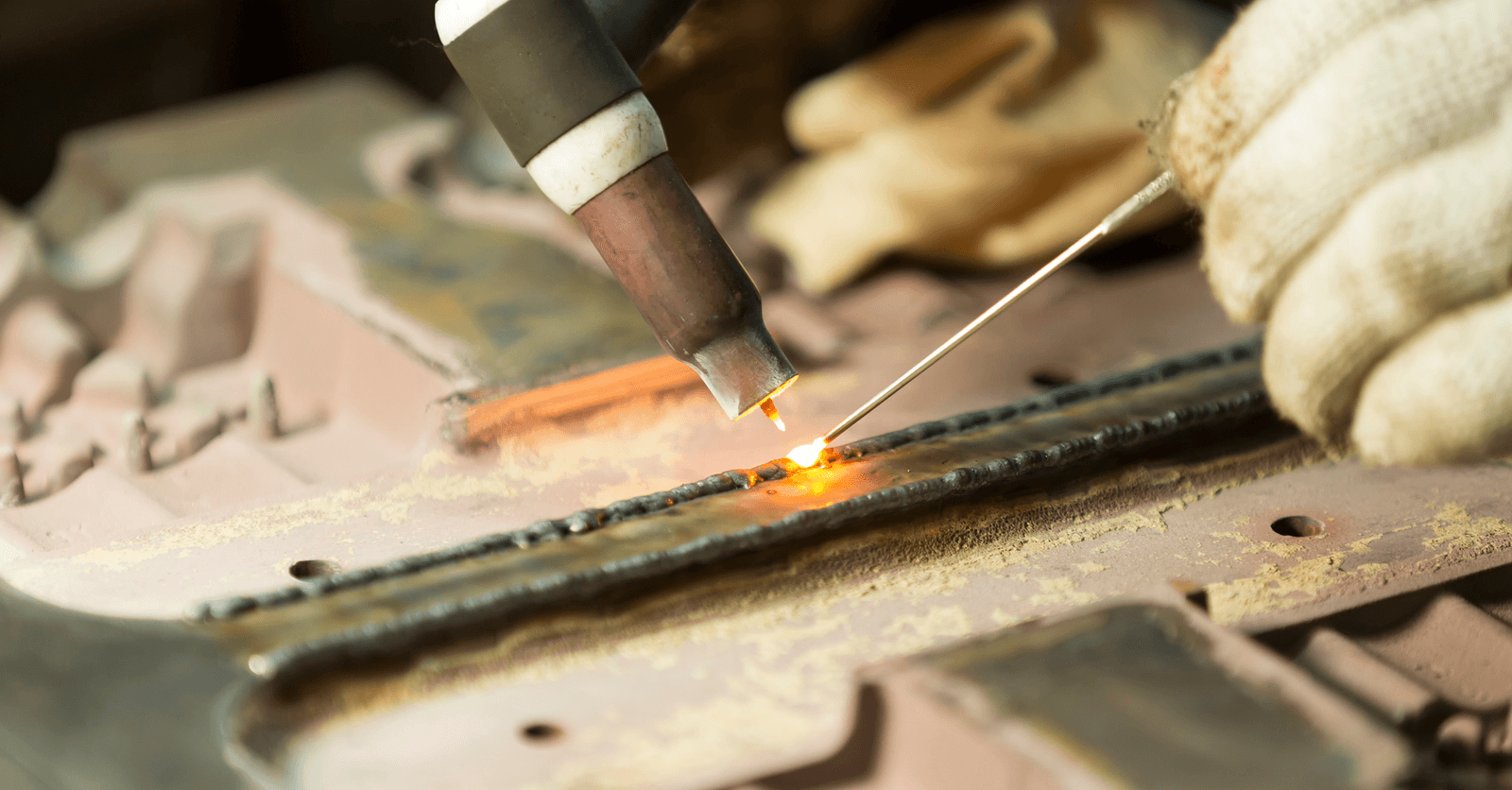
TIG welding machines are powered by a tungsten electrode. It guarantees better results since the welder has far greater control.
Always respect the recommended distance between the electrode and the workpiece.
Work at a 90º angle, the holder being perpendicular to the workpiece. A 75º to 80º tilt may be tolerated to facilitate the job at hand.
For optimal results, the gas flow should be between 6 and 12 litres per minute.
Always hold the rod and filler material in the gas arc, otherwise, it will oxidize, and its properties will be altered, risking weld contamination.
Make sure the tip of the tungsten electrode is sharp to ensure the arc’s stability. When sharpening, make sure the grooves remain perpendicular to the current.
Make sure the welding current is calibrated properly based on the chosen electrode’s diameter. Inquire as to the recommended values.
Clean the workpiece and filler metal to remove all potential traces of contaminants (oil, oxides, grease, etc.) that may interfere with the result.
What Is Pulsed TIG Welding?
Source: Canva
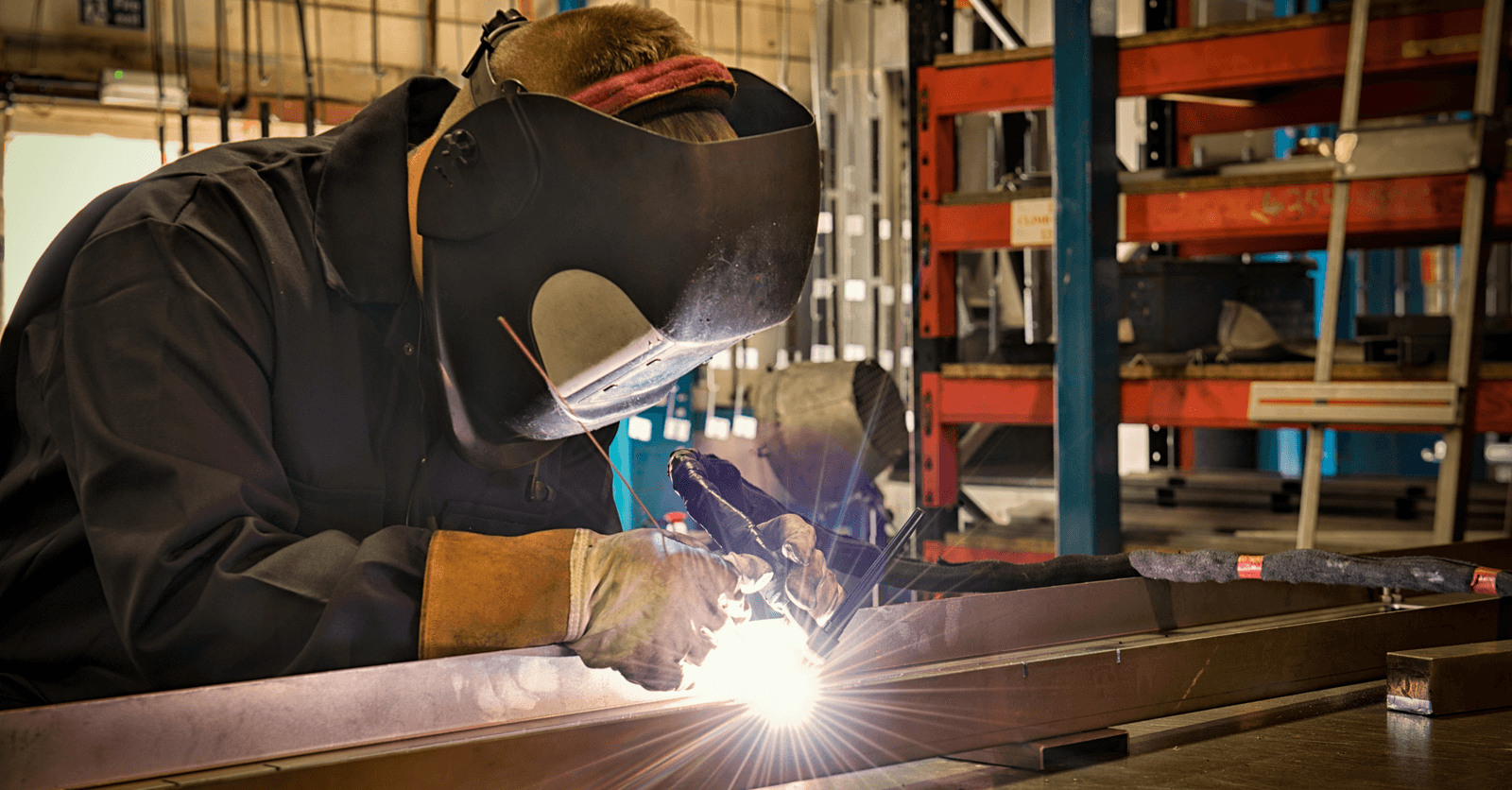
Pulsed TIG welding is a variant of the GTAW process, consisting of alternating between a high and low current. While not new, the electronic technology used today to control the pulsed current is a lot stronger than once was with conventional technology.
Pulsed TIG welding not only enables for even better results, quality-wise, but also to cut back on costs. As a result, more focused or wider arcs are achieved, along with more control over the molten pool temperature, better penetration range, and the possibility of welding metals and alloys with varying thicknesses simultaneously. Lastly, by lowering the heat input on the workpiece, distortions are avoided.
Different Types of Welding Metals
Source: Canva
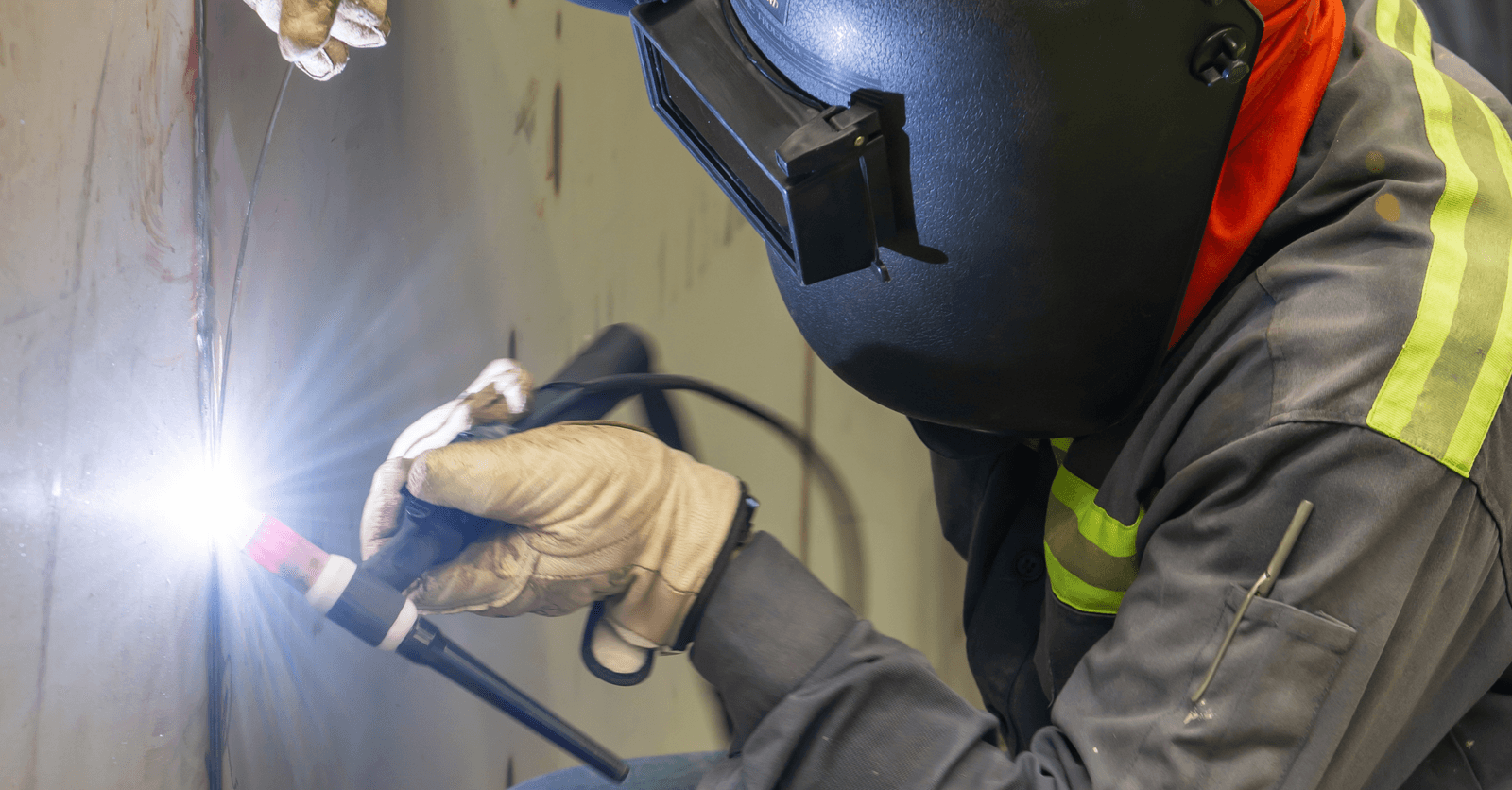
TIG—or GTAW—welding technique can be used to weld practically all metals and metallic alloys: stainless steel, aluminum and nickel alloys, and thin aluminum and stainless steel sheets. Said process is both efficient and cost-effective, and can be used with lightweight (at least 3 mm thick) metals and workpieces that are hard to weld using standard welding techniques.
TIG Welding and Aluminum
Aluminum welding—especially that of very thin metals—is often associated with the TIG welding process, which greatly facilitates the ordeal.
As such, it’s hardly surprising that aluminum, an automotive industry favourite, was such a contributing factor to making TIG welding a sought-after process. Given that such welds are both strong and aesthetically pleasing, such a technique is deemed just as appealing for professional welders and car enthusiasts alike.
TIG Welding and Steel
Resistant steel and highly resistant steel are regularly used for lightweight constructions in the automotive industry, but also for mobile cranes, concrete pumps, agriculture machinery, and forestry/logging equipment.
Only pure-grade steel, meaning alloys with a carbon content below 0.22%, can be welded. Generally speaking, the purer the alloy, the easier it is to weld. Once again, TIG welding facilitates the overall process as it increases the range of possibilities.
TIG Welding and Stainless Steel
Albeit a complex and delicate process, welding stainless steel is made possible with the TIG technique. The use of different welding machines can improve the process to meet a range of work-related requirements associated with the workpiece at hand.
TIG Welding and Copper
TIG welding results in a limited amount of spatter and generates few impurities, which is of great importance in the food industry. In terms of copper, polishing and grinding procedures can result in a matte finish and a perfectly smooth joint. The latter is another benefit when the visual aesthetic of the workpiece is highly significant.
Reminder for Beginners
For all welders, but especially for beginners learning the basics of TIG welding, it's crucial to prioritise safety by wearing long sleeve shirts to protect skin from sparks and UV radiation, a welding helmet for eye and face protection, and all other necessary protective clothing to prevent injuries from high temperatures and debris.
Looking for something else?
Related articles
The latest industry news, interviews, technologies, and resources.
Editorial Team
•26 Apr 2024
Foul smells, poorly draining water, loud and strange pipe noises, overflowing content… Septic tanks rely on a system that’s more susceptible to damage than a municipal sewer network, so you have to be mindful of how waste is disposed of and pay special attention to the slightest warning sign that there might be an issue with the system.

Editorial Team
•19 Mar 2026
Across Canada, we long for warm weather. Balmy months mean a chance to enjoy the great outdoors, and if you’re lucky, that also means enjoying a glass of wine on the comfort of your balcony. If your home has a balcony, you already know that keeping it in shape takes a little bit of effort and elbow grease.
Editorial Team
•18 Dec 2024
The Government of Quebec initiated its energy transition in the last few years, encouraging consumers to pivot toward green energy solutions. Green projects are focused on clean energy, also highlighting transportation electrification. To promote new construction projects in an effort to keep up with the trend, subsidies and financial assistance have been made available.
Christine Simard
•11 May 2026
Your kitchen and dining room are places for gatherings and festivities. Whether with family or with your partner, whether your kitchen is small or large, you need to have a space that is both practical and efficient in order to give you the possibility to prepare all your meals.

Editorial Team
•08 Nov 2023
Considering updating your bathroom but unsure where to start? A bathroom is one of the most used spaces in a house and as such, it should be both comfortable and functional. Being that it’s so frequently used, an ideal bathroom is one which doesn’t wear out easily and makes use of materials that stand up over time.