How Does Timber Formwork Contribute to High-Quality Constructions?
By Editorial Team
Updated on November 8, 2023
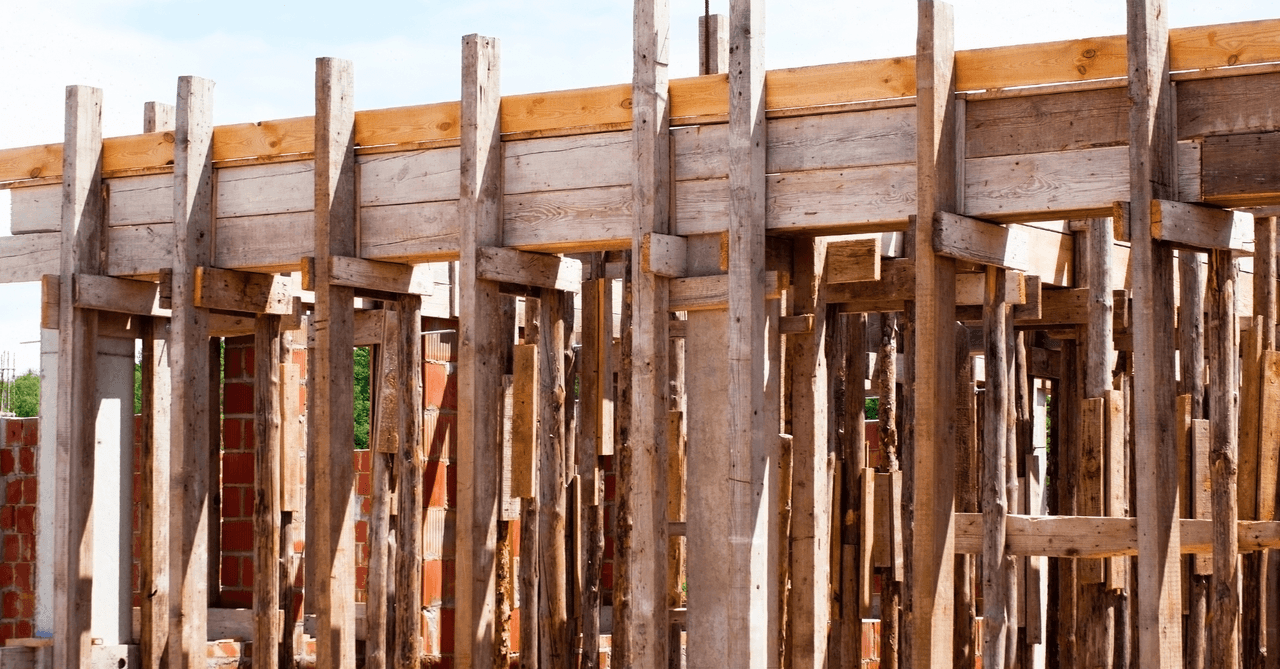
Why choose timber formwork at the height of steel formwork? Simply because timber has three undeniable advantages: it’s cheap, effective, and safe.
If you’re not all too familiar with timber formwork, here’s everything you need to know about this material that guarantees well-built and durable structures.
What’s timber beam formwork?

Source: Canva
Formwork is a structure used to support and shape freshly poured concrete. Its primary purpose is to ensure the weight of the concrete is evenly distributed through the formwork’s grid pattern to the foundation.
What can you make with timber formwork?
With timber formwork, you can make:
Concrete beams
Slabs
Foundations
What’s formwork made of?
Depending on the work being done, timber formwork can be made of:
Raw lumber boards
Plywood
Stringers
Timber beams
Strapping
Rafters
Structural bracing
All these wooden components can be reused multiple times, and have the advantage of being built directly on-site.
Formwork Characteristics
Timber formwork has the following characteristics:
Designed for disassembly
Can be reused (5 to 10 times)
Waterproof
Durable
Stable
The formwork components are typically connected to one another with nails, which prevents the concrete from vibrating from the outside from the structure’s lack of stability. However, hybrid–timber (wood and steel) constructions can also be built.
Techniques Used to Build Timber Formwork
Source: Canva
The timber formwork building method hinges on three factors:
Under-construction unit’s framework
Structure’s location
Materials and tools available
Regardless of the circumstances, the formwork must be durable and watertight.
There are three steps to building a timber formwork atop a standard structure (slab, foundation, wall, etc.). See below.
Step 1. Choose boards
As you’ll come to know later on regarding the current timber formwork standards, the boards used must be at least 1.5 inches (38 mm) thick. This factor ensures the formwork boards are sturdy while preventing warping (or deformation).
Lengthwise, the boards used can measure up to 5 m (16 ft).
Using plywood may be a better option compared to lumber since its greater dimensions and smooth surface limit the amount of finishing work required. Furthermore, plywood is strong enough to withstand the weight of concrete.
Step 2. Outline area
Before installing the boards, outline the perimeter of the to-be-built formwork with a string.
Nail or screw the formwork boards together. For projects with a relatively low amount of pressure (concrete slab, for example), the boards can be reinforced with pegs at regular intervals.
However, for more ambitious projects, like building walls, for example, adding structural bracing is a must. This will prevent the structure from warping or collapsing.
Step 3. Prep for strike-off
This might seem hasty, but you should prepare to strip the formwork prior to pouring the concrete. How so? Apply a release oil on the interior surfaces of your formwork.
Now the structure is concrete-ready!
For more technical concrete formwork, like those needed to build staircases or beams, it’s best to use precast concrete forms or permanent shuttering. The latter is also precast with concrete.
Which wood species should you use for timber formwork?

Source: Canva
In Quebec, the three most used wood species to build formwork are:
Norway spruce
Fir
Douglas fir
They’re favoured by construction industry professionals because they’re cost-effective and have the following characteristics:
Adequate load-bearing capacity
Durability
Decent mechanical and physical properties
These factors make timber formwork a material that has the capacity to withstand tractive, compressive, and bending forces. It renders the worksite safe for labourers, preventing the formwork from collapsing from the weight of the concrete.
How thick should formwork boards be?

Source: Canva
The thickness of the formwork boards depends on the structural analysis that was carried out for the construction project. This means that the required board thickness is entirely dependent on the lumber's concrete load-bearing capacity.
However, to make it easier during the course of a standard project (house foundation, slab, etc.), you can follow the guidelines issued by the Government of Quebec, with specific regulations for:
Lumber
Plywood
Nails
Lumber Thickness
Formwork lumber must be:
at least 1.5 inches (38 mm) thick;
S4S (faces were surfaced and edges ripped);
dry or green dimensional lumber and;
green for structural bracing.
The National Lumber Grades Authority (NLGA) controls lumber standards. Whatever the species may be, all lumber is evaluated based on the same criteria and given a grade stamp. What matters is that the stamp corresponds to the specific characteristics indicated on the formwork blueprint.
Stamps indicate:
Grading agency
Wood species
Grade
Dry or green lumber
In cases where the chosen lumber has already been used, examine it to make sure it isn’t:
Rotten
Insect-infested
Damaged by chemical products
If you detect any of the above-mentioned, don’t build formwork with the affected lumber prior to it being inspected by a member of the NLGA or an NLGA-affiliated grading agency.
Plywood Thickness
It must comply with CSA 0121-M1978, which mandates:
at least 7 plies;
0.66 inches (17 mm) in thickness and;
issued from Douglas firs.
What type of nails should you use?
Believe it or not, nails also have their specifications since they must withstand crosswise strain. Their characteristics largely depend on:
Surface
Diameter
Penetration depth
Wood density or moisture
For maximum hold, a nail has to be hammered into a dry and hard surface rather than a green and softwood board. Also, it must be hammered in at least halfway.
All nail-related characteristics are detailed in Table 45 of the CSA standard CAN3-086-M84.
How to Build Circular Formwork

Source: Canva
Typically, the timber boards used for circular formwork have to be bent. In all sincerity, flexible plywood can’t be used as is.
Why, you ask? Because this specific type of plywood only has three plies, instead of the 7 required by the current standards established for formwork.
The simplest solution is to go through a carpenter who can build the formwork with the required thickness in whatever shape you want.
However, there’s another, easier way to proceed than with bent wood. This method consists of building traditional formwork, but the inside facing surfaces have the desired curvature made possible using polystyrene.
Therefore, the concrete poured into the formwork will take on the desired shape. You can even build an arched-shaped formwork using this technique.
Get 3 quotes for your project with a general contractor
RenoQuotes.com can help you get quotes from a general contractor. By submitting your project, we’ll put you in contact with top-rated contractors. Fill in the form on the homepage (it only takes a few minutes) and get estimates from trusted professionals.
Dial 1-844 828-1588 to speak with one of our customer service representatives.
Looking for something else?
Related articles
The latest industry news, interviews, technologies, and resources.

Léa Plourde-Archer
•29 Oct 2024
Are you all about wellness spas and dedicated to improving your well-being? Looking to create something similar in the comfort of your home?

Cynthia Pigeon
•26 Aug 2026
In Quebec, undertaking a real estate project—whether building a new home, replacing a roof after harsh winters, or undertaking a major renovation on a heritage plex—represents a significant investment. However, many homeowners are unaware that unpaid debts owed by their general contractor to certain project participants can result in a legal hypothec (construction lien) being registered against their property.
Editorial Team
•27 Jan 2026
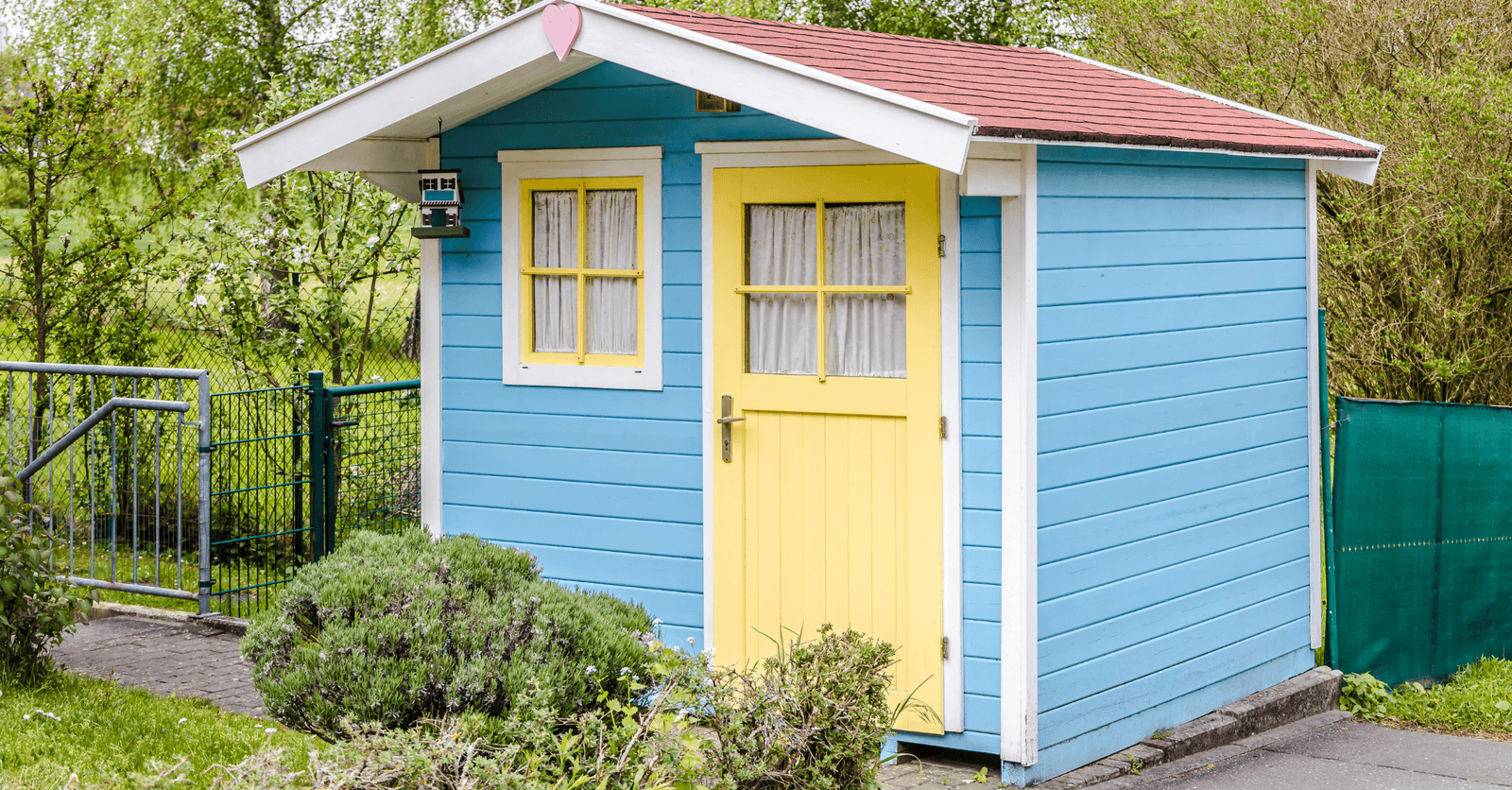
Have you thought about adding a dedicated space to store garden tools, outdoor equipment, or all those extra items that clutter your home? Maybe you’re dreaming of a backyard playroom, craft area, or hobby space for your kids. A garden shed can be a practical and cost-effective solution, giving you extra space while enhancing the functionality and appeal of your outdoor area.
Cynthia Pigeon
•09 Oct 2024
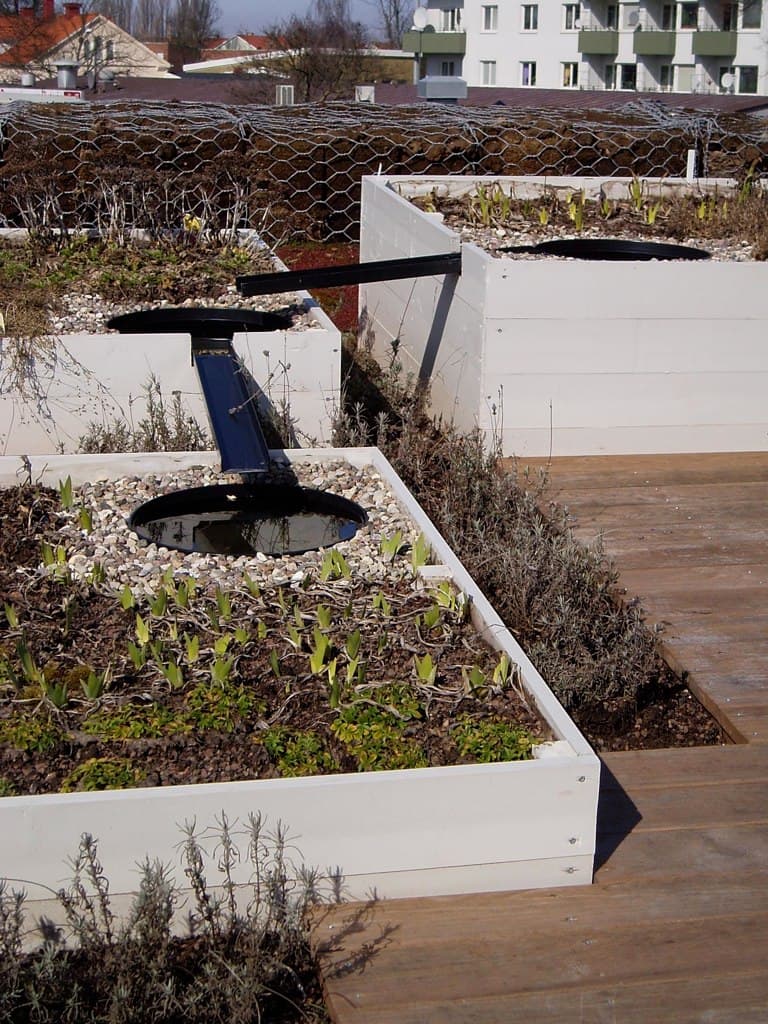
If you live in a big city or keep yourself apprised of innovative methods of environmental conservation, you’ve probably already heard of green roofs. They’re created using a technique which involves covering a building’s rooftop with all kinds of vegetation: plants, flowers, and vegetables. It’s no secret: green structures provide better insulation and minimize carbon emissions. All in all, they improve air quality while increasing the building's overall energy efficiency.

Editorial Team
•06 Dec 2025
Pretty much all renovation projects consume a significant amount of time, money and patience. Of course, the reason most homeowners take on a renovation is to improve their quality of life as well as their home resale value.