Translucent Concrete: When Innovation Meets Nature
By Editorial Team
Updated on November 8, 2023
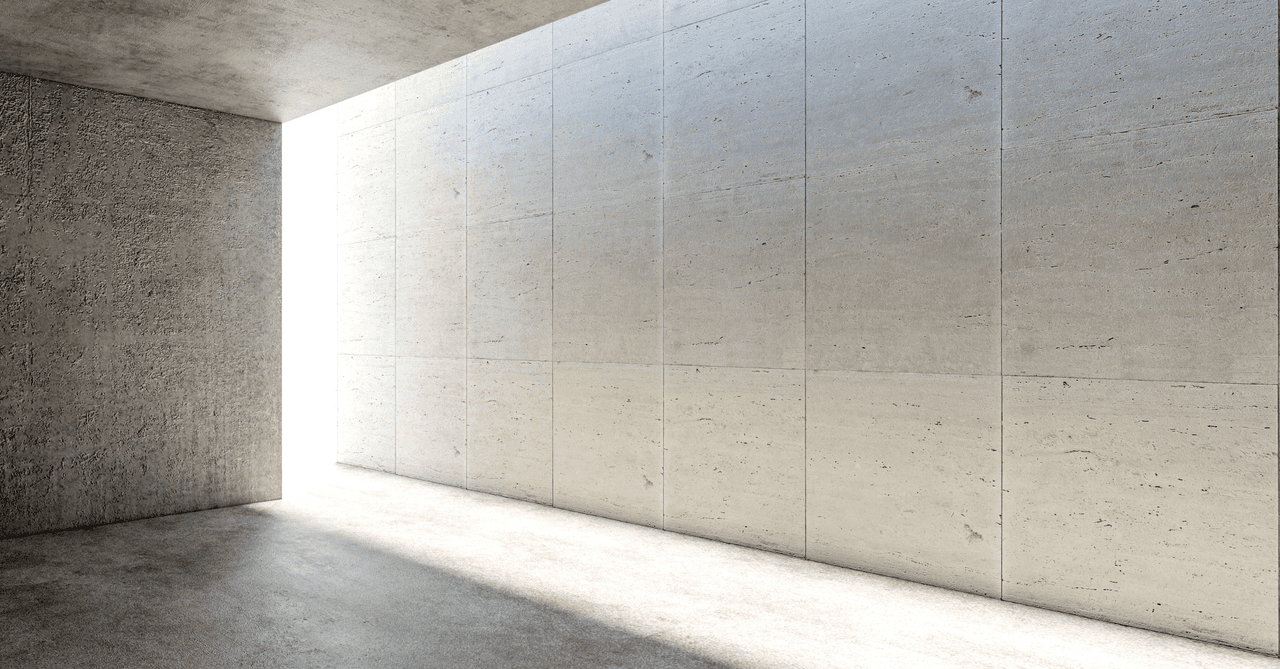
Concrete is one of the most common construction materials on the planet. Up until the end of the 1900s, it was bestowed with numerous qualities, but none were that of luminosity…
Well, consider it done! Since the dawn of the new millennium, this solid grey mass stuns with light-filled shadows. In fact, the arrival of translucent concrete, a robust and versatile material, marks the beginning of a new era. Once again, it revolutionizes the architecture and construction industries with its somewhat incredible light effects that are rather dazzling. And, let’s not forget that this type of concrete retains the valuable properties of standard concrete.
It was first exclusively used when building cutting-edge hotel and tourism facilities, but little by little, it’s increasingly used across the industry. And despite its steep price tag, the residential sector sees grounds for innovation.
Without further ado, let's shed some light on translucent concrete.
The Definition of Translucent Concrete
Source: Canva
Translucent concrete—or light-transmitting concrete—was invented in 2001 by a Hungarian architect, and possesses optical fibre properties that aren’t readily visible to the naked eye. These fibres arranged perfectly parallel to one another, attract and transmit natural or artificial light across pre-fabricated concrete panels. This interplay of light and shadow is reminiscent of the shoji concept unique to traditional Japanese architecture. However, the translucent sheet of washi is replaced by the solidity of concrete.
With the quick-evolving nature of technology, the latest process currently incorporates optical fibres that guide light emitted by an LED source, to then transmit it to the outer surface of a building. Software-activated and controlled, LEDs make for great light shows, from displaying static elements to conceiving colour schemes and animated images.
As such, in broad daylight, building structures channel that of any standard concrete or stone façade. However, once night falls, and backlighting kicks in, the siding comes to life with a dazzling display.
Concrete, which was once a simple mixture that included cement, water, and aggregates, bedazzled itself into a literal artistic gem, igniting the creative mind.
What are the properties of translucent concrete?
As of now, translucent concrete is being used in building the façades of exceptionally avant-garde buildings or as interior wall treatments for high-end constructions.
With dynamic lighting breathing life into silhouettes, using translucent concrete in a shower for example may be an interesting way to benefit from this unique technology without so much as paying through the roof. (The price of translucent concrete can easily be 5 times that of standard concrete.)
Transparent concrete allows light to filter through, making for brightly lit interiors. As such, there no longer is a need to worry about window placement or positioning or which direction a particular room is facing. What’s more, it allows natural light to stream in, while blocking UV rays.
Based solely on aesthetics, it’s important to highlight that the incorporated optical fibres won’t result in any particular constraints. The material benefits from all the much sought-after properties of standard concrete—solid and durable. It’s definitely a technology that suits the masses. However, keep in mind that translucent concrete is an expensive construction material.
Aside from the list above-mentioned regarding its uses, interior design architects often employ it in the making of stairs, guardrails, countertops, and other strictly decorative features. We’re ready to bet that the success of translucent concrete will drive major breakthroughs over the next few years, perhaps making it more accessible.
How is translucent concrete made?
Source: Canva
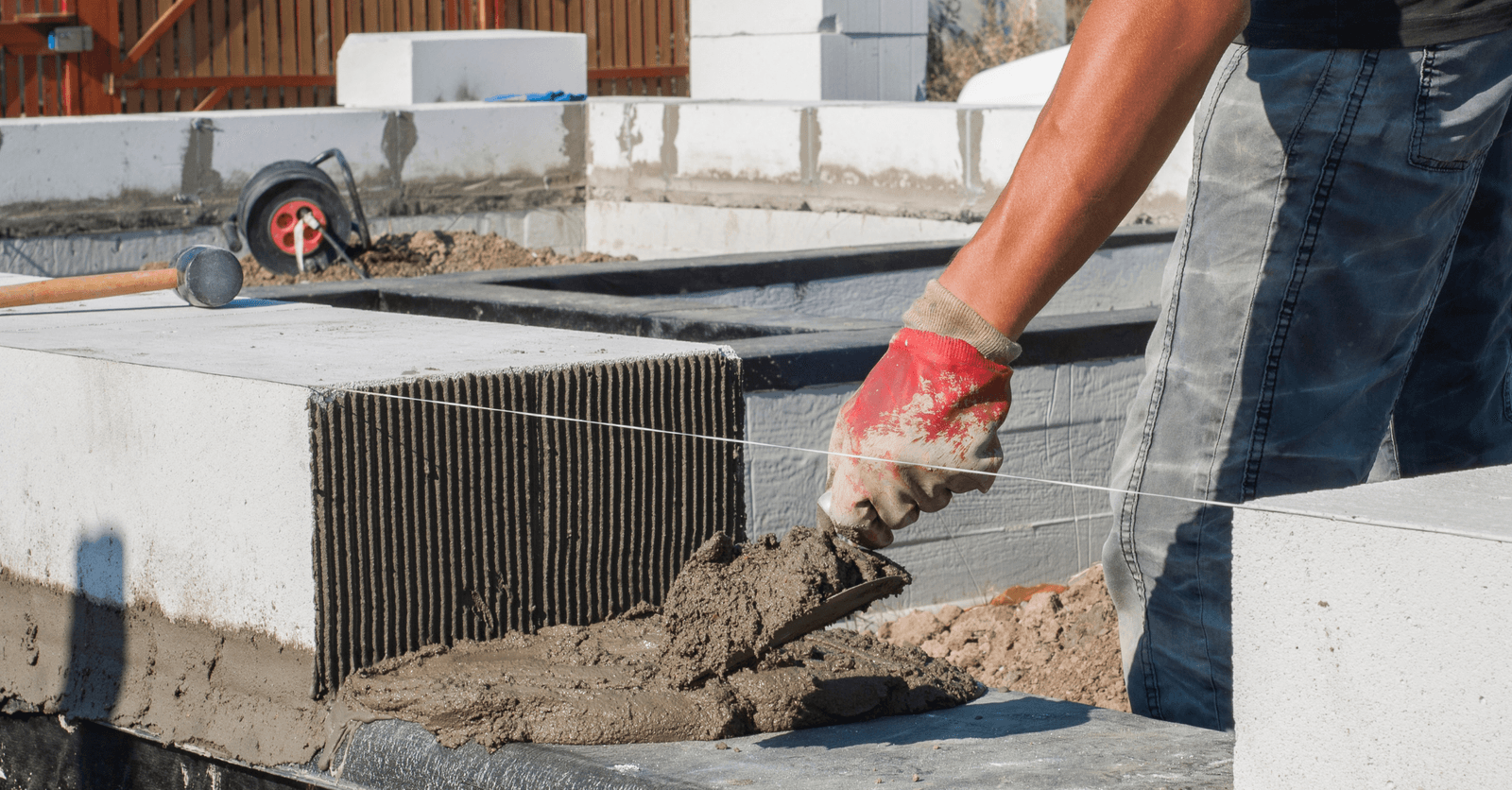
Throughout the years, two processes have made translucent concrete attainable. The first method consists of changing the formula for concrete in terms of binders and aggregates. The material becomes translucent when glass pieces are added or resin is injected into the cementitious matrix, while still retaining a sufficient strength.
The second technology features optical fibres embedded in the matrix allowing light to shine through. Using simple electrical systems, the light intensity can be controlled, much like the walls’ colour rendering.
Composition and materials
Translucent concrete is retailed as custom, pre-fabricated panels (of various shapes and sizes), or as concrete construction blocks.
The polymer-based process can transmit up to 90% light, which results in as much as 20% translucency, while still retaining the material’s strength.
Translucent concrete is often used without traditional rebar. In cases where reinforcement is necessary, plastic rebar can serve as a viable substitute to steel rebar, ensuring the distinctive properties of translucent concrete remain intact.
When translucent concrete contains polymer, the binder (cement) is partially replaced by a transparent polymer. This technique ensures the translucency of the material from all angles.
Translucent concrete is typically neutral in colour (white, light or dark grey), but its colour can be altered upon request. It also boasts a wide range of colours, courtesy of a set of LED bulbs.
Benefits of Translucent Concrete
In the making of translucent concrete, mixing in transparent compounds solely account for a mere percentage of its overall composition. As a result, it benefits from all the same properties as traditional concrete.
Concrete is resilient and durable—it’s basically fire-, fungus-, and insect-proof, and is resistant to physical impacts. It’s also highly resistant to adverse weather conditions and temperature fluctuations. Lastly, it’s thermally inert and has a high porosity.
Translucent concrete not only harnesses the above-mentioned properties but also introduces an unprecedented level of luminosity. It’s contemporary, unique, and distinctive—transforming structures and buildings through visually stunning light shows. In broad daylight, it brightens up rooms while effectively blocking UV rays. As such, natural light replaces artificial lighting, thus limiting energy consumption.
Last but certainly not least, translucent concrete is recyclable.
Get 3 quotes for your concrete-related project
RenoQuotes.com can help you get quotes from a general contractor. By submitting your project, we’ll put you in contact with top-rated contractors. Fill in the form on the homepage (it only takes a few minutes) and get estimates from trusted professionals.
Dial 1-844 828-1588 to speak with one of our customer service representatives.
Looking for something else?
Related articles
The latest industry news, interviews, technologies, and resources.
Editorial Team
•13 May 2026
Mould or mold, no matter how you spell it, it’s universally abhorred by all residential and commercial building owners. Mould is a fungal species that's especially skilled at embedding itself on various parts of a structure.
Cynthia Pigeon
•08 Nov 2023
If there is one thing every homeowner dreads before starting a renovation project, it has to be the possibility of encountering unforeseen issues, especially the possibility of exceeding the set budget for the project. So, here is a tidbit of advice on how to deal with such a situation should the hired contractor carry out additional work or should you discover a hidden defect.

Editorial Team
•12 May 2025
Crown moulding has been a decorative staple dating as far back as ancient Greece. This is likely due to the fact that they understood how much it can help liven up a space. The name refers to a family of mouldings which are aesthetically designed to shape and accentuate the top edge where the ceiling meets the wall.

Cynthia Pigeon
•08 Jul 2026
In 2026, replacing a concrete slab and pyrite-contaminated backfill can represent a significant budget. For a basement, some estimates range from around $15,000 to $40,000, while a garage can cost several thousand dollars, depending on the surface area, access and the extent of the removal required. This price includes the full excavation of the contaminated backfill, its replacement with tested non-expansive crushed stone and the pouring of new concrete. Before undertaking this major work, an official technical test following the CTQ-M200 protocol is often required by financial institutions or during a real estate transaction to assess the swelling index.
Editorial Team
•08 Nov 2023
If you’re currently in the midst of a renovation project, chances are, you’re debating whether or not you should replace your windows. Nonetheless, replacing windows has several valuable advantages that you should consider prior to undertaking your renovation project.