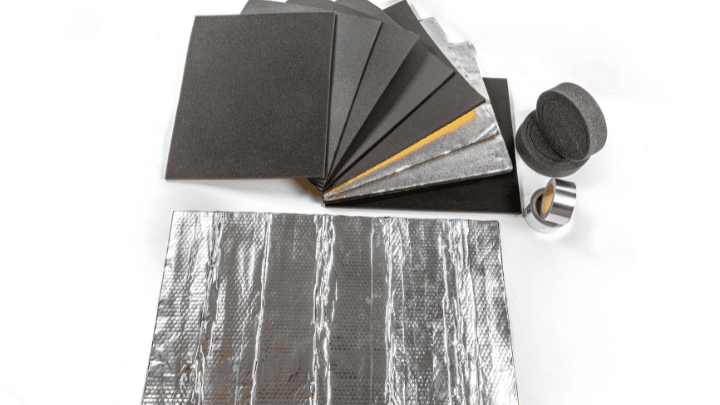
Noise is part of daily life, but excessive noise in a household can disrupt peace and quiet. For anyone looking to create a more tranquil environment, understanding and applying effective acoustic insulation methods is key. This article tackles essential questions: What are the most effective ways to soundproof ceilings, floors, and walls? Which materials work best, and how thick should they be? And how can homeowners balance cost with effectiveness?
We cover DIY basics, recommended methods, and material comparisons to help you make soundproofing decisions confidently. Whether it’s dense materials, avoiding reverberation, or choosing the right acoustic underlay, here are top strategies and considerations for creating a noise-controlled home.
DIY Acoustic Insulation: The Fundamentals
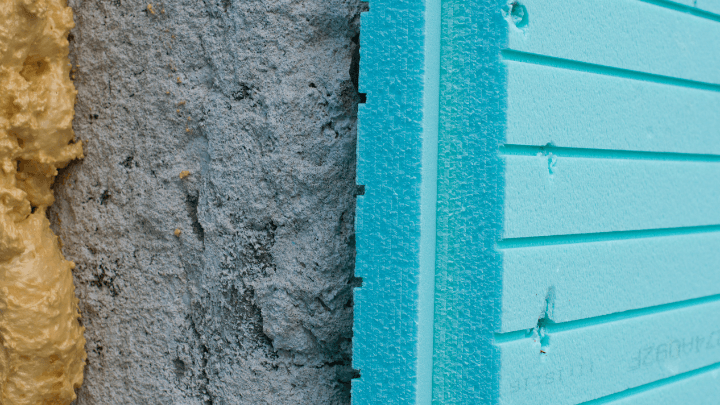
Adhering to the basic principles enables you to determine the sheer value of a soundproofing method. First off, it’s imperative to choose the heaviest insulation material possible. In fact, the denser the material, the greater insulation it’ll provide.
Secondly, you must avoid what is commonly referred to as the “drum effect.” The drum effect, or reverberation, occurs when sound waves reflect off the walls inside a structural cavity. Therefore, whatever it takes, avoid empty spaces at all costs.
Lastly, keep in mind the decoupling principle in insulation. This concept serves as the foundation underscoring the importance of separating the various structural insulation elements to mitigate the spreading of sound where it initially rebounds.
Here are 10 ways to improve your home’s soundproofing.
Top Home Sound-Reducing Insulation Methods
Ceiling Insulation
CAA-Québec recommends and details two ceiling insulation techniques. Here are option-specific guidelines:
Remove drywall to soundproof ceiling:
Remove the ceiling drywall and wood furrings secured to the joists.
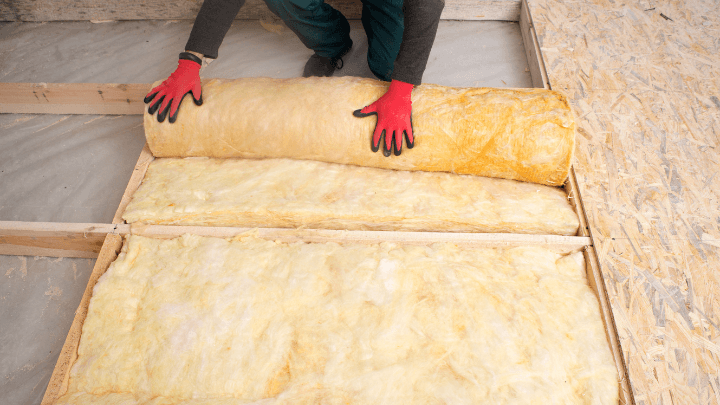
Next, insert insulation (fibreglass, rock wool, cellulose fibre) between the floor’s joists. Fill the cavities.
Secure resilient metal sound clips every 24 inches beneath the ceiling.
Install two layers worth of ½-inch gypsum boards screwed to the studs, ensuring the joints are overlapping by 12 inches or more from one layer to the next.
Apply an acoustic sealant around the entire wall/ceiling juncture between the two layers of gypsum boards to ensure optimal soundproofing.
Insulation without ceiling removal (consists of adding a second layer of gypsum boards to the existing ceiling):
Put in 2 ½-inch standard metal studs, screwing them into every 24-inch of wood furrings on the existing ceiling.
Insert 2 ½-inch of pink fibreglass insulation wool between the studs.
Secure a layer of ½-inch gypsum boards to the studs.
Floor Insulation
If you choose to use a new wall material, it may be best to choose a lightweight one. In fact, the latter has less impact noise.
If you have laminate floors (or a floating floor installation), install an acoustic underlayment beneath it. This type of installation is particularly effective and represents very little financial investment, all things considered. No matter the type of membrane chosen (convoluted foam, rubber, cotton fibre, or polyethylene), avoid selecting one that’s too thin or stiff. Doing so would result in a lesser efficiency in regards to impact noise absorption. Under no circumstances should the board joints shift.
A perfectly insulated floor must be two plywood panels (one measuring ⅝- inch and the other ⅜- inch) nailed together. Under no circumstances should the plywood be nailed to the underlayment, it must solely be placed on it.
If you have hardwood flooring, the most recommended technique consists of double gluing. It means gluing the acoustic underlay directly onto the floor and then adding a layer of flooring atop it.
Check out our insulation and soundproofing guide.
How to Choose an Acoustic Underlay for Your Floor
To mitigate sounds, use resilient materials like an acoustic underlayment, but you must first select the right underlayment. There are two factors to consider: mechanical and acoustic performance.
Mechanical Performance
Homeowners tend to neglect the membrane’s mechanical performance, despite it being complementary to acoustic efficiency. It’s very important to ensure that the chosen product adheres to your flooring’s mechanical criteria in terms of width, density, and internal cohesion.
For that reason, choosing your acoustic underlayment will first depend on the type of flooring you plan on installing (glued-down or floating engineered wood, nailed-down hardwood, vinyl, ceramic tiles, etc.). For that reason, it would be best to focus on specially designed underlayments. Your hired contractor will be able to guide you in making a well-informed decision regarding your soundproofing work.
With this type of renovation project, the slightest error can turn into a vastly pricey one, most notably along the lines of an incompatible flooring underlayment, which can result in the flooring warping, cracking, or lifting in some areas.
Acoustic Performance
If you’re a condo owner, acoustic efficiency will most likely be mandated (typically FIIC 62 and above). However, prior to purchasing an underlayment, determine whether the product’s acoustic testing was done in laboratories or on worksites.
Note that soundproofing tests done in laboratories under ideal conditions systematically result in more effective results compared to tests carried out on worksites. As such, if you purchase an acoustic underlayment with a FIIC 65 rating, during testing, this rating could dip to 57; therefore, remain vigilant regarding this aspect.
Check out our article about floor soundproofing.
Wall Soundproofing
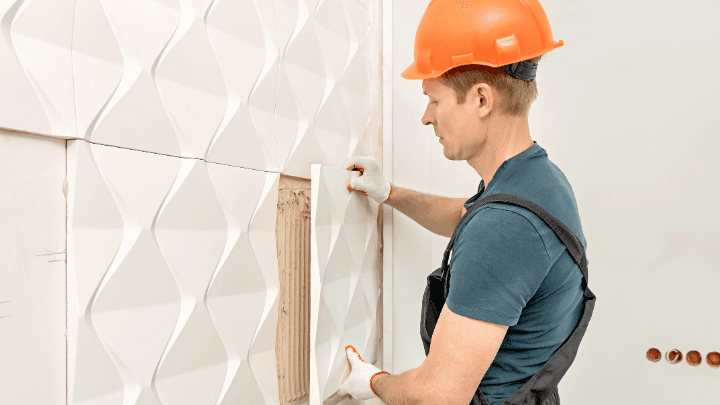
As for methods used to insulate walls—you can insulate walls using double-layered gypsum boards (ideally ⅝ inch thick). This technique is a lot more effective than simply using a wood fibre and gypsum panel.
The double-layered boards must always be installed with resilient channels and never be secured directly to the wall framing studs. This method enables wall insulation without needing to open up the walls.
Another soundproofing option would be to proceed by filling in all cavities with either rock wool, glass wool, or injected cellulose. However, note that injecting cellulose is more expensive as it requires the expertise of a trade professional. Nonetheless, this previous option has a higher degree of efficiency compared to the other options made available to you.
Installing resilient channels is another interesting avenue. It’s a sort of middleman between framing studs and gypsum boards, considerably limiting noise pollution.
Note that using an acoustic sealant is always a good measure, ensuring the walls are air-tight.
How much does the best soundproofing material cost?
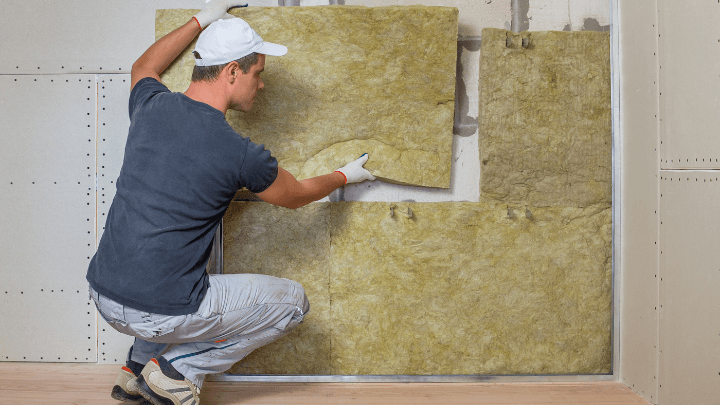
Cost-wise, injecting cellulose comes out to $1 to $3 per square foot for new houses. Plan on spending between $2 and $4 per square foot for already-built homes, as the hired contractor will have to drill through the walls and ceilings to inject at least 12 inches of foam.
On the other hand, should you opt for glass wool, budget between $1 and $3 per square foot. As for acoustic panels, their price point is between $20 and $35 per square foot. Gypsum boards are priced much like the latter. In terms of acoustic flooring underlays, you should be able to manage the costs by spending between $0,50 and $5 per square foot.
How to Soundproof Your Home – Additional Tips
Here’s a little tip to make sure your home is effectively soundproofed: replace all hollow core doors with solid core ones. Ideally, the doors should have weatherstripping on their lower edge.
If you install any moulding or trim, avoid leaving a gap between the wood strip and the flooring. The moulding should rest on the caulking (silicon is most often used) to avoid any gaps causing impact noises.
The lesson of the day when it comes to high-efficiency structural insulation is to do so with at least three resilient materials.
FAQ
What is the most effective soundproofing material?
Mass-loaded vinyl (MLV) is widely regarded as one of the most effective soundproofing materials due to its dense, flexible structure, which blocks sound by adding mass without occupying much space. Its versatility makes it ideal for walls, ceilings, floors, and even air ducts.
How thick should acoustic insulation be if it's in the wall?
Your acoustic insulation should ideally be ⅝ -inch thick if you're using double-layered gypsum boards.
What's the difference between acoustic panels, batts, rolls, and slabs?
Acoustic panels, batts, rolls, and slabs are different forms of acoustic insulation, each serving specific purposes and applications in soundproofing:
Acoustic Panels: These are typically rigid or semi-rigid boards made from sound-absorbing materials. They are designed to reduce echo and improve sound quality in a room by absorbing sound waves, making them ideal for studios, theaters, and conference rooms.
Batts: These are pre-cut pieces of insulation, often made from fiberglass or mineral wool, which can be easily installed between wall studs or ceiling joists. They come in various thicknesses and are effective at reducing sound transmission through walls and ceilings.
Rolls: Acoustic rolls are flexible insulation materials that can cover large areas. They are usually made of fiberglass or rock wool and can be cut to fit specific spaces. They are well-suited for floors, walls, and ceilings, providing both thermal and sound insulation.
Slabs: These are thicker, denser pieces of insulation that provide superior sound absorption and thermal resistance. They are often used in specific applications, such as soundproofing party walls or floors, and are typically available in various densities and sizes.
How to noise insulate a wall?
For effective wall soundproofing, use double-layered ⅝-inch gypsum boards with resilient channels, avoiding direct attachment to studs. This method doesn’t require wall demolition. Alternatively, fill wall cavities with rock wool, glass wool, or injected cellulose (though cellulose requires professional installation and is pricier). Adding resilient channels and an acoustic sealant enhances noise reduction.
Want more information regarding soundproofing? Check out our article Everything You Need to Know About Soundproofing.
Looking for something else?
Related articles
The latest industry news, interviews, technologies, and resources.
Editorial Team
•08 Nov 2023
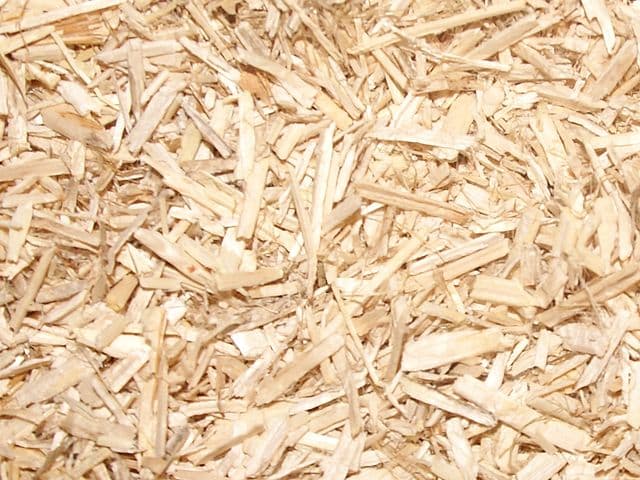
By way of an introduction, it seems relevant to establish that hemp is a plant initially cultivated for its textile fibres. Highly resistant, hemp has appeared in the world of renovation thanks to its numerous and diverse qualities.
Editorial Team
•18 Apr 2024
As technology continues to advance, there are more advanced and environmentally-friendly ways to heat your home during those chilly months. From the wood burning stove to electric and gas heating methods, nothing is perfect. It’s a familiar struggle in winter to want to trap the heat in your home while keeping utility costs down. But, does a heating system exist that is efficient enough to keep fresh air in the home while maintaining a comforting heat level? Enter the heat recovery ventilator!

Christine Simard
•08 Nov 2023
With seasons changing fast, we suddenly feel the urge to redecorate our space. When we think of an idea for a simple, yet drastic change that is both easy and economical, repainting walls seems to be the logical option.
Editorial Team
•08 Nov 2023
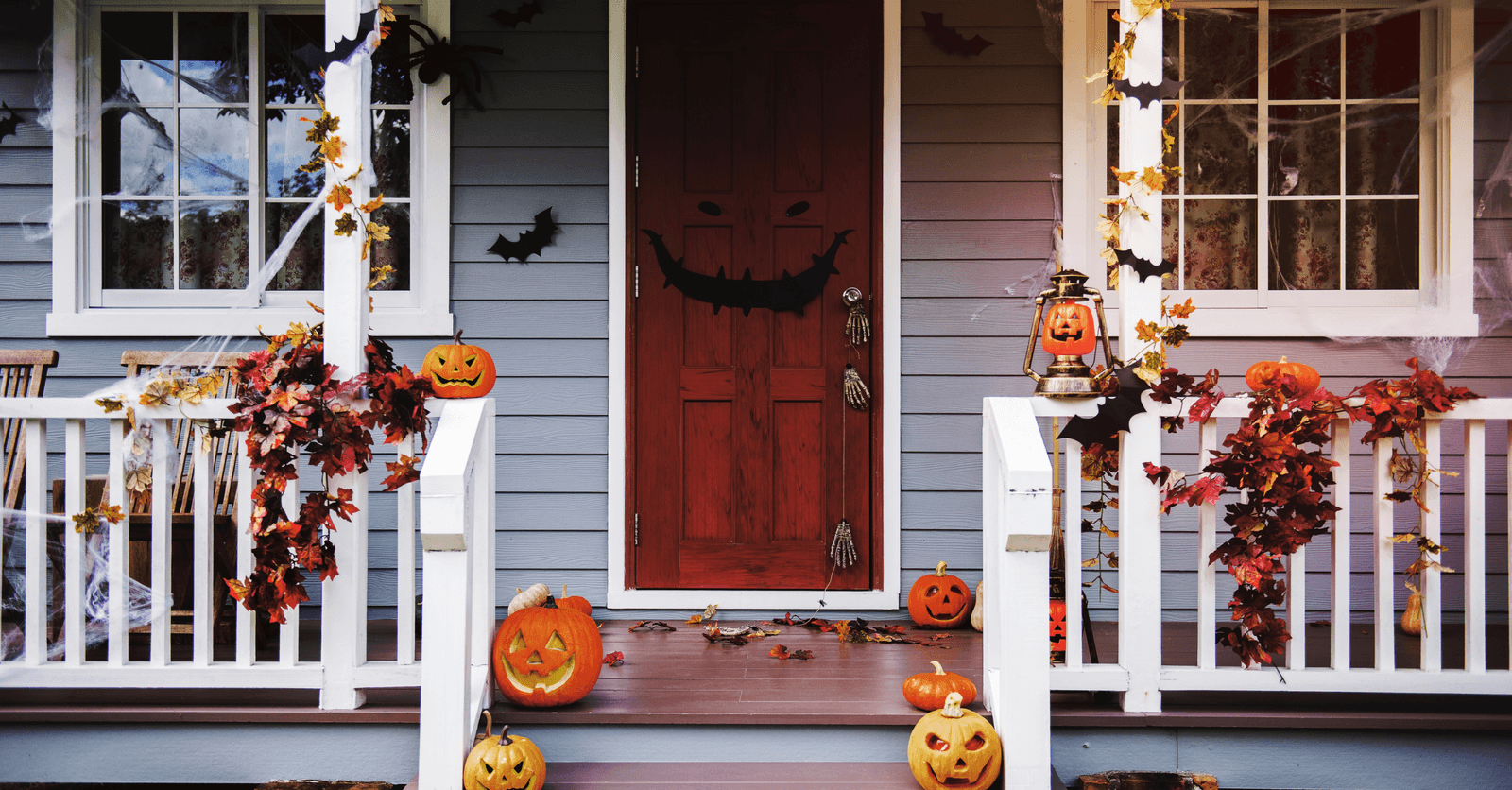
It’s sweater weather, the temperature has taken a turn for the crisp, and the leaves are changing. That's right, it’s about time to start thinking about your Halloween decorations.
Editorial Team
•08 Nov 2023
If you’re living in a mobile home or you’re in possession of one for traveling, chances are you're already well aware of the benefits. A mobile home is a dream for nomads, travelers, and all those in between. If you’re one of the lucky ones who has access to a mobile home, you may feel a little bit stunned by the size of the structure.