Sonotube: What It Is, How It’s Used, and Why It’s Popular
By Editorial Team
Updated on June 16, 2026
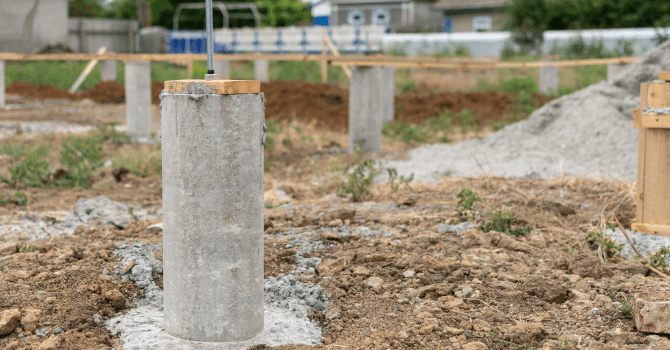
If you’re planning a concrete project—like deck footings, fence posts, a light pole base, or a round column—you’ll often hear people say “use a Sonotube.” In practice, Sonotube is a well-known brand of cylindrical fibre concrete forms used to shape concrete into clean, round columns and footings.
This guide explains what a Sonotube is, where it’s used, the key technical specs you’ll see when shopping in Canada, and the advantages (including cost savings and durability).
Company History and Experience
When it comes to concrete forming, experience matters. The Sonotube brand is backed by the longstanding expertise of Sonoco, a manufacturer with more than 75 years in the industry. This longevity isn’t just a number—it reflects decades of continuous product development, field testing, and adaptation to the evolving needs of contractors, architects, and DIY builders across North America.
Sonoco’s deep roots in the paper and packaging sector have made it one of the world’s largest producers of tubes and cores, including fibre concrete form tubes. Over the years, Sonotube concrete forms have been used on a wide range of projects—from backyard decks to signature commercial builds like Carnegie 57 in New York City and the Genome Sciences Laboratory Building at UNC-Chapel Hill. This proven track record gives specifiers and contractors confidence that Sonotube products will perform reliably, even in demanding Canadian site conditions.
Choosing a brand with this kind of history means you’re not just getting a concrete form—you’re benefiting from decades of practical know-how, consistent quality, and a commitment to innovation that’s kept Sonotube at the forefront of the industry.
What Is a Sonotube?
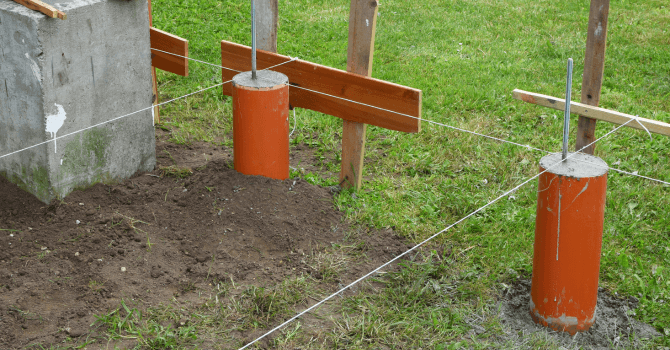
A Sonotube concrete form is a round, spirally wound fibre tube designed to act as temporary formwork while concrete cures into a cylinder. The tube helps the wet concrete hold its shape, and then you strip or remove the form after the concrete sets (depending on the product and finish requirements).
Sonotube vs. Sonovoid: Don’t Mix These Up
If you’re researching “sonotube,” you may also run into Sonovoid round concrete forms. They’re related, but not the same job:
Sonotube: Forms solid round columns/footings (you remove/strip the form).
Sonovoid: Creates intentional voids inside slabs/structural elements to reduce concrete volume and dead load—used in things like bridge decks, beams, piles, and floor/roof slabs.
That distinction matters when you’re ordering materials (and explaining what you need to a supplier).
Common Uses for Sonotube Concrete Forms
Sonotube forms show up in both residential and commercial work, so they’re relevant whether you’re a DIY homeowner, a contractor, or an architect specifying round columns.
Typical uses include:
Backyard decks (round footings/piers) and additions
Fence-post bases, mailbox posts, lamp posts, and basketball goal bases (common DIY use cases)
Structural columns for homes and commercial buildings
Entryway/portico columns and decorative posts
Larger commercial applications like parking garages and other high-finish columns (using smoother-finish form options)
Infrastructure contexts like bridges (column bents) and related forming scenarios
Technical Specifications That Matter When Choosing a Sonotube
Exact specs depend on the product line, but these are the practical details Canadians typically compare at the lumberyard or supplier.
1. Diameter and Length (Standard vs Custom)
Sonotube products come in a range of diameters and lengths—often sold in standard lengths, with custom lengths available through distributors.
Examples from manufacturer literature:
Standard Sonotube round forms: Standard diameters up to 36 in (≈ 914 mm) and 12 ft lengths (≈ 3.66 m)
FinishFree forms (smoother finish): Standard diameters 12–48 in (≈ 305–1219 mm) and standard lengths 12 ft and 20 ft (≈ 3.66 m and 6.10 m)
Commercial forms (heavier-duty): Standard diameters 6–60 in (≈ 152–1524 mm) and standard lengths 12 ft and 20 ft
Builder’s Tube (DIY-focused): Common diameters 6, 8, 10, 12 in (≈ 152, 203, 254, 305 mm) in 4 ft lengths (≈ 1.22 m)
2. Weather Resistance and “RainGuard”
Canadian projects don’t always get perfect weather. Sonotube’s RainGuard technology is positioned as a way to improve durability in wet conditions and reduce common failure risks (like “blowouts”).
For more demanding situations, commercial forms are described as withstanding up to 72 hours of rain exposure (not standing water).
3. Pour Height / Pressure Capability (Commercial-Grade)
For tall columns or demanding pours, pay attention to what the form can handle. Sonotube commercial concrete forms are described as standing up to full liquid head pressures up to 20 ft (≈ 6.1 m).
4. Handling and Storage Considerations
Even “simple” tubes have handling rules that affect results (roundness and finish): store vertically when possible, keep ends covered, and elevate off the ground if stored horizontally.
5. Stripping and Finish Expectations
Standard fibre forms can leave a visible spiral seam pattern.
If you need a smoother architectural finish (common in visible commercial columns), a product like FinishFree is designed to reduce spiral marks and imperfections.
For commercial forms, manufacturer guidance notes that stripping can be easiest 24–48 hours after the pour (timing depends on conditions and mix).
Advantages of Using Sonotube for Concrete Forming Projects

Here’s why Sonotube is widely used across North America:
Cost savings: Compared with building a custom round form, a tube form is typically the most economical route for round columns/footings.
Versatility and ease of use: Works for small DIY footings all the way up to commercial columns depending on the product line.
Durability (including wet-weather toughness): RainGuard and commercial-grade options are designed to stay strong in rain exposure and reduce blowout risk.
Speed and fewer headaches: Ready-made forms can reduce labour time versus building and bracing a round form from scratch.
Reduced logistics: The manufacturer highlights broad distribution in North America, which can help with lead times and jobsite availability.
Customer Support and Contact
If you’re not sure which Sonotube product line fits your pour height, finish requirements, or timeline, contacting support can save rework (and help you find the right distributor faster). Sonoco also points readers to its FAQs for specs and building questions.
How to Contact Sonotube / Sonoco
Use the channel that matches your need:
Find a local distributor (fastest for buying in Canada): Sonoco’s Sonotube FAQ lists a Customer Service line: 888-766-8823 to find the nearest distributor.
General corporate contact / routing: Sonoco’s North America contact page lists 1-800-377-2692.
Local/regional support: Sonoco’s contact page directs you to the locations finder for local contact information (helpful if you want a closer regional team).
Self-serve specs and FAQs: The Sonotube product page provides a downloadable Sonotube FAQ for specs, building questions, and advantages.
Product questions / “talk to solutions” path: Sonotube product pages include a “Let’s Talk Solutions” prompt to start a conversation with Sonoco.
What to Expect (and How to Get a Useful Answer Quickly)
Support typically routes you based on what you’re trying to do—buy locally, confirm product fit, or answer a technical question. For Canadian customers, Sonoco emphasizes North American manufacturing/distribution (which can help with lead times), but availability still depends on local stock and ordering.
Quick Checklist to Include in Your Message or Call
Have this ready before you contact support or your supplier:
Looking for something else?
Related articles
The latest industry news, interviews, technologies, and resources.
Cynthia Pigeon
•25 Jul 2025
Are you considering adding a sunroom to your home, but unsure of the details? Wondering how they differ from solariums or whether they’re a good investment? This article explores everything you need to know about glass sunrooms, from design considerations and construction challenges to their costs and benefits. You’ll also discover how to choose the right glazing and heating solutions to ensure your sunroom is a comfortable, functional addition to your home, no matter the season.
Cynthia Pigeon
•09 Sep 2026
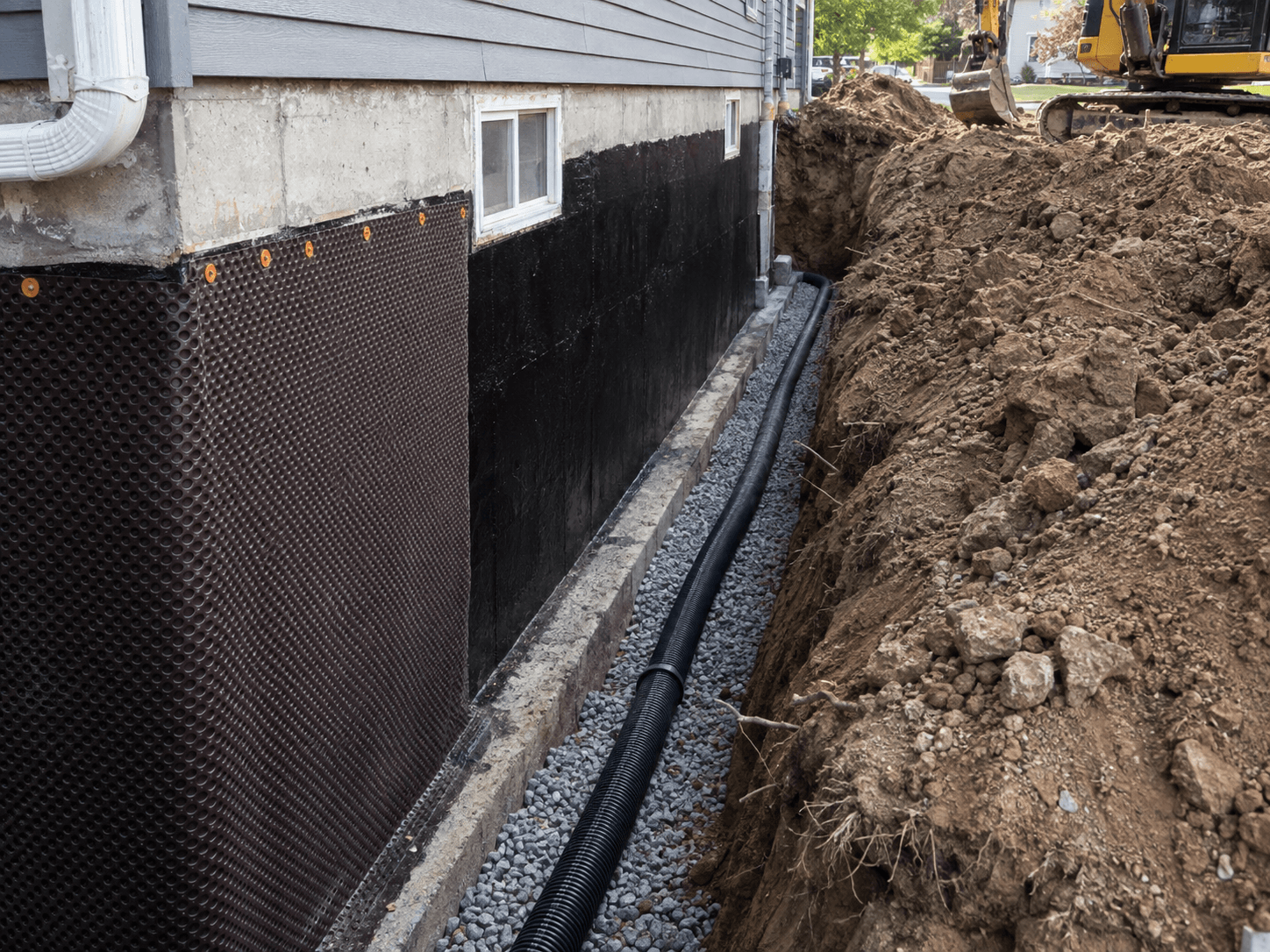
In Quebec, poured concrete and concrete block foundations are exposed to particularly harsh climate conditions. Rapid spring snowmelt, combined with clay or poorly draining soils, can create significant hydrostatic pressure at the base of basement walls. When moisture begins penetrating the structure or water starts pooling on the concrete slab, major repairs may be required.

Editorial Team
•26 Aug 2025
In the construction industry, sharing knowledge and mentoring new talent are essential to ensure a wave of succession and to promote the industry. Given this perspective, virtual mentorships prove to be a promising solution. On account of technological breakthroughs and the onset of custom platforms, you can now benefit from remote expert advice.

Cynthia Pigeon
•08 Nov 2023
Roofing underlayment isn’t a luxury. It’s the one element that guarantees a decent and weather-protected structural design.

Cynthia Pigeon
•08 Nov 2023
One of the most common types of roof in Canada, the gable roof, is all the rage right now, in due part to its modern aesthetic, but also because of the many positive features it adds to a house. So, are you thinking of building a gable roof over your house? If so, you might be looking for more information about gable roofs to know for sure whether you’re making the right choice. Check out the following to learn more about the different types, advantages, coverings, and accessories available for gable roofs.