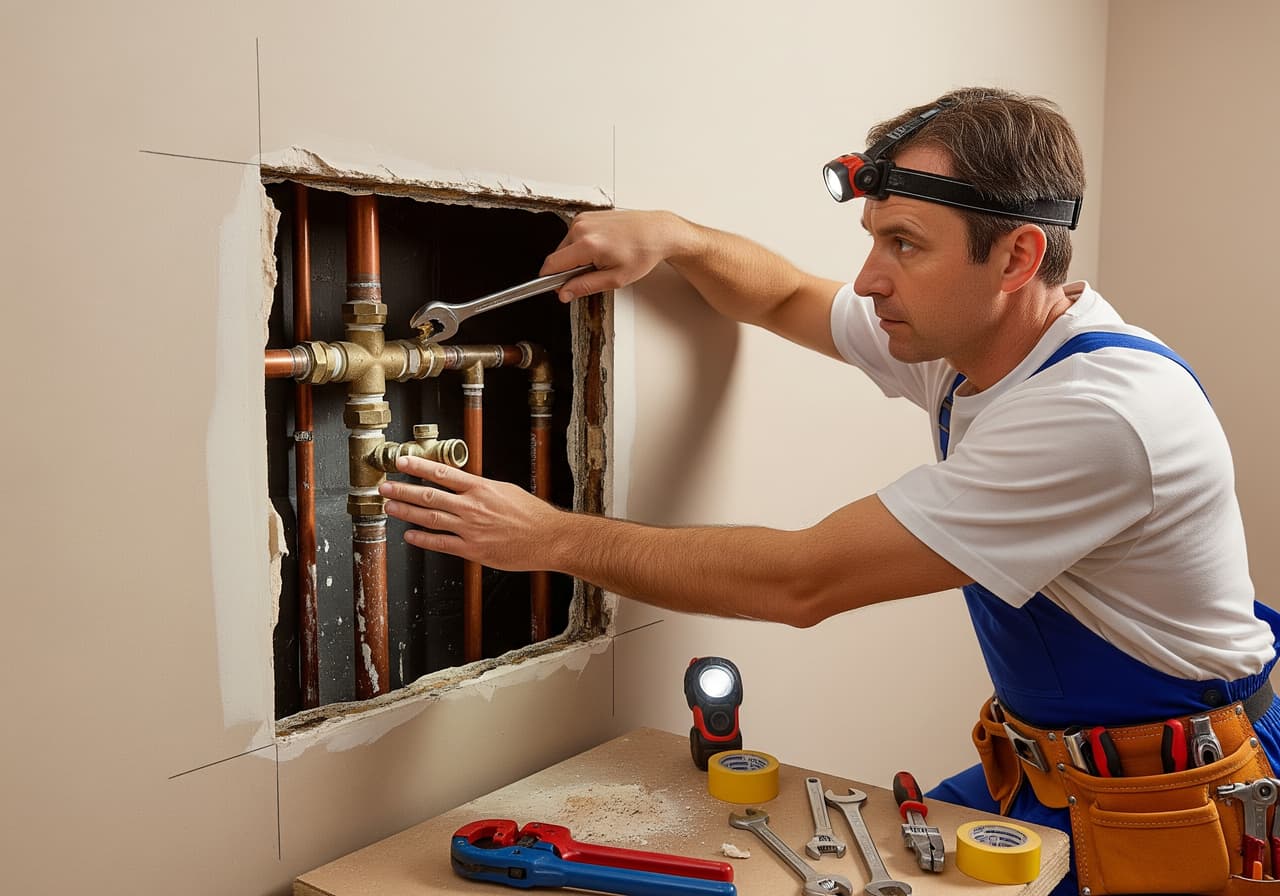
There’s something satisfying about fixing things around the house yourself. Whether it’s tightening a loose handle or patching up a hole in the wall, doing it yourself can save money and give you a sense of pride. But plumbing is a different beast. Water damage happens fast, and sometimes what looks like a simple job can turn messy quickly.
The real trick is knowing where to draw the line—when you can tackle the problem yourself and when it’s smarter to get a licensed plumber involved. Plumbing doesn’t just involve pipes; it ties into water pressure, local regulations, and even insurance. Some fixes are simple. Others can go very wrong if you get them wrong.
If you’re not sure where to begin, looking through plumbing guide 2025 can give you a clearer understanding of what’s involved. Knowing the basics makes it easier to decide how to handle issues like leaks or blocked drains.
Plumbing Jobs You Can Usually Handle Yourself
Let’s talk about the kind of plumbing jobs most homeowners can manage without too much trouble. These are usually low-risk and don’t require anything fancy in terms of tools or experience.
1. Clearing a Slow Drain
A sink or shower that’s draining slowly is usually due to a build-up of hair, grease, or debris. In most cases, a plunger or a drain snake will do the trick. Skip the chemical drain cleaners—they’re harsh on pipes and not great for the environment.
2. Fixing a Leaky Tap
If your tap won’t stop dripping, it’s often a worn washer or O-ring. Replacing one is usually a quick fix with the water shut off. Just make sure you use the correct replacement part and reassemble it properly.
3. Stopping a Running Toilet
A toilet that keeps running after a flush can waste a surprising amount of water. The cause is often a faulty flapper or a float that needs adjusting. Replacement parts are inexpensive and easy to install with just a little guidance.
4. Swapping Out a Showerhead
Changing a showerhead doesn’t involve any major plumbing work—just unscrew the old one, wrap some plumber’s tape around the threads, and screw on the new one. It’s a five-minute upgrade that can really improve your shower experience.
When It's Time to Call a Plumber
Some problems are better left to the professionals, either because they involve safety risks, require specialised tools, or can lead to bigger issues if not handled correctly.
1. Water Pressure Problems
If all your taps have weak flow, the issue may be deeper in your plumbing system or even in your connection to the mains. Diagnosing this isn’t always straightforward, and it’s easy to make things worse if you don’t know what you’re doing.
2. Leaks Behind Walls or Under Floors
A slow drip under the sink might be manageable, but hidden leaks are another matter. Signs like water stains on the ceiling or damp patches on the floor are red flags. These kinds of problems often need a plumber to investigate and repair without causing more damage.
3. Burst Pipes
Burst pipes usually show up suddenly and can cause major damage fast. If it happens, shut off your water supply and call a plumber right away. Trying to repair a burst pipe yourself without the right experience could lead to flooding.
4. Plumbing for Renovations
Planning a new bathroom, kitchen, or laundry? If it involves moving pipes or installing new fixtures, you’ll want a licensed plumber on the job. Even small mistakes can lead to big problems later, especially if waterproofing or drainage isn’t done correctly.
5. Sewer Line Issues
If your drains smell bad or keep backing up, the issue might be in your sewer line. These problems are usually buried underground and may involve tree roots or pipe collapses. This isn’t a job you can solve with a plunger. A plumber can run a camera inspection and figure out the cause without guesswork.
6. Hot Water System Troubles
Hot water systems—especially gas or electric units—are best left to professionals. Aside from safety concerns, there are also legal requirements for licensed work on these systems. You can expect an electric hot water system to last on average between 10 and 15 years, so if yours is reaching that age and acting up, it might be time to replace it.
Repairs and installations should always be done by someone qualified.
Weighing the Cost: DIY vs Calling a Pro
DIY can be cheaper in the short term, but it’s not always the most cost-effective option if things go wrong. If a DIY repair causes a leak, for example, the cost of fixing water damage may far outweigh the original savings.
And don’t forget—some plumbing work must legally be done by a licensed plumber. Doing it yourself can void your insurance if things go sideways, even if the job seems small.
If You’re Doing It Yourself, Keep These Tips in Mind
If you do decide to handle a plumbing fix on your own, take a few basic precautions:
Shut off the water supply before you start.
Have a towel or bucket ready—water has a way of going where you don’t want it.
Use the right tools, and don’t force anything.
Take photos before disassembling anything, so you know how it goes back together.
If something feels off or you’re unsure, stop and call a professional.
There’s no shame in getting help. In fact, it often saves you time and money in the long run.
Know Your Limits, Protect Your Home
Taking care of your home means knowing when to fix something yourself and when to let the pros handle it. With plumbing, it’s especially important to know your limits. A tap washer is one thing—a cracked pipe in the wall is another.
It’s great to be hands-on, and with the right knowledge, there are definitely jobs you can take care of yourself. But when safety, damage risk, or compliance with local rules is involved, a plumber is the best call you can make.
Think of it this way: you don’t have to fix everything yourself to be a capable homeowner. Sometimes, the smartest fix is picking up the phone.
Looking for something else?
Related articles
The latest industry news, interviews, technologies, and resources.
Editorial Team
•05 Sep 2024
Seeing as the bathroom is one of the most frequented spaces in your home, choosing the right shower is not a trivial decision.

Editorial Team
•29 Sep 2026
A whole house water filter installs on your main water line where it enters the home, treating every litre before it reaches a tap, shower, washing machine, or water heater. That whole-home coverage is what separates it from a pitcher or an under-sink unit, and it's why homeowners dealing with sediment, chlorine taste, rust stains, or well water tend to end up considering one.

Cynthia Pigeon
•15 Jun 2026
The cost of a conversion varies depending on the home’s configuration, the electrical work required, and whether the selected system includes a heat pump. In many cases, the bill is higher when major electrical work or a central heat pump is added. Although the provincial Chauffez vert program ended on March 31, 2026, combining current financial assistance programs, such as Hydro-Québec’s LogisVert grant and the federal OHPA program, can help eligible households significantly reduce their out-of-pocket costs, though a residual cost should generally still be expected. Depending on the price of heating oil, the performance of the heat pump, and the characteristics of the building, heating savings can be significant, but they vary from one property to another.

Karine Dutemple
•08 Nov 2023
Like many of us, you've probably spent a lot of time relaxing in your living room. Comfortably seated on your couch, you may be unhappy with what you are seeing when you look around the room. You are then hit with the sudden need to find new ideas to redecorate this much-loved relaxation spot.
Editorial Team
•07 May 2026
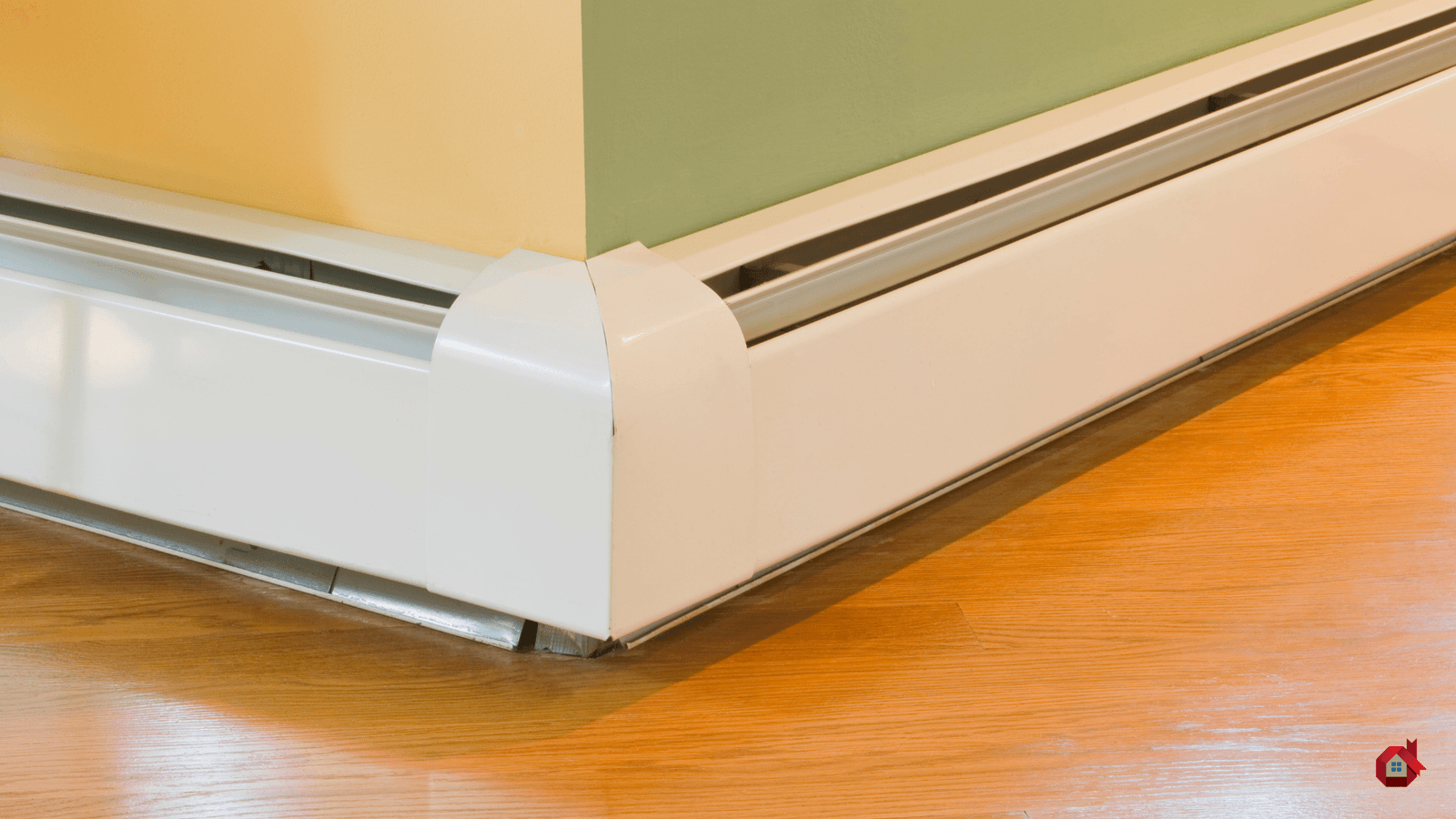
Finding an efficient heating solution is crucial when temperatures start dropping and the cold front is settling in our homes. Electric baseboard heaters have already won over 40% of all Quebec households, and there are plenty of reasons for such a heating system’s popularity.