Key Hardware for Stability and Aesthetics: The Glazing Bead
By Editorial Team
Updated on April 30, 2026
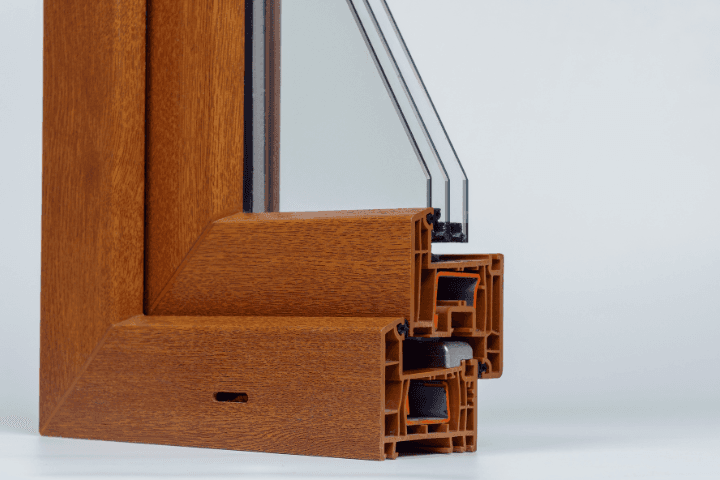
Whether it be PVC, wood, or aluminum window frames, glazing beads are key pieces of hardware, indispensable for holding the glass in place and effectively sealing windows. Here’s everything you should know about this strip of material.
What’s a glazing bead and how is it used?
Definition
A glazing bead is a metal or wooden strip of material that’s most often snapped into position, holding the glazing in the frame’s rabbet cut. Given that information, it ensures the following:
Secures the glazing in place
Acts as insulation
Shields against dust build-up
Adds elegance
Seals the window
Glazing Beads for Exterior Insulation Purposes
Since it’s an integral part of the window, the glazing bead contributes to exterior insulation. Naturally, this hardware’s insulation qualities depend on the material with which the glazing bead is made. Given the latter, note that certain manufacturers retail plant fibre glazing beads, which have a thermal transmittance rating of 0.18 (U-value: just how effective the material in question is as an insulator), measured against the following:
Aluminum: 2.6 W/m²K
Wood: 2.0 W/m²K
PVC: 1.8 W/m²K
We’ll take a closer look at the advantages and drawbacks of each of these materials a little further in the article.
The Aesthetic Value of Glazing Beads
A glazing bead is a vital asset in window aesthetics. It’s retailed in various different profiles:
Standard (rounded edge)
J-shaped
Angular
Three- or five-line shape
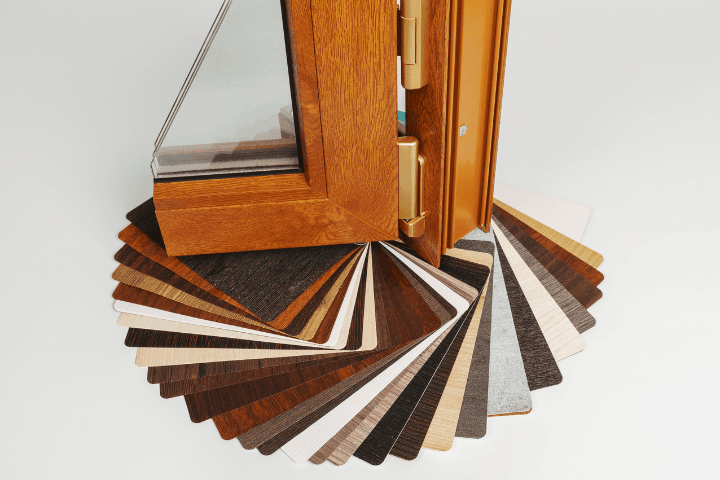
There are many different models, sizes, and colours. You can therefore fit your glazing beads with your window sash, or they could be of an entirely different colour. The choice is yours.
Best Glazing Beads: Wood, Aluminum, PVC, or Steel?
In terms of insulation, as we mentioned earlier, the best out of the four materials is PVC. Not only is it affordable, but it’s also weatherproof. And, since it doesn’t require any sort of upkeep, homeowners especially favour it.
On the other hand, regarding aesthetics, wood wins, hands down, against all other types of glazing beads. Between its traditional appeal and warm aesthetic, it suits all residential architectures.
The only downsides of wooden glazing beads are as follows:
High maintenance
Xylophagous insects
Harsh weather
Hence the importance of regularly varnishing or painting your wooden glazing beads to shield them from the elements.
To bypass the inconvenience of wood, steel is often preferred. Its lack of upkeep doesn’t hinder its weatherproofing abilities (provided that it’s stainless or galvanized steel), while its aesthetic is perfectly coupled with modern architecture.
Aluminum glazing beads benefit from being lighter than steel glazing bars. Note that aluminum and steel have the same upsides:
Low maintenance
Corrosion resistance
Weatherproof
As such, choosing between wooden, metal profiles, PVC, or aluminum glazing beads solely depends on the architecture of your house, your window type, and your desired maintenance and upkeep schedule.
How to Install Glazing Beads on Doors or Windows: Guidelines, Tips & Tricks
It all depends on the glazing bead model in question and the door or window frame onto which it’ll be secured. Some glazing beads are snap-ins like PVC models, while others are screwed or nailed into place like wooden glazing bars. Here's a closer look at how to install PVC glazing beads.
Step 1: Make sure the glass doesn’t fall
The purpose of a glazing bead, whether it’s horizontal or vertical, is to hold the glass in place. As such, keep in mind that once your double-glazed window is positioned, but not your glazing beads, the glass risks tilting over. Therefore, plan to have a friend help you out or figure out a way to install your glazing beads on your own.
To do so, place your glazing beads near where they will be needed for installation. This means your vertical glazing beads should be correctly placed on the left or right side of the window, depending on their mitred point; place horizontal glazing beads near the bottom ledge of the window.
Step 2: Start with the top glazing bead
The most important glazing bead installation step is to secure the glass. To do so, it only makes sense to start by installing the top glazing bead to prevent the glass from falling.
Start three or four inches off the left-hand side corner and slide the glazing bead into place. Then, push with your fingers the glazing bead along the window frame to snap it into position.
Step 3: Proceed with the other glazing beads
Once the top-first glazing bead is secured into place, proceed the same way with the bottom-most glazing bead, then with the left vertical one, and finish the installation process with the right vertical glazing bead.
For large windows, we suggest hiring the services of an experienced glazier. Don’t underestimate the hazardousness of such an installation.
How to Remove a PVC or Wooden Glazing Bead
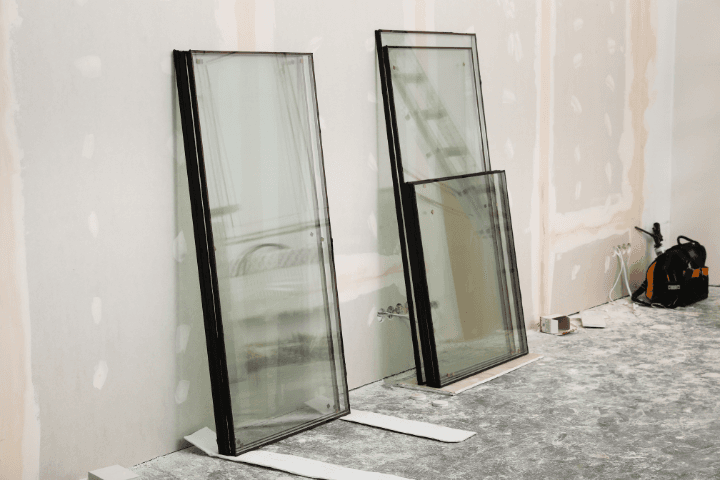
Before removing window glazing beads, make sure the glass is secured into place. Otherwise, it may fall out and severely injure you in the process, as has happened to professional glaziers in the past.
If your glass hasn’t been heat soaked (a process by which tempered glass is heated to prevent the glass from shattering spontaneously during installation), we highly recommend adhering to the following safety guidelines:
Apply an adhesive film over the entire glazed surface to maintain it as a whole.
Remove all the glazing beads prior to pulling on the glass.
Use an industrial suction cup or a mini crane with suction cups for heavier glazing.
Don’t hesitate to hire a specialized service should you not have the material on hand to ensure the glazing is held in position or have enough hands to work safely.
How to Remove Wooden Glazing Beads in Four Steps
Step 1: Gather the right tools
Utility knife
Flathead screwdriver
Pliers
Step 2: Strip the caulk
Using your utility knife, cut the caulk by gently sliding the blade under the glazing bead to create a gap between it and the window frame onto which it's secured.
Step 3: Remove the glazing beads
To remove the wooden glazing beads, insert the tip of the flathead screwdriver under the bar where you cut the caulk.
Move the screwdriver up and down in such a way that the tip of the tool lifts the glazing bead, slowly stripping it from its anchors.
Step 4: Remove nails and shims
Once the glazing beads are removed, make sure to extract all the nails in the wooden strip as well as the old shims. If you deem the shims still decent, you can keep them and reuse them at a later date.
How to Remove PVC Glazing Beads in 5 Steps
Step 1: Gather the right tools
To remove PVC glazing beads, get yourself a heavy-duty scraper or a utility knife as well as a rubber mallet.
Step 2: Start by removing the appropriate glazing bead first
Always start with one of the two longest glazing beads. Why? Because come Step 4, you’ll need to pull on the glazing bead to strip it from the sash. To limit the risk of breaking it, it’s best to start with the longest glazing beads as they’re more flexible.
Step 3: Separate the glazing bead from the frame
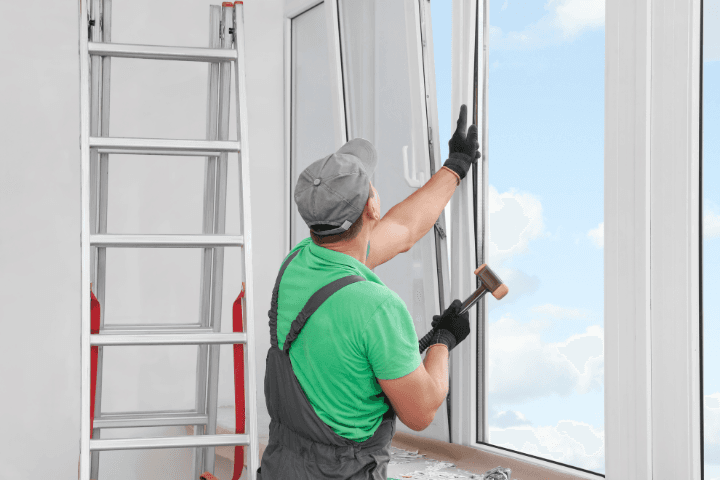
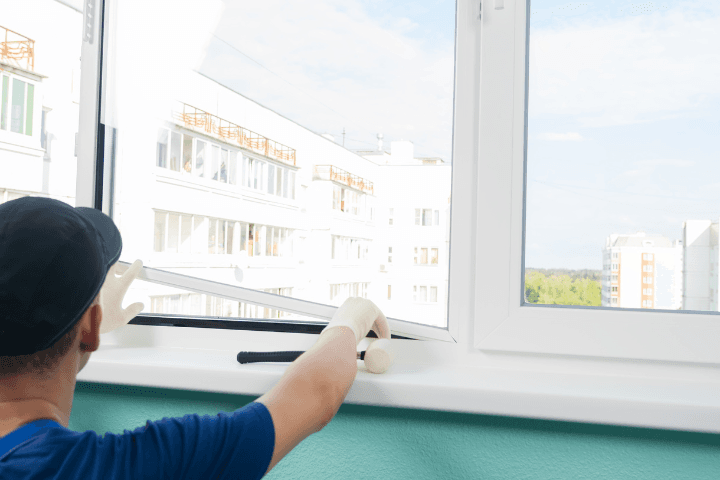
Insert the tip of the scraper or utility knife in between the glazing bead and the window frame. Using the rubber mallet, gently tap on the handle of the scraper or utility knife.
Once the tool is inserted into the gap, you’ll simply need to shimmy it up and down to separate the glazing bead from the frame.
Repeat this step along the entire length of the glazing bead.
Step 4: Use your fingers to remove the glazing bead
If you’ve never removed a glazing bead before, this is where you risk breaking it. Squeeze your fingers in the gap created and pull on the glazing bead to remove it.
To avoid breaking the hardware, gently pull on the material along its entire length until it separates from the frame.
Step 5: Proceed with the other glazing beads
Once the first glazing bead is removed, you won’t really need to use the rubber mallet to insert the scraper or utility knife into the next glazing bead’s gap. Insert the tool once again, moving it in an up-and-down motion.
Once all four glazing beads have been removed, you can change the glass or add new glazing beads.
A Glazing Bead: Key Hardware for Long-Lasting Comfort
Overall, window glazing beads are essential components for both window stability and aesthetics. Whether made of PVC, wood, or aluminum, glazing beads ensure the window’s glass is secured in place, insulated, and shielded against dust build-up, promoting the window’s elegance and affirming its air-tight seal.
When choosing your glazing beads, refer to your aesthetic preferences, your home’s architecture, and your disposition in terms of maintenance. Also worthwhile to consider to make a well-informed decision and to guarantee optimal indoor comfort is the material's exterior insulation efficiency. Glazing beads, if correctly installed and removed using the appropriate methods, can contribute to window durability and efficiency.
Get 3 quotes for your window replacement project
RenoQuotes.com can help you get quotes for your window replacement project. By submitting your project, we’ll put you in contact with top-rated contractors. Fill in the form on the homepage (it only takes a few minutes) and get estimates from trusted professionals.
Dial 1-844 828-1588 to speak with one of our customer service representatives.
Looking for something else?
Related articles
The latest industry news, interviews, technologies, and resources.
Editorial Team
•18 Sep 2026
A patio door costs $1,500 to $5,000 installed in Canada for a standard sliding unit in 2026, with premium and wide-format configurations climbing past $11,000. The most common choice, a 6-foot vinyl slider, runs $1,800 to $2,800 installed.
Editorial Team
•08 Nov 2023
Need to replace your windows but find yourself lost amongst all the existing window models? The awning window may just be the right fit.
Editorial Team
•08 Nov 2023
When it comes down to finer details of home décor, it’s all about the unique and sophisticated. In the modern, streamlined home, these careful particulars are becoming less and less common. Timeless elements are forgotten, and included in this is the classic crown moulding.
Editorial Team
•28 Jan 2026
Window wells are key features used during the construction and planning of basement units. They’re designed to prevent water intrusion and ensure proper drainage around ground-level or underground windows.
Editorial Team
•07 Dec 2023
Are you looking for a heating system that better suits your household and want to know more about forced-air heating system characteristics?