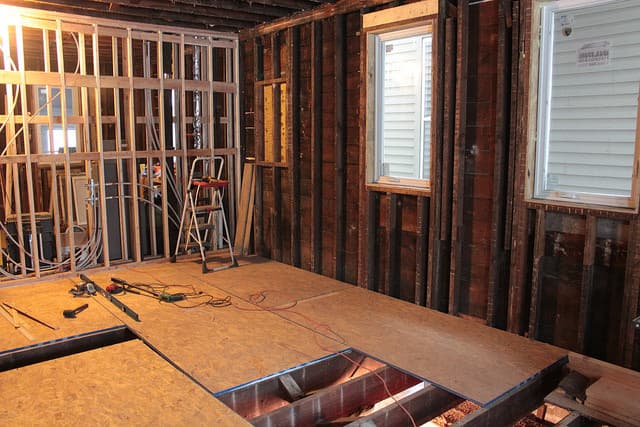
If you’re finding that your floor is squeaking or feels soft underneath your feet even though it’s called hardwood, you may have some issues with your subfloor. Subflooring becomes soft for several reasons, most commonly the penetration of humidity into the material. If this happens, it is important to remove and replace your subfloor to avoid mould and mildew growth.
The removal of your home's subfloor might seem daunting, but this job is simple and requires only a few tools. If you’re hoping to be walking on solid ground in the rooms of your home, then follow our steps and you’ll be all set to replace the floor of your home!
Remove your home's subfloor
Prepare for your Floor Renovation
For this project, you will need a hammer, crowbar or flat prybar as well as a reciprocating saw. When removing the floor of a home, it is important to wear protective eyewear as well as gloves to prevent any splinters from happening. Also, make sure to check for wiring or plumbing that might get in the way before attempting to remove the subflooring.
Remove Flooring Overlay

Source: Wikimedia Commons
Begin the subfloor removal process by peeling back any carpet or floor covering, such as tiling, from overtop the subflooring. If you do this and find floor underlay, such as a layer of particle board on top of the subflooring, then this will also need to be removed. To remove particle board, grab your crowbar and hammer, and using the tip of the crowbar, push between the boards, using the hammer to gently tap the end of the bar. This action should work to lever the boards apart.
Next, you’ll want to wiggle the crowbar further in order to pry the boards free from their place. Repeat this action until you remove everything from the area. The particle board may break into pieces during this process, but this is fine as you'll be throwing it into the garbage afterwards!
Begin Removing Subflooring
Next, locate the placement of nails throughout the subfloor. There should be parallel lines where the subfloor is nailed to the floor joists that are underneath. Again, using the crowbar or a flat prybar, locate the intersection where two pieces are nailed to the floor joist and place the crowbar there.
Using the end of the crowbar, hit the end of the bar hard with a hammer to drive it down between the two intersecting pieces of subfloor. Do not worry too much about chipping or damaging the edges of the subflooring, as you are in the process of removing it!
Pry down on the crowbar, using it to lift the edge of the plywood as far away from the joist as possible. Now that an opening has been created underneath the plywood, insert it into the space as far left and right as it will go. Pry and continue moving down the edges of the board until a sheet or section of the subfloor has been loosened from the underlying joist.
Next, grab the edges of the section or board you have loosened from the joists. Lift it up at a 90-degree angle, and pull the remainder of the nails loose on the opposite side. Now, use a claw hammer to pull out all the nails.
Place this single piece of wood or section that you've just removed over the joists at a skewed angle, as this will act as a safety piece for you to use while removing other pieces of wood.
Finish Subfloor Removal!

Source: Flickr, tzbrown02
Work your way across the floor, removing sections and sliding the safety piece along with you to work from. You can easily remove pieces by inserting the crowbar under the next adjoining piece, and prying it up, continuing to inset and pry until all sides of the board are loose.
If you are finding that certain pieces are stubborn and won't release, try kicking the plywood with your foot while holding it up. If you’re the fragile type and don't feel comfortable kicking, feel free to hit it with the hammer in order to loosen the boards further.
If you’re finding that certain pieces are still sticking, refusing to budge, cut off nails with a reciprocating saw. You can do this by inserting the blade of the saw under the edge of the wood and cutting along the top of the joist to cut nails in half. Following this, the subflooring should lift off no problem.
If there are nails remaining in the floor joists, use the hammer to drive nail heads down below the surface of the wood. Repeat the process until the entire section or room is complete, and soon you'll have a gateway to the surface that lives underneath.
For more information about floors read:
Get 3 renovation quotes for your floor removal project
RenoQuotes.com can help you get quotes for. By submitting your floor removal project to us, we’ll put you in contact with top-rated contractors. Fill in the form on the homepage (it only takes a few minutes), and you will get estimates from trusted professionals.
Dial 1-844 828-1588 to speak with one of our customer service representatives
Looking for something else?
Related articles
The latest industry news, interviews, technologies, and resources.
Editorial Team
•08 Nov 2023
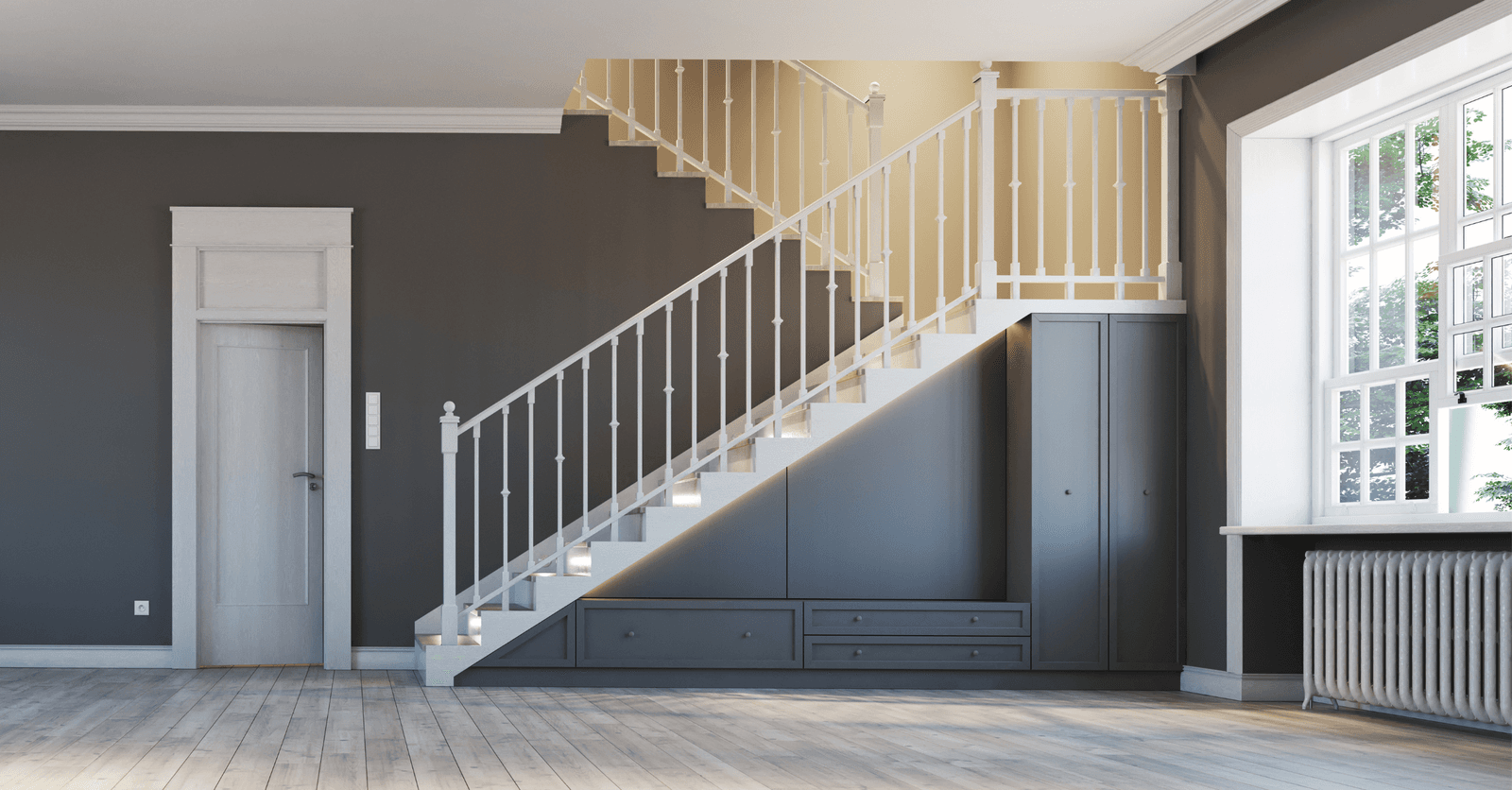
Building a staircase is somewhat of an art form. In fact, a staircase is an architectural feature distinguished by its design. Whether it’s made of wrought iron, wood, concrete, or steel, it has led many skilled professionals to create real masterpieces.

Editorial Team
•16 Jun 2026
More affordable and eco-friendly than traditional homes, tiny houses are transforming real estate by making homeownership more accessible to families with modest incomes. With significantly lower costs than conventional houses, they offer a path to property ownership without a lifetime of debt.
Léa Plourde-Archer
•28 Apr 2026
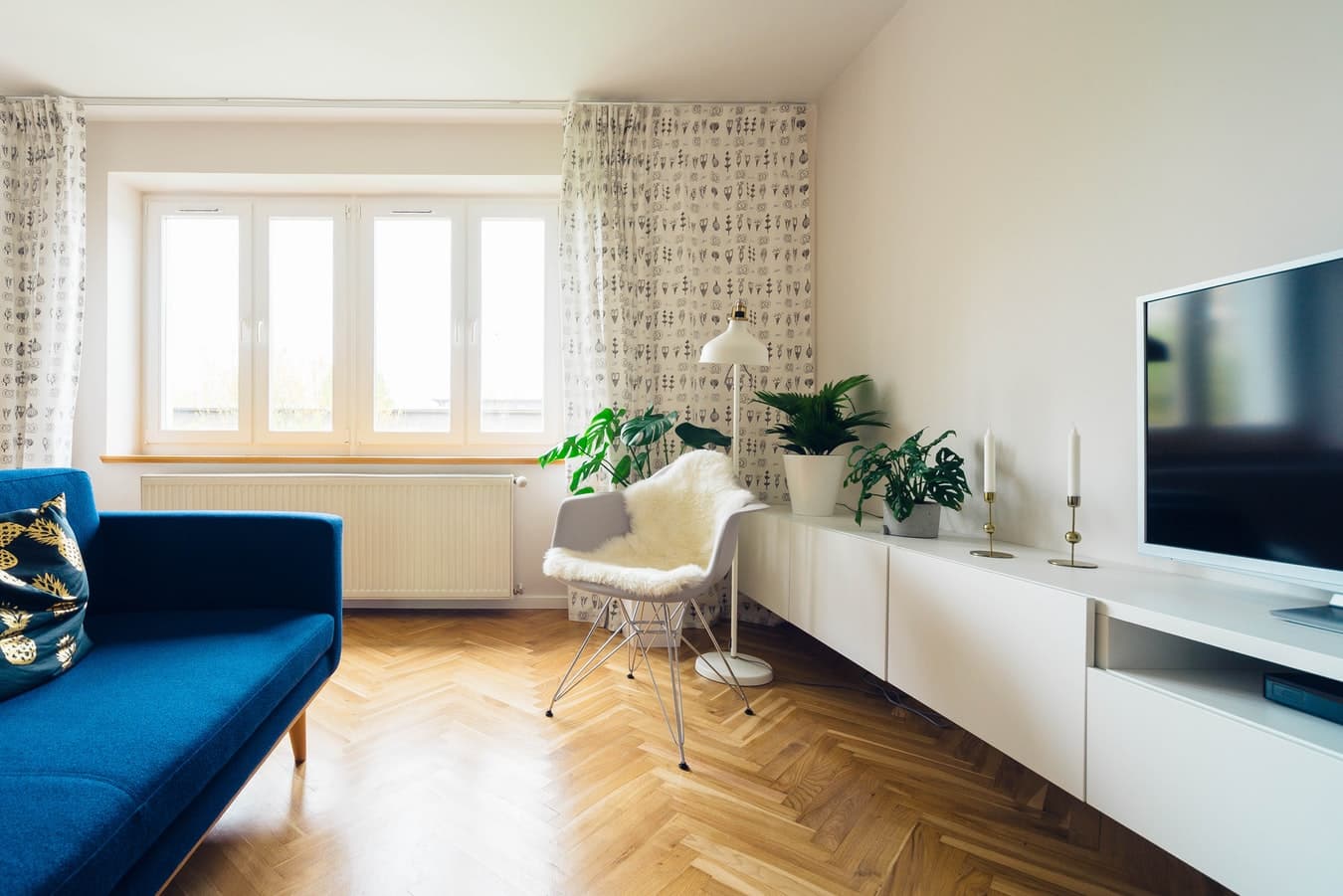
Depending on several factors, installing new floor coverings can either be affordable or incredibly expensive. Here is a list of 9 factors that you should consider to know more about the price of flooring and the reasons that explain why it can vary so much.
Amanda Harvey
•08 Nov 2023
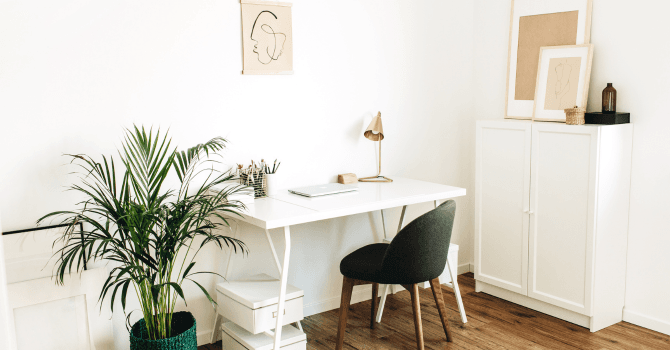
With the advancement of technology, and with many jobs becoming digitized, it's growing more common for people to work from the comfort of their home. Whether you’re a new mother raising a baby while trying to meet deadlines or a person who has decided to branch out and bring that new business venture to life, having an efficient and relaxing home office will allow you to maintain productivity and get the most out of life.
Équipe éditoriale
•29 Sep 2026
No surprise here, interior sliding barn doors are gaining traction with interior designers and homeowners alike. Surely, their functional and stylish nature, suited to any home, regardless of the décor, has something to do with it. Whether it's a single or double barn door, there's no doubt about it, they add a rustic touch to the overall aesthetic without overwhelming the space in question. And, they're retailed in a variety of designs and sizes, tailored to conceal and reveal with an effortless motion.