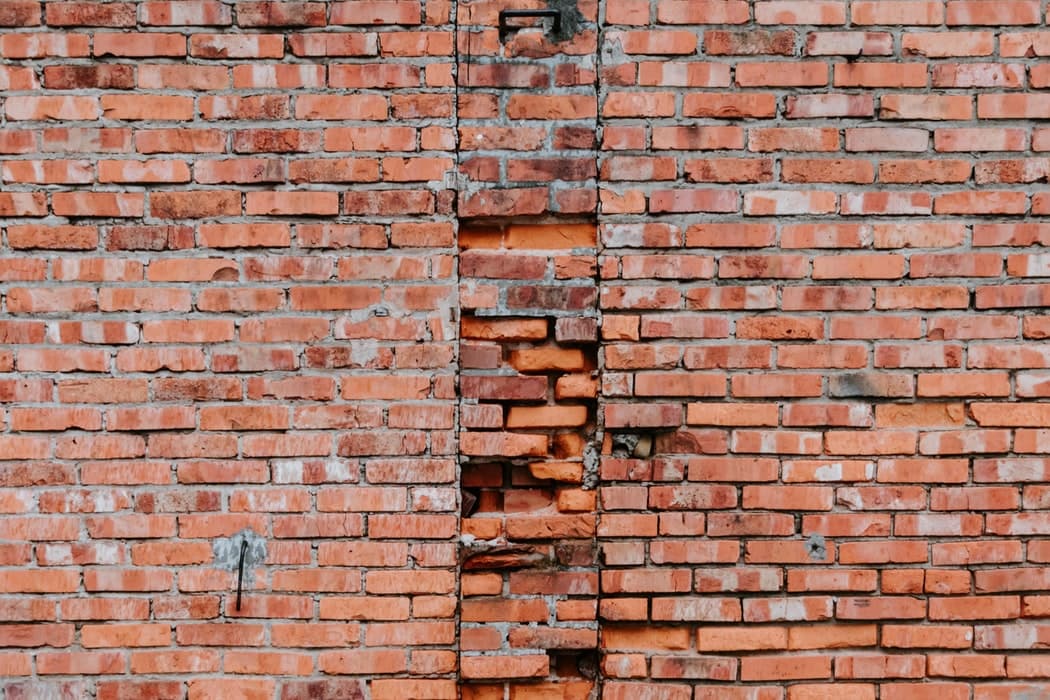
Have you noticed that something just doesn’t look right on your brick wall? Has it seen better days? In the following article, RenoQuotes.com will explain how to replace a brick on your exterior brick wall.
Can I remove the damaged bricks myself?
In this article, we will present the steps to follow to replace worn-out bricks. It should be noted that this type of project is not recommended for beginners who have never done any manual work. It is also strongly recommended that experts be brought in to make a diagnosis as to what may have caused the damage to the bricks. Who knows? Maybe you've got a bulging wall situation on your hands? If this is the case, the replacement process presented below will not provide a long-term solution.
Despite this note, it is still useful to know how to proceed, especially when you receive a confirmation that you only have to replace some bricks.

The tools you will need
Have you decided to go ahead with your brick replacement project? Here is the equipment you will need to collect:
Protective equipment (gloves, glasses);
Drill;
Chisel;
Trowel;
Hammer;
Wire brush;
Brush;
Sponges;
Sealing mortar.
How to remove the damaged bricks
Once you have identified the bricks that need to be replaced, you will have to remove them from the wall. Don’t forget to wear gloves and protective glasses while completing the job.
First of all, you’ll have to use a drill to puncture holes inside the mortar that surrounds the damaged bricks. These holes should be a few centimetres deep and should be set according to a regular pattern. Next, using a chisel and a hammer, dig the mortar around the bricks. Once you have removed most of the mortar, remove the damaged bricks. Always work in the most delicate manner you can manage. If needed, use masonry scissors.
How to clean out the area where the damaged bricks were located
Now empty, the place where the damaged bricks used to be will require a proper cleaning and smoothing process before going on to the next step. Use a metallic brush to clean out the surfaces. This step is extremely important as it will contribute to the fact that you will not run into problems when installing the new bricks.
Next, use a hand brush to clean out the cavity. Don’t forget to use a wet sponge in order to humidify all the surfaces around the area where the brick(s) will be. This will serve to ensure that the new mortar you will apply will stick.

How to prepare the new bricks and install them
If, when you turn over the old bricks, you notice that some of them are intact on the unexposed side, you could reuse them. However, if both sides are damaged, replace them with new bricks that have the same shape and colour.
Be sure to humidify the bricks before you put them in. You can use grouting mortar (also known as anchoring mortar) to stick the bricks to the surface. This product requires you to mix the powdered grouting mortar with water, which you must stir until you obtain a homogenous mix. You will then have to spread the product on the backside of the brick. Do not apply grouting mortar on the face that will be visible on the wall.
After having prepared your bricks, slowly start placing them in the empty spaces. Make sure that they are well aligned with the others. Using your trowel, shape the joints so they match the others, as this will give an optimal result. When you have completed each step of the process, remove the extra mortar. Lastly, don’t forget to clean up the surface using a wet sponge. Congratulations, you’ve replaced your damaged bricks!
For a professional, high-quality result, hire a mason for your masonry renovation project.
How much is a brick replacement done by a bricklayer?
For a professional result, do not hesitate to contact a masonry specialist for your renovation project. On average, the replacement of deteriorated bricks costs between $24-38/linear foot (price is indicative and subject to change).
Get 3 renovation quotes from masonry contractors
RenoQuotes.com can help you get quotes from qualified masons and renovation contractors for your interior brick wall. If you submit your project to us, we’ll put you in contact with the best masons in our contractor network. Fill in the form on (it only takes a few minutes), and you will receive quotes from qualified masons and home renovation companies.
Dial 1-844 828-1588 to speak with one of our customer service representatives.
Looking for something else?
Related articles
The latest industry news, interviews, technologies, and resources.
Cynthia Pigeon
•14 Jun 2024
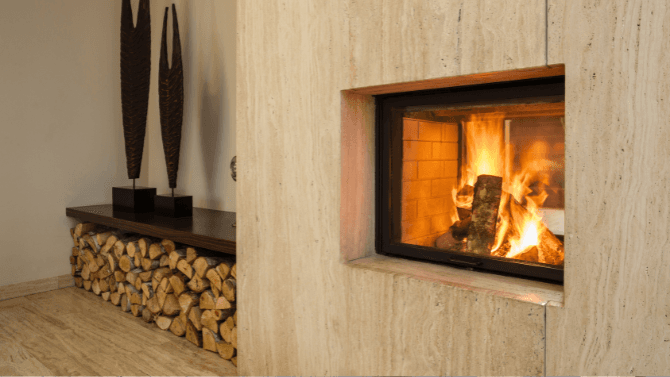
Not only is cleaning your fireplace essential to its proper functionality, but it also contributes to its safe use.
Léa Plourde-Archer
•23 Sep 2026
The renovation sector in Canada is constantly evolving, with new materials, technological advancements, and design concepts tailored to the current needs of citizens. By 2026, a shift towards sustainability, quality, functionality, and value optimization is expected. Furthermore, faced with high housing costs, many homeowners are choosing to renovate their homes rather than relocate.
Editorial Team
•08 Nov 2023
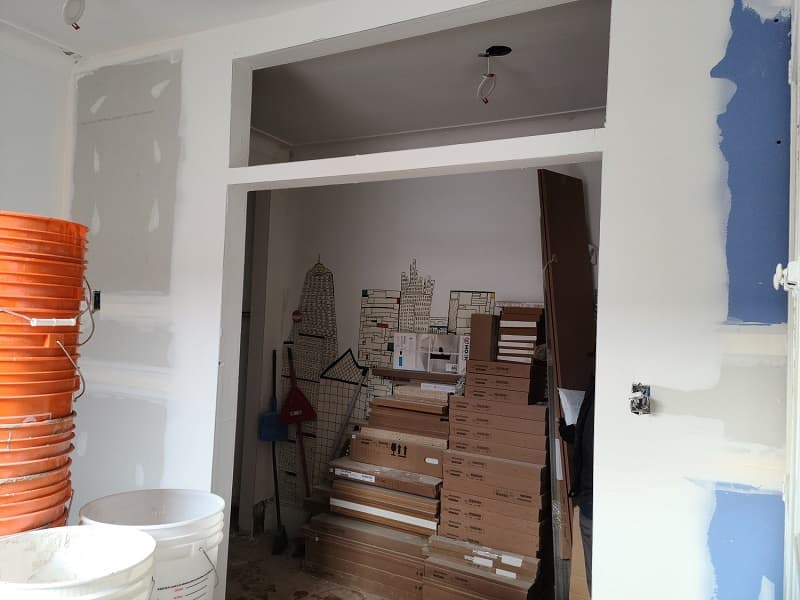
In the previous column, I talked about the first weeks of the project since the contractor has started working on our place. Things have quickly transformed in the home, from demolition to renovating plumbing and electricity, to building a new and larger bathroom.

Editorial Team
•28 Jan 2025
2025 is gearing up to introduce significant changes to Quebec’s construction industry. A lot is happening, from the discontinuation of certain grants or subsidies to the revision of technical regulations, with the emergence of initiatives promoting social inclusion to redefine industry practices in between. How are these changes influencing your projects and your competitive edge? What strategies can you adopt to shape your practices around this new normal? This guide highlights the key changes to anticipate to thrive in this fast-changing environment.

Cynthia Pigeon
•24 Jul 2026
In Canada, your home is more than simply a roof over your head. It is a financial asset that may gain value over time. As you gradually repay your mortgage and, when market conditions are favourable, your property appreciates, you can build substantial home equity.