How to Prevent Water from Getting Into Your Home
By Editorial Team
Updated on August 13, 2024
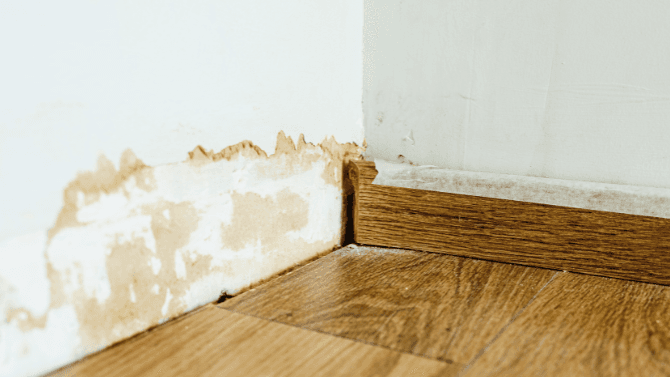
Is water leaking into your house after heavy rainfall? Depending on the situation, it can become a major concern. How can you go about finding the source of the leak? How do you evaluate the severity of the leak? What measures can be taken to limit damages? Here are some key tips for knowing how to protect your home efficiently and prevent future setbacks.
How to Pinpoint the Source of a Water Leak
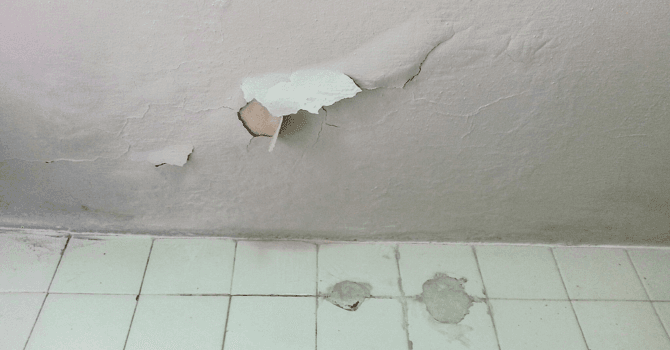
Source: Canva
If the situation at hand isn’t highly time-sensitive, try to find where the water could possibly be coming from. Water can infiltrate houses via a myriad of channels:
Roof
Windows
Fondation
Walls
Walk the perimeter of your property to see if you can spot the source of the leak. Here are some common areas where water tends to infiltrate:
Crack in the foundation
Old, crumbling plaster wall
Clogged or damaged French drain
Damaged or pyrite-affected concrete slab
Faulty roofing (poorly sealed flashing, damaged materials)
Compromised window seals (damaged caulk)
Damaged brick joints (no longer waterproof)
Obstructed gutters
Roof Leaks
The following are signs of a roof leak:
Paint peeling off the walls
Stains on ceilings
Water pooling indoors
Warped ceiling or walls
There are so many factors that can cause water to leak from a roof:
Damaged materials
Clogged gutters
Construction defect
Poorly installed waterproofing fabric
And more
Note that a skilled roofer is trained to find the best problem-based solution.
Water Leaks in Walls
As for walls, signs of a leak can include:
Moisture stains
Mould
Peeling or flaking paint
And could be caused by the following:
Cracked masonry
Faulty caulk joints
Poorly sealed foundation
Water build-up around exterior walls, especially during heavy rains, can aggravate the situation. As such, it’s essential to seek out the expertise of a renovation professional to determine the exact cause and find the appropriate solutions to prevent further structural damage.
Water Leaking Around Doors and Windows
Water leaking around door and window frames is generally a sign of damaged caulking.
The problem could also stem from damaged components that no longer have adequate protective properties (leaky seal, time-worn window glazing shifted in its frame, damaged sliders). Over time, parts wear, so much so that they may crack, allowing water to seep into homes.
If the root cause of the issue is caulking, you can carry out minor repairs with a dedicated sealant. However, bear in mind that patching up on something truly damaged won’t fix it. If you're not sure about the right fix, contact a window and door repair expert.
Water Seeping Through the Foundation
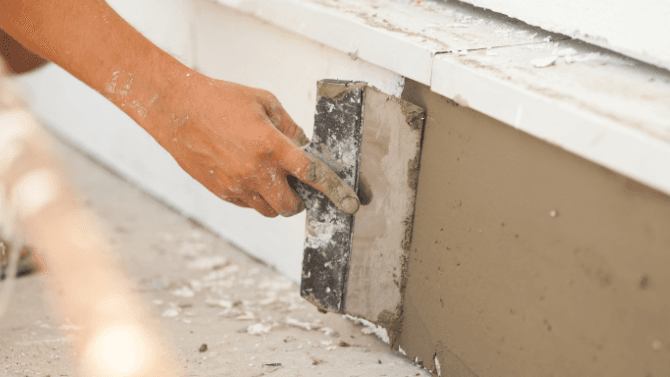
Source: Canva
Come springtime, as the ground thaws slowly, follow a myriad of foundation-adjacent problems. Concrete doesn’t react all too well to temperature changes, meaning it tends to crack, thereby no longer preventing groundwater build-up. And, if your yard has a negative grade—meaning runoff water is channelled toward your house instead of away from it—the odds of experiencing water infiltration are greatly increased.
To prevent water ingress through foundation walls, repair cracks in the roughcast render. If it’s already too late, call an expert; they will determine the severity of the problem and find a suitable fix.
What to Do After a Water Leak?
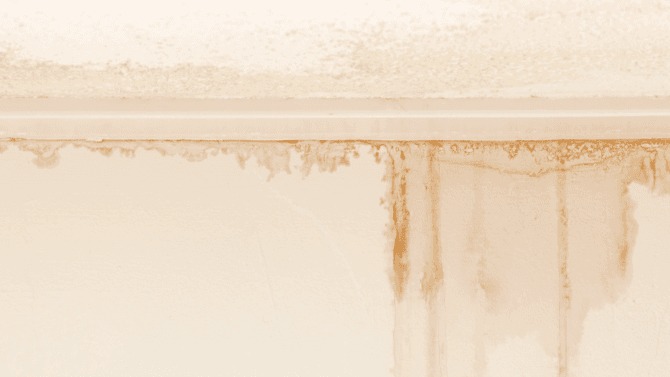
Source: Canva
Given that there’s a plethora of potential water entry points around a house, the odds that you’ll find the source right off the bat are quite slim. When in doubt, call in a skilled contractor or building inspector.
Naturally, if you're standing in the middle of your living room, and both your feet are sloshing around in a puddle of water, prompt renovation work is your best bet, because, at that point, you aren’t dealing with a water leak, but straight-up flooding.
Water leaks, even in the most minor of cases, can lead to more significant damage and hinder the air quality inside your home (caused by mould and bacteria growth).
How to Fix a Basement Water Leak
Should your basement flood, quick and effective action is vital to limit the damage. After a flood or significant water ingress, your first priority should be to secure the premises, assess the extent of the damage, and thoroughly clean and dry the affected areas to prevent mould growth. Repairing damaged elements shouldn’t be the cornerstone of your concern; instead, focus on implementing preventive measures, such as installing or renovating an existing French drain or installing sump pumps, thereby minimizing the risk of future leaks.
Water Leaks: Act Fast, Prevent Damages
No matter the extent of water infiltration, here’s a vital piece of advice: act now, or regret it later. You may struggle to find the root cause of the leak, so instead of driving yourself crazy, call in a skilled professional. If possible, thoroughly clean and dry the affected areas. In the event of extensive damage, contact your home insurance provider before carrying out any repairs. Focus on long-term solutions instead of sweeping your issues under the carpet. Temporary fixes are just that, temporary.
Looking for something else?
Related articles
The latest industry news, interviews, technologies, and resources.

Cynthia Pigeon
•30 Apr 2026
Across Canada, the cost of an asbestos test for a residential property typically ranges between $200 and $950. A simple DIY sampling kit costs around $200, while a full professional inspection with a certified report generally falls between $500 and $950. Testing materials before any demolition or renovation—especially in homes built or heavily renovated between 1930 and 1990—is a critical step to protect occupants’ health and ensure compliance with occupational health and safety regulations.
Editorial Team
•21 Nov 2024
In keeping with tradition and spanning eras, stunning without fail courtesy of its timeless appeal, a wooden staircase still needs, without a doubt, an eventual facelift to maintain its beauty. Before applying a new coat of paint or stain, stripping the wood is an essential step. How can you go about this sort of project, abiding by good practices, without damaging the wood? What are the most effective methods of stripping a wooden staircase? Keep reading to discover the best practices and techniques to revamp your staircase.

Editorial Team
•20 Sep 2024
Artificial turf is thought to be easier to maintain compared to natural grass and more durable. Myth or fact? How can you settle for one over the other? Also, what are the advantages and drawbacks of these two types of lusciously green surfaces? Keep reading to find out!
Editorial Team
•15 Nov 2024
Ethanol fireplaces are increasingly sought-after, making for an aesthetic and odourless solution to create a warm ambiance. Unlike conventional fireplaces, such units don’t need a chimney or direct vent, streamlining their installation. Smoke-free, chimneyless, nothing but a gentle warmth inside your home. This article will focus on the benefits of ethanol fireplaces. Amongst all the different types of fireplaces out there, “Ethanol fireplaces are best suited for ambiance purposes,” states Stéphanie Ouimet, an Eco-Feu representative.

Editorial Team
•08 Nov 2023
Amongst all the home heating options available out here, propane heating has numerous advantages, which we’ll detail in this article.