Choosing a varnish for your wood floor
By Amanda Harvey
Updated on November 8, 2023
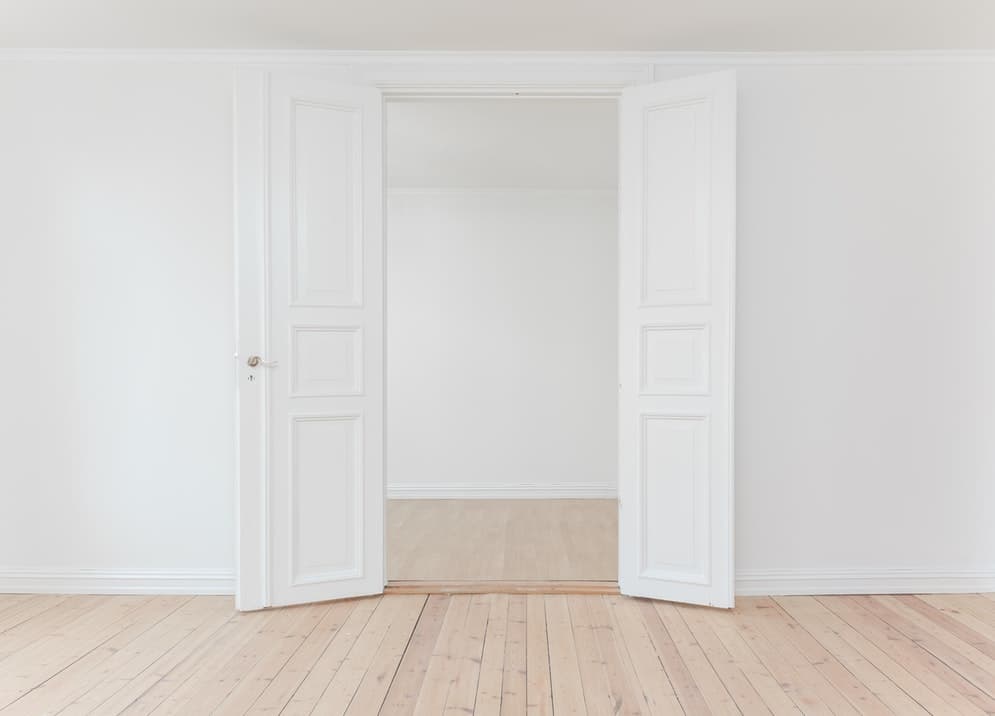
Renovating a wood floor can completely change the look of a room and add some much-needed charm. While sanding is often the part of the project where attention is focused, choosing a varnish is actually more important to achieve your desired finish. To understand this project a bit more clearly, here are the different options available on the market.
How to choose a wood floor varnish

source: unsplash
What is a volatile organic compound?
Volatile Organic Compounds (VOCs) are substances that are derived from hydrocarbons and are released into the environment. Affecting both the air quality as well as the health of humans, VOCs such as acetone, ethanol, butane and so on, have serious effects and can lead to asthma problems and in the worst-case scenario, cancer. These serious consequences have motivated the Canadian Government to control the amount of VOCs available in varnishes on the market.
Effective as of September 9th, 2010, the new legislation imposes a limit of 350 g VOC per litre for all varnishes manufactured in or imported into Canada. Further, their sale has been prohibited since September 9th, 2012. This information is important to bear in mind when shopping for varnishes.

The different types of wood floor varnishes
1) Water-based varnish
There are many advantages to choosing a water-based varnish. We will start by emphasizing that water-based varnishes are known for containing a very low rate of toxic products. Also, these varnishes are known for their ability to avoid yellowing over time, while also drying quickly during application. In addition, they are easy to maintain. When first developed, it was widely deplored that water-based varnishes had issues with resistance. However, newer water-based varnishes do not face these challenges. Their current degree of resistance allows them to be on par with urethane varnishes.
However, it is important to keep in mind that water-based varnishes react to calcium. Therefore, if you’re using it in a place where the floor might accumulate a certain amount of calcium, then you should consider applying an anti-calcium sealant. In another vein, the application of a water-based varnish involves waiting at least 1 month before the floor can be washed. This is an important point if you plan on applying the varnish in an area which frequently gets dirty.
2) Oil-based varnish

source: unsplash
While oil-based varnishes once referred to polyurethane and urethane-based coatings, it is important to note that these have been banned in Canada because of how highly toxic they are. Currently, oil-based varnishes only concern polyurethane-based varnishes. If you find them being sold somewhere, we would suggest that you avoid them at all costs due to their high toxicity.
Although an oil-based varnish will keep its lustre for many years, it often yellows. Also, it takes a considerable amount of time to dry, and this could be anywhere between 16 and 24 hours. Moreover, it is impossible to praise oil-based varnish's resistance. In fact, the main advantages to choosing this type of varnish are its' affordable price as well as the ease of application, which can be completed with a roller.
3) Alcohol-based varnish
Also containing a certain amount of toxic substances, alcohol-based varnishes stand out from the others mentioned because of their high resistance. Self-taught renovators appreciate the diversity of the finishes as well as its ability to preserve the natural look of wood. Additionally, alcohol-based varnish dries very quickly, usually needing approximately 1 to 2 hours.
From an environmental point of view, alcohol-based varnish is not an optimal choice. However, it is possible to counter the effect of its toxicity by opening the windows during the application process.
The price to varnish a wooden floor
Let us first note that the price for varnishing a floor can vary depending on the type of product used, the addition (or not) of dye and the work that takes place before the varnish is applied. Cost variations may also occur if the floor is already varnished and the finish needs to be removed. The prices cited in the following table are examples and only serve to give a general idea of what you can expect:
Type of varnish and/or work | Average prices (products and labour) |
Low-end varnish and sanding | $1.50 to $1.75/ square foot |
Standard varnish and sanding | $2 to $2.50/square foot |
High-end varnish (high traffic areas) | $3 to $3.50/square foot |
Adding dye | approximately $1/square foot |
Floor repairs | $10 to $40/floor board |
Get 3 renovation quotes for your flooring renovation project
RenoQuotes.com will put you in contact with 3 reliable contractors for your floor covering renovation project. Fill in the form on our homepage (it only takes a few minutes), and you will receive quotes from trusted professionals.
Dial 1-844 828-1588 to speak with one of our customer service representatives
Looking for something else?
Related articles
The latest industry news, interviews, technologies, and resources.
Editorial Team
•08 Nov 2023
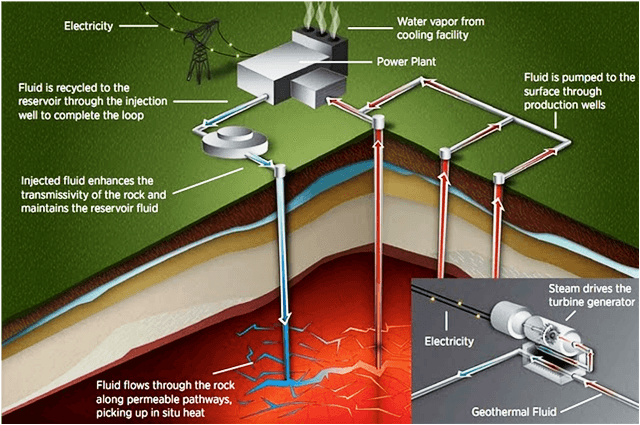
The globe is becoming more environmentally conscious, taking responsibility for the wear and tear humans impose on our planet. Thus, it should be no surprise that sustainable energy sources are being used by homeowners more widely, and one of the sources growing in popularity is geothermal energy.
Amanda Harvey
•08 Nov 2023
Industrial style is excellent for the homeowner who is looking for a concept that lacks any sort of pretentiousness. The visual appeal and charm of industrial style lie in its ability to showcase utilitarian surfaces, stripped-back architecture and salvaged objects. If you’re looking to celebrate humble materials, then this is the home decor option worth considering!
Cynthia Pigeon
•05 Dec 2025
You are renovating your home and now comes the time to change your floors. After careful consideration, you choose a rather classic, hardwood that adds light and character to your main living area: ash. This type of wood is an ideal choice as it constitutes a wise investment given it is cost-effective and durable.
Amanda Harvey
•08 Nov 2023
Rain gutters aren’t the most glamorous part of your home's exterior. They work hard to collect and carry rainwater away from the roof of your home but most homeowners pay little mind to these important structures. Gutters, also known as eavestroughs, work to keep basements or crawl spaces from collecting water. Therefore, they’re crucial in maintaining the structure and both the interior and exterior surfaces of your home.
Cynthia Pigeon
•08 Nov 2023
Flooring options must adhere to the environment in which they are installed. Since wood typically has a low moisture threshold, wood and moisture are a notoriously bad fit. That being said, there are hardwood flooring options, as well as finishes, that are suitable for even the most humid of areas.