10 Examples of Multi-Generational Homes
By Léa Plourde-Archer
Updated on February 12, 2026
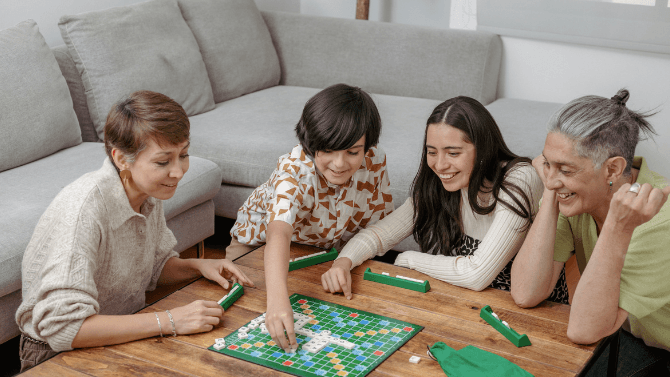
In the past, families often lived together across generations due to limited senior housing and childcare options. Over time, single-family households became more common, but now multigenerational homes are resurging. Factors like rising housing costs, family changes, and longer lifespans are driving renewed interest in intergenerational homes and other multi generational housing options.
Get Your Project Started Today
Submit your details and receive three free quotes from trusted contractors.
There is no single way to design a multigenerational home; homeowners can select layouts and designs that fit their family's needs and privacy preferences. Here are some popular and inspiring choices.
Common Types of Multi Generational Homes
A home with a separate basement apartment
A yard with two separate homes (equal size or a main house with a tiny house)
A property with two connected homes (semi-detached or linked by a corridor)
A large shared home with designated private zones
A duplex, triplex, or quadruplex with individual units
A home extension added to an existing property
10 Examples of Bi-Generational and Multi-Generational Homes to Inspire You
1. Two Single-Family Homes on One Property
A property with two detached homes is a classic example of a multigenerational house. Typically, the larger home accommodates the family with children, while a smaller dwelling is designed for grandparents.
Shared outdoor spaces—such as a patio, pool, or garden—encourage family interaction while preserving independence for each household.
2. A Basement Apartment for the In-Laws
A basement suite is one of the most popular forms of intergenerational housing. When designed properly, it can provide privacy, accessibility, and comfort for older family members.
Homeowners renovating an existing property often focus on maximizing natural light and adding a separate entrance to make the space feel like a true home rather than an afterthought.
3. A Bi-Generational Home With a Ground-Floor Apartment
This layout includes two distinct living spaces within a single structure, often connected by optional shared areas. The design allows families to live together or separately depending on changing needs.
Eco-friendly materials, open layouts, and adaptable floor plans make this type of bi generational house especially appealing for long-term living.
4. Shared and Private: Two Connected Homes
Connected homes—linked by a hallway, breezeway, or shared room—offer a balance between proximity and independence.
Families can maintain separate routines while still being close enough to provide daily support, making this a practical form of multigenerational housing.
5. A Multi-Family Townhouse
Urban multi generational homes are becoming more common, especially in high-density areas. Townhouse-style properties can house multiple generations while minimizing land use.
These projects often require creative architectural solutions to comply with zoning restrictions while still meeting family needs.
6. A True Two-in-One Family Home
In this configuration, multiple generations share a single structure with both private and shared spaces. Workshops, terraces, and storage areas are often communal, while living quarters remain separate.
This type of generational home works well for families who value daily interaction without sacrificing personal space.
7. A Manufactured Intergenerational Home
For families unable to find the right property, building from scratch is a strong alternative. Manufactured or pre-designed intergenerational homes offer flexibility, efficiency, and faster construction timelines.
Buyers can choose layouts with separate entrances, kitchens, and living areas tailored to their family structure.
8. An Ultra-Modern Shared Home
Contemporary architecture lends itself well to multigenerational homes, especially when zoning allows larger footprints.
Modern designs often divide the house into functional zones—sleeping areas, shared living spaces, and secondary bedroom wings—ensuring comfort for everyone under one roof.
9. An Eco-Friendly Bi-Generational Home in Canada
This Canadian example of multigenerational housing blends sustainability with smart spatial planning. One generation occupies a single-storey section, while the younger family lives across two floors.
Energy-efficient materials and thoughtful orientation make this type of bi generational house both environmentally and financially sustainable.
10. A Warm and Cozy Intergenerational Home
Designing a multigenerational home in a dense urban area requires creativity. Multiple terraces and garden spaces can compensate for limited land while encouraging shared family time.
Separate suites within the same structure ensure privacy for grandparents while keeping them close to younger family members.
Lifestyle Considerations in Multi-Generational Homes
Living in multigenerational homes means sharing daily life with extended family, an arrangement that can be both deeply rewarding and occasionally challenging. One of the most important lifestyle considerations in any multi generational home is striking the right balance between togetherness and privacy. Many families achieve this by creating private suites, secondary units, or separate entrances for each generation, allowing everyone to maintain independence while remaining close enough to support one another.
Shared spaces—such as kitchens, living rooms, and outdoor areas—often become the heart of intergenerational homes, encouraging regular interaction and stronger family bonds. At the same time, thoughtful planning is essential to reduce friction. Design features like soundproofing between units, flexible room layouts, and multiple bathrooms can significantly improve comfort and day-to-day harmony in a multigenerational house.
Adaptability is another key factor in successful multigenerational housing. Family needs naturally evolve as children grow older, parents retire, or grandparents require additional care. A well-designed intergenerational home can adjust to these changes over time. Many multi generational homes incorporate aging-in-place features such as ground-floor bedrooms, wider doorways, or even residential elevators to support long-term mobility and accessibility.
Ultimately, lifestyle success in multigenerational homes depends on open communication, mutual respect for personal boundaries, and spaces that support both shared living and individual routines. When design and family expectations are aligned, a multi generational home can offer a flexible, supportive, and fulfilling living environment for all generations.
Municipal By-Laws Regarding Building Multigenerational Homes
Before building or renovating multigenerational housing, it’s essential to understand local municipal regulations. Zoning, density limits, parking requirements, and secondary suite rules vary widely from one city to another across Canada.
Always confirm requirements directly with municipal authorities and keep written documentation of the information you receive. While architects and contractors are usually familiar with local regulations, by-laws can change, so independent verification is critical when planning a multi generational home.
Multigenerational Homes FAQ
What are the benefits of living in a multigenerational home?
Living in multigenerational homes offers financial savings, emotional support, and stronger family bonds. Shared responsibilities such as childcare and household tasks can significantly reduce stress, while thoughtfully designed layouts preserve privacy and independence.
What are the disadvantages of multi generational homes?
Challenges may include reduced privacy, differing lifestyles, and the need for clear household agreements. Open discussions about finances, responsibilities, and boundaries are essential to maintaining harmony in any multi generational home.
How common are multi gen homes in Canada?
Multigenerational housing is growing rapidly in Canada. According to the 2021 census, there are nearly 442,000 multigenerational households—an increase of about 50% since 2001. Rising housing costs, an aging population, and cultural preferences all contribute to this trend.
What Is the multigenerational home renovation tax credit?
The Multigenerational Home Renovation Tax Credit (MHRTC) is a refundable federal tax credit introduced in the 2022 budget. It provides 15% back on eligible renovation costs, up to a maximum of $50,000, for creating a secondary unit for a qualifying relative.
Looking for something else?
Related articles
The latest industry news, interviews, technologies, and resources.
Editorial Team
•04 Oct 2024
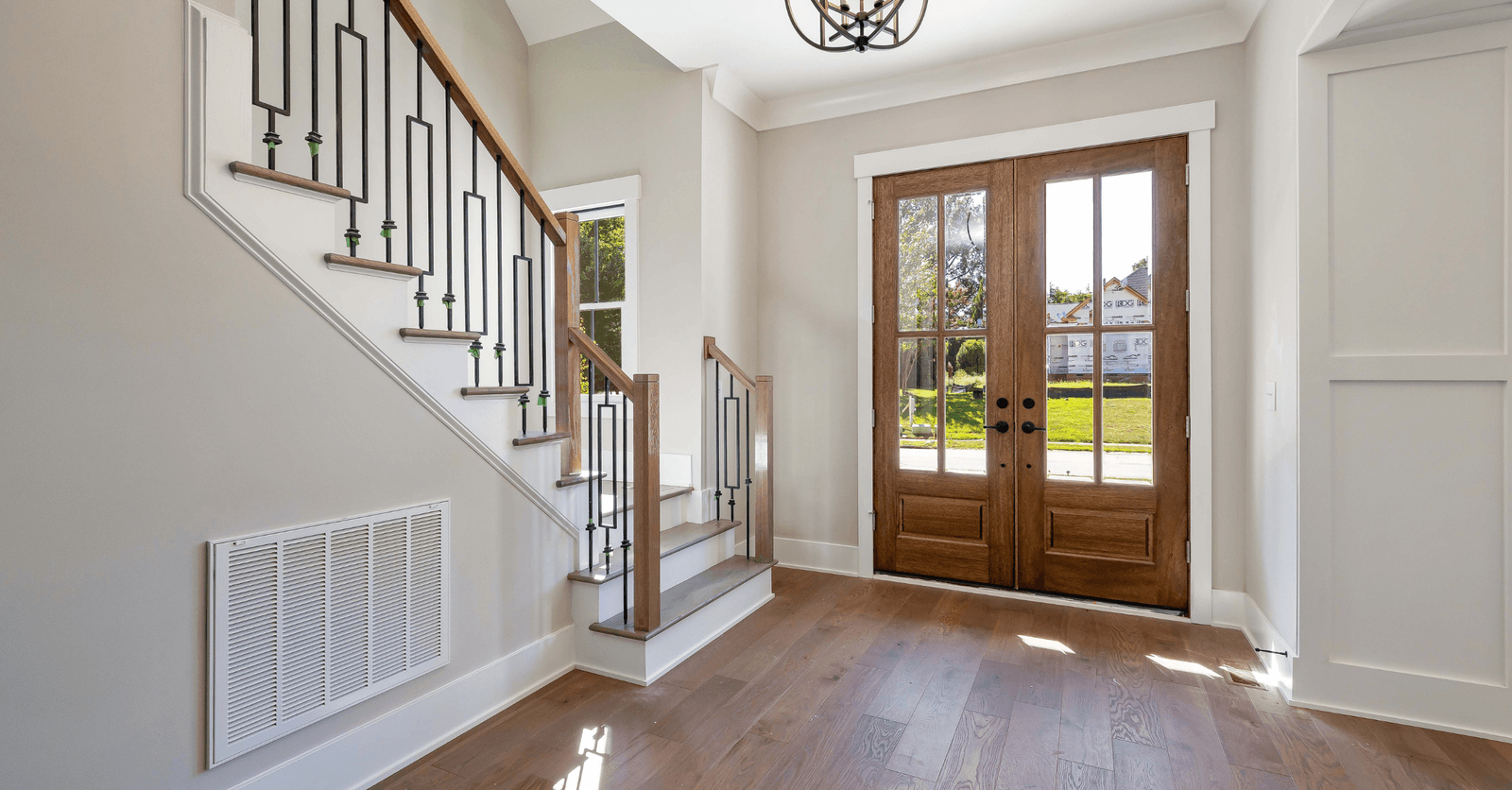
The entrance of a home is a space often neglected when considering the overall layout. We don’t spend so much time in this space, as we commonly pass through it quickly when coming or going. Of course, we underestimate the extent to which the layout of our entrance can have a considerable impact on our quality of life.
Editorial Team
•08 Nov 2023
Nowadays, condo living is about as commonplace as living in a home. Many are adopting this lifestyle for a variety of reasons: comfort, ease, affordability and so forth.
Amanda Harvey
•08 Nov 2023
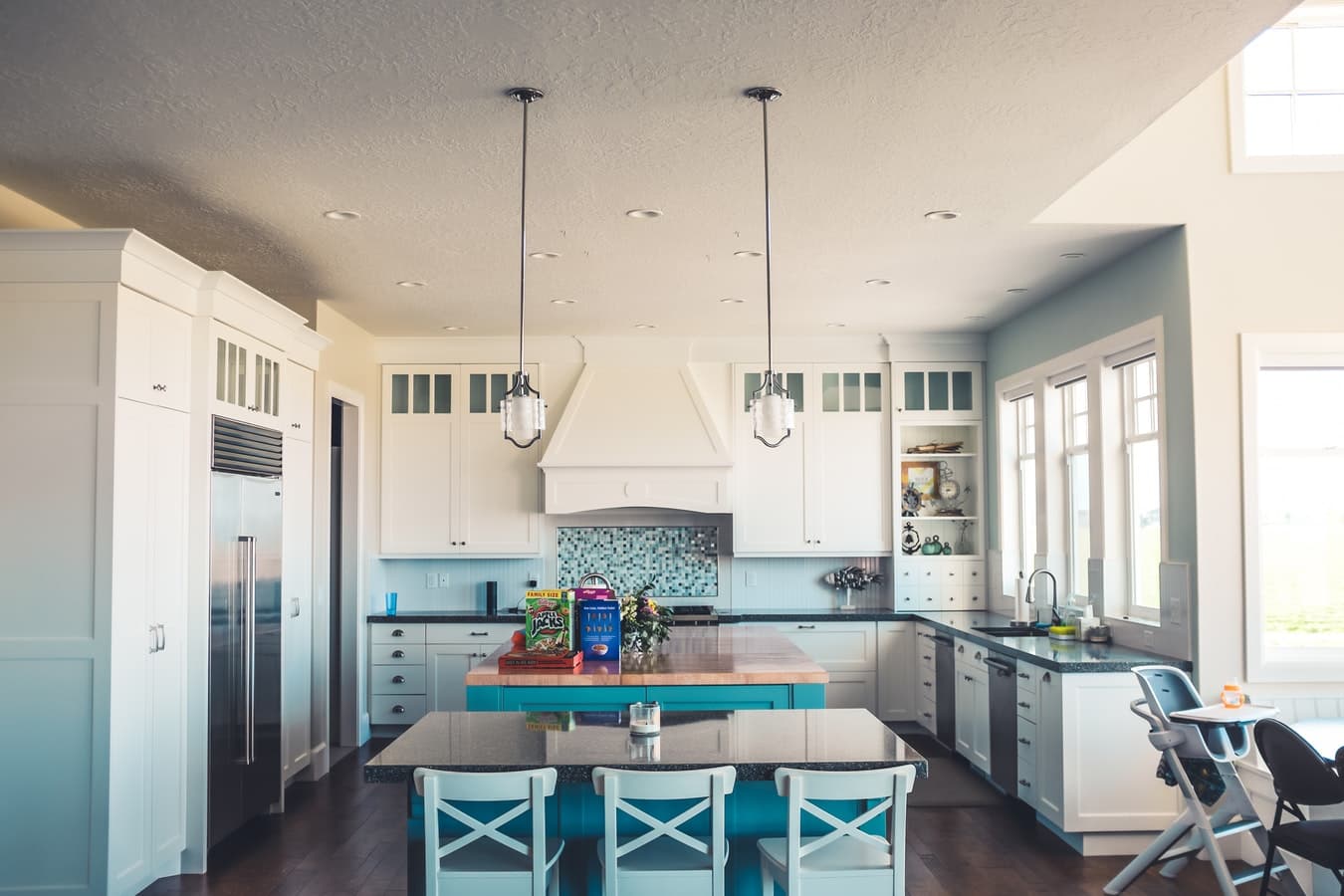
For many homeowners, the kitchen is a serious spot of pride, and plenty of attention to detail is paid to maintaining the surfaces, appliances and structures of this space. However, kitchens are one of the rooms that begin to show signs of age and wear earlier than the rest of the home.
Amanda Harvey
•08 Nov 2023
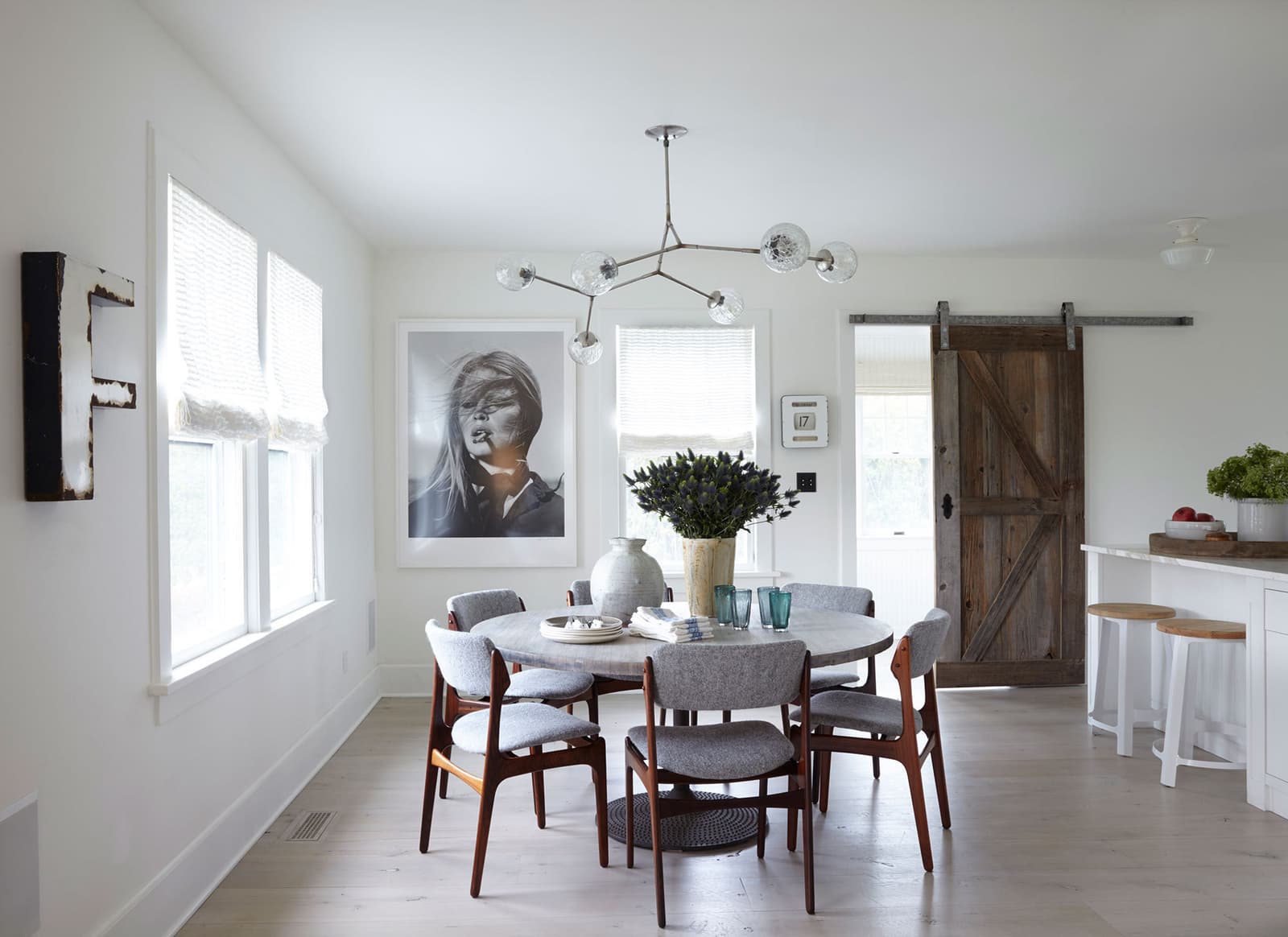
A few years ago, the idea of using barn doors inside the home may have seemed ludicrous. Now, sliding barn doors have become a popular trend in the world of interior design, adding rustic charm, warmth and depth to even the most modern spaces.
Editorial Team
•04 Feb 2025
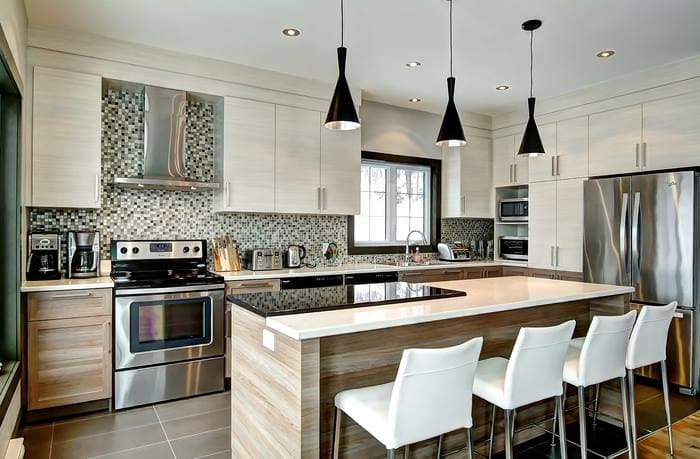
Everyone dreams of having a stunning, efficient, and well-designed kitchen. Given that we find ourselves in this part of the house more often than we'd like to admit throughout the day, comfort is paramount. And, kitchens are one of the first areas to undergo remodelling by homeowners.