The Purpose of Dehumidifiers: 5 Must-Know Facts
By Editorial Team
Updated on November 8, 2023
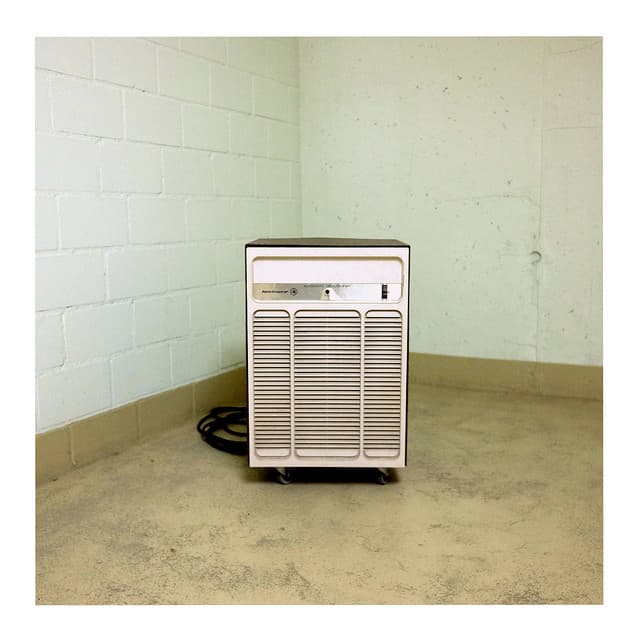
If your home is in a humid climate, or you’re finding a buildup of condensation on your walls or windows, you should consider a dehumidifier for your home.
A dehumidifier is a device used to remove excessive amounts of humidity, which in turn helps improve indoor air quality. Homes with this type of system can maintain humidity levels in their home and this works to restore health and wellness for family and friends alike.
If you’re not too sure whether your home needs one, but you’ve noticed that your allergies have gotten worse or you’ve been smelling something stale that won’t go away, read on and find out some useful information about dehumidifiers.
5 Things to Know About Humidity and Dehumidifiers
1- Does indoor humidity matter?

Source: Flickr, Gabriel Flores Romero
It’s hard to consider the atmosphere of our home, as most homeowners consider it an invisible gaseous layer that has little effect on our health. However, this assumption would be wrong, and homeowners should understand that the atmosphere of their house contains water, either as vapour or as a liquid.
If you have a dryer inside your home or cook on the top of a stove, humidity builds up and levels can be surprisingly high. If you notice condensation on the windows or water dripping down your walls, your home has a definite humidity problem.
Although human bodies are 60% water, we should keep water in the atmosphere of our homes at bay. High humidity levels in the home can cause many problems, including but not limited to moulding clothing, damaging electronics, as well as serious health problems. Common allergens thrive in humid environments. If you live in a humid space, bacteria, viruses, mould and mildew will flourish.
2- How does a dehumidifier work?
These systems work by reducing humidity levels to make homes less hospitable to allergens such as dust, mites, mould and mildew, sucking indoor air through the device and removing excess moisture, then blowing the air back into your home. The moisture collects inside the dehumidifier and must be removed every now and again.
Most humidifiers work in two ways, first by refrigeration which means cooling the air to remove the moisture, and then by absorption, which consists of absorbing the moisture into a drying material. Not every system works by refrigeration, as other models have different methods of removing moisture in the air. Luckily, modern humidifier designs are quiet, and will not disrupt your daily life.
3- Benefits of a dehumidifier
If you live in a humid climate or have a humid home, there are many reasons to get a dehumidifier. As you’ve probably guessed, the first job of this type of unit is to remove moisture from the indoor spaces of your home. Firstly, this helps to reduce dust, mites, mould and mildew. Dehumidifiers also help to reduce the musty odour that often accompanies mould and mildew. Further, not only will this device prevent mould and mildew from growing in your home, it'll reduce the possibility of mould developing on clothing and other linens such as curtains and sheets.
When there is a lack of mould growth, you can avoid skin irritations as well as irritations to the respiratory system, allowing homeowners, family members and guests to breath easier and feel comfortable. Not only does a less humid environment help with keeping allergens, mould growth and mildew at bay, but it also keeps electronic devices safe. A humid home causes signs of rust and corrosion on electronic equipment and tools, affecting their longevity. Lastly, a dehumidifier can reduce energy costs as it helps other home systems, such as air conditioners, run smoothly.
4- Signs your home needs a dehumidifier

Source: Flickr, Marek Moi
If you are suffering from constant allergy symptoms, then it is likely you need a dehumidifier in your home. There are some more common signs that you may need a system to remove humidity, these include water stains on the ceilings of your home or frequent condensation on the windows.
Another sign is recognizing mould spores which are small black spots that grow on walls or with areas of high humidity, specifically in the bathroom or shower. Another obvious indicator is smelling musty or mildew, both of which emit a stale smell.
5- Choosing the right make & model
Choosing a dehumidifier will depend on the space in which it will be used as well as the humidity levels in your home. There are small capacity models for smaller rooms and large capacity models for larger areas, such as an entire apartment.
There are also whole-house models but these should be used if you live in a very humid climate, if you find yourself suffering from significant allergies or if you have a very large house. Some dehumidifiers come equipped with distinctive features, and these may aid in preventing specific elements caused by the air quality in your home.
Get 3 quotes for your dehumidifying project
RenoQuotes.com can help you get quotes for your dehumidifying project. If you submit your project, we’ll put you in contact with the most suitable contractors for you. Fill in the form on our homepage (only a few minutes) and receive quotes from trusted professionals.
Dial 1-844 828-1588 to speak with one of our customer service representatives
Looking for something else?
Related articles
The latest industry news, interviews, technologies, and resources.

Editorial Team
•29 May 2026
Reducing electricity consumption starts with understanding where your home uses the most power. In Canadian homes, electricity can go toward lighting, appliances, electronics, water heating, cooling, and, in many provinces, space heating. Natural Resources Canada notes that space heating and water heating are among the largest energy uses in the average Canadian home, which means small daily habits and larger efficiency upgrades can both make a noticeable difference.
Amanda Harvey
•29 May 2026
For many homeowners, the hardest part of starting a home renovation project is finding a reliable contractor to carry out the job. So, if you're wondering how you can locate the best tradesperson for the job, then you've come to the right place! For homeowners that are looking for a quick and cheap home renovation experience, it's likely you're going to get what you pay for.
Léa Plourde-Archer
•23 Sep 2026
The renovation sector in Canada is constantly evolving, with new materials, technological advancements, and design concepts tailored to the current needs of citizens. By 2026, a shift towards sustainability, quality, functionality, and value optimization is expected. Furthermore, faced with high housing costs, many homeowners are choosing to renovate their homes rather than relocate.
Editorial Team
•07 May 2026
To build a fully functional living space in your basement, experts recommend adding a bathroom or a half bath. Doing so allows people to use the bathroom without having to go up and down the stairs every time. “Doing so [building a basement bathroom] comes with major upsides, increasing the house’s market value and serving as an added feature to the primary bathroom,” says Stéphane Dubé, Summum Salle de Bain Inc. It’s all the more appealing when there’s a basement bedroom or home office.
Editorial Team
•08 Nov 2023
Every homeowner is likely looking for ways to make their bathroom experience more enjoyable. There are plenty of accessories that can be installed in this room, but none quite as luxurious as the bidet.