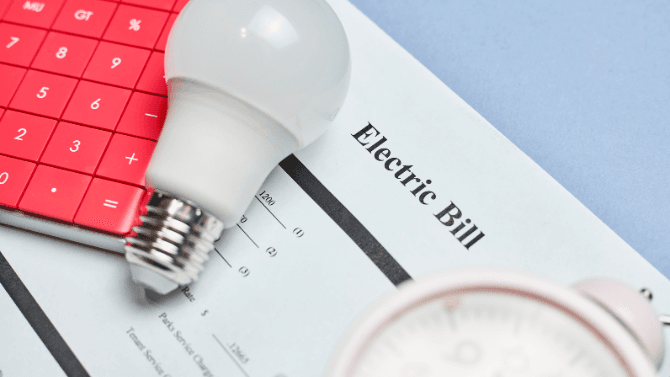
Reducing electricity consumption starts with understanding where your home uses the most power. In Canadian homes, electricity can go toward lighting, appliances, electronics, water heating, cooling, and, in many provinces, space heating. Natural Resources Canada notes that space heating and water heating are among the largest energy uses in the average Canadian home, which means small daily habits and larger efficiency upgrades can both make a noticeable difference.
Whether you want to reduce your electricity bill, lower utility costs, shrink your environmental footprint, or make your home more efficient, here are practical ways to reduce electrical consumption without sacrificing comfort.
Practical Tips to Reduce Your Electricity Bill

Source: Reno Quotes
Start by Monitoring Your Electricity Use
Before making changes, look at where your electricity is going. Compare several billing periods, especially winter and summer months, to see when your usage rises. Some utilities also provide hourly electricity consumption data through online accounts, which can help you spot patterns.
You can also use a smart plug or Kill A Watt-style meter to check how much electricity certain devices use. This is useful for older fridges, freezers, dehumidifiers, entertainment systems, and home office equipment.
A home energy audit can also help identify air leaks, poor insulation, inefficient heating equipment, and other issues that may be increasing your electricity consumption. If your goal is to lower your electricity bill over the long term, this can help you focus on the upgrades that matter most.
Use Energy-Efficient Bulbs
Replacing incandescent or halogen bulbs with LED bulbs is one of the simplest energy-saving upgrades. ENERGY STAR-certified LED bulbs use much less electricity than traditional incandescent bulbs and last longer, making them a practical choice for kitchens, basements, bedrooms, exterior lighting, and high-use areas.
To save even more, turn off lights in rooms you are not using. In hallways, closets, laundry rooms, garages, and outdoor areas, consider motion sensors, timers, dimmers, or programmable lights.
Reduce Phantom Loads and Standby Power
Many electronics continue to draw electricity even when they appear to be turned off. This is often called phantom power, standby power, or standby load. Common examples include televisions, gaming consoles, printers, chargers, microwaves, coffee makers, smart speakers, and computer monitors.
To reduce phantom loads:
unplug devices you rarely use
use a power strip or smart power bar for entertainment centres and office setups
choose sleep mode or energy-saving settings on computers and monitors
use smart outlets or timers for devices that do not need power all day
This will not usually be the largest source of savings, but it is an easy habit to build if you want to save on electricity at home.
Adjust Heating and Cooling Habits
Heating and cooling can have a major impact on your electricity bill, especially if you use electric baseboard heaters, a heat pump, portable heaters, or air conditioning.
During colder months, lower the thermostat when you are asleep or away from home. A programmable thermostat or smart thermostat can make this easier by adjusting the temperature automatically. If your home has electric baseboard heaters, avoid blocking them with furniture or curtains, and heat only the rooms you actually use.
In summer, use ceiling fans to feel cooler before lowering the thermostat. Close blinds or curtains during the hottest part of the day, especially on sunny windows, and use ventilation when outdoor temperatures drop in the evening. These small changes can help reduce heating and cooling costs without making the home uncomfortable.
Use Curtains, Drapes, and Window Coverings Strategically
Windows can contribute to heat loss in winter and heat gain in summer. During colder months, close curtains or drapes at dusk to help keep warmth inside. Heavier curtains, thermal curtains, or layered window coverings can improve comfort near drafty windows.
During summer, keep blinds or curtains closed on south- and west-facing windows during peak sun hours. This can reduce indoor heat buildup and help your cooling system work less.
Window coverings are not a replacement for proper insulation, weatherstripping, or efficient windows, but they are a simple seasonal strategy for homeowners looking for easy ways to reduce their electricity bill.
Seal Gaps and Improve Insulation
Air leaks can make your home harder to heat and cool. Check around windows, exterior doors, attic hatches, outlets on exterior walls, baseboards, plumbing penetrations, and basement rim joists.
Weatherstripping, caulking, outlet gaskets, and wall plug insulation kits can help reduce drafts in the right situations. Larger insulation issues, attic upgrades, and air-sealing projects may be better handled by qualified contractors, especially if there are moisture, mould, or ventilation concerns.
Good insulation helps your heating and cooling systems run less often, which can reduce electricity consumption over time.
Choose Energy-Efficient Appliances
Older appliances can use more electricity than newer efficient models. When replacing a fridge, freezer, dishwasher, washer, dryer, dehumidifier, or air conditioner, look for ENERGY STAR-certified appliances. Natural Resources Canada says there are more than 80 product types eligible for ENERGY STAR certification in Canada, and its searchable product list can help compare efficient models.
Focus first on appliances that run often, such as refrigerators, freezers, dehumidifiers, and heating or cooling equipment. A rarely used appliance may not justify immediate replacement unless it is failing or unusually inefficient.
Improve Laundry Habits
Laundry can use a lot of electricity, especially when hot water and electric drying are involved. Wash clothes in cold water when appropriate, run large laundry loads instead of many small ones, and use the washer’s energy setting when available.
For dryers, clean the lint trap before each load so air can move properly. Avoid overloading the dryer, because clothes may take longer to dry. Air-drying clothes when possible can reduce electricity use even further.
Change Dishwasher and Kitchen Habits
Small kitchen habits can also help. Run the dishwasher only when it is full, and use dishwasher air drying instead of the heat dry setting when possible. Avoid opening the fridge or freezer repeatedly, and make sure door seals are clean and tight.
Keep fridge and freezer temperatures within the manufacturer’s recommended range. A fridge or freezer that is too cold can waste electricity, while one that is too warm can affect food safety.
Maintain HVAC Equipment
Heating, ventilation, and cooling equipment works more efficiently when it is maintained. Replace or clean air filters according to the manufacturer’s instructions. Keep vents and returns clear. If you have ductwork, leaky ducts can waste heated or cooled air, so sealing or repairing them may help improve comfort and efficiency.
For heat pumps, central air conditioners, and furnaces, regular professional maintenance can help the system operate properly and identify problems early.
Consider a Heat Pump
A heat pump can be an efficient option for heating and cooling, especially when properly sized and installed for the home. Cold-climate heat pumps are increasingly common in Canada and can be especially relevant in provinces with electric heating.
However, performance depends on the model, home insulation, layout, climate, installation quality, and backup heating needs. Before installing one, compare eligible models, ask about cold-climate performance, and get quotes from qualified installers.
Use Smart Home Devices Wisely
Smart home devices can help reduce electricity consumption when they control real energy waste. Smart plugs, smart thermostats, smart power strips, motion detectors, dimmers, timers, and task lighting can all help if they are set up properly.
For example, a smart plug can turn off a coffee maker, lamp, or entertainment centre on a schedule. A smart thermostat can reduce heating or cooling when nobody is home. Motion sensors can prevent basement, hallway, garage, or outdoor lights from staying on all night.
Be Strategic With Electricity Rates
In some provinces or utility areas, electricity rates vary by time of day. If you are on a time-of-use plan, running large appliances during off-peak hours may reduce costs, even if it does not reduce total electricity consumption.
This can apply to laundry, dishwashers, electric vehicle charging, pool pumps, and other flexible loads. Check your local utility’s rate structure before changing your routine, because not every province or customer is billed the same way.
Look for Rebates and Financial Assistance
Some Canadian homeowners may qualify for energy efficiency rebates, utility incentives, or provincial programs. In Quebec, Hydro-Québec’s LogisVert Efficient Homes Program offers financial assistance for certain eligible energy efficiency measures, including some heat pumps and other upgrades. Program details and eligible measures can change, so always confirm the current requirements before starting work.
Rebates may be available for insulation, air sealing, efficient heating equipment, smart thermostats, or other measures depending on your province, utility, and home type.
Reduce Electricity Consumption With Better Daily Habits
Some of the most effective changes are simple. You can:
turn off lights and electronics when not in use
use cold water wash settings for laundry
run full dishwasher and laundry loads
use sleep mode on computers
clean dryer lint traps
adjust thermostats by season
use ceiling fans and window coverings strategically
unplug rarely used devices
maintain your fridge, freezer, HVAC system, and filters
These habits may seem small, but together they can reduce wasted electricity and make your home more efficient.
In Conclusion
Learning how to reduce your electricity bill does not require one major project. Start with easy changes like LED bulbs, smarter laundry habits, unplugging idle electronics, and adjusting your thermostat. Then look at bigger improvements such as insulation, efficient appliances, smart thermostats, HVAC maintenance, and heat pumps.
The best results usually come from combining daily habits with targeted upgrades. By understanding your electricity use and choosing improvements that fit your home, climate, and budget, you can lower waste, improve comfort, and manage your energy bills more effectively.
Looking for something else?
Related articles
The latest industry news, interviews, technologies, and resources.

Cynthia Pigeon
•18 Aug 2026
Starting a residential renovation project represents a major financial and personal investment. Whether you are remodelling a kitchen, finishing a basement, or replacing a roof to withstand harsh Canadian winters, the work should be completed according to accepted industry standards. Unfortunately, some projects can turn into nightmares: unfinished work, job abandonment, structural errors, or unjustified delays.
Editorial Team
•08 Nov 2023
Every homeowner is likely looking for ways to make their bathroom experience more enjoyable. There are plenty of accessories that can be installed in this room, but none quite as luxurious as the bidet.

Editorial Team
•15 Nov 2024
In North America, our weather is fairly unpredictable. As a result, we need to be able to rely on our home's heating system to keep us warm during those notably cold months.

Editorial Team
•29 May 2025
Home remodeling often comes with hidden costs—some of which can derail your budget if you’re unprepared. From permit fees to temporary housing, here are six commonly overlooked expenses you should plan for. Plus, if you’re considering tackling smaller upgrades yourself before moving in, this expert guide on DIY renovations is a great place to start.

Editorial Team
•27 Sep 2024
If you own a cottage and go there several times per year or per season, you may be considering taking on some renovations. Even if it was recently built, it’s never unnecessary or too late to add value to your property.