From an Ordinary Home to a Passive House: Tips for an Eco-Friendly Transition
By Cynthia Pigeon
Updated on September 29, 2026
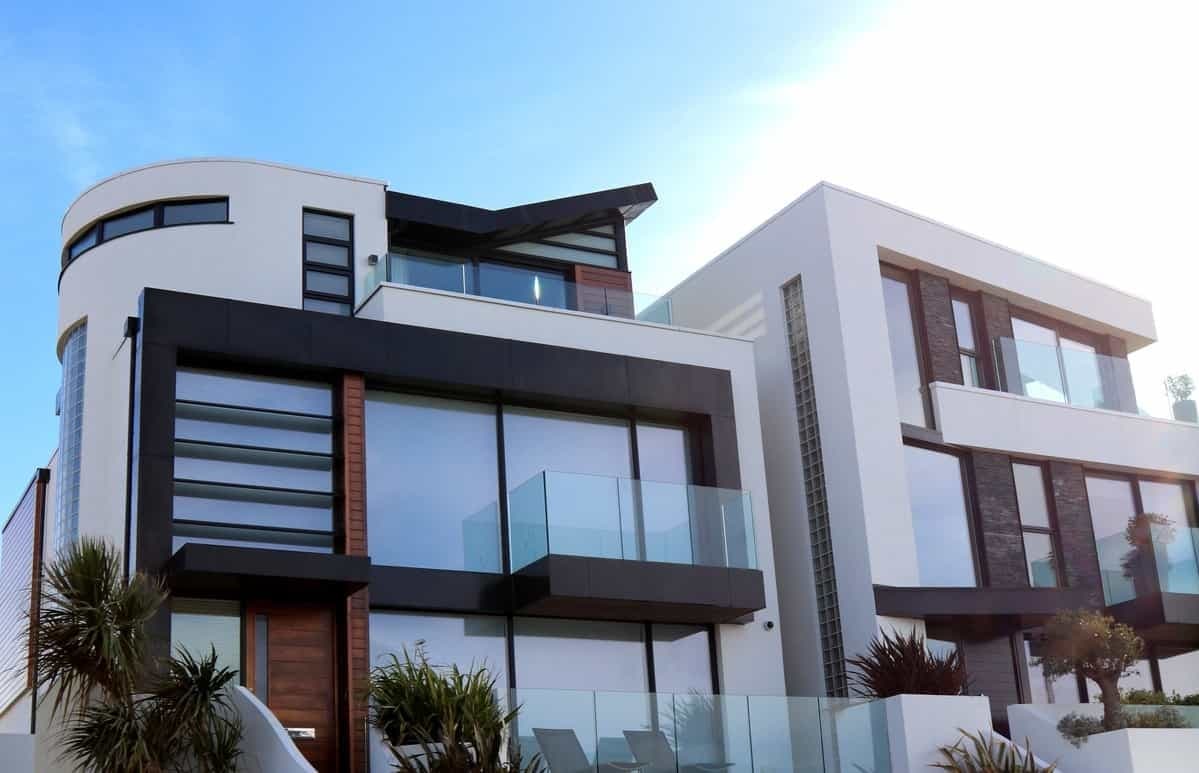
With soaring energy bills, transforming your home into an energy-efficient, environmentally friendly passive house can offer significant financial benefits. Here's how to get started!
What Is a Passive House?
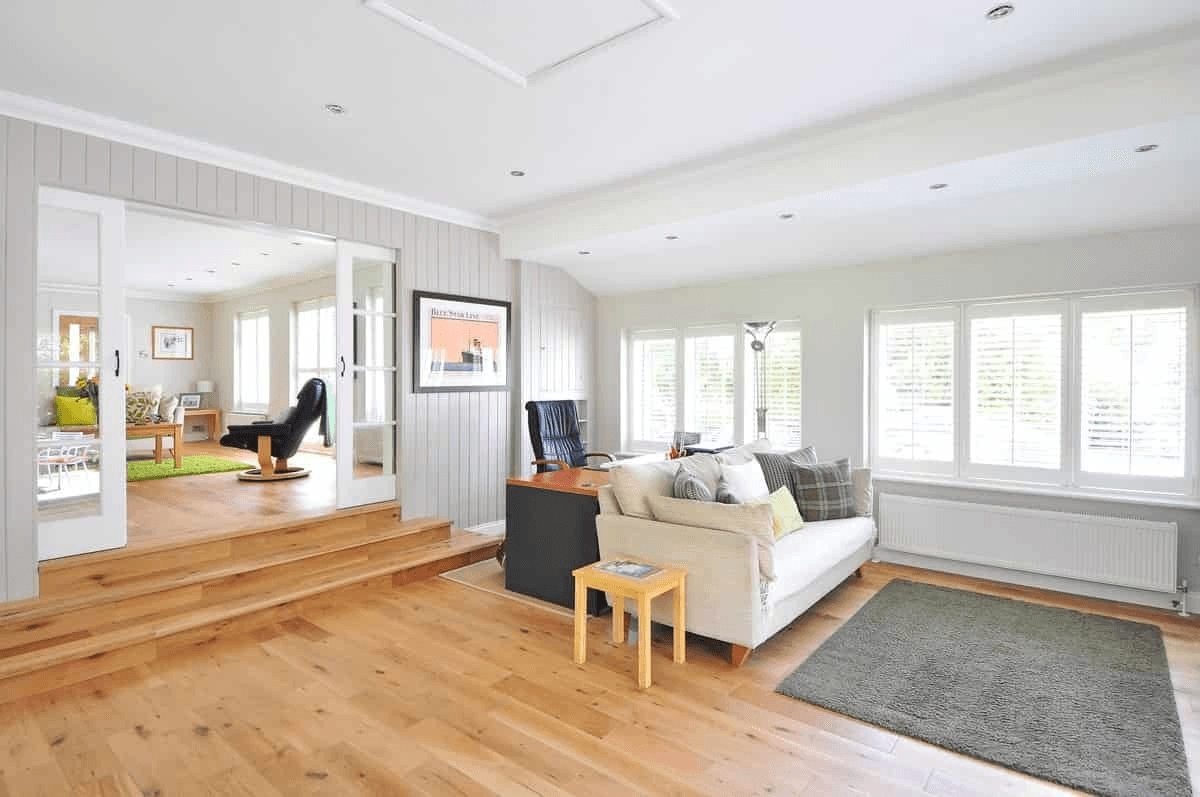
Extremely Low Energy Consumption
A passive house is a home with very low, or even zero, energy consumption. Several criteria are used to determine whether a home qualifies as a passive house. These characteristics have been established by the EnerPHit standard:
Heating demand of less than 25 kWh/m² per year
Primary energy demand of less than 120 kWh of useful energy per year
Overheating occurring less than 10% of the time throughout the year
Air leakage of no more than 0.6 air changes per hour
Even with extensive renovations, not every home can achieve the optimal performance of a passive house. However, by following a few key steps, you can make your home more environmentally friendly!
Energy Audits: Identifying the Renovations Needed for an Eco-Friendly Passive House
To make your home as energy-efficient as possible, conduct an energy audit. This assessment should be carried out by a qualified professional and will help you determine which energy-efficient renovations to prioritize.
This thermal assessment will provide an overview of your home's current energy performance and identify areas for improvement. The professional you hire can then recommend the solutions best suited to your situation.
Rethinking Your Home's Layout
A passive house generally requires very little heating and energy. By reorganizing your home's layout, you can position your rooms to face south whenever possible. This allows you to take advantage of natural light and solar heat.
If possible, consider installing large windows or sliding glass doors in rooms that receive plenty of sunlight. This will help maximize natural solar energy!
If you have a yard, strategically plant trees to provide shade during the summer. In winter, deciduous trees lose their leaves, allowing sunlight to reach your home.
Ventilation and Domestic Hot Water: Which Systems Should You Choose?
Not every home has a yard, and reorganizing your interior layout isn't always possible. That's why choosing the right ventilation and domestic hot water systems is particularly important.
For ventilation, prioritize a heat recovery ventilation system (HRV), which combines fresh air circulation with heat recovery by capturing heat from outgoing indoor air.
For domestic hot water, which can also be used for home heating in certain systems, consider replacing an energy-intensive conventional water heater. Instead, choose a heat pump water heater, which combines a hot water tank with heat pump technology, or an individual solar water heating system, which requires the installation of solar thermal panels.
Insulation: A Key Component of a Passive House
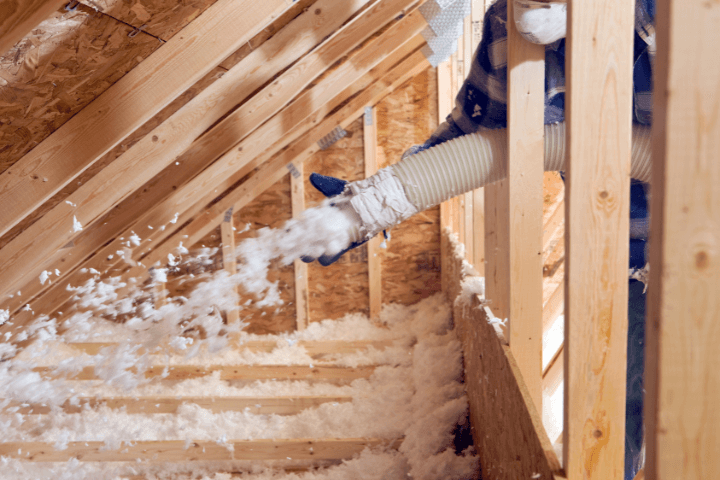
Preventing Heat Loss
Even the most efficient heating system won't be particularly useful if your home loses heat easily. That's why improving your home's thermal insulation is essential when transitioning toward Passive House standards. Several areas can contribute to heat loss:
Walls (30%)
Attics (20% to 25%)
Floors (10%)
Windows and other openings
Renovations will be necessary to address these issues. You'll need to add insulation and select high-performance materials to help transform your property into an energy-efficient, environmentally friendly passive house.
What Heating System Should You Choose for a Passive House?
Once your home is properly insulated, choose an efficient heating system. Ideally, a passive house requires little or no conventional heating. However, to make your home more environmentally friendly, consider the following options:
An air-to-water heat pump
Solar heating
A pellet stove
What Financial Assistance Is Available to Make Your Home More Energy-Efficient and Eco-Friendly?
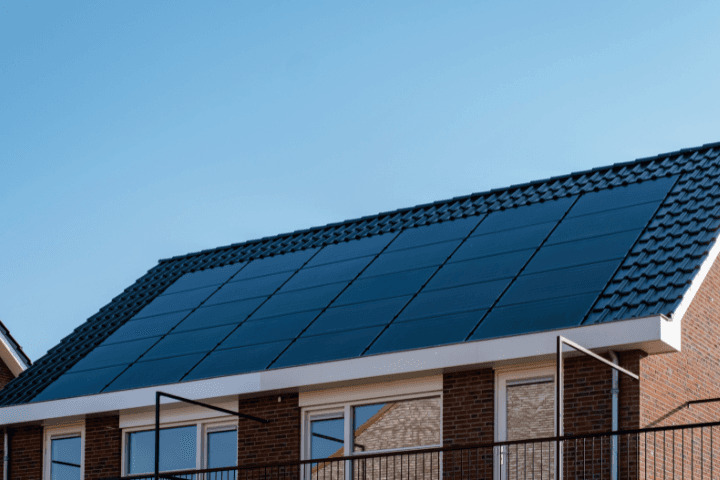
Transforming your home into a passive house may make you eligible for certain financial assistance programs available in Quebec and across Canada.
For insulation and other energy-efficient renovations, you may qualify for the following programs:
Moving Toward a Passive House: Sustainability and Comfort
Transforming your home into an energy-efficient, environmentally friendly passive house is a commitment to a more sustainable lifestyle. The strategies discussed in this article, including improving insulation, are essential steps toward achieving this goal.
These improvements can help reduce your home's environmental footprint while enhancing your comfort and quality of life. By taking the appropriate measures, homeowners can benefit from greater energy efficiency, lower heating costs, and a healthier indoor environment.
By following these principles, you can transform your home into a more sustainable living space that balances environmental responsibility with everyday comfort.
Looking for something else?
Related articles
The latest industry news, interviews, technologies, and resources.
Editorial Team
•08 Nov 2023
Homeownership almost always entails ongoing repairs, renovations, or upgrades. Note that on average, Quebecers allocate 64% of their residential energy expenditures to heating, and the costs can amount to $1,200 for an average-sized home. Surely, upgrading a heating system is a significant investment, but a wise decision in terms of energy conservation and minimizing consumption costs.
Cynthia Pigeon
•13 May 2026
To install a Level 2 charging station, 240 V, at your home in Quebec, the electrical work must be carried out by an electrical contractor holding an RBQ licence, generally a master electrician who is a member of the CMEQ, to ensure compliance with the Quebec Construction Code. This professional installation is essential to ensure a safe, code-compliant setup and to qualify for the $600 financial assistance. By entrusting the work to an expert, you reduce the risk of non-compliance, streamline your insurance process, and better protect your investment.
Editorial Team
•01 Aug 2024
MIG/MAG welding is a widely used welding technique in various industries. In this article, we will delve into the details of this welding process and explore why MIG/MAG welding is such a popular method.
Editorial Team
•28 Jan 2026
In 2026, the landscaping industry in Quebec is booming. With increasing demand for sustainable outdoor spaces and creative landscape design, residents across the province are turning to qualified landscapers to transform their properties. Whether you're looking to improve your curb appeal or completely revamp your backyard, understanding the role of a landscaper is crucial to a successful project.
Editorial Team
•29 May 2026
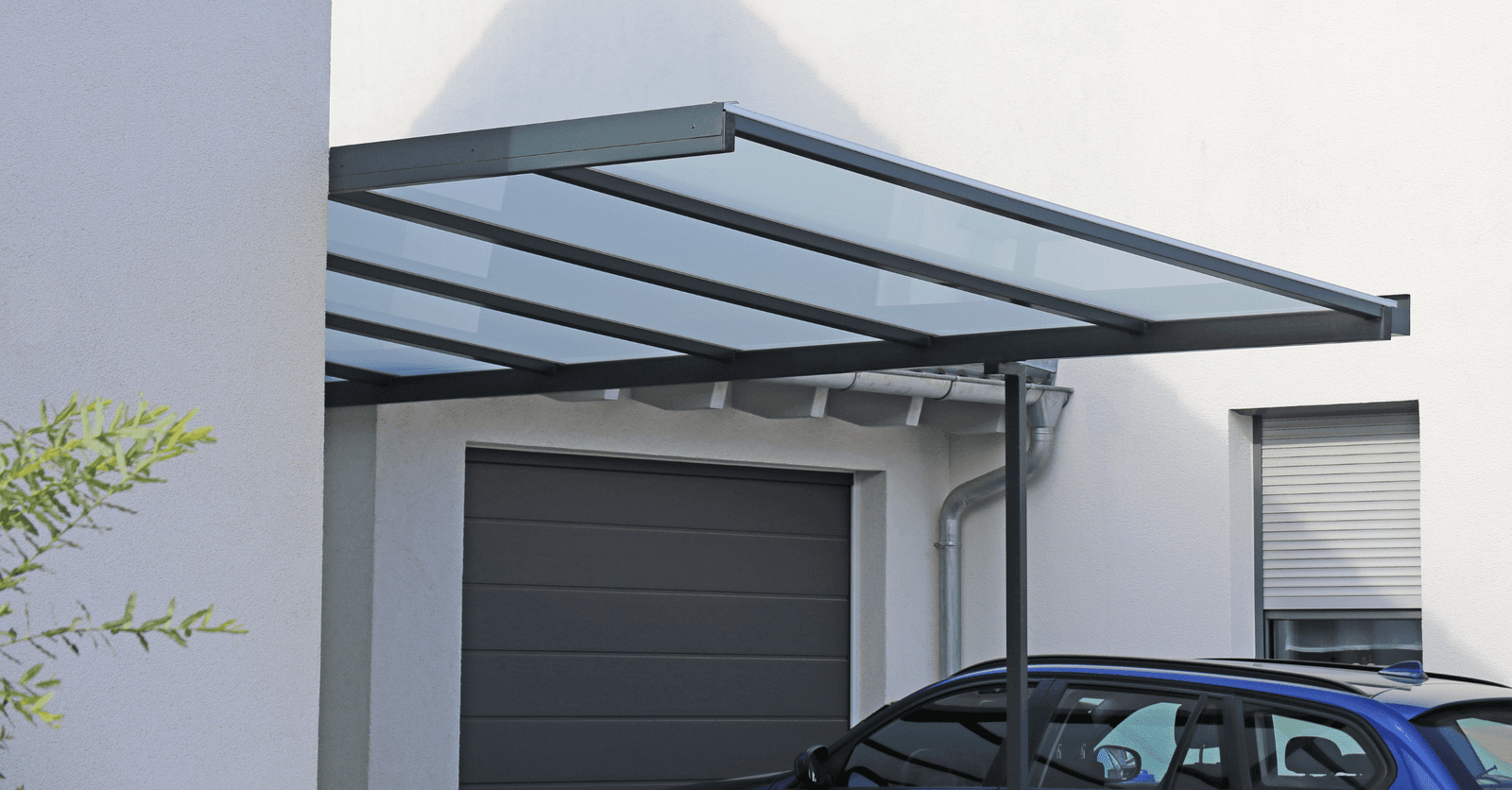
In Canada, vehicles are often exposed to bad weather, and during the winter, many turn to temporary solutions to protect their cars. However, there are more aesthetic and durable options out there, some requiring less space than a garage.