Underfloor Heating - What Are the Advantages and Drawbacks?
By Editorial Team
Updated on February 10, 2025

Imagine never having to step onto an ice-cold floor again. Underfloor heating, also known as radiant floor heating, offers exceptional thermal comfort and is a great fit for both new constructions and energy-efficient home renovations.
But is it really worth it? How much does it cost, and what are the pros and cons of this technology? Discover everything you need to know to determine if underfloor heating is the right choice for your home.
What Are the Advantages of Underfloor Heating?
Comfort
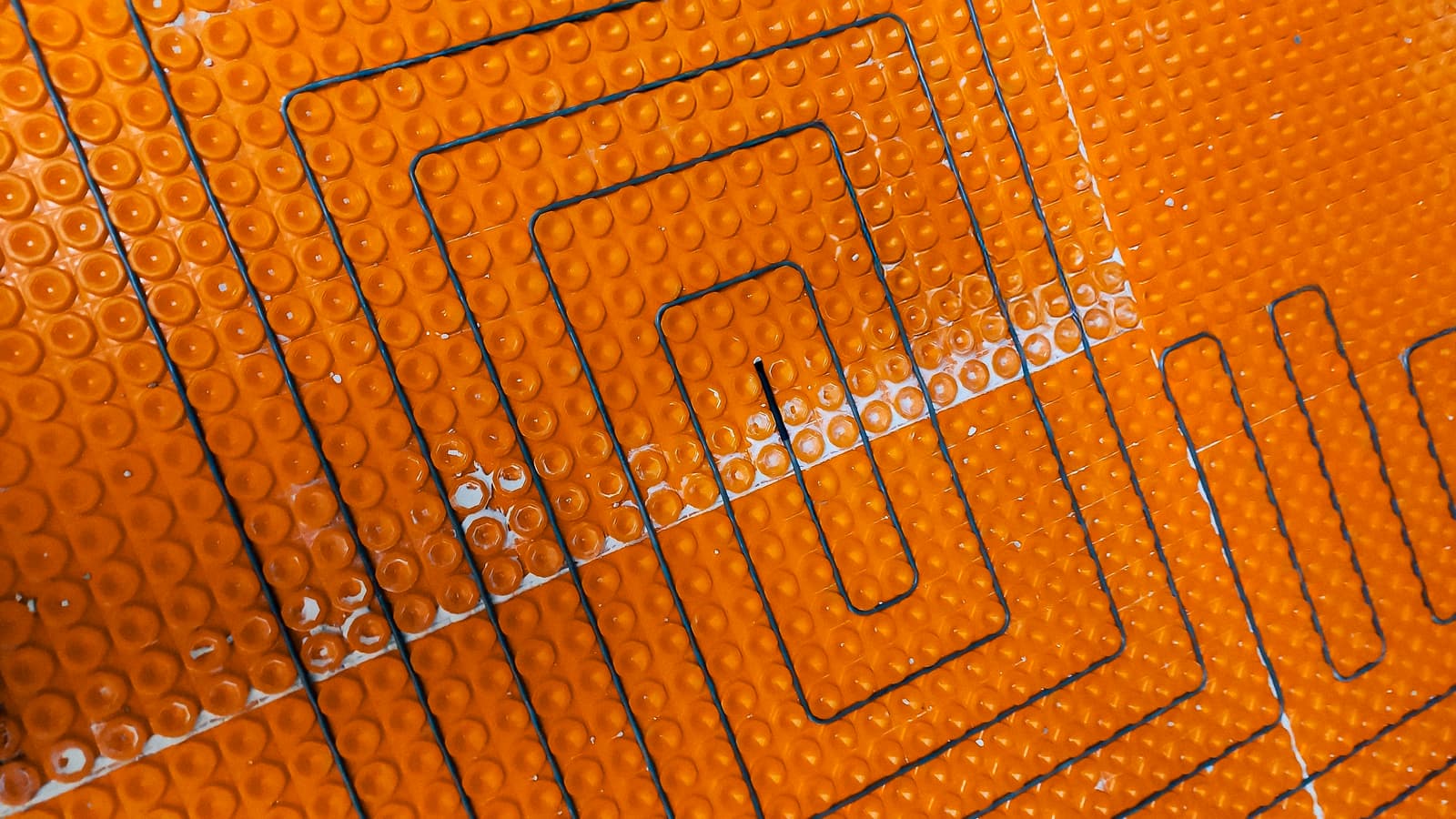
Source : Lions Constructions & Rénovations
As mentioned in our introduction, one of the main reasons why homeowners opt for underfloor heating is personal comfort. Underfloor heating works by radiating heat through the floors: the heat generated then spreads throughout the house, toward the roof.
Underfloor heating helps regulate the temperature in your house. As such, this underfloor technology provides your home—and yourself by extension—the benefits of a comfortable warmth that spreads evenly inside your home, yet uses less energy than a traditional heating system.
Another key factor to consider is that traditional heating systems often create cold zones in a room, while other areas are heated comfortably. It’s not the best way to live, just saying.
Energy Savings
There are two types of radiant floor heating: electric and hydronic underfloor heating systems.
Regardless of the type of underfloor heating, both efficiently provide an even and consistent source of heat. Although most people believe that underfloor heating costs more than traditional heating methods, the opposite is true.
Heated floors are a great way to counteract abnormally high heating costs. While a properly insulated home is paramount to saving on heating costs, this underfloor system fosters energy-saving and green initiatives.
Traditional heaters or radiators need to be set to high temperatures to distribute heat evenly and effectively. On the other hand, heated floors don't need to be set at high temperatures to keep a room warm. Therefore, they consume significantly less energy daily while still achieving the same desired effect. Underfloor heating can save the average-sized home as much as 15% on heating bills, which is a definite upside.
Heated Floor Maintenance
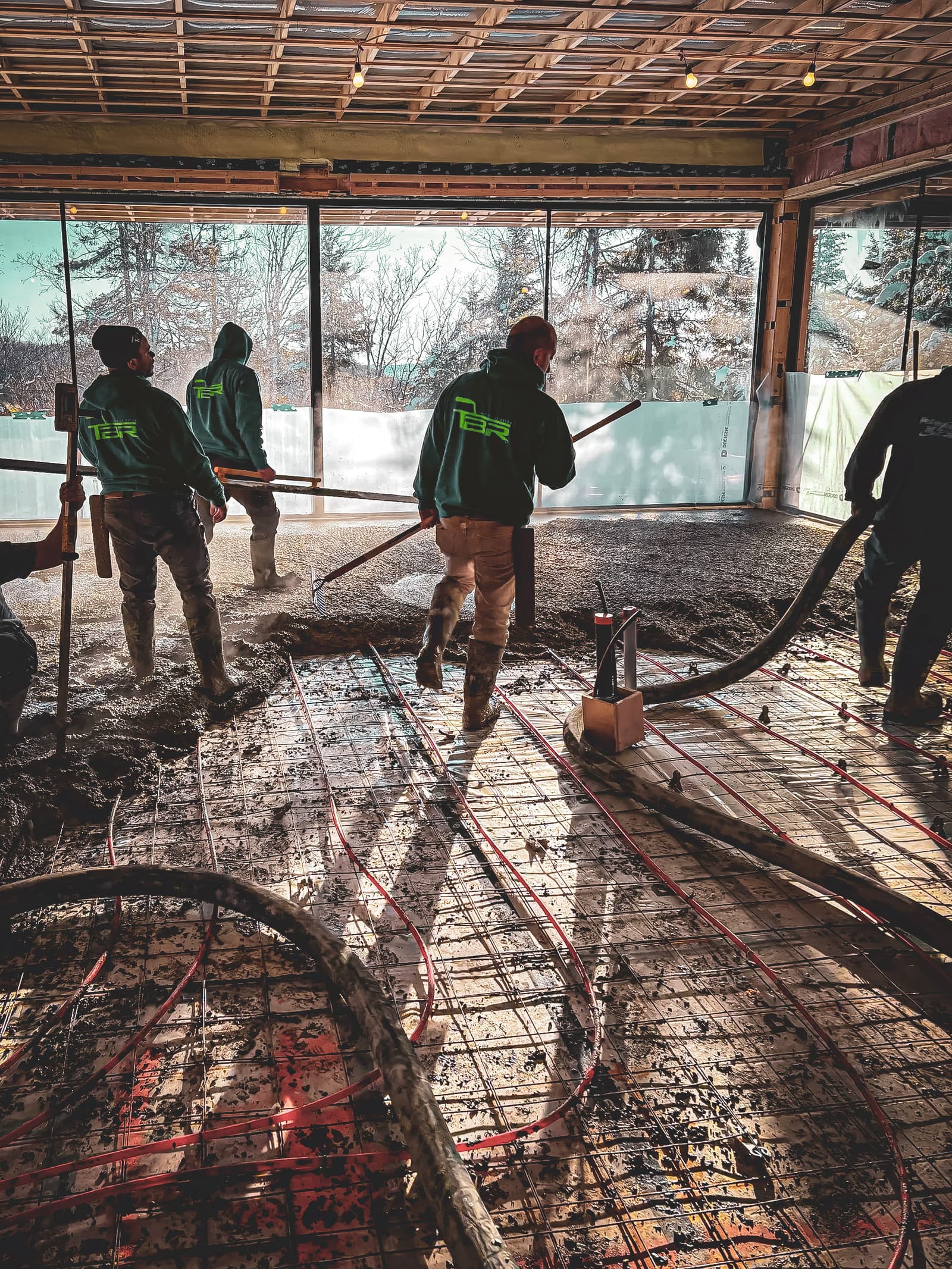
Source : Décor Service Concept
In most cases, underfloor heating is usually under warranty, so minimal maintenance post-installation shouldn’t be an issue. Heated floors are typically hooked to a digital thermostat, which can be programmed to control the temperature accordingly.
Additionally, an underfloor heating system can be paired with all flooring, meaning that if you’re already planning on laying new flooring or have a specific material in mind, no need to rethink your original plans. The freedom to choose and the minimal maintenance required are definite advantages!
Safety
As you probably guessed, underfloor heating is concealed under your flooring. Thus, it won’t be a cause for concern with small children or other family members, as baseboard heaters or radiators are, with their sharp, hot-to-the-touch edges. Luckily, radiant floor heating is safely tucked out of sight and out of mind and will never be too hot to the touch.
Radiant heat also improves air quality, keeping the air in your home fresh and oxygen-rich. On the other hand, radiators greatly decrease oxygen levels in the air and result in serious discomfort, however, the same can't be said with an underfloor heating system.
What Are the Disadvantages of Radiant Floor Heating?
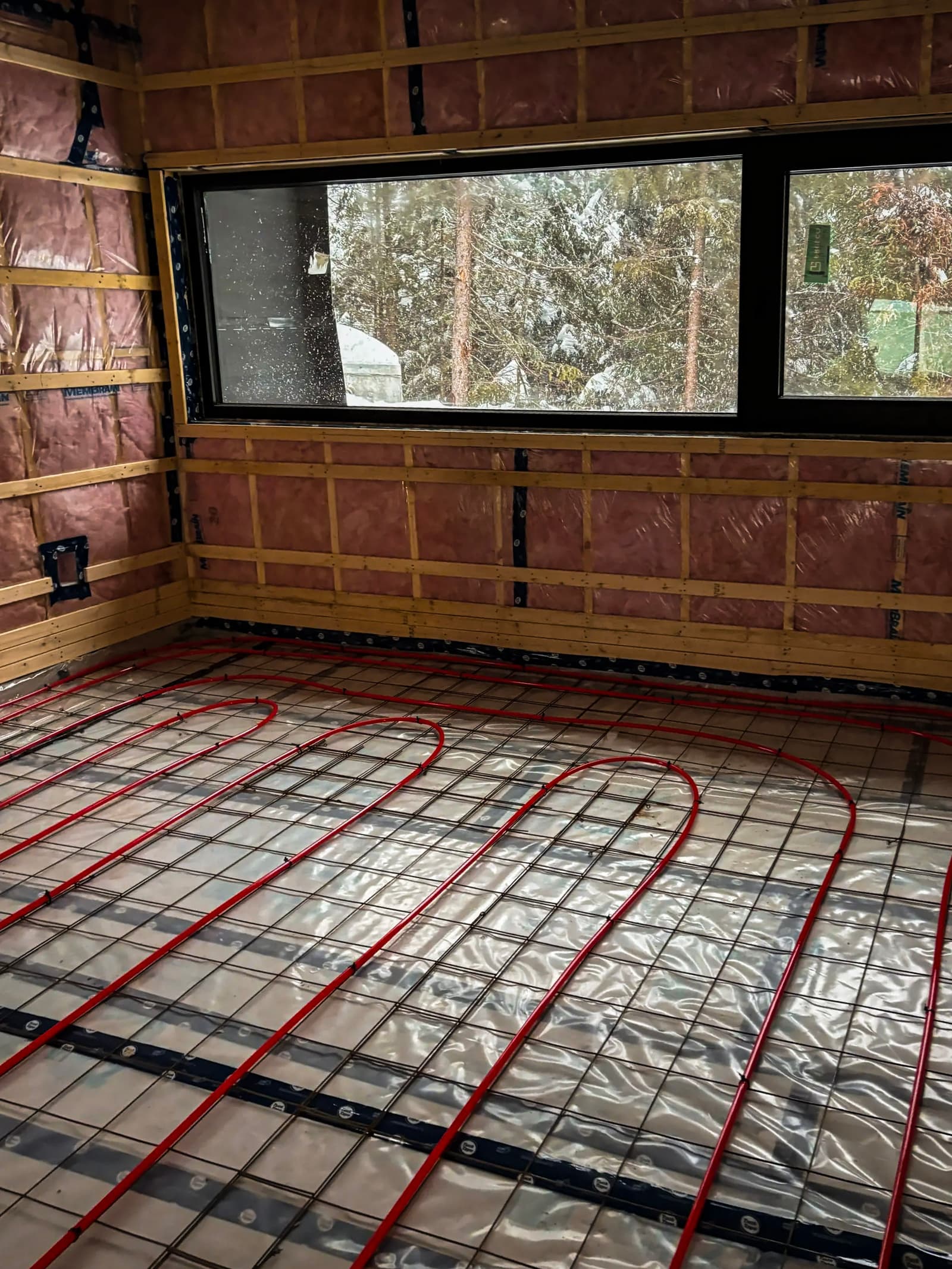
Source : Décor Service Concept
Installation Cost and Duration
Unfortunately, underfloor heating is quite costly. To be safe, we recommend budgeting between $12–$36 per square foot. Not only will the installation itself cost a pretty penny, but you’ll need to hire a qualified electrician to carry out the work.
Although installation shouldn’t take more than a few hours, it’ll still cost between $240–$480. As mentioned, heated floors are very durable. As such, in most cases, durability outweighs costs, but it all hinges on your budget.
Another key point to consider when installing underfloor heating is the duration of the entire installation, from system installation to flooring. Unfortunately, considering the many steps involved, installation can take more than a day. First, a self-levelling compound must be spread over the floor and cured before the flooring is laid over it.
Between the curing process, which can take a day or two, and the installation itself, the whole process takes about a week. For some homeowners, this might come as a major inconvenience, so make sure to factor this in when considering this sort of heating system.
Floor Height
Unfortunately, underfloor heating systems will have an impact on the height of your floors. Such systems will add, more or less, half an inch. However, it entirely depends on the system purchased. In most cases, an insulation underlayment is installed beneath the heating systems, ensuring that the heat rises rather than seeps out of your floors.
In many cases, losing a little bit of height, floor-wise, isn’t a big deal but this will hinge on personal preferences and your home’s square footage/ceiling height.
Want to learn more about underfloor heating? Check out these articles featured on our Home Renovation Blog:
FAQ About Underfloor Heating
Is underfloor heating cheaper?
Yes, underfloor heating is considered more energy-efficient than traditional systems, given that it spreads heat evenly and works at lower temperatures. However, installation costs are higher, but long-term energy savings can offset expensive upfront costs, especially if you’ve purchased a hydronic system hooked up to a heat pump.
How long does an underfloor heating system last?
An electric underfloor heating system lasts roughly 25–30 years, whereas a well-maintained hydronic system can last 50-plus years, given that its water lines are permanently installed beneath the flooring.
Is underfloor heating energy-intensive?
Electric radiant floor heating uses roughly 10–15 W per square foot, which can increase heating costs if used over a large surface area, especially in cold temperatures like those experienced on the East Coast.
Electric vs. Hydronic: Which is the best underfloor heating system?
Electric radiant floor heating is more affordable to install and is best suited to smaller surface areas like bathrooms.
Hydronic underfloor heating is more expensive to install but more cost-effective long-term to heat large surface areas, especially if it’s connected to a geothermal system or high-efficiency boiler. Your decision hinges on your initial budget, square footage to heat, and home.
Why use glycol in hydronic underfloor heating systems?
Glycol is added to the water flowing through a hydronic underfloor heating system to prevent the water from freezing should temperatures drop below freezing, as is quite frequent in Canada during the winter. It also shields the system from corrosion, prolonging the lifespan of both the pipes and boiler. The use of glycol is highly recommended in weekend or winter homes and buildings in which the heat may be shut off during the winter.
Looking for something else?
Related articles
The latest industry news, interviews, technologies, and resources.
Editorial Team
•25 Aug 2026
Most Canadian homeowners pay between $2,000 and $15,000 to have a heat pump supplied and installed in 2026, depending on the type of system their home can accept. Investing in purchasing and installing a heat pump is a wise decision. Given Canada's ever-changing temperatures, consolidating both heating and air conditioning systems into one unit is not a bad idea, resulting in savings of nearly 20% off your usual utility bill.

Amanda Harvey
•08 Nov 2023
Renovating a wood floor can completely change the look of a room and add some much-needed charm. While sanding is often the part of the project where attention is focused, choosing a varnish is actually more important to achieve your desired finish. To understand this project a bit more clearly, here are the different options available on the market.
Editorial Team
•08 Nov 2023
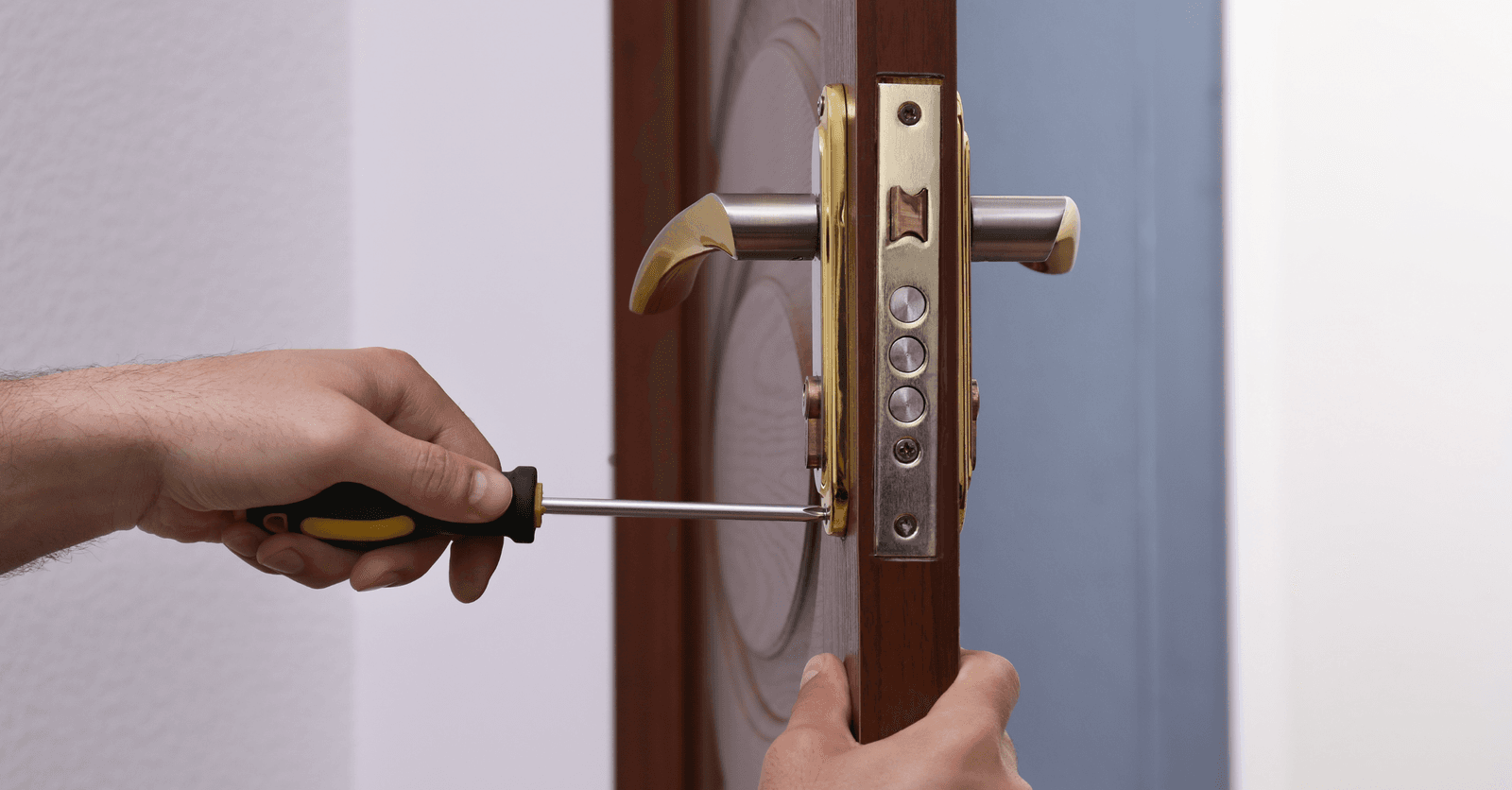
Do you have a problematic front door lock? Whether this is a direct result of regular wear or an attempted break-in, there’s no doubt that you’re trying to remedy the situation as fast as possible. So here’s a rundown of the quick fixes available to you.
Editorial Team
•21 Jan 2025
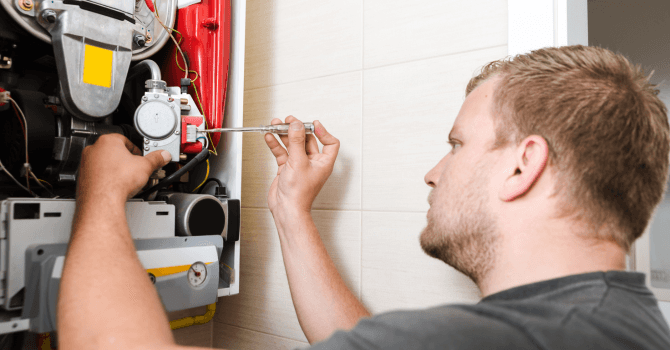
Keeping your home at a comfortable temperature year-round is an important task for any homeowner. There are plenty of home heating and cooling systems on the market for you to choose from, but we’re here to discuss the electric furnace as one of those options.
Léa Plourde-Archer
•25 Jul 2025
Looking to restore your old flooring without draining your savings? You’re in luck! Undertaking such a home improvement project doesn’t necessarily call for a hefty budget.