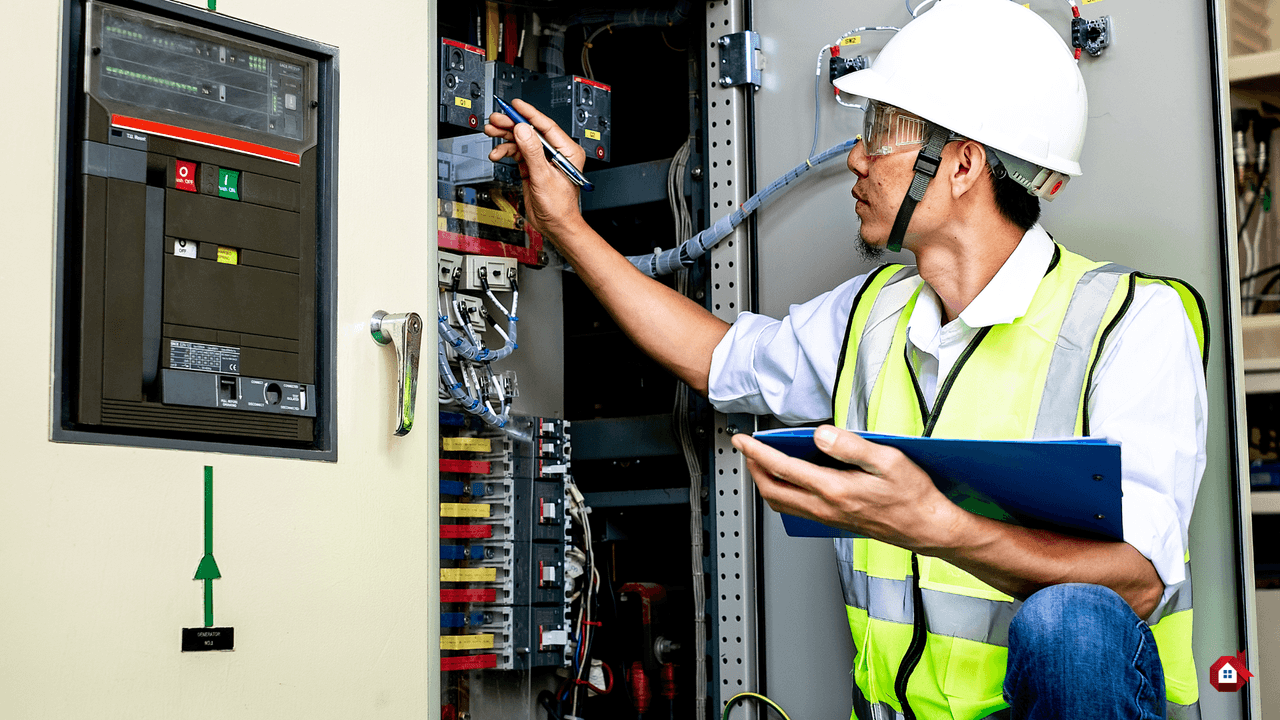
Navigating the complexities of electrical licencing can be daunting. From understanding the requirements to completing the application process, aspiring electrical contractors often face various challenges. In this article, we aim to simplify the process and provide clear guidance on obtaining an Electrical Contractor's Licence in Ontario. Additionally, we shed light on the importance of licencing in ensuring safety and compliance with regulations enforced by the Electrical Safety Authority.
Electrical Contractor's Licence: Requirements and How-To
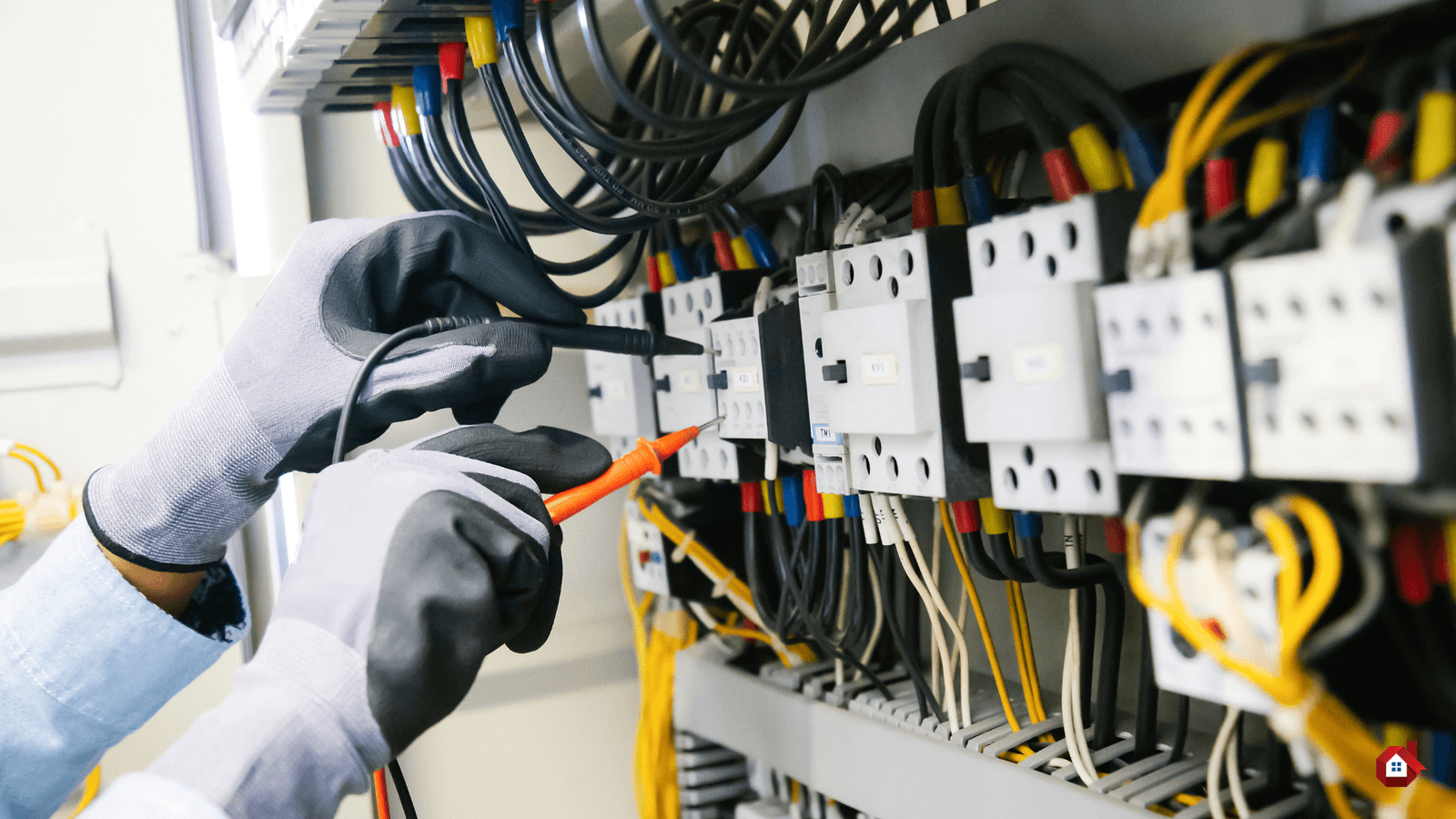
How Do You Become Certified in Ontario?
Be at least 18 years old.
Be a Master Electrician, or ensure that at least one Master Electrician is employed by your company at all times.
Maintain a service address in Ontario.
Carry public liability and property damage insurance with a minimum coverage of $2,000,000.
Register with the Workplace Safety and Insurance Board, if mandated under the Workplace Safety and Insurance Act, 1997.
Fulfill tax obligations by filing returns with both the Ministry of Finance and the Canada Revenue Agency. Additionally, any taxes, penalties, or interest under the Excise Tax Act, Retail Sales Tax Act, or the Corporations Tax Act must be paid or arrangements for payment must be made.
Have no outstanding debts to the ESA unless arrangements for payment have been established.
What Are Their Duties?
As a licenced electrical contractor, you'll be required to:
Ensure all electrical work complies with relevant laws, including the Electrical Safety Code, health and safety regulations, employment standards, consumer protection laws, and business tax and practices.
Designate one or more Master Electricians to perform electrical tasks on behalf of the contractor.
Will not appoint a Master Electrician who would simultaneously serve as the designated Master Electrician for multiple electrical contractors at the same time.
Do Electricians Absolutely Need to be Licenced in Ontario?
Yes, it is absolutely necessary. Obtaining a licence is mandatory for Electrical Contractors and Master Electricians to do electrical work for hire in Ontario.
Electrical Contractor Licence vs Master Electrician Licence

Licenced electrical contractors are either individuals licenced as master electricians or those who employ master electricians and are registered as contractors. They are required to maintain liability insurance, handle construction permits, provide project estimates, hire and supervise licenced electricians, and guarantee the quality of the work through a warranty. They can be sole proprietors or part of larger firms handling multiple commercial and residential projects.
In contrast, licenced electricians are typically the professionals performing the electrical work under the supervision of electrical contractors. New construction projects specifically require a licenced electrical contractor to oversee and/or execute the work, ensuring compliance and safety standards are met.
What Is the Electrical Safety Authority (ESA)?
The Electrical Safety Authority (ESA) regulates and promotes electrical safety in Ontario, aiming to create an environment where people can live, work, and play safely without electrical hazards.
To achieve this, ESA anticipates, identifies, and targets the leading causes of electrical-related harm; verifies compliance with Part VIII of the Electricity Act and its associated regulations; promotes awareness, education, and training to inform the public about potential electrical risks; and collaborates with Licenced Electrical Contractors, utilities, manufacturers, safety partners, and other stakeholders to enhance electrical safety across Ontario.
Looking for something else?
Related articles
The latest industry news, interviews, technologies, and resources.
Editorial Team
•08 Oct 2025
Are you looking to make a career for yourself in an ever-growing and in-demand field? One that’s both versatile and well-paid?

Léa Plourde-Archer
•06 Aug 2025
As a contractor, the trust-based relationship that you build with your customers is essential to your success and to the growth of your company. If you are already a member of our network, you've probably taken the time to fill out your profile page.

Editorial Team
•08 Nov 2023
2019 is coming to an end, and we are leaving a decade behind us. For many, 2020 promises great things: it’s a return to zero as well as a new beginning. Some will seize the opportunity to finally start the projects that have been put aside, such as pressing renovations.
Cynthia Pigeon
•08 Nov 2023
Typically, the roof is the largest surface of a building. And, because of that, contractors are awarding more importance to this structural element during construction projects. That said, the inverted roof is one of the most durable and dependable options available.

Editorial Team
•11 Aug 2026
A subcontractor agreement is a contract between a contractor and a subcontractor hired to complete part of a construction project. During the busiest renovation months, these agreements can help contractors manage time, clients, crews, and project responsibilities more effectively while taking on additional work.