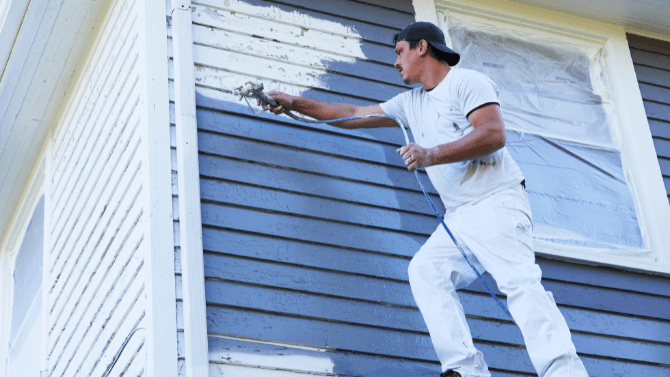
Are you getting ready to tackle a renovation project? Apart from having the appropriate tools on hand and the help necessary to complete your project within a specific timeframe, you'll also have to consider the upcoming weather forecast.
Weather conditions and temperatures are likely to have a positive or negative effect on your project. Here’s everything you need to know about the most favourable conditions for carrying out your paint-related renovations!
What Temperature Is Best to Paint Outside In Canada? Everything You Need to Know

Source : Canva
When Not to Paint Outside?
Minimum Temperature Threshold
Before jumping into outdoor painting endeavours, note that paint doesn't dry at temperatures below 5 degrees. Ideally, it's best to wait until temperatures climb above 10 degrees before you start painting.
That being said, bear in mind that painting in temperatures between 0 (dew point) and 5 degrees is still feasible. But, you’ll need to use a dedicated type of paint, otherwise it risks thickening, making for a difficult application process. Feel free to seek out professional advice from painting contractors to determine the best type of paint to use.
Are you painting a porch? Note that a wooden porch or deck needs a 48-hour drying time before applying any sort of additional products to its surface. Whatever you do, don’t overlook the drying process!
Maximum Outdoor Temperature Threshold
What about the maximum temperature threshold? Generally speaking, and as a rule of thumb, during the summer months, professionals advise against exterior painting during very hot weather, meaning when weather conditions call for bright sunshine and temperatures exceeding 30 degrees. On that note, bear in mind that most water-based paints can be used up to that temperature cap. However, beyond 20 degrees, applying paint could turn into a complex undertaking, especially since it'll dry a lot faster (depending on the moisture in the air).
Note that the temperature threshold may vary from one paint brand to another. Therefore, inquire prior to purchasing a specific type of paint to make sure you're getting your hands on the right product.
Should You Paint in Direct Sunlight?
What's more, note that you should seek overcast days or shade when carrying out exterior painting jobs. Hence why a lot of people suggest painting as the sun is setting, instead of in direct sunlight. Doing so is really important, especially when painting wood or masonry pieces. With that in mind, why not just paint first thing in the morning? Simply because the paint risks drying too fast, which could lead to paint bubbles or blisters on the recently painted surface. And, morning dew-coated surfaces aren’t ideal either.
Is Painting in High Humidity a Good Idea? Extreme Weather Condition Edition
Moving on with how best to paint during damp or rainy days. From the get-go, note that painting on a rainy day is really not the best way to go. Indeed, the more humid or the colder the temperature, the more time your paint will need to dry. Although you can still carry out paint-related projects during such forecasted weather conditions, professionals mostly advise against doing so.
Bear in mind that instructions labelled on paint cans don't factor in abnormally high humidity levels (anything over 80%). If you already started painting, wait for the humidity levels to drop while allowing the surface to dry for at least half a day before adding a second coat or completing your project. On the other hand, should the weather forecast nothing but rain, practice patience.
Although the odds are slim that you'll want to paint outside while it's pouring cats and dogs, note that doing so is highly advised against. Moreover, it's best to delay any exterior paintwork should the forecast predict rain over a 48-hour period.
Painting the Outside of Your House on a Windy Day
With regards to painting on a windy day, it’s best to avoid it altogether. Indeed, the wind will dry the paint far too quickly. Moreover, bear in mind that it’s highly probable that dust and other little particles will stick to freshly painted surfaces.
Looking for more information regarding the cost of your exterior painting project? Check out our article How Much Does an Outdoor Paint Renovation Project Cost?
Is Painting Indoors Any Different?
Source : Canva
Ideal Temperature
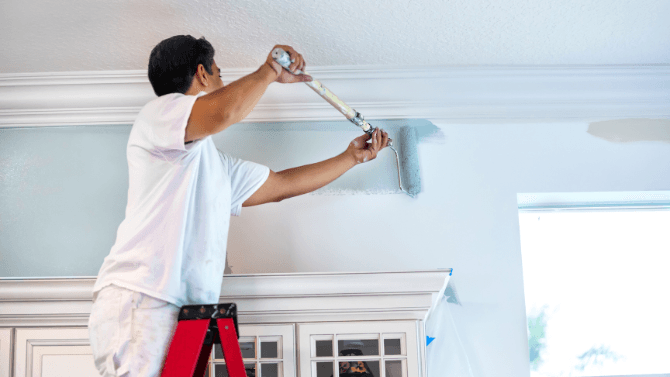
What about painting indoors? As a rule of thumb, most people suggest painting in temperatures between 10–20 degrees.
If temperatures exceed 20 degrees, your paint will dry too quickly, resulting in a more complex application process. Moreover, the final result may be quite disappointing, as paint roller or brush marks are likely to show through. Although the temperature inside your house isn't likely to dip below 10 degrees, make sure the heat is set to 20 degrees before you start painting.
What Should the Indoor Humidity Level Be?
When painting indoors, make sure the humidity level is below 40% in the room in question. If working in an area where the humidity level is quite high (between 40–80%), increase the drying time between the first and second coats. Allow the paint to dry for at least half a day between the two coats.
Bear in mind that failing to adhere to the above-mentioned recommendations may result in a less-than-flawless finish. Should you decide to paint in rainy weather when humidity levels are high, you'll likely see chipping, streaks, or even black stains.
Note that it can take one or two years before paint starts chipping. Whether you’re working indoors or outdoors, avoid painting during rainy days at all costs and instead wait for the weather forecast to clear before jumping in!
Tidbit of Advice When Painting Indoors
Although one isn't likely to think about this, professionals recommend vacuuming before painting and ensuring the area where you'll be working is completely draft-free. Complying with these two guidelines will prevent dust from sticking to freshly painted surfaces.
Looking for some bathroom or kitchen painting tips? Check out our article on the subject matter!
For more information, check out these articles:
Looking for something else?
Related articles
The latest industry news, interviews, technologies, and resources.
Amanda Harvey
•08 Nov 2023
A fence protects the exterior of your home, and when well maintained, can add some serious curb appeal to any property. Since this structure is left outside day and night, it comes up against some severe conditions: snow, rain, sleet, heat, both freezing and melting water. Therefore, it's only natural that the paint on an outdoor fence should easily wear and fade.
Amanda Harvey
•16 Jun 2026
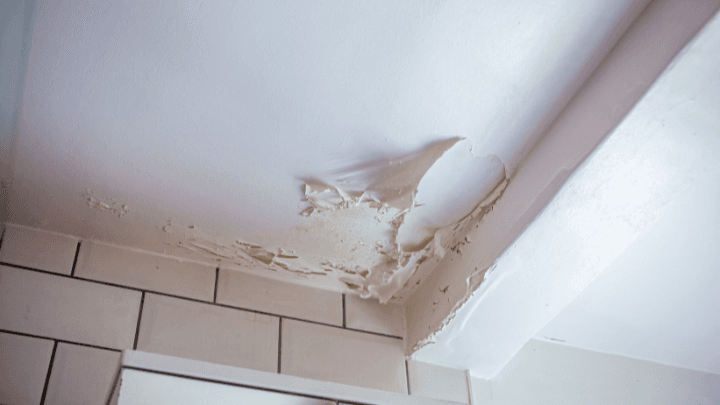
Showering, bathing, hair drying and moist towels hanging from every fixture; all the activities that take place in the bathroom breed humidity.
Cynthia Pigeon
•13 May 2026
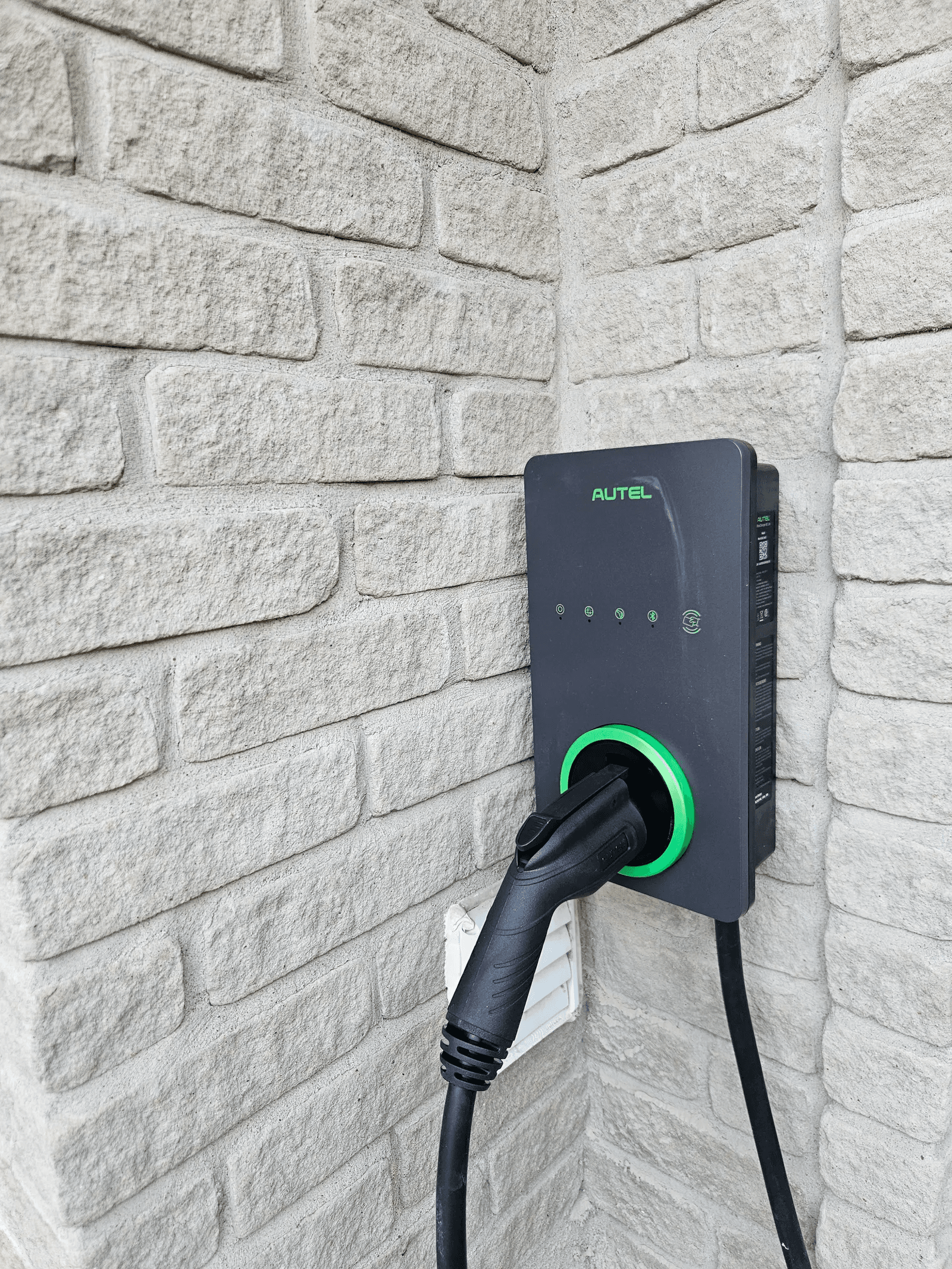
To install a Level 2 charging station, 240 V, at your home in Quebec, the electrical work must be carried out by an electrical contractor holding an RBQ licence, generally a master electrician who is a member of the CMEQ, to ensure compliance with the Quebec Construction Code. This professional installation is essential to ensure a safe, code-compliant setup and to qualify for the $600 financial assistance. By entrusting the work to an expert, you reduce the risk of non-compliance, streamline your insurance process, and better protect your investment.
Editorial Team
•08 Nov 2023
As a contractor, it’s your duty to inform your employees regarding the best workplace health and safety practices, if not put together a hazard prevention plan. Naturally, all lines of work have their risks, but if you can avoid catastrophes thanks to the right training and information, why go without?

Léa Plourde-Archer
•13 Nov 2024
This article is aimed at both the client and the contractor who will be responsible for the renovation project. Both have a vested interest in making sure that the contract they sign is clear and contains all the information that is important to specify. For both parties, this is a question of protection and clarity.