Masonry Cost Guide: How Much to Budget in 2026 in Canada?
By Léa Plourde-Archer
Updated on April 28, 2026
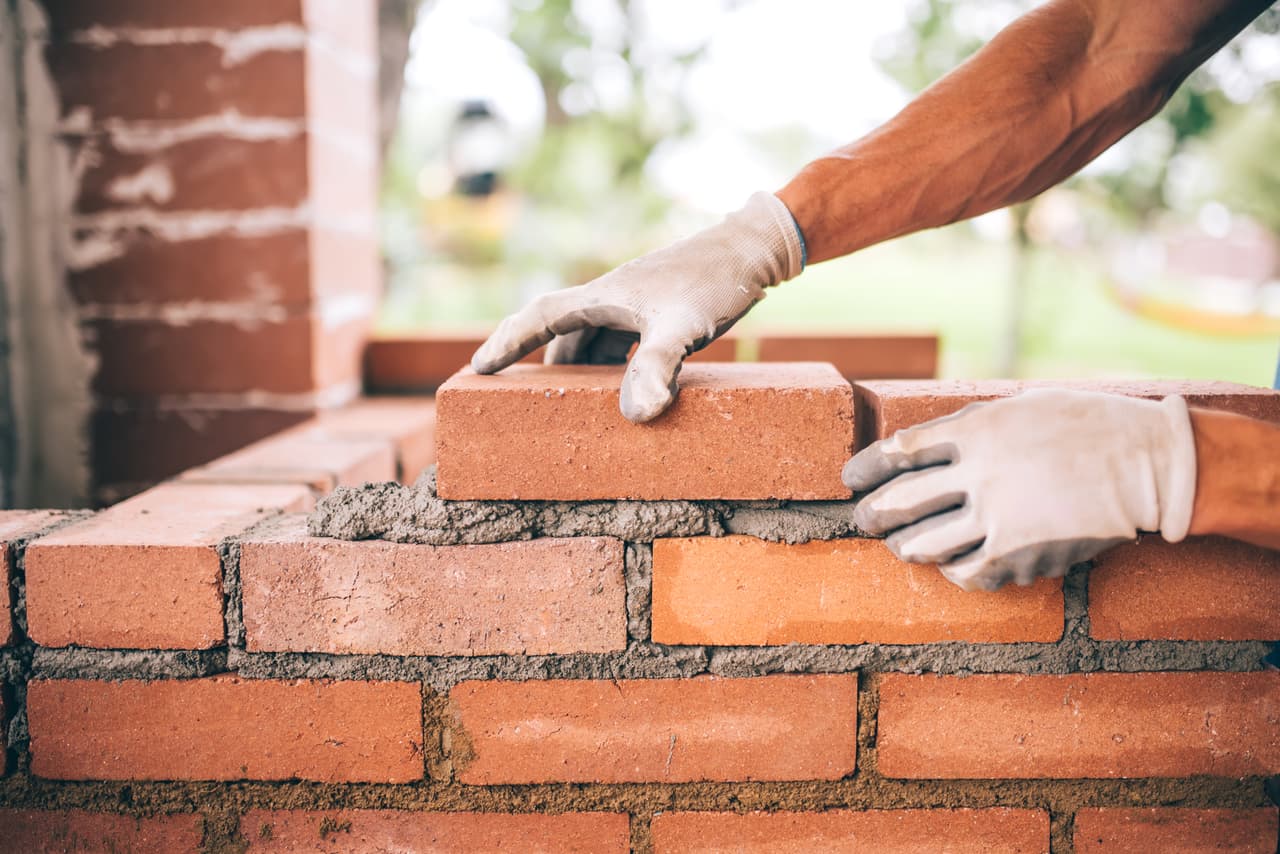
Masonry and bricklaying are more than a skill, they are a craft. When it comes to the requirements for working with concrete and brick, you’ll need to work with a person who has specific training. These materials are especially difficult to manipulate, and thus, it’s almost always best to work with a professional. Of course, working with a mason or bricklayer will leave you with lifelong structures and pieces, adding to the individuality and resale value of your home.
Are you looking for more information about prices regarding masonry and bricklaying? Of course, each project will be different and thus, requires a specific type of process and work from the part of the masonry contractor. In turn, prices may vary considerably. If you’re already planning to carry out masonry renovations and have no desire to look back, then we’ve got you covered. Below, you’ll find a price guide that’ll offer a better idea of what you’re in for!
How much do masons/brick layers charge per square foot (sq. ft.)?
Type of Masonry Project | Average Price |
Repairing a bulging wall | About $20 to $65/sq. ft. |
Rebricking a wall | About $20 to $50/sq. ft. |
Straightforward rebricking (house without obstructions, windows, or complex insulation systems) | About $25 to $50/sq. ft. |
Redoing masonry joints | About $10 to $30/sq. ft. |
Average hourly rate of a mason | $85 to $109 per hour |
Foundation parging | About $4 to $7,50/sq. ft. |
A mason charges approximately $85 to $109 per hour for masonry work during regular hours. This amount is based on an hourly wage of $25 to $40, with added contributions, benefits, vacation pay, and insurance. Equipment rental costs, such as trucks and tools, are added, along with a 20% profit margin for administrative fees and profits.
Rebricking a Wall Pricing
When rebricking a wall, costs vary based on the scope of the work and the type of brick, but typically range from $20 to $50 per square foot.
For straightforward rebricking, such as a house without obstructions, windows, or complex insulation systems, the total cost is generally between $25 and $50 per square foot.
Prices for Repairing a Bulging Wall
A bulging wall refers to the outward swelling on a home’s exterior brickwork. This issue creates spaces between the wall cladding and the structure, leading to swelling. Causes include water infiltration into cracks, deteriorated mortar, or detachment of the cladding.
The size of the bulge directly impacts costs. Larger or thicker bulges require slower, more delicate work to avoid damage. On average, repairing a bulging wall costs about $20 to $65 per square foot.
Prices for Repointing Masonry Joints
If the brick cladding on your home is in poor condition, with mortar joints that have disappeared or are crumbling in various places, you have no choice but to call a mason—and quickly. The mason will proceed with repointing the brickwork to prevent potential water infiltration or accelerated deterioration of the cladding, which could easily lead to collapse. For a long-lasting repair, this work must be carried out by an expert under appropriate conditions.
The cost of repointing masonry will also be influenced by the multiple factors mentioned earlier and by the type of joint selected. Generally, repointing will cost between $10 and $30 per square foot.
Factors That Affect Masonry Prices

Source: Deposit Photo
The price ranges for the most common masonry services will be presented in the following paragraphs, but before diving into the specifics, here are a few factors that could affect the amount you’ll need to pay. We contacted several masonry contractors, and they all reminded us that the costs of masonry repairs can vary greatly depending on several factors.
First, the height of the work can strongly influence labour costs. The higher the work, the more scaffolding the masonry contractor will need to complete the job, not to mention the additional time required to set up and dismantle the scaffolding.
The location can also significantly affect prices. If the work is near a busy street, the cost will be higher, and if it is in a very congested neighbourhood, the price will increase even more because worker safety must be ensured. The type of brick used can also have an impact on the price of masonry work. The larger the brick, the more difficult it will be to work with. Finally, mortar types, obstacles, anchors, backing walls, windows, and any work that touches the roof can further complicate the job, which will inevitably drive up the costs.
To find out about the average prices of different home renovation projects, check out our Home renovation price guide.
FAQ
What are the different types of masonry work?
Brick, stone, and concrete masonry are the most common types. Brick masonry uses bricks and mortar for walls and partitions. Stone masonry employs natural stones like granite or marble for their durability and aesthetics, while concrete masonry uses solid blocks for walls and foundations.
Where can I find masonry companies and contractors?
By submitting your project to Soumission Rénovation, you can receive 3 free quotes from masonry contractors and companies for your project!
Brickwork or masonry? What’s the difference?
Brickwork refers specifically to the construction or repair of structures using bricks and mortar. It focuses solely on bricks as the building material. Masonry is a broader term that includes brickwork but also encompasses work with other materials such as stone, concrete blocks, and even glass blocks. It refers to the construction or repair of structures using any kind of unit material bonded together with mortar. In French, however, the two terms are typically used interchangeably.
Looking for something else?
Related articles
The latest industry news, interviews, technologies, and resources.
Cynthia Pigeon
•08 Nov 2023
Clearly, the term “weep hole” is not something you hear on a daily basis. If you were to ask those around you, people are more likely to let their imagination run wild, drawing a connection between the verb weep and the noun hole. And yet, a weep hole does not pertain to weeping in the slightest.
Editorial Team
•03 Nov 2025
When it comes to a home, the roof is one feature that is rarely given pause. However, it is the one part that shelters from the elements and, if properly insulated, prevents cold drafts from seeping in. Yet, you may want to change your roof. In such a case, we are looking at changing the roof's structure to then alter the slope. Although this might seem like an impossible task, it is definitely doable.
Cynthia Pigeon
•06 May 2026
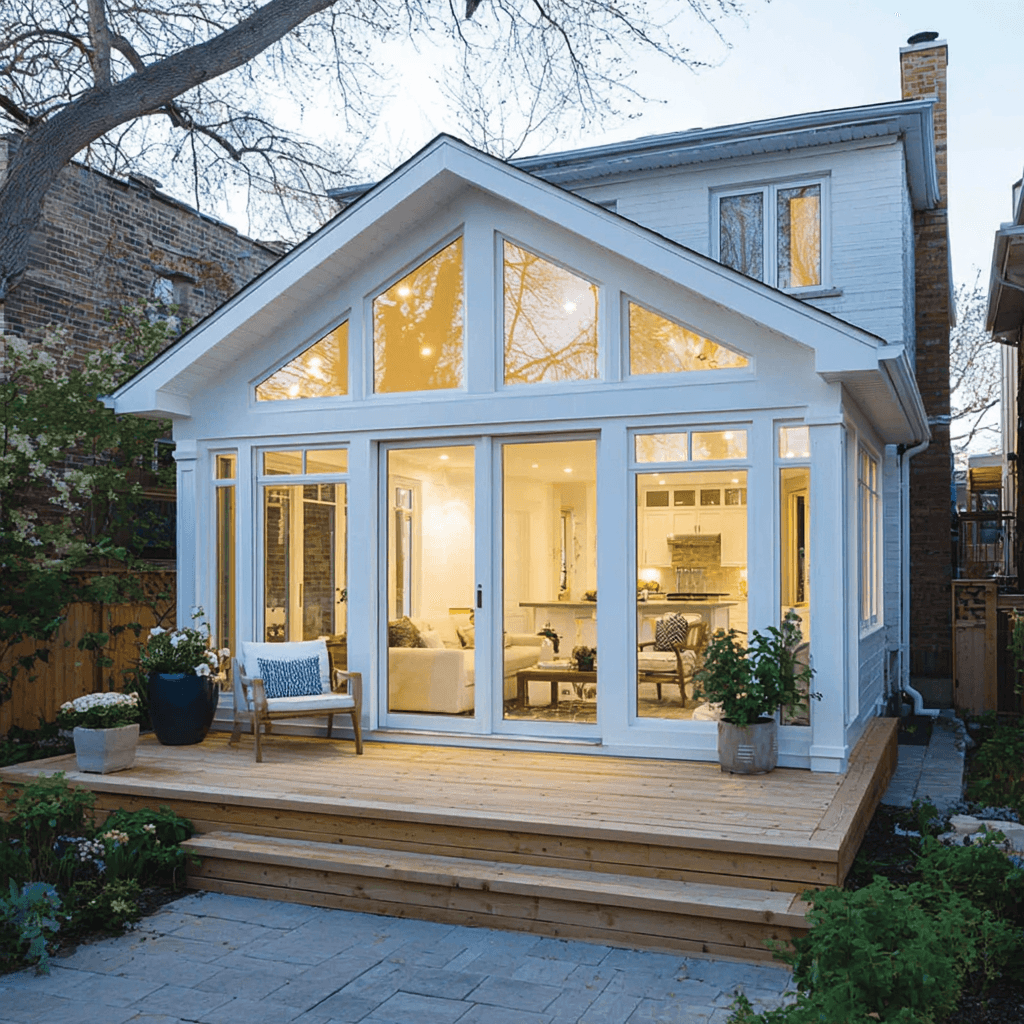
In 2026, installing a sunroom in Canada generally costs between $15,000 and $30,000 for a basic 3-season model, while a 4-season sunroom designed for year-round use can easily reach $45,000 to more than $75,000, depending on the size, foundation, glazing, insulation, finishes, and local labour costs. In most municipalities, a building permit is required before work begins, since a sunroom is usually considered a home addition or a permanent structural modification. The structure must also meet the applicable building code requirements in your province or territory, especially when it comes to frost protection, wind resistance, and snow loads.

Christine Simard
•08 Nov 2023
Whether you live in a small apartment or a large family home, the organization of your space is the key to keeping your household neat and well kept together.
Editorial Team
•01 Apr 2025
Trees are the ultimate evidence of time gone by. Once you plant a type or species on your property, with time, the sprout will grow, the trunk will thicken, the branches will spread, the buds will bloom, and the foliage will change along with the seasons.