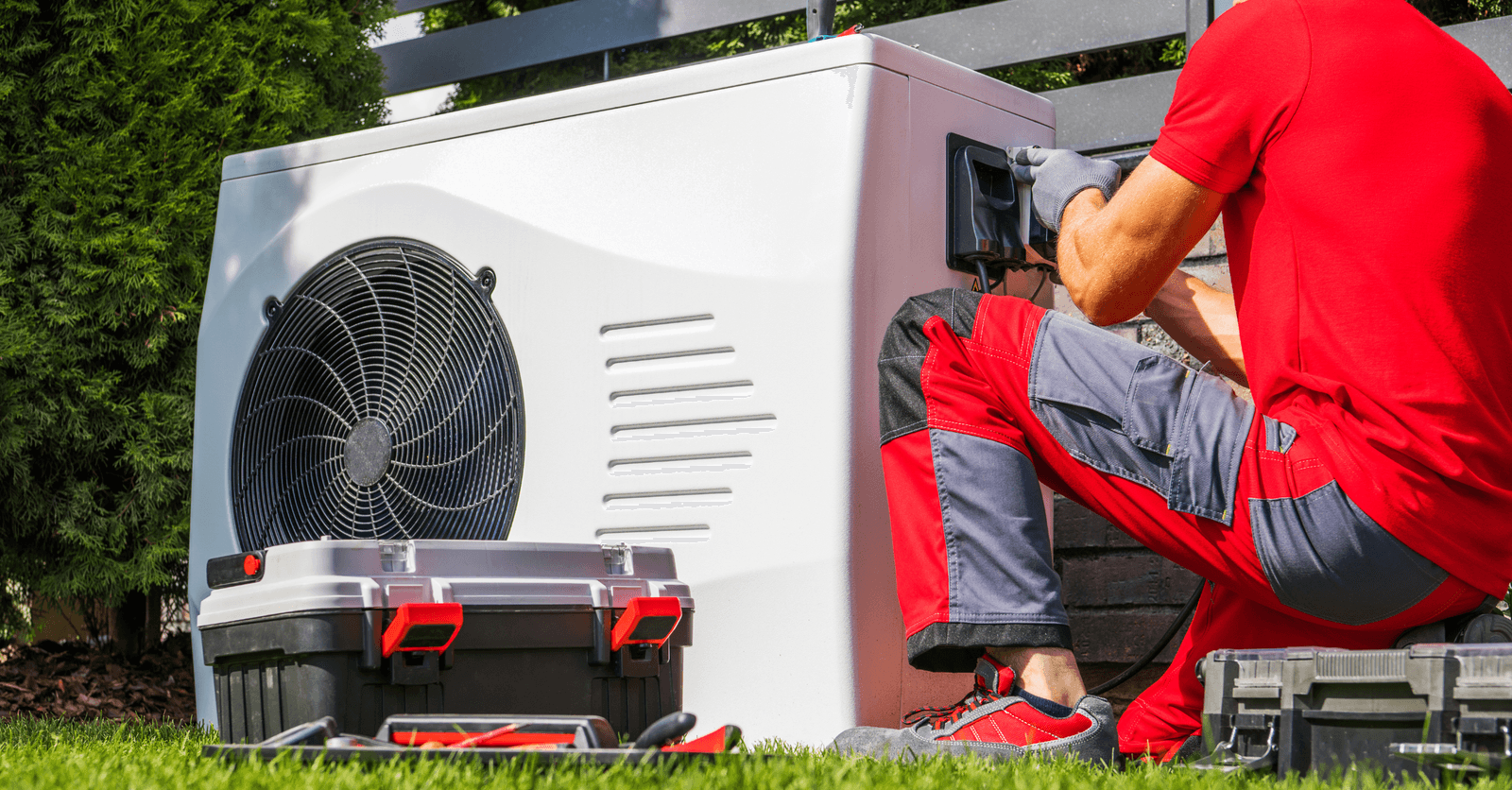
The Path to Becoming an HVAC Tech in Ontario
By Editorial Team
Updated on July 3, 2026

The HVAC (Heating, Ventilation, and Air Conditioning) industry is a vital sector in Ontario, catering to residential, commercial, and industrial needs. HVAC technicians play a crucial role in ensuring comfort and safety by maintaining, installing, and repairing heating and cooling systems. This article serves as a comprehensive guide to becoming an HVAC technician in Ontario, outlining the educational pathways, certification requirements, and career opportunities.
Educational Pathways and Training

Educational Requirements
To start a career as an HVAC technician, a high school diploma or GED is essential. Beneficial courses include mathematics, physics, and technical drawing, which provide a solid foundation for understanding HVAC systems.
HVAC Programs and Courses
Ontario offers a variety of accredited HVAC programs through vocational institutions and community colleges. These programs provide theoretical knowledge and practical skills required in the HVAC field. Here are some notable programs:
Humber College: Heating, Refrigeration, and Air Conditioning Technician, two years
Centennial College: Heating, Refrigeration, and Air Conditioning Technician, two years
Algonquin College: Heating, Refrigeration, and Air Conditioning Technician, two years
George Brown College: Heating, Refrigeration, and Air Conditioning Technician, two years
St. Clair College: Heating, Refrigeration, and Air Conditioning Technician, two years
Durham College: Heating, Ventilation, and Air Conditioning Techniques
Cambrian College: Heating, Ventilation, and Air Conditioning Technician, two years
Georgian College: Heating, Refrigeration, and Air Conditioning Technician, two years
Mohawk College: Heating, Refrigeration, and Air Conditioning Techniques
These programs cover essential topics such as refrigeration systems, air conditioning, heating technologies, and safety standards.
Apprenticeship Programs
Hands-on training is a critical component of becoming an HVAC technician. Apprenticeship programs combine classroom instruction with on-the-job training. Co-op diploma apprenticeship programs are popular as they provide practical experience while earning a diploma. To register for an apprenticeship, you must complete specific training requirements and register with the Ontario College of Trades.
Certification and Licensing
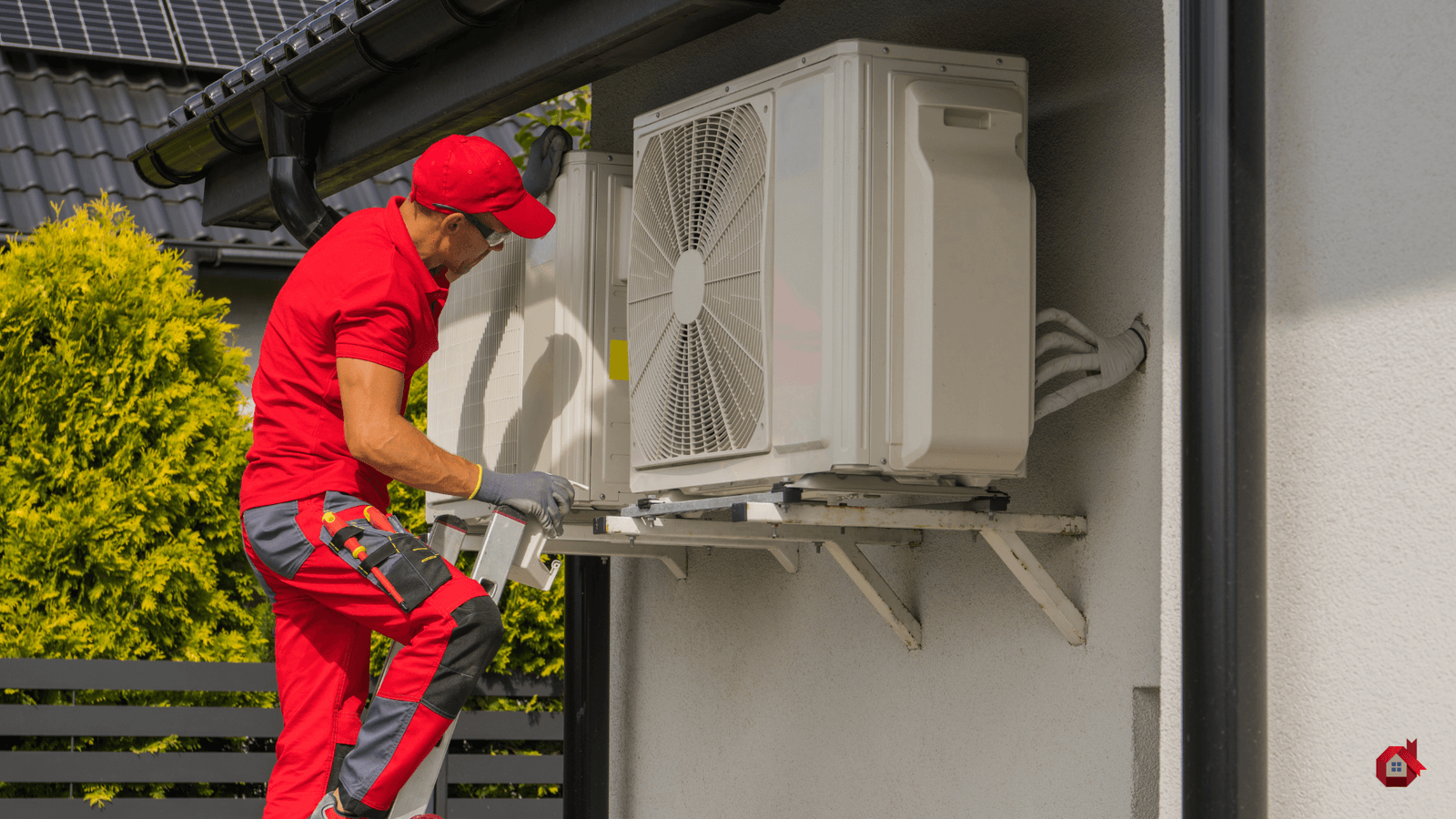
Certification Requirements
In Ontario, HVAC technicians must obtain several certifications to work legally. Key certifications include the Oil Burner Technician certification and the Gas Technician certification. These certifications require passing the Certificate of Qualification exam, which tests knowledge in safety, technical standards, and practical skills.
How to Become a Licensed HVAC Technician in Ontario?
Obtaining an HVAC licence involves several steps:
Complete an accredited HVAC program.
Register as an apprentice and complete the required hours of on-the-job training.
Pass the Certificate of Qualification exam.
Register with the Ontario College of Trades.
Adhere to safety authority regulations and technical standards.
How Long Does It Take to Get Your HVAC Licence in Ontario?
The process of obtaining an HVAC licence in Ontario involves completing a two-year HVAC program at a recognized college, followed by an apprenticeship that generally lasts about three years. This apprenticeship includes hands-on training under the guidance of experienced HVAC technicians. After accumulating the required work hours and achieving the necessary educational components, candidates can take the Certificate of Qualification exam to become licensed HVAC technicians.
Career Opportunities and Job Market

Employment Sectors
HVAC technicians can find employment in various sectors, including residential, commercial, and industrial settings. The demand for HVAC professionals is high due to the essential nature of their work in maintaining climate control systems.
How Much Do HVAC Technicians Make in Ontario?
The average salary for HVAC technicians in Ontario varies based on experience, certifications, and the sector of employment. On average, HVAC technicians earn between $70,000 and $105,000 per year.
Job Training and Skill Development
Continuous learning and skill development are vital for career advancement. Technicians can pursue further training in specialized areas such as refrigeration systems, power tools, and advanced certifications to enhance their expertise.
Tips for Success in the HVAC Industry

Essential Skills and Qualities
Successful HVAC technicians possess strong technical skills, problem-solving abilities, and attention to detail. Interpersonal skills are also important for effectively communicating with clients and employers.
Career Advancement
Career growth opportunities in the HVAC industry include moving from an apprentice to a certified HVAC technician and pursuing advanced certifications and specializations. Technicians can also explore roles in management or start their own HVAC business.
Comparisons and Additional Resources
Comparisons of Costs Over the Long Term
Investing in HVAC training and certification has long-term benefits. While the initial costs of education and certification may be high, the potential for a stable and lucrative career in a high-demand field outweighs these expenses.
Offer Budgeting Tools
Prospective HVAC technicians can use budgeting tools provided by vocational institutions to plan for the costs of their education and certification. Many schools offer financial aid, grants, and scholarships to help students manage expenses.
Highlight Government Incentives
Ontario provides various government incentives for HVAC training and certification, including financial aid, grants, and tax credits. These incentives help reduce the financial burden on students and encourage more individuals to enter the HVAC field.
Start Your Career in the HVAC Industry

Becoming an HVAC technician in Ontario requires a combination of education, hands-on training, and certification. With a high demand for skilled technicians, pursuing a career in HVAC offers stability, growth opportunities, and a rewarding professional path. For those interested in starting their journey, numerous resources and support systems are available to guide them along the way.
Looking for something else?
Related articles
The latest industry news, interviews, technologies, and resources.

Paul Riopel
•01 Jun 2026
Ontario, like many regions across Canada, is grappling with a pressing issue: a critical shortage of skilled tradespeople. As the demand for skilled labour continues to grow, various factors contribute to this deficit, ranging from demographic shifts to societal perceptions and immigration hurdles.

Editorial Team
•03 Jun 2024
If you’re looking for a career in the construction industry where teamwork is essential and perfectionism is—at long last—valued, consider becoming a resilient interior flooring layer. This little-known profession, although essential, is seeing a significant labour shortage as a result of a large number of workers retiring.

Cynthia Pigeon
•31 Jul 2026
In 2026, the cost of a major energy-efficient renovation to reach a net-zero standard in Canada typically ranges from $100,000 to $200,000 for an existing single-family home. This large-scale project aims to reduce a home’s energy consumption to the point where it produces as much energy as it uses annually. The investment generally includes high-performance insulation, triple-pane windows, a high-efficiency heat pump, and solar panel installation, often supported by federal and provincial incentives.

Amanda Harvey
•08 Nov 2023
If you’re a homeowner who is using a ladder to fix that broken light bulb or to install some new curtains, you might think that the job is straightforward. However, using a ladder incorrectly is one of the key ways that cause homeowners to sustain injuries during renovation projects. Ladder safety is more complicated than just climbing on up, so make sure to know your stuff before reaching for that top shelf.