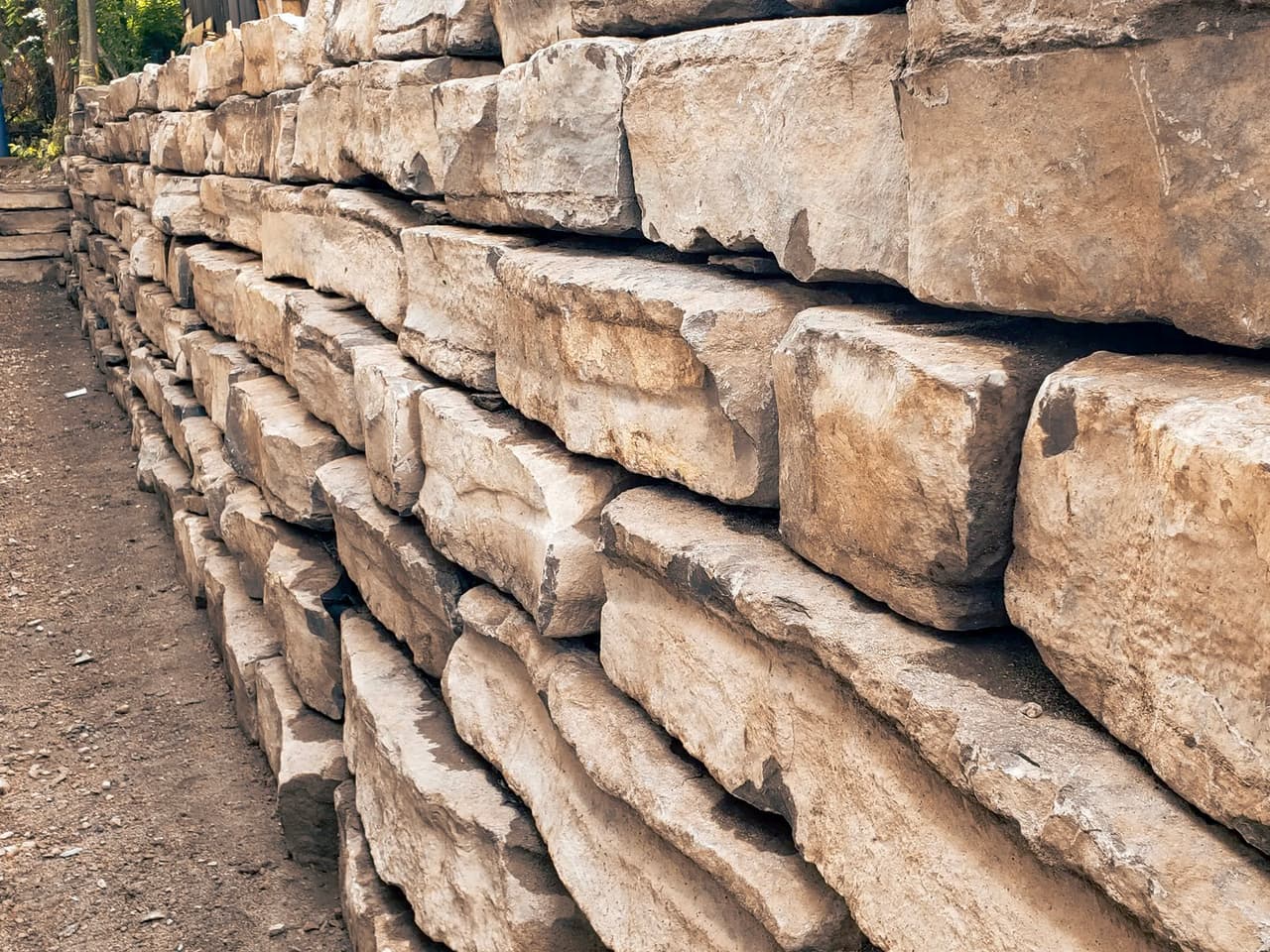
A foundation is exactly what it sounds like: it's the base upon which a building’s structure is built. It provides stability, ensuring it stands the test of time. In Quebec, ancestral houses aren’t a rarity, and they’re reflective of the province’s architectural heritage. However, building materials and methods aren’t what they used to be. Nowadays, concrete formwork foundations are considerably more common. Yet, a hundred or so years ago, rubble foundations (or stone foundations) were especially widespread.
As such, a lot of homeowners are now faced with structural issues associated with dilapidated foundations. Keep reading to learn all there is about rubble or stone foundations.
What Is a Stone or Rubble Foundation?
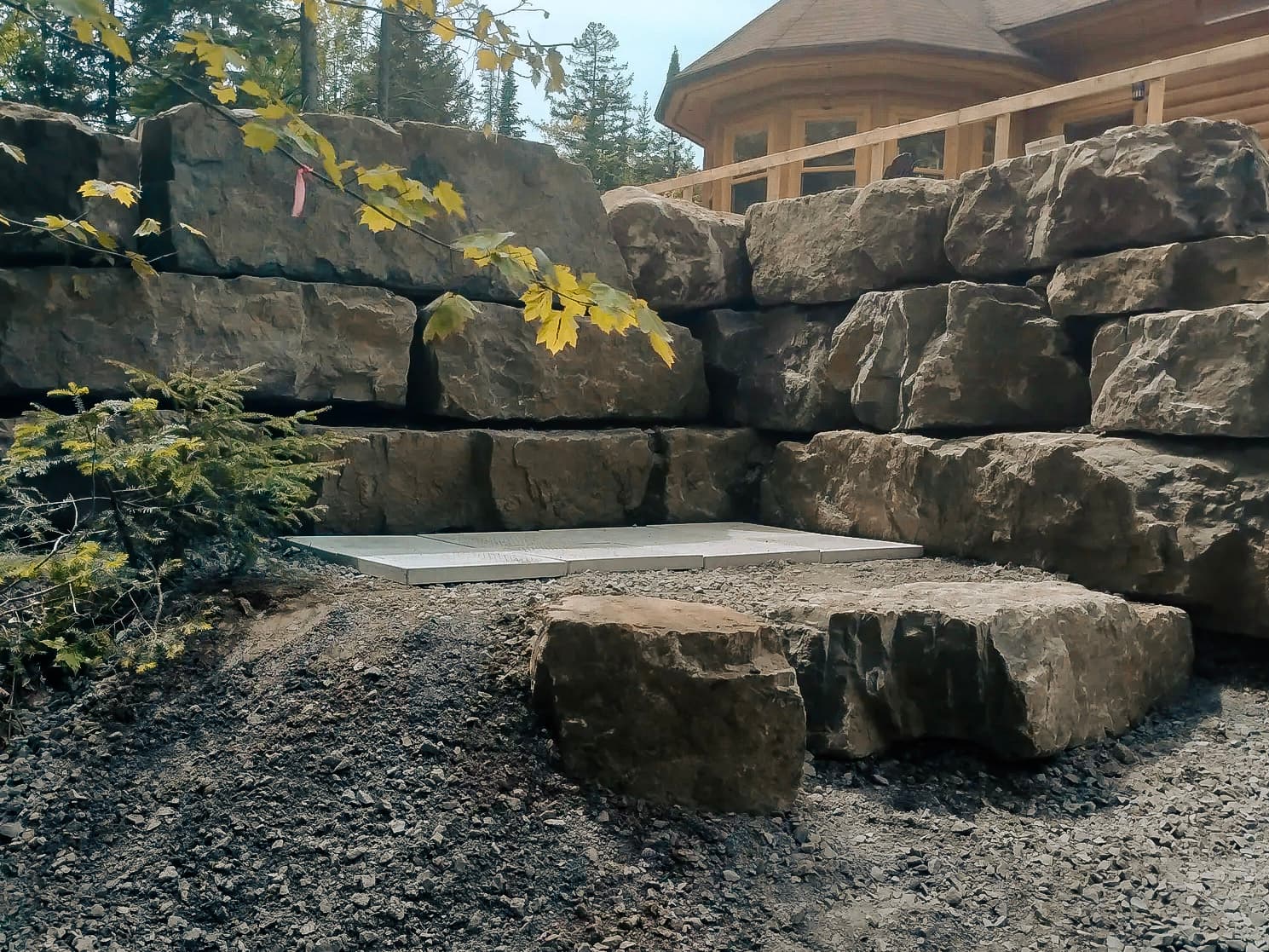
Source : J.Dubois Construction
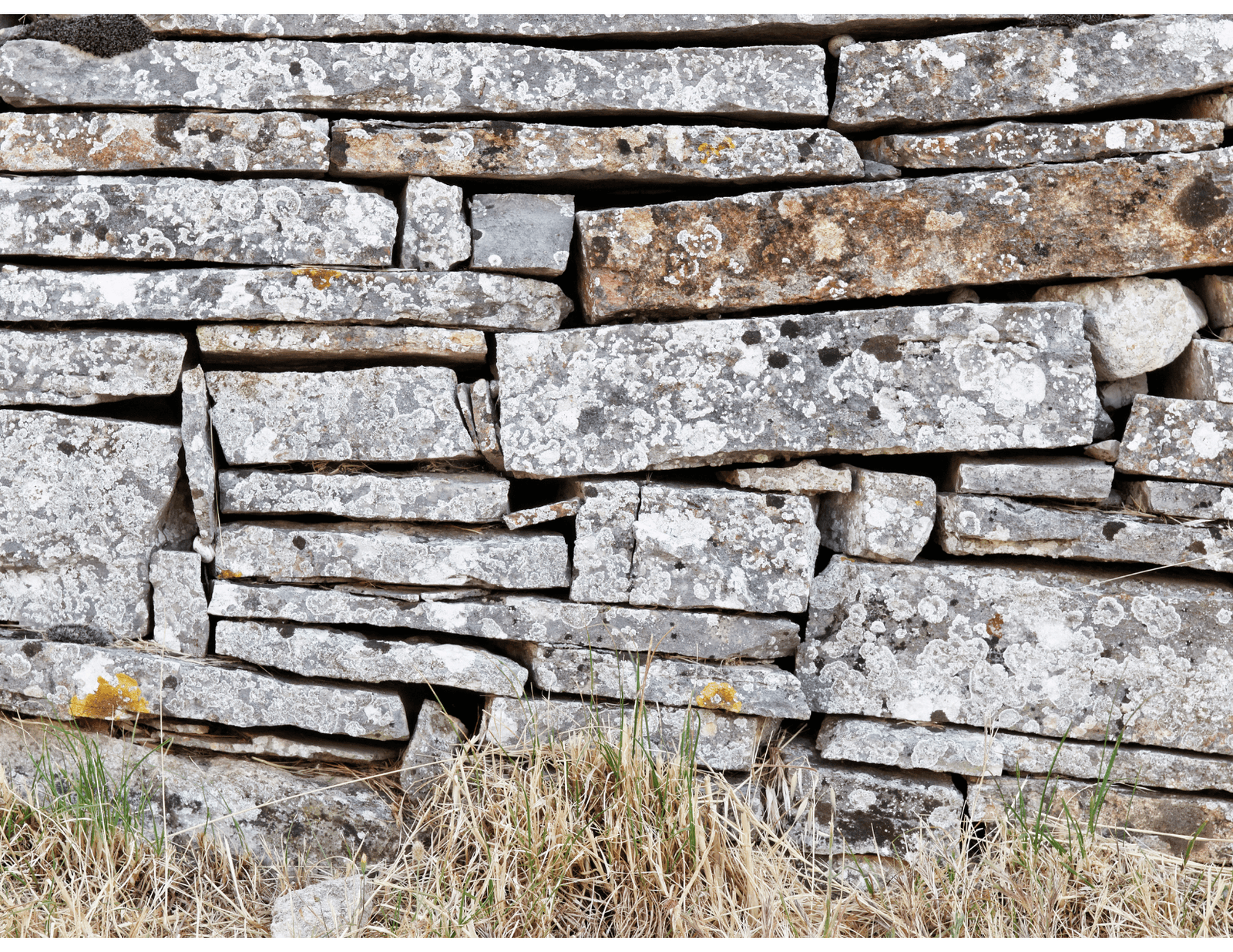
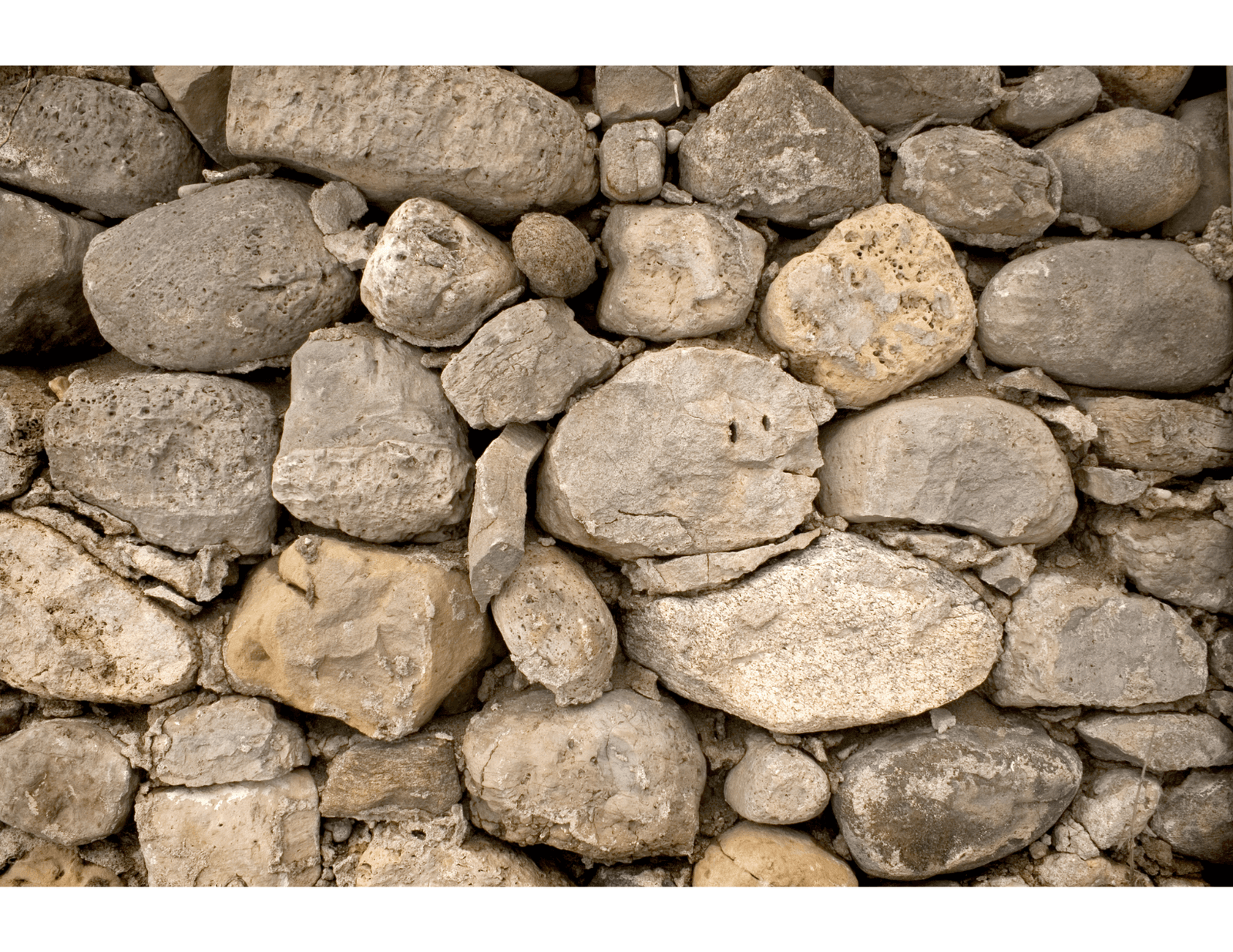
Way before modern times, to build a foundation, stones (or rubble) were used, and such material was bound with limestone-based mortar, a moisture-permeable material whose surfaces would crumble and weaken over time. As such, a rubble foundation stands as the base of a building, one made with uncut, or slightly worked, natural stones positioned one atop the other with said mortar to create a strong, stable structure. Such foundations, commonly found in rural or old houses, are especially valued for their durability and capacity to withstand significant loads.
What Are the Disadvantages of a Rubble Foundation?
Source : Canva
Settling Foundation
Foundation settlement occurs when the load-bearing soil begins to gradually sink, which is a common occurrence with properties built on rubble foundations. This issue stems from varying temperatures and the soil’s composition. If your house was built on expansive soils, such as clay, the ground risks losing its water content to nearby trees found on the property’s perimeter during periods of drought.
Over time, this occurrence will cause the ground to settle, resulting in visible cracks in the foundation. Instead of cutting down the trees surrounding your home, simply water the vegetation regularly during periods of drought.
Cracks in a 100-Year-Old Rubble Foundation
It’s relatively simple for homeowners to assess cracking found on the inside or outside walls of their home’s foundation if their basement isn’t finished or if they have easy access to the crawl space. Significant cracks are typically a result of uneven ground settlement, which can migrate to the property’s upper floors.
It’s worth studying and looking into the causes of cracking over a one-year period to know whether the cracking is continuous (active crack), or if the crack stabilizes (passive crack). Seal the cracks with a mortar to repair them or hire a contractor to inject epoxy into the fracturing material.
Don't wait, repair cracks promptly as such an issue can cause the exterior siding or cladding to loosen from the facade, resulting in possible water ingress. Additionally, high moisture levels will lead to mould growth in both the basement and crawl space, and cause structural elements to rot, especially the wooden framing.
The latter will weaken the building’s load-bearing capacity, putting the integrity of your home at risk. And, that’s without mentioning the health and safety hazards you and your family may be exposed to.
How to Fix Rubble Foundation Problems: Water Leak Edition
Did you know that 50 years ago, in Quebec, exterior drainage systems weren’t mandatory? Based on that, it’s only normal that old houses, built on stone or rubble foundations have water leakage issues in their basements or crawl spaces. The risk is all the more significant when either underground space is located near sloping ground, further favouring water ingress.
French Drain
Given that problems associated with water ingress will, without a doubt, jeopardize the structural integrity of your home, undertaking the appropriate renovations like installing a French drain (or perimeter drain) to drain the water pooling around your foundation walls before it permeates the rubble is paramount. The drainage system installed at the foot of the foundation will channel the water away from the property.
Waterproofing and Sealing
Not only are the risks associated with water ingress mitigated, but installing a French drain minimizes the risks of the ground settling due to frost heaving. Waterproofing your home’s foundation walls is another sure way of sealing your property against external forces. Installing a waterproofing membrane around your house's foundation will limit the likelihood of water ingress, too.
How to Repair a Rubble Foundation
Source : Canva
Hire a structural engineer to assess the exact state of your rubble foundation as well as the areas at risk to determine the best way to correct the situation. Afterwards, submit a project proposal before choosing a reliable contractor to tackle the job.
Is your rubble foundation in dire need of repair? Check out our article, The Cost of a Home Foundation Repair Project, for useful guidelines.
FAQ
Are stone foundations better than concrete?
This question can be broken down into two categories: the upsides and drawbacks of each as neither one is technically "better" than the other. But bear in mind that natural stones aren't used to build foundations anymore.
When it comes to a stone foundation, the upsides range from aesthetic appeal, durability, and the green factor—stones are natural materials and don't need as much energy to manufacture compared to concrete. Yet, it's a super labour-intensive process, one that's costly and involves materials with limited availability. Additionally, stone foundations are notorious for providing poor insulation.
On the other hand, concrete is a strong, versatile, and relatively inexpensive material that's readily available. However, aesthetically speaking, it's not as striking as stones, isn't as environmentally sound given its carbon footprint, and will crack over time.
What are the most common types of natural stone foundations?
Natural stones have been used to build foundations up until the 1940s. Amongst the most commonly used stonework are:
Fully pitched scotch bond
Roughly squared scotch bond
Random rubble
What is a sandstone foundation?
A sandstone foundation is a type of structural foundation built using sandstone blocks or slabs.
How much does it cost to repair a stone foundation?
Repairing a stone foundation costs between $400 and $20,000 (labour included), depending on the degree of the damage. Note that the costs are roughly the same as repairing a concrete foundation. Consult a foundation expert for a situation-specific quote or additional information.
What is a rubble trench foundation?
A rubble trench foundation is a time-honoured building method that was brought to the forefront by famous architect Frank Lloyd Wright, the founding father of organic architecture. This type of foundation uses loose rubble or stones to limit the use of concrete and improve drainage.
Is rubble good for foundations?
The short answer is no. A rubble wall will have a sponge-like effect, soaking up the water pooling around its exterior walls, causing the foundation to deteriorate faster. Even if the bottom of the foundation is sealed, over time, it will degrade.
Looking for something else?
Related articles
The latest industry news, interviews, technologies, and resources.
Cynthia Pigeon
•31 Jul 2026
In 2026, the cost of a major energy-efficient renovation to reach a net-zero standard in Canada typically ranges from $100,000 to $200,000 for an existing single-family home. This large-scale project aims to reduce a home’s energy consumption to the point where it produces as much energy as it uses annually. The investment generally includes high-performance insulation, triple-pane windows, a high-efficiency heat pump, and solar panel installation, often supported by federal and provincial incentives.
Editorial Team
•17 Aug 2026
White, powdery deposits on brick, concrete, pavers, or basement foundation walls are often a sign of efflorescence. Although the residue itself is usually more of a cosmetic issue than a structural problem, recurring efflorescence can indicate that moisture is moving through the material.
Cynthia Pigeon
•08 Nov 2023
Pergola. This word, with a slight Italian intonation, is rather reminiscent of bright, sunny summer days, no? The pergola is actually the perfect in-between betwixt an exterior shade and a sunroom. It’s the ideal space to lay out whilst still being protected from the sun or adverse weather conditions.

Équipe éditoriale
•28 Apr 2026
For any homeowner, a contaminated property is a literal nightmare. What should you do if your home is infested with asbestos, radon, or mould? Such problems, which affect hundreds of thousands of homes across Canada, can severely hinder a home’s structural integrity, not to mention the health of its dwellers.

Editorial Team
•08 Nov 2023
There’s no beating around the bush, toilets are the thrones of the home. These fixtures are an important aspect of the overall comfort, and thus choosing the right one makes a huge difference.